Trip Overview
Trip Overview
The 9 Days Annapurna Base Camp Trek is a carefully crafted Himalayan adventure that takes you into the heart of the spectacular Annapurna Sanctuary within a limited timeframe. Ideal for travelers seeking an unforgettable mountain experience without a lengthy expedition, this trek combines breathtaking alpine scenery, traditional mountain culture, lush forests, and one of the world’s most impressive natural amphitheaters.
Your journey begins in the vibrant capital of Kathmandu before traveling to the beautiful lakeside city of Pokhara, the gateway to the Annapurna region. A scenic drive leads to the trailhead, where the trek begins through charming Gurung villages, terraced hillsides, and peaceful forests filled with rhododendron, bamboo, and oak trees.
As the trail gradually ascends through the Modi Khola Valley, the landscape changes dramatically. Dense forests give way to alpine meadows, glacial rivers, cascading waterfalls, and towering cliffs, creating an ever-changing trekking experience. Along the route, you’ll experience the warm hospitality of local mountain communities while enjoying comfortable teahouse accommodation and freshly prepared Himalayan meals.
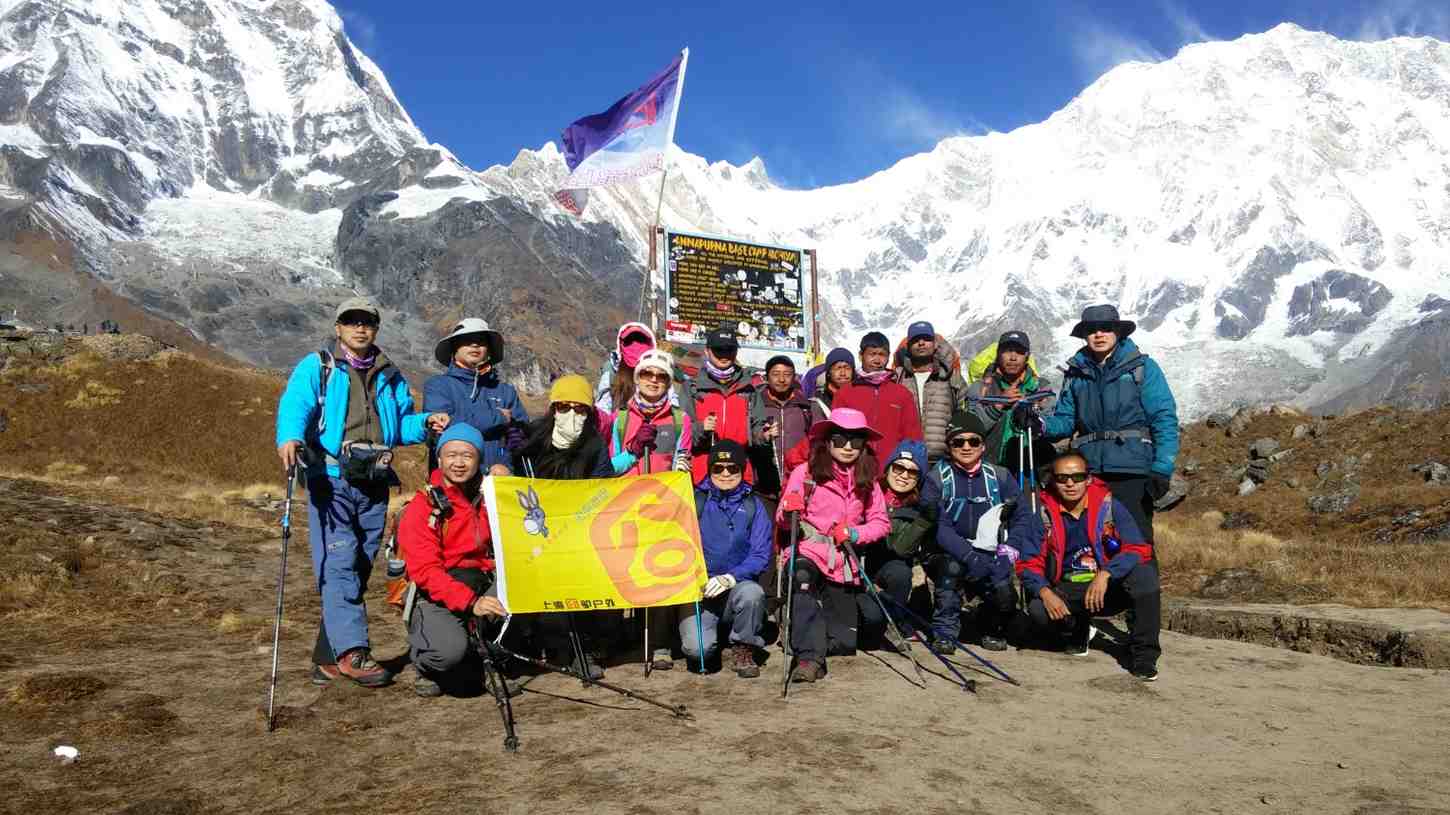
The highlight of the journey is reaching Annapurna Base Camp (4,130 meters / 13,550 feet), surrounded by a magnificent ring of snow-covered Himalayan peaks. Standing beneath the majestic Annapurna I (8,091 meters), the tenth-highest mountain in the world, offers an unforgettable sense of achievement. The panoramic views of Machhapuchhre (Fishtail), Annapurna South, Hiunchuli, Gangapurna, and several neighboring summits create one of Nepal’s most extraordinary mountain landscapes.
After witnessing a memorable sunrise above the Annapurna Sanctuary, the trail descends through pristine forests to Jhinu Danda, where natural hot springs provide a relaxing opportunity to soothe tired muscles before returning to Pokhara and Kathmandu.
At Himalayan Sherpa Exodus Team Treks & Expeditions Pvt. Ltd., this itinerary has been thoughtfully designed to balance adventure, comfort, and safety. Guided by experienced local professionals, the trek offers an authentic Himalayan experience, combining spectacular scenery, cultural encounters, and responsible tourism practices that create lasting memories for every traveler.
Trip Highlights
Trip Highlights
- Journey into the spectacular Annapurna Sanctuary, one of Nepal's most iconic mountain landscapes.
- Reach Annapurna Base Camp (4,130 m / 13,550 ft) and stand beneath the majestic Annapurna Massif.
- Enjoy unforgettable panoramic views of Annapurna I (8,091 m), Machhapuchhre (Fishtail), Annapurna South, Hiunchuli, Gangapurna, and surrounding Himalayan peaks.
- Witness a breathtaking sunrise illuminating the snow-covered mountains from Annapurna Base Camp.
- Trek through beautiful rhododendron, bamboo, oak, and alpine forests rich in natural beauty.
- Follow the scenic Modi Khola Valley with its waterfalls, glacier-fed rivers, and dramatic mountain cliffs.
- Experience the warm hospitality and unique traditions of the Gurung communities along the trail.
- Stay in welcoming mountain teahouses while enjoying freshly prepared local and international cuisine.
- Relax in the natural hot springs at Jhinu Danda after completing the trek.
- Discover diverse landscapes ranging from subtropical forests to high alpine terrain within a single journey.
- Capture incredible photographs of Himalayan peaks, suspension bridges, rivers, forests, and traditional villages.
- Enjoy a well-paced itinerary that is ideal for trekkers seeking a shorter yet rewarding Himalayan adventure.
- Travel with experienced, government-licensed local guides dedicated to safety, personalized service, and responsible trekking.
- Experience one of Nepal's most rewarding short treks with the trusted support of Himalayan Sherpa Exodus Team Treks & Expeditions Pvt. Ltd.
Day 01 :
Arrival in Kathmandu, Nepal
Altitude: 1,365 m / 4,478 ft
Driving Distance: Approximately 6–8 km / 4–5 mi (Airport to Hotel)
Driving Duration: 20–30 minutes
Welcome to Nepal, home to the world's highest mountains. Upon your arrival at Tribhuvan International Airport, a representative from Himalayan Sherpa Exodus Team Treks & Expeditions Pvt. Ltd. will warmly welcome you and transfer you to your hotel in Kathmandu.
After checking in, you will have time to relax after your international flight or explore the colorful streets of Thamel, Kathmandu's famous tourist district. Here you can browse trekking equipment shops, local handicrafts, cafés, and traditional restaurants.
In the evening, your trekking guide will provide a detailed briefing about the Annapurna Base Camp Trek, including route information, equipment inspection, weather updates, and important safety guidelines.
Highlights
- Traditional Nepali welcome.
- Comfortable airport transfer.
- Explore the lively Thamel district.
- Pre-trek orientation with your guide.
Accommodation: Hotel in Kathmandu
Day 02 :
Travel from Kathmandu to Pokhara
Starting Altitude: Kathmandu – 1,365 m / 4,478 ft
Ending Altitude: Pokhara – 822 m / 2,697 ft
Option 1: Domestic Flight
Flight Duration: Approximately 25–30 minutes
Option 2: Tourist Bus
Driving Distance: Approximately 200 km / 124 mi
Driving Duration: 7–8 hours
Following breakfast, travel to Pokhara, Nepal's beautiful lakeside city and the gateway to the Annapurna Himalaya.
Those choosing the domestic flight will enjoy spectacular aerial views of the Annapurna, Manaslu, and Lamjung Himal ranges. Travelers taking the scenic overland route will follow the Prithvi Highway alongside the Trishuli River, passing green hills, terraced fields, traditional villages, and picturesque river valleys.
Upon arrival, check into your hotel and enjoy the relaxed atmosphere of Pokhara. You may take a leisurely stroll around Phewa Lake, visit local cafés, or simply rest before beginning the trek.
Highlights
- Scenic drive or short mountain flight.
- Beautiful countryside and river landscapes.
- Relax beside Phewa Lake.
- Overnight stay in Pokhara.
Meals: Breakfast
Accommodation: Hotel in Pokhara
Day 03 :
Drive from Pokhara to Jhinu Danda and Trek to Sinuwa
Starting Altitude: Pokhara – 822 m / 2,697 ft
Drive Destination: Jhinu Danda – 1,780 m / 5,840 ft
Ending Altitude: Sinuwa – 2,300 m / 7,546 ft
Driving Distance: Approximately 65 km / 40 mi
Driving Duration: 2.5–3 hours
Trekking Distance: Approximately 7 km / 4.3 mi
Walking Duration: 3–4 hours
After breakfast, enjoy a scenic drive through picturesque mountain roads to Jhinu Danda, the starting point of today's trek.
Cross the suspension bridge over the Modi Khola before beginning a steady uphill walk through lush forests and traditional Gurung villages. The trail offers beautiful views of green hills, waterfalls, terraced farmland, and the surrounding Himalayan foothills.
After climbing a series of stone staircases and forest trails, arrive at Sinuwa, a peaceful mountain village surrounded by rhododendron and bamboo forests.
Highlights
- Scenic drive through the Annapurna foothills.
- Cross suspension bridges over the Modi Khola.
- Walk through traditional Gurung settlements.
- Beautiful forest scenery and mountain landscapes.
Meals: Breakfast, Lunch & Dinner
Accommodation: Mountain Teahouse
Day 04 :
Trek from Sinuwa to Deurali
Starting Altitude: Sinuwa – 2,300 m / 7,546 ft
Ending Altitude: Deurali – 3,200 m / 10,499 ft
Trekking Distance: Approximately 12 km / 7.5 mi
Walking Duration: 6–7 hours
Today's trail gradually enters the higher reaches of the Annapurna Sanctuary. Descend briefly through dense bamboo forest before crossing the Modi Khola and continuing toward Bamboo, Dovan, and the Himalayan Hotel.
As elevation increases, the vegetation becomes thinner, revealing dramatic cliffs, glacial valleys, and cascading waterfalls. The breathtaking views of Machhapuchhre (Fishtail Mountain) become increasingly prominent as you approach Deurali.
Arriving at Deurali, you'll enjoy a peaceful overnight stay surrounded by spectacular alpine scenery beneath towering Himalayan peaks.
Highlights
- Walk through bamboo and rhododendron forests.
- Follow the scenic Modi Khola Valley.
- Magnificent views of Machhapuchhre.
- Experience the transition to alpine landscapes.
Meals: Breakfast, Lunch & Dinner
Accommodation: Mountain Teahouse
Day 05 :
Trek from Deurali to Annapurna Base Camp
Starting Altitude: Deurali – 3,200 m / 10,499 ft
Via: Machhapuchhre Base Camp – 3,700 m / 12,139 ft
Ending Altitude: Annapurna Base Camp – 4,130 m / 13,550 ft
Trekking Distance: Approximately 10 km / 6.2 mi
Walking Duration: 5–6 hours
Today is the highlight of your Himalayan adventure as you journey into the heart of the magnificent Annapurna Sanctuary.
Leaving Deurali, the trail gradually climbs across alpine meadows and glacial terrain before reaching Machhapuchhre Base Camp (MBC). Here, dramatic views of snow-covered peaks surround you from every direction.
Continuing beyond MBC, the valley opens into a spectacular natural amphitheater dominated by the towering summit of Annapurna I (8,091 m). Upon reaching Annapurna Base Camp (4,130 m), you'll be rewarded with breathtaking 360-degree panoramic views of Annapurna I, Annapurna South, Hiunchuli, Machhapuchhre, Gangapurna, Tent Peak, and several neighboring Himalayan giants.
Watching the changing light over these majestic mountains creates one of the most unforgettable experiences in Nepal.
Highlights
- Reach Annapurna Base Camp (4,130 m).
- Trek through the spectacular Annapurna Sanctuary.
- Visit Machhapuchhre Base Camp.
- Enjoy breathtaking panoramic Himalayan views.
- Witness one of Nepal's finest mountain landscapes.
Meals: Breakfast, Lunch & Dinner
Accommodation: Mountain Teahouse
Day 06 :
Trek from Annapurna Base Camp to Sinuwa
Starting Altitude: Annapurna Base Camp – 4,130 m / 13,550 ft
Ending Altitude: Sinuwa – 2,400 m / 7,874 ft
Trekking Distance: Approximately 14 km / 8.7 mi
Walking Duration: 7–8 hours
Wake early to experience a breathtaking sunrise over the Annapurna Sanctuary as the first golden rays illuminate the towering Himalayan peaks. After breakfast, begin your descent from Annapurna Base Camp, retracing the scenic trail through Machhapuchhre Base Camp, Deurali, Himalayan Hotel, Dovan, and Bamboo.
The return journey offers a different perspective of the dramatic glacial valley, with impressive waterfalls, rugged cliffs, and dense forests creating a peaceful mountain atmosphere. As you descend to lower elevations, the air becomes noticeably warmer and richer in oxygen, making the walk more comfortable.
Arrive at Sinuwa, a quiet mountain village surrounded by rhododendron and bamboo forests, where you can relax and reflect on the unforgettable achievement of reaching Annapurna Base Camp.
Highlights
- Spectacular sunrise at Annapurna Base Camp.
- Descend through the beautiful Annapurna Sanctuary.
- Scenic views of glaciers, waterfalls, and Himalayan peaks.
- Peaceful overnight stay in Sinuwa.
Meals: Breakfast, Lunch & Dinner
Accommodation: Mountain Teahouse
Day 07 :
Trek from Sinuwa to Jhinu Danda and Drive to Pokhara
Starting Altitude: Sinuwa – 2,400 m / 7,874 ft
Trekking Destination: Jhinu Danda – 1,780 m / 5,840 ft
Ending Altitude: Pokhara – 822 m / 2,697 ft
Trekking Distance: Approximately 8.5 km / 5.3 mi
Walking Duration: 3–4 hours
Driving Distance: Approximately 65 km / 40 mi
Driving Duration: 3–4 hours
After breakfast, continue descending through peaceful forests, stone staircases, and traditional Gurung villages toward Jhinu Danda, a popular destination famous for its natural hot springs.
If time permits, enjoy a relaxing soak in the riverside hot springs beside the Modi Khola, where the warm mineral water provides a refreshing way to ease tired muscles after several days of trekking.
Following lunch, travel by local jeep to Pokhara. The scenic drive passes terraced hillsides, mountain villages, and winding river valleys before reaching the vibrant lakeside city.
The remainder of the day is free to relax beside Phewa Lake, visit local cafés, or celebrate the successful completion of your trekking adventure.
Highlights
- Descend through beautiful Himalayan forests.
- Visit the natural hot springs at Jhinu Danda.
- Scenic jeep drive to Pokhara.
- Leisure time at the beautiful Phewa Lake.
Meals: Breakfast & Lunch
Accommodation: Hotel in Pokhara
Day 08 :
Return from Pokhara to Kathmandu
Starting Altitude: Pokhara – 822 m / 2,697 ft
Ending Altitude: Kathmandu – 1,365 m / 4,478 ft
Option 1: Domestic Flight
Flight Duration: Approximately 25–30 minutes
Option 2: Tourist Bus
Driving Distance: Approximately 200 km / 124 mi
Driving Duration: 7–8 hours
After breakfast, return to Kathmandu by either a short domestic flight or a comfortable tourist bus, depending on your travel preference.
The flight offers outstanding aerial views of the Annapurna, Manaslu, and Langtang mountain ranges, while the overland journey follows the scenic Prithvi Highway alongside the Trishuli River through charming villages, terraced fields, and lush green hills.
Upon arrival in Kathmandu, transfer to your hotel and enjoy your free time exploring the city's vibrant atmosphere, shopping for souvenirs in Thamel, or simply relaxing after your Himalayan adventure.
Highlights
- Scenic mountain flight or picturesque overland drive.
- Magnificent Himalayan landscapes.
- Free time in Kathmandu.
- Celebrate the successful completion of your trek.
Meals: Breakfast
Accommodation: Hotel in Kathmandu
Day 09 :
Leisure in Kathmandu or Final Departure
Altitude: Kathmandu – 1,365 m / 4,478 ft
Today marks the conclusion of your unforgettable Annapurna Base Camp adventure.
Depending on your international flight schedule, enjoy some free time to explore Kathmandu's cultural landmarks, relax at a local café, or shop for traditional handicrafts, pashmina products, and trekking souvenirs in Thamel.
At the appropriate time, a representative from Himalayan Sherpa Exodus Team Treks & Expeditions Pvt. Ltd. will transfer you to Tribhuvan International Airport for your onward flight.
As your journey comes to an end, you'll take home lasting memories of the Annapurna Sanctuary, breathtaking Himalayan scenery, warm mountain hospitality, and the rewarding accomplishment of reaching Annapurna Base Camp (4,130 m).
We sincerely thank you for choosing Himalayan Sherpa Exodus Team Treks & Expeditions Pvt. Ltd. and look forward to welcoming you again for another extraordinary adventure in Nepal.
Highlights
- Leisure time in Kathmandu before departure.
- Airport transfer service.
- End of your Annapurna Base Camp Trek.
- Depart with unforgettable Himalayan memories.
Meals: Breakfast
Annapurna Base Camp Trek
The Trip Package Cost Includes
- Airport arrival and departure transfers by private tourist vehicle.
- Two nights' accommodation in Kathmandu with breakfast.
- One night's accommodation in Pokhara with breakfast.
- Tourist bus transportation between Kathmandu and Pokhara (or domestic flight according to the selected package).
- Private or shared local transportation from Pokhara to Jhinu Danda.
- Shared local jeep transportation from Jhinu Danda back to Pokhara.
- Annapurna Conservation Area Permit (ACAP).
- TIMS Card or any trekking registration required under current Nepal Tourism regulations.
- Experienced government-licensed English-speaking trekking guide.
- One porter for every two trekkers (weight sharing policy).
- Guide and porter salary, meals, accommodation, transportation, insurance, and equipment.
- Comfortable mountain teahouse accommodation during the trek.
- Three freshly prepared meals each trekking day (Breakfast, Lunch & Dinner).
- Seasonal fresh fruit after dinner whenever available.
- Comprehensive first-aid kit carried by the guide.
- Official Trek Completion Certificate issued by Himalayan Sherpa Exodus Team Treks & Expeditions Pvt. Ltd.
- All government taxes and company service charges.
The Trip Package Cost Excludes
- International airfare.
- Nepal tourist visa fee.
- Personal travel insurance with emergency helicopter evacuation coverage.
- Personal trekking clothing and equipment.
- Lunch and dinner in Kathmandu and Pokhara.
- Bottled drinks, soft drinks, alcoholic beverages, chocolates, snacks, and desserts.
- Hot showers, Wi-Fi, battery charging, laundry, and telephone charges at mountain lodges.
- Personal medications and medical treatment.
- Tips for the guide, porter, and driver (tipping is customary and greatly appreciated).
- Additional accommodation, transportation, or meals caused by flight delays, road closures, natural disasters, illness, or any unforeseen events.
- Any item not specifically listed under Cost Includes.
Best Time to Trek
The Annapurna Base Camp Trek offers rewarding experiences throughout much of the year, but certain seasons provide the most favorable conditions.
Spring (March–May) : Spring transforms the Annapurna region into a colorful landscape filled with blooming rhododendron forests and lush vegetation. Stable weather, moderate temperatures, and crystal-clear mountain views make this one of the most popular trekking seasons.
Autumn (September–November) : Autumn is widely regarded as the finest trekking season in Nepal. Following the monsoon rains, the skies become exceptionally clear, revealing spectacular views of Annapurna, Machhapuchhre, Hiunchuli, and neighboring Himalayan peaks. Comfortable temperatures and dry trails create ideal trekking conditions.
Winter (December–February) : Winter offers peaceful trails, snow-covered mountain scenery, and fewer visitors. Although temperatures become much colder above 3,000 meters, well-prepared trekkers can still enjoy this spectacular journey.
Summer / Monsoon (June–August) : The monsoon season brings vibrant greenery, flowing waterfalls, and quieter trekking routes. Afternoon rainfall and occasional muddy trails are common, but early morning walks often provide beautiful mountain scenery.
Trek Difficulty
The 9 Days Annapurna Base Camp Trek is graded as a moderate Himalayan trekking adventure.
The route involves daily walks of approximately 5 to 7 hours, with one or two longer trekking days reaching around 7 to 8 hours. Trails include natural stone staircases, forest paths, suspension bridges, gradual mountain ascents, and alpine terrain leading to Annapurna Base Camp (4,130 meters).
No mountaineering skills or technical climbing experience are required. However, participants should have a reasonable level of fitness and be comfortable walking for several consecutive days. Light endurance training before arrival will greatly enhance both comfort and enjoyment during the trek.
Acclimatization & Altitude Sickness
Although the trek follows a relatively gradual ascent, the route reaches 4,130 meters, where reduced oxygen levels may affect some trekkers.
Our itinerary has been carefully planned to balance daily elevation gain while minimizing the risk of altitude-related illness. Experienced guides continuously monitor each traveler’s condition throughout the journey.
To improve acclimatization, we recommend:
- Maintain a slow and steady walking pace.
- Drink at least 3–4 liters of water daily.
- Eat regular, nutritious meals.
- Avoid excessive alcohol and smoking at higher elevations.
- Inform your guide immediately if you notice headaches, dizziness, nausea, unusual fatigue, or breathing difficulties.
Early recognition and proper management of symptoms are the most effective ways to prevent serious altitude-related complications.
Gurung Culture & Monasteries
The Annapurna Base Camp Trek passes through traditional villages that are home to the Gurung community, one of Nepal’s most respected Himalayan ethnic groups. Their centuries-old traditions, warm hospitality, and close relationship with the mountains create a unique cultural experience alongside the natural beauty of the trek.
As you travel through settlements such as Jhinu Danda, Chhomrong, and Sinuwa, you’ll encounter beautifully built stone houses, terraced farmland, and welcoming family-run teahouses where local customs remain an important part of daily life. Visitors have the opportunity to experience genuine mountain hospitality while learning about traditional farming, local cuisine, and community values.
Throughout the route, you’ll also see colorful prayer flags fluttering across mountain ridges, intricately carved mani stones, Buddhist chortens, and peaceful monasteries that reflect the spiritual traditions of the Himalayas. These sacred landmarks serve as places of prayer and meditation for local people and add a meaningful cultural dimension to the journey.
Beyond its spectacular mountain scenery, the Annapurna region offers a chance to connect with living Himalayan traditions, making this trek not only a physical adventure but also a rewarding cultural experience shared with the welcoming communities who call these mountains home.
Preparation Guide
Proper preparation is the key to enjoying a safe and rewarding trek to Annapurna Base Camp. Although this itinerary is relatively short, it involves several consecutive days of walking through varying elevations, so a reasonable level of fitness is recommended.
Begin preparing at least 4–6 weeks before your trip by engaging in activities such as hiking, brisk walking, jogging, cycling, or stair climbing. These exercises help improve endurance and strengthen your legs for mountain trails.
Choose lightweight clothing that can be layered easily, and make sure your trekking boots are comfortable and well broken-in before arriving in Nepal. Carry only essential items in your daypack while leaving heavier luggage at your hotel.
Before the trek begins, our experienced guides provide a complete briefing covering the itinerary, altitude awareness, weather conditions, equipment recommendations, and trekking safety to ensure you are fully prepared for the adventure ahead.
Weather & Climate
The Annapurna Base Camp Trek passes through diverse landscapes, creating noticeable changes in weather and temperature as you gain elevation.
Lower sections of the trail around Pokhara and Jhinu Danda enjoy a mild subtropical climate with green forests and pleasant daytime temperatures. As you ascend through Sinuwa, Deurali, and finally Annapurna Base Camp, temperatures gradually become cooler, especially during the early morning and evening.
Spring (March to May) offers colorful rhododendron blooms, comfortable temperatures, and excellent mountain visibility. Autumn (September to November) is known for dry weather, crystal-clear skies, and stable trekking conditions.
During winter, higher elevations may receive snowfall, creating spectacular alpine scenery, while the summer monsoon transforms the forests into vibrant green landscapes with flowing waterfalls and fresh mountain air.
Because mountain weather can change quickly, carrying warm layers and waterproof clothing is recommended throughout the year.
Accommodation
Accommodation during the trek is provided in comfortable Himalayan teahouses operated by local families.
Rooms are simple yet clean, typically featuring twin beds with mattresses, pillows, blankets, and shared bathroom facilities. While lower villages provide more modern amenities, accommodation becomes more basic as the trail approaches Annapurna Base Camp due to the remote mountain environment.
Before and after the trek, guests stay in comfortable hotels in Kathmandu and Pokhara with modern facilities and private rooms.
Staying in locally owned lodges not only provides an authentic cultural experience but also supports the mountain communities along the trekking route.
Meals During the Trek
Nutritious meals are essential for maintaining energy while trekking in the Himalayas.
Throughout the journey, teahouses serve freshly prepared meals using locally available ingredients. Both traditional Nepali dishes and popular international options are available.
Typical menu selections include:
- Dal Bhat (rice, lentil soup, vegetables, and curry)
- Fried rice
- Noodles
- Pasta
- Soups
- Pancakes
- Tibetan bread
- Eggs
- Porridge
- Potato dishes
- Chapati
- Fresh seasonal vegetables
- Tea, coffee, ginger tea, hot lemon, and hot chocolate
Vegetarian meals are widely available and are generally recommended at higher elevations because they are lighter and easier to digest.
Our trekking package includes Breakfast, Lunch, and Dinner throughout the trekking days.
Drinking Water
Maintaining proper hydration is essential while trekking at higher elevations.
Safe drinking water is available throughout the Annapurna region. Most mountain lodges provide boiled drinking water for a small fee, while natural water sources can be purified using water purification tablets, portable filters, or UV sterilization devices.
To reduce environmental impact, we encourage trekkers to carry a reusable water bottle or hydration bladder instead of purchasing disposable plastic bottles.
Drinking 3 to 4 liters of water daily helps improve acclimatization, maintain energy levels, and reduce the risk of dehydration.
Internet & Charging
Communication facilities are available along much of the Annapurna Base Camp route, although services become more limited at higher elevations.
Most teahouses offer Wi-Fi access for an additional charge, especially in larger villages such as Jhinu Danda, Chhomrong, and Sinuwa. Internet speed may vary depending on weather conditions and the remoteness of the location.
Battery charging for mobile phones, cameras, and other electronic devices is available at most lodges for a small service fee. Carrying a fully charged power bank is recommended to ensure your devices remain powered throughout the trek.
Travel Insurance
Comprehensive travel insurance is strongly recommended for all participants joining the Annapurna Base Camp Trek.
Your policy should include:
- High-altitude trekking coverage up to at least 4,500 meters
- Emergency helicopter evacuation
- Medical treatment and hospitalization
- Accidental injury coverage
- Trip cancellation or interruption
- Loss or delay of personal baggage
Before starting the trek, please provide a copy of your insurance policy to our office and carry both digital and printed copies during the journey.
Adequate travel insurance provides valuable protection and ensures prompt assistance if unexpected situations arise in the mountains.
Packing List
Packing appropriate clothing and equipment will help ensure a comfortable trekking experience in the Annapurna region.
Clothing
- Waterproof trekking boots
- Comfortable sandals or camp shoes
- Down jacket
- Waterproof jacket and trousers
- Thermal base layers
- Fleece jacket
- Trekking trousers
- Quick-dry shirts
- Warm hat
- Sun hat or cap
- Neck buff
- Insulated gloves
- Wool or synthetic trekking socks
Trekking Equipment
- Sleeping bag (recommended comfort rating: -10°C)
- Trekking poles
- Daypack (30–40 liters)
- Duffel bag (if using porter service)
- Headlamp with spare batteries
- Sunglasses with UV protection
- Reusable water bottles or hydration bladder
- Power bank
- Universal travel adapter
Personal Essentials
- Sunscreen (SPF 50+)
- Lip balm
- Personal medications
- Toiletries
- Hand sanitizer
- Wet wipes
- Camera
- Passport
- Passport-size photographs
- Travel insurance documents
- Cash for personal expenses
Safety Measures
Your safety is our highest priority throughout the trek.
Our experienced trekking guides closely monitor weather conditions, trail conditions, and each traveler’s physical well-being throughout the journey.
To maintain a safe trekking environment, we follow important safety procedures including:
- Carefully planned daily altitude progression.
- Regular health monitoring during the trek.
- Experienced, government-licensed trekking guides.
- Comprehensive first-aid kit carried at all times.
- Flexible itinerary adjustments when necessary.
- Immediate emergency response coordination if required.
Trekkers are encouraged to communicate openly with their guide about any discomfort or health concerns so appropriate action can be taken without delay.
Frequently Asked Questions (FAQ)
How difficult is the 9 Days Annapurna Base Camp Trek?
The trek is considered moderate and is suitable for individuals with a reasonable level of fitness. No technical climbing experience is required.
What is the highest elevation reached during the trek?
The highest point is Annapurna Base Camp (4,130 meters / 13,550 feet).
How many hours do we trek each day?
Most trekking days involve 5–7 hours of walking, with the longest day lasting around 7–8 hours.
Is previous trekking experience necessary?
No. Beginners with good physical preparation and determination can successfully complete this trek.
Is altitude sickness common on this route?
Although the route reaches over 4,000 meters, the gradual ascent and proper hydration help reduce the likelihood of altitude-related illness. Our guides are trained to recognize and respond to symptoms promptly.
Can I charge my electronic devices during the trek?
Yes. Most teahouses offer battery charging services for a small additional fee. Carrying a power bank is recommended.
Is Wi-Fi available?
Wi-Fi is available in many villages along the trail, although speed and reliability may vary with altitude and weather conditions.
What kind of accommodation is provided?
You’ll stay in comfortable hotels in Kathmandu and Pokhara, while the trekking route features clean and welcoming mountain teahouses operated by local families.
Are vegetarian meals available?
Yes. A wide variety of vegetarian meals are available throughout the Annapurna region and are commonly recommended for high-altitude trekking.
Why choose Himalayan Sherpa Exodus Team Treks & Expeditions Pvt. Ltd.?
Our experienced local team combines professional guiding, personalized service, carefully designed itineraries, and a strong commitment to responsible tourism. We focus on providing safe, authentic, and memorable Himalayan adventures, ensuring every guest enjoys the very best of Nepal’s mountains, culture, and hospitality.
Be Well Prepared for Your Trek in Nepal
Proper preparation is the key to a safe, comfortable, and enjoyable trekking experience in Nepal. Please use this equipment guide to prepare the essential clothing, footwear, personal items, health and safety gear, and other trekking necessities according to your chosen route and season.
Pack wisely, travel comfortably, and trek confidently with Himalayan Sherpa Exodus Team.

 4130M
4130M Moderate