
Essential Trip Information
-
21 Days
-
Everest
-
2+
-
 5550M
-
 Moderate
-
Spring (Mar - May) Autumn (Sep- Nov)
-
Nepal
Extend Your Trip
Best Time to Trek
The Everest Three Pass Trek is best enjoyed during Spring (March–May) and Autumn (September–November) when the weather is stable, skies are clear, and mountain views are at their finest.
- Spring: Pleasant temperatures, blooming rhododendron forests, and ideal climbing conditions.
- Autumn: Crystal-clear mountain views, dry trails, and comfortable trekking weather.
- Winter (December–February): Suitable for experienced trekkers prepared for snow and cold temperatures.
- Monsoon (June–August): Heavy rainfall and unpredictable weather make high-pass crossings more challenging.
Lukla Flight Information
Your adventure begins with a scenic 30–35-minute flight to Lukla Airport (2,860 m).
- During peak trekking seasons (March–May & September–November), flights usually operate from Ramechhap (Manthali) Airport due to heavy air traffic in Kathmandu.
- During the off-season, flights generally operate directly from Kathmandu.
- Flight schedules may change due to mountain weather, so we recommend allowing 1–2 extra days in your itinerary.
Trek Difficulty
The Everest Three Pass Trek is considered challenging and is recommended for trekkers with good physical fitness and a spirit of adventure.
- Duration: 21 Days
- Highest Elevation: Kala Patthar (5,545 m)
- Highest Pass: Kongma La Pass (5,550 m)
- Daily Walking: 5–9 hours
- Total Trekking Distance: Approximately 170–180 km
Although no technical climbing skills are required, crossing three high mountain passes demands endurance, proper acclimatization, and determination.
Acclimatization & Altitude Sickness
Proper acclimatization is essential for a safe trek.
Our itinerary includes two carefully planned acclimatization days:
- Namche Bazaar: Hike to Everest View Hotel and Khumjung Village.
- Dingboche: Hike to Nangkartshang Hill (5,080 m).
Our experienced guides monitor your health daily using a pulse oximeter and are trained to recognize symptoms of Acute Mountain Sickness (AMS). If necessary, we will adjust the itinerary or arrange emergency evacuation.
Sherpa Culture & Monasteries
The Everest region is the homeland of the legendary Sherpa people, renowned worldwide for their mountaineering skills and warm hospitality. Throughout the trek you’ll visit:
- Namche Bazaar
- Khumjung Village
- Pangboche
- Tengboche
- Thame
- Gokyo
You’ll also explore the famous Tengboche Monastery, ancient mani walls, chortens, prayer wheels, colorful prayer flags, and experience centuries-old Tibetan Buddhist traditions.
Preparation Guide
Begin preparing 6–8 weeks before your trek. Recommended training includes:
- Regular hiking or long-distance walking
- Stair climbing
- Running or cycling
- Leg and core strength exercises
- Light backpack training
- Stretching and flexibility exercises
- Maintaining a healthy diet and good hydration
Mental preparation and a positive attitude are equally important for completing this demanding Himalayan adventure.
Weather & Climate
Weather changes rapidly in the Everest region.
- Spring: Mild temperatures and blooming forests.
- Summer: Warm with frequent rainfall and cloudy skies.
- Autumn: Dry weather with excellent mountain visibility.
- Winter: Cold with snow-covered landscapes and fewer trekkers.
Temperatures at higher elevations may fall below -20°C during winter nights.
Accommodation
Accommodation is provided in comfortable traditional mountain tea houses throughout the trek.
Rooms are generally twin-sharing with basic furnishings. Facilities become simpler at higher elevations, but every lodge offers warm hospitality, hearty meals, and comfortable accommodation.
Meals During the Trek
Three freshly prepared meals are included every trekking day:
- Breakfast
- Lunch
- Dinner
Popular meals include Dal Bhat, noodles, pasta, fried rice, soups, potatoes, eggs, Tibetan bread, pancakes, porridge, seasonal vegetables, and hot drinks.
Drinking Water
Safe drinking water is available throughout the trek.
Trekkers may purchase boiled or filtered water or refill reusable bottles using water purification tablets or personal water filters. We encourage avoiding single-use plastic bottles whenever possible.
Internet & Charging
Most tea houses provide:
- Wi-Fi (additional charge)
- Battery charging facilities (additional charge)
Availability and internet speed become more limited at higher elevations.
Travel Insurance
Comprehensive travel insurance is mandatory.
Your policy should include:
- High-altitude trekking up to 5,550 m
- Emergency helicopter evacuation
- Medical treatment
- Hospitalization
- Trip cancellation
- Personal accident coverage
- Lost or delayed baggage
Packing List
Essential equipment includes:
- Down jacket
- Waterproof jacket and trousers
- Thermal clothing
- Fleece jacket
- Trekking trousers
- Warm hat and gloves
- Quality trekking boots
- Warm socks
- Sleeping bag
- Trekking poles
- Sunglasses
- Sunscreen
- Headlamp
- Personal medications
- Reusable water bottle
- Passport and travel documents
A detailed packing checklist will be provided after booking.
Safety Measures
At Himalayan Sherpa Exodus Team Treks & Expeditions Pvt. Ltd., your safety is always our highest priority.
We provide:
- Experienced government-licensed trekking guides
- Proper acclimatization schedule
- Daily oxygen saturation monitoring
- Comprehensive first aid kit
- Emergency communication equipment
- Immediate emergency response procedures
- Helicopter evacuation coordination if required
- Fully insured guides and porters
Our experienced Sherpa team is trained to handle altitude-related emergencies and ensure a safe, enjoyable trekking experience.
Frequently Asked Questions (FAQ)
Is the Everest Three Pass Trek suitable for beginners?
The trek is recommended for physically fit trekkers with previous multi-day trekking experience.
What are the three mountain passes?
Kongma La (5,550 m), Cho La (5,420 m), and Renjo La (5,345 m).
What is the highest point of the trek?
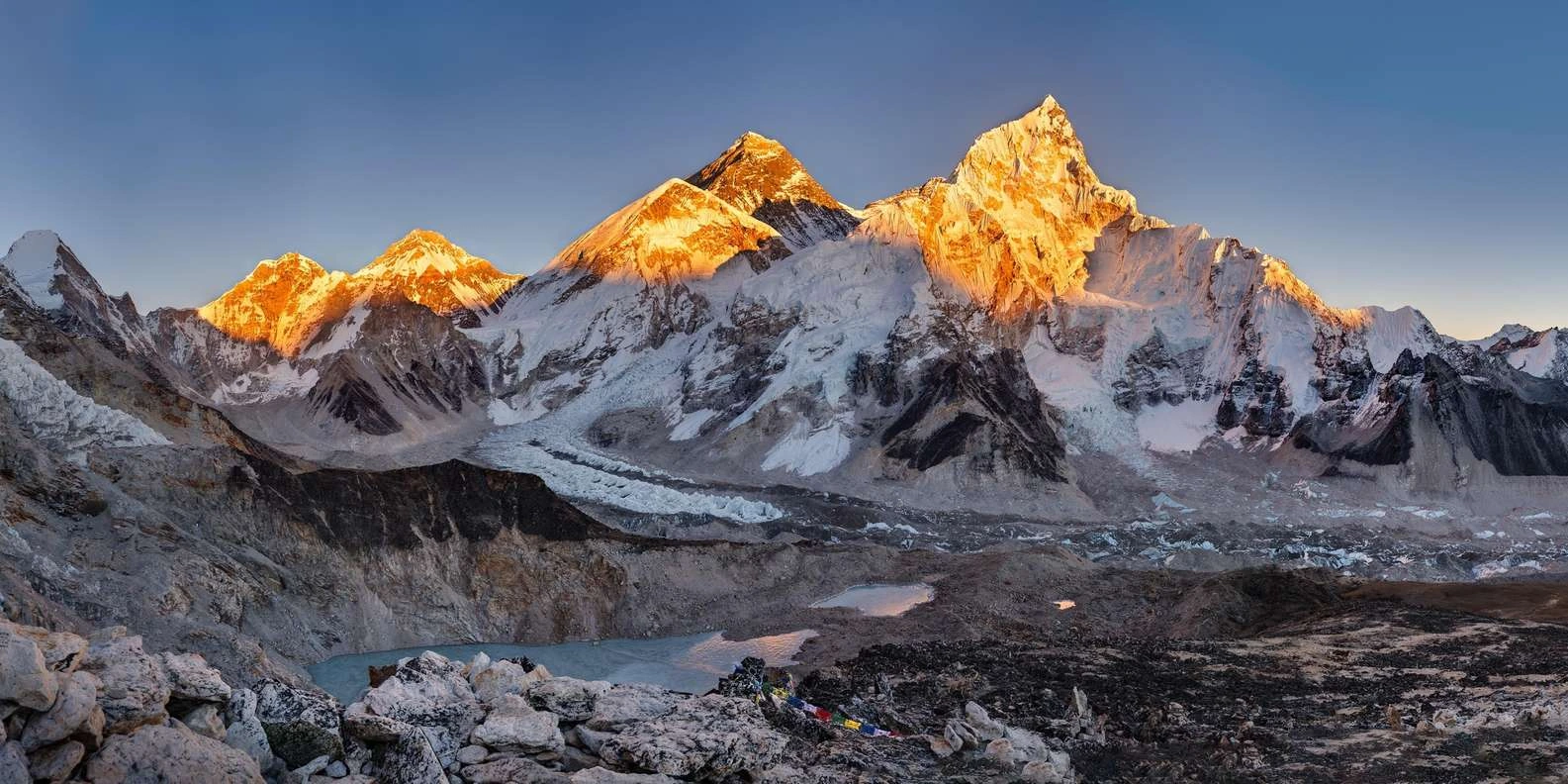
Kala Patthar (5,545 m) offers the best panoramic views of Mount Everest.
Will I visit Everest Base Camp?
Yes. The itinerary includes a visit to Everest Base Camp (5,364 m).
Will I visit Gokyo Lakes?
Yes. You’ll explore the beautiful Gokyo Lakes, hike Gokyo Ri (5,357 m), visit the Fifth Gokyo Lake, and cross the magnificent Ngozumpa Glacier.
Is altitude sickness common?
Altitude sickness can affect anyone. Our carefully designed itinerary includes proper acclimatization days and continuous health monitoring.
Are hot showers and Wi-Fi available?
Yes, both are available at most tea houses for an additional fee.
Is travel insurance compulsory?
Yes. Insurance covering high-altitude trekking and emergency helicopter evacuation is mandatory.
What is the best season for the Everest Three Pass Trek?
Spring (March–May) and Autumn (September–November) provide the safest conditions and the best mountain views.
Why Trek the Everest Three Passes with Himalayan Sherpa Exodus Team?
The Everest Three Pass Trek should not be understood simply as a longer variation of the Everest Base Camp trek. It is a complete exploration of the Khumbu’s interconnected valleys, high passes, glaciers, villages and mountain viewpoints.
Travelling with Himalayan Sherpa Exodus Team Treks & Expeditions Pvt. Ltd., the journey is approached with particular attention to gradual acclimatization, realistic walking pace, local knowledge, mountain safety, responsible travel practices and meaningful engagement with the communities through which the trail passes.
From the busy mountain streets of Namche to the silent landscape above Kongma La, from Everest Base Camp to the turquoise lakes of Gokyo, and from historic Thame back toward the lower Dudh Koshi Valley, every section contributes a different perspective on the Everest region.
For trekkers who wish not only to see Everest but to experience the wider geography, culture and scale of the Khumbu Himalaya, the Everest Three Pass Trek offers one of Nepal’s most rewarding high-mountain journeys.
Be Well Prepared for Your Trek in Nepal
Proper preparation is the key to a safe, comfortable, and enjoyable trekking experience in Nepal. Please use this equipment guide to prepare the essential clothing, footwear, personal items, health and safety gear, and other trekking necessities according to your chosen route and season.
Pack wisely, travel comfortably, and trek confidently with Himalayan Sherpa Exodus Team.