


Essential Trip Information
-
9 Days
-
Annapurna
-
2+
-
 4500M
-
 Moderate
-
Spring (Mar - May) Autumn (Sep- Nov)
-
Nepal
Extend Your Trip
Best Time to Trek
The 9 Days Mardi Himal Trek can be undertaken during several seasons, but spring (March to May) and autumn (September to November) are generally considered the most favorable periods.
Spring : brings pleasant temperatures, clearer mountain views, and colorful rhododendron forests along the lower sections of the trail. The hills are especially attractive during this season as the forests come alive with blooming flowers.
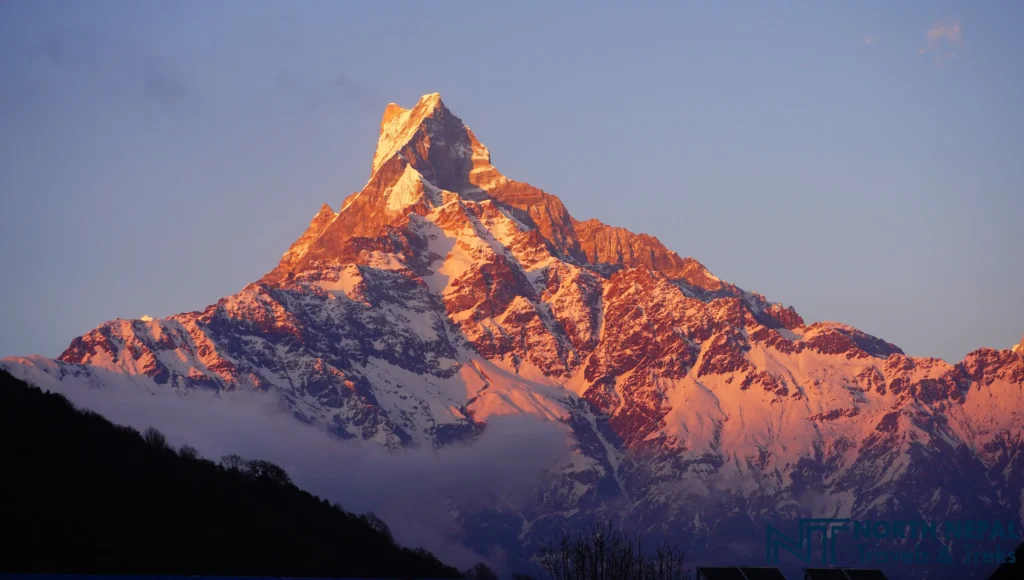
Autumn : is another excellent period, offering generally stable weather, comfortable trekking conditions, and excellent visibility of the Himalayan peaks. The crisp atmosphere often provides beautiful views of Mardi Himal, Machhapuchhre (Fishtail), Annapurna South, and Hiunchuli.
Winter (December to February) : is possible for experienced trekkers, but temperatures can become very cold at higher elevations, and snowfall may affect the upper trail and viewpoint areas.
Monsoon (June to August) : brings frequent rainfall, slippery trails, clouds, and possible road disruptions. However, trekkers who enjoy quieter trails and lush green landscapes may still consider the trek with appropriate preparation and flexible planning.
For the best overall experience, spring and autumn are the recommended seasons.
Trek Difficulty
The 9 Days Mardi Himal Trek is generally considered a moderate-level trek. It is suitable for travelers with a reasonable level of fitness and some preparation for consecutive days of walking in mountainous terrain.
The trek begins at a relatively lower elevation and gradually climbs through forested trails before reaching the higher mountain environment around High Camp (3,550m). The most physically demanding part is the early morning hike toward the Mardi Himal Viewpoint at around 4,200m, with the possibility of continuing toward the Mardi Himal Base Camp area at approximately 4,500m, depending on weather, trail conditions, and the group’s physical condition. Trekkers should be prepared for:
- Walking approximately 5–8 hours on the main trekking days.
- Regular uphill and downhill sections.
- Uneven, rocky, and sometimes narrow mountain trails.
- Colder temperatures at higher elevations.
- A longer and more demanding viewpoint day.
- Reduced oxygen levels as the altitude increases.
No technical climbing skills are required for this trek. However, good physical fitness, proper pacing, suitable trekking gear, and a positive attitude will make the journey more enjoyable.
We recommend regular walking, hiking, stair climbing, or cardiovascular exercise in the weeks leading up to the trek. If you are not accustomed to high-altitude environments, taking the trek at a comfortable pace and following your guide’s recommendations is especially important.
Acclimatization & Altitude Sickness
Although the 9 Days Mardi Himal Trek is a relatively short Himalayan journey, the route reaches a significant elevation, with the highest point of the itinerary potentially reaching around 4,200m at the viewpoint and approximately 4,500m in the Mardi Himal Base Camp area.
The itinerary is arranged with a gradual increase in elevation, allowing trekkers to adapt as they move from Pokhara toward Low Camp and High Camp. However, because the trek is relatively compact, trekkers should still take altitude awareness seriously.
Altitude sickness, also known as Acute Mountain Sickness (AMS), can affect anyone regardless of age, fitness, or previous trekking experience. Common symptoms may include headache, dizziness, nausea, unusual tiredness, loss of appetite, and difficulty sleeping. To reduce the risk of altitude-related problems:
- Walk slowly and maintain a comfortable pace.
- Drink sufficient water throughout the day.
- Avoid excessive alcohol and smoking at higher elevations.
- Eat regular, nutritious meals.
- Allow your body time to adjust to increasing altitude.
- Inform your guide immediately if you experience unusual symptoms.
- Never ignore worsening altitude sickness symptoms.
- Follow your guide’s advice regarding ascending, resting, or descending.
Our trekking guides are experienced in Himalayan environments and will monitor the group’s condition throughout the journey. If a trekker develops serious symptoms, the safety of the individual will always take priority, and the trekking plan may be adjusted accordingly.
Important: There is no absolute way to predict who will experience altitude sickness. Trekkers should consult a qualified medical professional before the trip if they have concerns about high-altitude travel or existing medical conditions. A comprehensive travel insurance policy that covers high-altitude trekking and emergency evacuation is strongly recommended.
Himalayan Culture & Local Heritage
The 9 Days Mardi Himal Trek offers more than mountain scenery; it also provides an opportunity to experience the everyday life, traditions, and hospitality of the people living in the hills of the Annapurna region.
As the trail passes through small settlements and mountain communities, trekkers can observe traditional farming practices, local homes, community life, and the warm hospitality that is an important part of rural Nepal. The region is culturally diverse, with communities including Gurung and other Himalayan ethnic groups, each contributing to the area’s unique traditions and identity.
Unlike some longer Himalayan routes, the Mardi Himal trail is not primarily known for large historic monasteries. Instead, its cultural charm comes from village life, local traditions, community-based teahouses, and the spiritual atmosphere of the Himalayan landscape. You may encounter small shrines, prayer flags, mani stones, and other elements of local Buddhist and Hindu traditions along the route.
Travelers are encouraged to respect local customs, ask permission before photographing people, and appreciate the culture with an open mind. Our guides can help explain local traditions and introduce you to the cultural aspects of the communities we pass through.
Preparation Guide
Good preparation can make your Mardi Himal Trek safer, more comfortable, and more enjoyable. Although this is a moderate trek, the route includes several hours of walking each day and reaches elevations above 4,000 meters.
We recommend beginning physical preparation several weeks before departure. Regular walking, hiking, stair climbing, jogging, or other cardiovascular activities can help improve endurance. Including some uphill walking in your training is particularly useful.
Before arriving in Nepal, make sure your trekking equipment is ready and suitable for changing mountain conditions. Comfortable, well-broken-in trekking shoes are especially important.
You should also:
- Prepare for 5–8 hours of walking on trekking days.
- Build endurance through regular walking or hiking.
- Carry only essential personal items in your daypack.
- Bring suitable layers for both warm and cold conditions.
- Keep important documents and travel insurance details accessible.
- Inform your trekking company about any relevant medical concerns.
- Maintain a positive attitude and be prepared for changes in weather or trail conditions.
- Avoid rushing and follow your guide’s recommended pace.
A flexible mindset is valuable in the Himalayas, where weather, road conditions, and local circumstances can occasionally affect travel plans.
Weather & Climate
The Mardi Himal region experiences noticeable changes in temperature and weather as the trail climbs from Pokhara toward the higher elevations.
During spring (March to May), lower elevations are generally pleasant, while the forests become especially beautiful with blooming rhododendrons. Days are often comfortable for trekking, although temperatures become cooler at higher elevations.
Autumn (September to November) generally provides stable conditions and excellent mountain visibility. Daytime trekking temperatures are usually comfortable, while mornings and evenings at higher elevations can be cold.
Winter (December to February) brings colder temperatures, particularly around High Camp and the upper viewpoint. Snowfall may occur at higher elevations, and the upper trail can become more challenging.
During the monsoon season (June to August), rainfall is common. Trails can become muddy and slippery, clouds may obscure mountain views, and road travel can occasionally be affected by landslides or poor conditions.
Weather in the mountains can change quickly, so trekkers should always carry appropriate layers and rain protection regardless of the season.
Accommodation
Accommodation during the 9 Days Mardi Himal Trek is generally provided in comfortable local teahouses and mountain lodges.
In Kathmandu and Pokhara, accommodation is arranged in a comfortable hotel on a twin-sharing basis, according to the selected package. During the trekking section, accommodation is usually in simple but welcoming teahouses operated by local families.
Teahouse facilities become more basic as you travel toward higher elevations. Rooms generally have beds and blankets, although additional sleeping bags are recommended for colder conditions. Bathrooms may be shared, particularly at higher elevations.
The purpose of teahouse accommodation is not luxury but the opportunity to rest in a warm, local environment while supporting the communities along the trekking route.
Meals During the Trek
Meals are an important part of the trekking experience, and we provide nourishing food designed to support your energy throughout the journey.
During the trek, you can generally enjoy a selection of local and familiar dishes, depending on the availability of ingredients at each lodge. Typical meals may include:
- Dal Bhat with rice, lentils, and seasonal vegetables
- Noodles and pasta
- Rice and vegetable dishes
- Soups
- Tibetan-style bread
- Eggs and simple breakfast items
- Porridge or cereal
- Tea and coffee
Dal Bhat is a popular choice among trekkers because it provides a filling and balanced meal that can help maintain energy during long walking days.
Food choices become more limited at higher elevations due to transportation and supply conditions. We recommend eating regular meals and choosing nutritious, easily digestible foods during the trek.
Drinking Water
Staying properly hydrated is essential during the Mardi Himal Trek, especially as you gain altitude.
Safe drinking water can generally be obtained from teahouses and local sources, but trekkers should use appropriate purification methods. Depending on availability, you may purchase bottled water or refill your bottle with treated water.
To reduce plastic waste, we strongly encourage trekkers to carry a reusable water bottle or hydration bladder and use water purification tablets, drops, or a reliable filtration system.
It is advisable to drink regularly throughout the day rather than waiting until you feel thirsty. Your guide can help advise you about water availability and suitable refill points along the trail.
Internet & Charging
Internet and mobile connectivity can be limited as you move farther into the mountains.
In Kathmandu and Pokhara, reliable internet access is generally available at hotels and restaurants. Along the trekking route, Wi-Fi may be available at some teahouses, although the connection can be slower and may require an additional fee.
Electricity is available at many lodges, but charging facilities may be limited, especially during busy periods. Charging may also involve an additional cost at higher elevations.
We recommend carrying:
- A power bank
- Spare batteries for cameras
- Necessary charging cables
- A universal travel adapter
- A headlamp with extra batteries
Do not rely entirely on internet connectivity during the trek. Enjoying some time away from digital distractions is part of the Himalayan experience.
Travel Insurance
Comprehensive travel insurance is strongly recommended for everyone joining the 9 Days Mardi Himal Trek.
Your insurance should ideally cover:
- Trekking activities at the maximum altitude of your planned route
- Emergency medical treatment
- Hospitalization
- Emergency evacuation, including helicopter evacuation where medically necessary
- Trip cancellation or interruption
- Lost, stolen, or delayed baggage
- Travel delays and unforeseen disruptions
Before your journey, carefully check your policy to confirm that it specifically covers high-altitude trekking in Nepal and the maximum elevation you expect to reach.
Please carry a copy of your insurance policy and emergency contact information with you. Our team can assist with coordination in an emergency, but any evacuation or medical expenses must be covered according to your insurance arrangements and policy terms.
Packing List
The following items are recommended for the Mardi Himal Trek:
Clothing
- Moisture-wicking trekking T-shirts
- Long-sleeved shirt
- Fleece or warm mid-layer
- Down or insulated jacket
- Waterproof and windproof jacket
- Comfortable trekking trousers
- Thermal inner layers
- Warm hat and sun hat
- Lightweight gloves
- Warm socks and spare pairs
Footwear
- Well-fitting trekking boots with good grip
- Comfortable camp shoes or sandals
- Spare trekking socks
Trekking Equipment
- Comfortable daypack
- Duffel bag for your main trekking luggage
- Sleeping bag suitable for cold mountain conditions
- Trekking poles
- Headlamp with spare batteries
- Sunglasses with UV protection
- Water bottle or hydration bladder
- Water purification tablets or filtration system
Personal Items
- Sunscreen and lip balm with SPF
- Personal toiletries
- Small first-aid kit
- Personal medications
- Hand sanitizer
- Quick-drying towel
- Toilet paper and basic hygiene supplies
- Power bank
- Camera and accessories
Documents
- Passport
- Nepal visa or visa-related documents
- Travel insurance details
- Trekking permits and related documents, as arranged by the company
Pack according to the season and remember that lighter luggage makes trekking more comfortable.
Safety Measures
The safety and well-being of our guests are among our highest priorities. Our trekking team follows practical safety procedures throughout the journey.
Key safety considerations include:
- Trek at a steady and comfortable pace.
- Follow the instructions of your experienced trekking guide.
- Stay with the group and avoid walking alone on unfamiliar trails.
- Drink enough water and maintain regular nutrition.
- Inform your guide immediately about any health concerns.
- Take altitude-related symptoms seriously.
- Carry suitable clothing for sudden weather changes.
- Use trekking poles on steep or uneven sections if helpful.
- Keep your valuables and important documents secure.
- Follow local trail and environmental guidelines.
- Avoid unnecessary risk-taking for photographs.
- Carry a personal travel insurance policy covering emergency evacuation.
Our guides regularly monitor weather and trail conditions and can adjust the itinerary when necessary. In the event of a serious health problem or emergency, the trekking team will coordinate appropriate assistance and evacuation procedures.
The mountain environment can be unpredictable, so responsible decision-making and cooperation between trekkers and guides are essential for a safe journey.
Frequently Asked Questions (FAQ)
1. How difficult is the 9 Days Mardi Himal Trek?
The trek is generally considered moderate in difficulty. You should be comfortable walking for approximately 5–8 hours on several days, with some steep ascents and descents. Good physical fitness and preparation are recommended.
2. What is the highest point of the trek?
The itinerary can reach approximately 4,200m at the Mardi Himal Viewpoint. If trail conditions, weather, and the group’s physical condition allow, the trek may continue toward the Mardi Himal Base Camp area at around 4,500m.
3. Do I need previous trekking experience?
Previous high-altitude trekking experience is not essential. However, you should have reasonable physical fitness and be prepared for several consecutive days of mountain walking.
4. What is the best season for this trek?
Spring (March–May) and autumn (September–November) are generally the best seasons for stable weather and good mountain visibility. Winter is colder, while the monsoon season can bring rain and slippery trails.
5. Is altitude sickness a concern?
Yes. Since the route reaches above 4,000m, altitude sickness is possible. Walking slowly, staying hydrated, avoiding rapid ascent, and immediately reporting symptoms to your guide are important precautions.
6. What type of accommodation is available?
Accommodation is provided in hotels in Kathmandu and Pokhara and in local teahouses or lodges during the trek. Facilities become more basic at higher elevations.
7. Are private rooms available?
Private rooms may be available at some lodges, depending on availability and the season. At busier or higher-altitude locations, shared accommodation may be necessary.
8. Is Wi-Fi available during the trek?
Wi-Fi may be available at some teahouses, but the service can be slow, limited, or subject to additional charges. Connectivity should not be relied upon throughout the trek.
9. Can I charge my phone and camera?
Charging facilities are available at many lodges, usually for an additional fee. Carrying a power bank is strongly recommended.
10. Is safe drinking water available?
Yes. Trekkers can obtain drinking water from lodges and refill points, but purification is recommended. Carrying a reusable bottle and personal purification system is encouraged.
11. What happens if I become sick during the trek?
Your guide will monitor your condition and help determine the safest course of action. Depending on the seriousness of the situation, the itinerary may be adjusted, and emergency evacuation may be coordinated when necessary.
12. Do I need travel insurance?
Yes. Comprehensive travel insurance covering trekking at the planned altitude, medical treatment, and emergency evacuation is strongly recommended.
13. Can the itinerary change?
Yes. Mountain weather, trail conditions, road disruptions, local circumstances, or health and safety concerns may occasionally require adjustments. Our team prioritizes safety and will make reasonable changes when necessary.
14. Is the Mardi Himal Trek suitable for solo travelers?
Yes. Solo travelers are welcome to join the trek. A private guide and porter arrangement can be organized, or you may request a suitable group departure, depending on availability.
15. Why choose Himalayan Sherpa Exodus Team Treks & Expeditions Pvt. Ltd.?
We focus on providing a well-organized and responsible trekking experience supported by experienced local guides and staff. Our goal is to combine safety, genuine local interaction, responsible tourism, and meaningful Himalayan experiences while helping our guests enjoy the natural beauty of the Mardi Himal region.
Be Well Prepared for Your Trek in Nepal
Proper preparation is the key to a safe, comfortable, and enjoyable trekking experience in Nepal. Please use this equipment guide to prepare the essential clothing, footwear, personal items, health and safety gear, and other trekking necessities according to your chosen route and season.
Pack wisely, travel comfortably, and trek confidently with Himalayan Sherpa Exodus Team.