Kanchenjunga Circuit Trek
Trip Overview
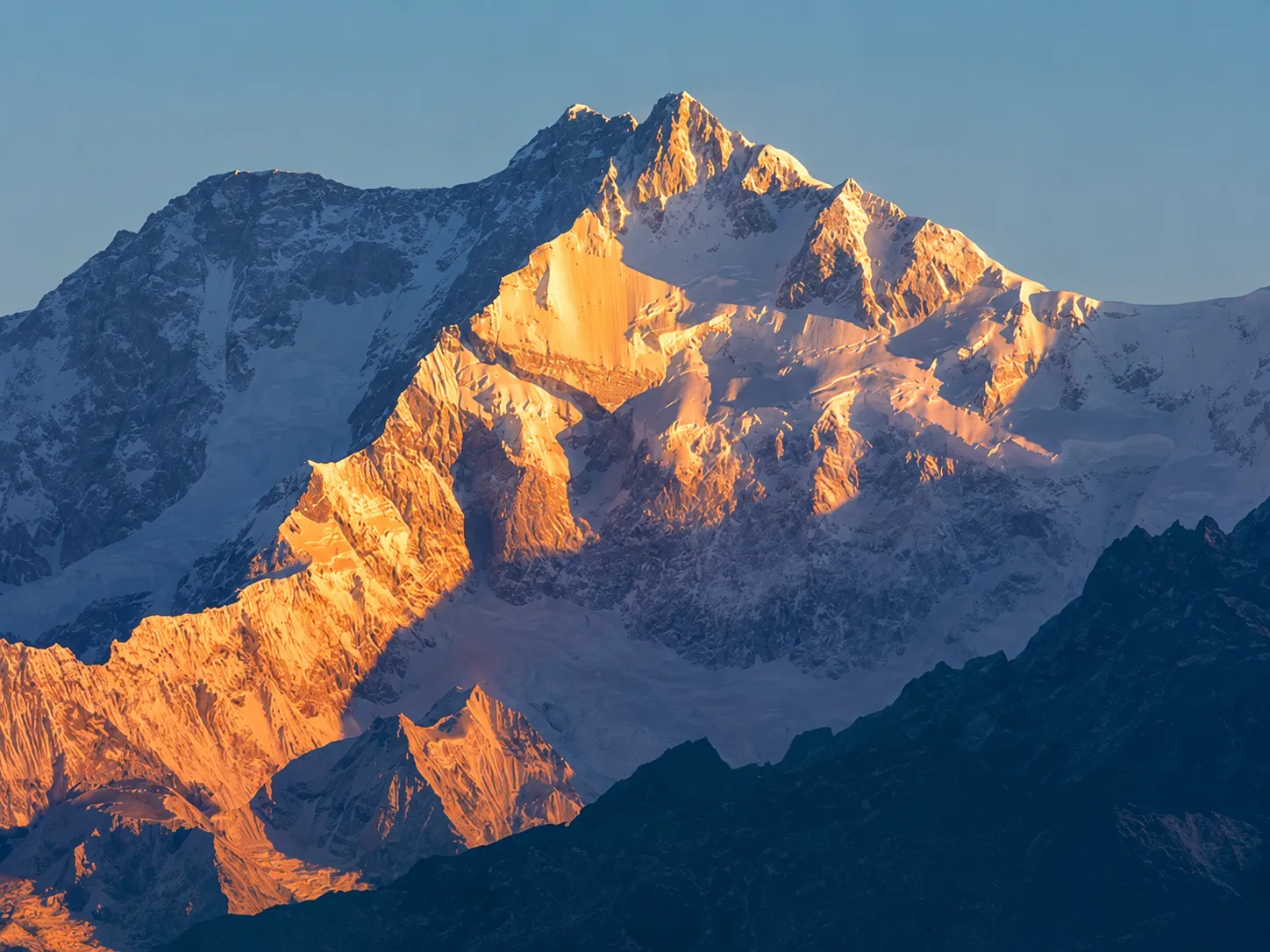
The 21 Days Kanchenjunga Circuit Trek is one of Nepal’s most rewarding wilderness adventures, taking you deep into the untouched landscapes surrounding Mt. Kanchenjunga (8,586 m)—the world’s third-highest mountain. Designed for experienced trekkers seeking a genuine Himalayan journey, this expedition combines remote mountain trails, high alpine passes, dramatic glaciers, and authentic Himalayan culture in one unforgettable circuit.
Unlike Nepal’s more crowded trekking routes, the Kanchenjunga region remains peaceful and unspoiled, allowing travelers to experience nature in its purest form. The trail winds through ancient forests, traditional Rai, Limbu, and Tibetan-influenced villages, colorful rhododendron valleys, and breathtaking alpine terrain before reaching both the spectacular North Base Camp (Pangpema) and South Base Camp (Oktang). Along the way, trekkers enjoy magnificent views of Kanchenjunga, Jannu (Kumbhakarna), Kabru, Rathong, and numerous snow-covered Himalayan giants.
This carefully crafted itinerary also includes an ascent to Drohmo Ri (6,100 m), a visit to Jannu Base Camp, and the scenic crossing of the Selele Pass route, making the adventure even more diverse and rewarding. Every day offers changing landscapes, rich wildlife, peaceful monasteries, glacier-fed rivers, and unforgettable mountain panoramas.
Organized by Himalayan Sherpa Exodus Team Treks & Expeditions Pvt. Ltd., this trek is professionally designed with proper acclimatization, experienced local guides, and reliable logistics, ensuring a safe, comfortable, and memorable journey through one of the Himalayas’ last true wilderness regions.
Trip Highlights
Trip Highlights
- Explore Nepal's Last Great Himalayan Wilderness: Journey through one of Nepal's most isolated trekking regions where peaceful trails, untouched valleys, and authentic mountain life create an extraordinary off-the-beaten-path adventure.
- Visit Both North & South Kanchenjunga Base Camps: Experience the rare opportunity to stand at Pangpema (North Base Camp) and Oktang (South Base Camp), each offering breathtaking perspectives of the magnificent Kanchenjunga Massif.
- Climb Drohmo Ri (6,100 m): Challenge yourself with an exciting ascent to Drohmo Ri, rewarding you with spectacular panoramic views of Kanchenjunga, surrounding glaciers, and countless Himalayan peaks.
- Discover Jannu (Kumbhakarna) Base Camp: Visit the dramatic base of the legendary Jannu Peak (7,710 m), admired worldwide for its steep rock faces and one of the Himalayas' most impressive mountain landscapes.
- Cross the Scenic Selele High Pass Route: Traverse the beautiful Selele, Sinion La 4400M, Mirgin La 4663M, and Sinelapche Bhanjyang 4785M Passes, where breathtaking mountain ridges, prayer flags, and endless alpine scenery create unforgettable trekking moments.
- Experience Rich Himalayan Nature & Wildlife: Walk through the protected Kanchenjunga Conservation Area, home to vibrant rhododendron forests, bamboo groves, alpine meadows, rare wildlife, colorful birds, and pristine glacier-fed rivers.
- Immerse Yourself in Local Culture & Mountain Traditions: Meet welcoming Limbu, Rai, Sherpa, and Tibetan Buddhist communities while exploring traditional villages, ancient monasteries, mani walls, prayer wheels, and centuries-old Himalayan customs.
- Witness Ever-Changing Himalayan Landscapes: From subtropical valleys and terraced hillsides to towering glaciers, frozen lakes, rugged moraines, and snow-covered peaks, every stage of the trek reveals a completely new natural environment unlike anywhere else in Nepal.
Day 01 :
Arrival in Kathmandu
Route: Tribhuvan International Airport → Hotel
- Starting Altitude: 1,400 m / 4,593 ft
- Ending Altitude: 1,400 m / 4,593 ft
- Driving Distance: 6–8 km
- Driving Duration: 20–30 minutes
- Walking Distance: Optional short walk around Thamel
Welcome to Nepal! Upon your arrival at Tribhuvan International Airport, a representative from Himalayan Sherpa Exodus Team Treks & Expeditions Pvt. Ltd. will warmly receive you and transfer you to your hotel in Kathmandu. After check-in, you can relax or explore the lively streets of Thamel, known for its trekking shops, restaurants, and cafés. In the evening, attend a trek briefing where your guide will review the itinerary, permits, equipment, weather conditions, and important safety information before the adventure begins.
Day 02 :
Fly from Kathmandu to Bhadrapur, then Drive to Taplejung
Route: Kathmandu → Bhadrapur → Taplejung
- Flight Distance: Approx. 300 km
- Flight Duration: 45 minutes
- Starting Altitude: 1,400 m / 4,593 ft
- Bhadrapur Altitude: 91 m / 299 ft
- Ending Altitude: 1,820 m / 5,971 ft
- Driving Distance: Approx. 240 km
- Driving Duration: 8–9 hours
- Walking Distance: Minimal
Take a scenic morning flight from Kathmandu to Bhadrapur, enjoying aerial views of eastern Nepal and the Himalayan range. Upon landing, begin a picturesque drive through tea gardens, fertile hills, traditional villages, and winding mountain roads toward Taplejung, the gateway to the Kanchenjunga region. After reaching Taplejung, settle into your lodge and prepare for the trekking adventure ahead.
Day 03 :
Spare Day in Taplejung
Location: Taplejung
- Altitude: 1,820 m / 5,971 ft
- Walking Distance: Optional 2–5 km
- Walking Duration: 1–2 hours (optional)
This day is reserved as a contingency in case of flight or road delays. If everything goes according to schedule, you can use the day to explore Taplejung Bazaar, visit nearby monasteries or temples, organize trekking equipment, and rest before heading into the remote Himalayan wilderness. Your guide will complete final permit checks and ensure everyone is ready for the trek.
Day 04 :
Drive from Taplejung to Sekathum
Route: Taplejung → Sekathum
- Starting Altitude: 1,820 m / 5,971 ft
- Ending Altitude: 1,585 m / 5,200 ft
- Driving Distance: Approx. 38 km
- Driving Duration: 4–5 hours
- Walking Distance: Minimal
After breakfast, leave Taplejung by shared jeep or private four-wheel drive, following rugged mountain roads through villages, waterfalls, terraced farmland, and dense forests. The journey offers beautiful views of deep river valleys and remote settlements before reaching Sekathum, the official starting point of your Kanchenjunga Circuit Trek. Overnight at a local teahouse beside the Tamor River.
Day 05 :
Trek from Sekathum to Amjilosa
Route: Sekathum → Amjilosa
- Starting Altitude: 1,585 m / 5,200 ft
- Ending Altitude: 2,396 m / 7,861 ft
- Walking Distance: Approx. 11 km
- Walking Duration: 6–7 hours
Your trekking adventure officially begins today. Follow the scenic Ghunsa Khola through dense subtropical forests, crossing several suspension bridges while passing waterfalls and narrow cliff-side trails. The route gradually climbs through peaceful landscapes and small settlements before reaching the quiet village of Amjilosa, where you'll spend the night surrounded by pristine mountain scenery.
Day 06 :
Trek from Amjilosa to Gyabla
Route: Amjilosa → Gyabla
- Starting Altitude: 2,396 m / 7,861 ft
- Ending Altitude: 2,730 m / 8,957 ft
- Walking Distance: Approx. 8 km
- Walking Duration: 4–5 hours
Today's trail ascends gently through beautiful forests filled with rhododendron, pine, bamboo, and oak trees. As you gain elevation, the vegetation gradually changes and the mountain views become more impressive. Along the way, keep an eye out for Himalayan wildlife, including colorful pheasants and, if fortunate, the elusive red panda. Arrive at the traditional Tibetan-influenced village of Gyabla for an overnight stay.
Day 07 :
Trek from Gyabla to Ghunsa
Route: Gyabla → Phale → Ghunsa
- Starting Altitude: 2,730 m / 8,957 ft
- Ending Altitude: 3,417 m / 11,211 ft
- Walking Distance: Approx. 10 km
- Walking Duration: 4–5 hours
Continue trekking through magnificent forests and open valleys while following the Ghunsa River upstream. Pass the traditional village of Phale, where local Tibetan communities preserve centuries-old customs and Buddhist traditions. Prayer flags, mani walls, and chortens begin appearing more frequently as you approach Ghunsa, the largest settlement in the upper valley. Ghunsa is a beautiful Sherpa village surrounded by towering Himalayan peaks and serves as an important acclimatization stop before heading to higher elevations.
Day 08 :
Acclimatization Day in Ghunsa
Location: Ghunsa
- Starting & Ending Altitude: 3,417 m / 11,211 ft
- Hiking Distance: 5–8 km (Optional Acclimatization Hike)
- Walking Duration: 3–4 hours
Today is dedicated to proper acclimatization before ascending to higher elevations. Following the principle of "climb high, sleep low," you'll take a short hike to nearby viewpoints or surrounding hills above Ghunsa before returning to the village. This gradual ascent helps your body adapt to the increasing altitude while reducing the risk of Acute Mountain Sickness (AMS). Spend the afternoon exploring the traditional Sherpa village, visiting the local monastery, and enjoying spectacular views of surrounding snow-capped peaks. Overnight at a teahouse in Ghunsa.
Day 09 :
Trek from Ghunsa to Khambachen
Route: Ghunsa → Khambachen
- Starting Altitude: 3,417 m / 11,211 ft
- Ending Altitude: 4,050 m / 13,287 ft
- Hiking Distance: Approx. 11 km
- Walking Duration: 4–5 hours
After breakfast, continue following the Ghunsa Khola through alpine meadows, glacial valleys, and rocky landscapes. The trail gradually climbs above the tree line, offering magnificent views of Jannu (Kumbhakarna), Mera Peak, and surrounding Himalayan giants. Keep an eye out for blue sheep, Himalayan birds, and other wildlife that inhabit the high alpine region. Arrive at the peaceful settlement of Khambachen, surrounded by dramatic mountain scenery, and rest for the night.
Day 10 :
Trek from Khambachen to Lhonak
Route: Khambachen → Ramtang → Lhonak
- Starting Altitude: 4,050 m / 13,287 ft
- Ending Altitude: 4,780 m / 15,682 ft
- Hiking Distance: Approx. 10 km
- Walking Duration: 4–6 hours
Today's trek leads through rugged glacial terrain as you ascend toward the remote settlement of Lhonak. Walk alongside the Kanchenjunga Glacier while crossing rocky moraines and wide alpine plains surrounded by towering snow-covered peaks. The scenery becomes increasingly dramatic as vegetation disappears and the landscape transforms into a true Himalayan wilderness. Upon arrival in Lhonak, enjoy breathtaking views of surrounding glaciers and prepare for tomorrow's journey to Kanchenjunga North Base Camp.
Day 11 :
Trek to Pangpema (Kanchenjunga North Base Camp) and Return to Lhonak
Route: Lhonak → Pangpema (North Base Camp) → Lhonak
- Starting & Ending Altitude: 4,780 m / 15,682 ft
- Highest Altitude: 5,143 m / 16,873 ft
- Hiking Distance: Approx. 18 km (Round Trip)
- Walking Duration: 6–8 hours
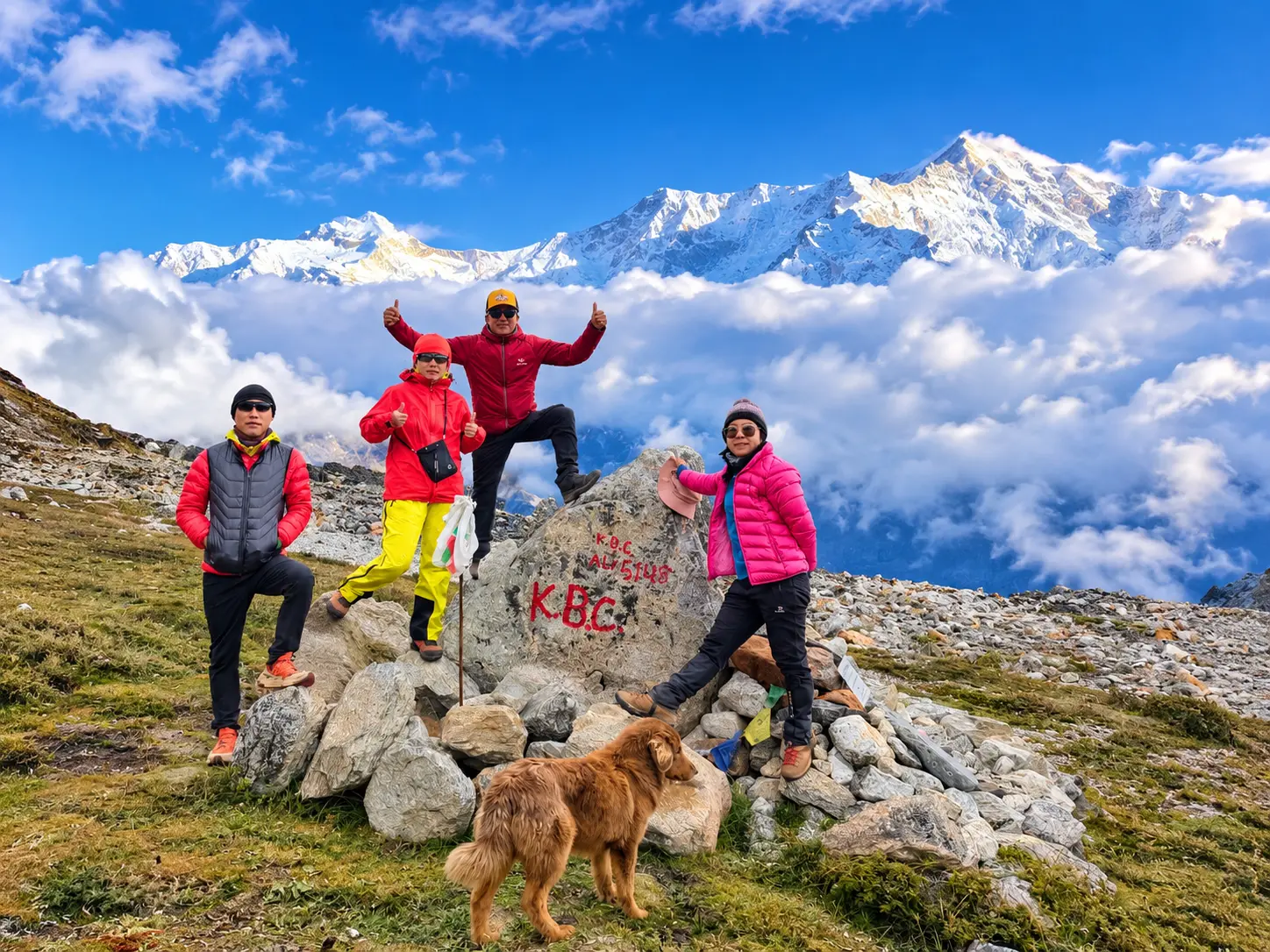
Today is one of the most spectacular days of the expedition. Begin with a gradual ascent across glacial moraine and rocky terrain toward Pangpema (Kanchenjunga North Base Camp). Upon reaching the base camp, enjoy unforgettable panoramic views of Mt. Kanchenjunga (8,586 m), Chang Himal, Wedge Peak, Nepal Peak, and the immense Kanchenjunga Glacier. Spend time photographing the incredible Himalayan scenery before retracing your steps back to Lhonak for an overnight stay.
Day 12 :
Summit Drohmo Ri and Return to Lhonak
Route: Lhonak → Drohmo Ri Summit → Lhonak
- Starting & Ending Altitude: 4,780 m / 15,682 ft
- Highest Altitude: 6,100 m / 20,013 ft
- Hiking Distance: Approx. 12 km (Round Trip)
- Walking Duration: 8–10 hours
Start before sunrise for an exciting alpine ascent to Drohmo Ri (6,100 m), one of the finest viewpoints in the Kanchenjunga region. The challenging climb rewards determined trekkers with breathtaking 360-degree views of Kanchenjunga, Jannu, Tent Peak, Nepal Peak, Twins, and countless snow-covered Himalayan summits stretching into Tibet and Nepal. After celebrating your achievement and capturing unforgettable photographs, descend carefully to Lhonak for a well-earned overnight rest.
Day 13 :
Trek from Lhonak to Khambachen
Route: Lhonak → Khambachen
- Starting Altitude: 4,780 m / 15,682 ft
- Ending Altitude: 4,050 m / 13,287 ft
- Hiking Distance: Approx. 10 km
- Walking Duration: 4–5 hours
Enjoy a relaxed morning before leaving Lhonak and retracing your route down the beautiful glacial valley. As you descend, the increasing oxygen levels make walking more comfortable while offering fresh perspectives of the towering peaks and rugged mountain landscapes. Return to Khambachen for an overnight stay surrounded by spectacular Himalayan scenery.
Day 14 :
Visit Jannu Base Camp and Trek to Ghunsa
Route: Khambachen → Jannu Base Camp → Ghunsa
- Starting Altitude: 4,050 m / 13,287 ft
- Jannu Base Camp Altitude: Approx. 4,700 m / 15,420 ft
- Ending Altitude: 3,417 m / 11,211 ft
- Hiking Distance: Approx. 16–18 km
- Walking Duration: 7–9 hours
Leave Khambachen early and follow a scenic trail toward the impressive Jannu (Kumbhakarna) Base Camp, located beneath one of the Himalayas' most spectacular and technically challenging mountains. The dramatic rock walls, hanging glaciers, and breathtaking alpine scenery make this a truly unforgettable side excursion. After spending time enjoying the remarkable views and taking photographs, descend back to the main trail and continue trekking through the beautiful valley to the traditional Sherpa village of Ghunsa, where you'll spend the night preparing for the next stage of the Kanchenjunga Circuit.
Day 15 :
Trek from Ghunsa to Selele High Camp
Route: Ghunsa → Selele High Camp
- Starting Altitude: 3,417 m / 11,211 ft
- Ending Altitude: 4,200 m / 13,780 ft (corrected altitude)
- Hiking Distance: Approx. 8 km
- Walking Duration: 3–5 hours
After breakfast, leave Ghunsa and gradually ascend through beautiful rhododendron and juniper forests before entering the open alpine landscape. As the trail climbs above the tree line, enjoy increasingly spectacular views of Jannu (Kumbhakarna), Makalu, and surrounding Himalayan peaks. Selele High Camp is situated on a scenic mountain ridge, offering breathtaking sunset and sunrise panoramas. Overnight at a basic mountain teahouse.
Day 16 :
Trek from Selele High Camp to Tseram via Three High Passes
Route: Selele High Camp → Sinion La → Mirgin La → Sinelapche Pass → Tseram
- Starting Altitude: 4,200 m / 13,780 ft
- Highest Altitude: Mirgin La Pass (Approx. 4,663 m / 15,298 ft)
- Ending Altitude: 3,870 m / 12,697 ft
- Hiking Distance: Approx. 13 km
- Walking Duration: 7–8 hours
Today is one of the most scenic and rewarding days of the Kanchenjunga Circuit. Cross the spectacular mountain passes of Sinion La, Mirgin La, and Sinelapche Pass, where colorful prayer flags decorate the ridgelines and panoramic views stretch across Kanchenjunga, Makalu, Jannu, Kabru, and Everest on clear days. After enjoying the breathtaking scenery, descend through alpine meadows and rocky terrain to the peaceful village of Tseram for an overnight stay.
Day 17 :
Trek from Tseram to Ramche
Route: Tseram → Ramche
- Starting Altitude: 3,870 m / 12,697 ft
- Ending Altitude: 4,580 m / 15,026 ft
- Hiking Distance: Approx. 9 km
- Walking Duration: 3–4 hours
Follow the beautiful Simbuwa Khola Valley through alpine grasslands and glacial landscapes as you gradually climb toward Ramche. The trail offers magnificent views of Yalung Glacier, Kokthang Glacier, and the surrounding Himalayan peaks. Upon reaching Ramche, relax and prepare for tomorrow's unforgettable visit to Kanchenjunga South Base Camp.
Day 18 :
Trek to Oktang (Kanchenjunga South Base Camp) and Return to Tseram
Route: Ramche → Oktang (South Base Camp) → Tseram
- Starting Altitude: 4,580 m / 15,026 ft
- Highest Altitude: 4,730 m / 15,518 ft
- Ending Altitude: 3,870 m / 12,697 ft
- Hiking Distance: Approx. 16 km
- Walking Duration: 5–7 hours
Start early for the memorable hike to Oktang (Kanchenjunga South Base Camp). Walk beside the magnificent Yalung Glacier, passing glacial moraines and alpine terrain before reaching the spectacular viewpoint. Enjoy breathtaking panoramic views of Kanchenjunga South Face, Kabru, Rathong, Talung, Kokthang, and surrounding snow-covered peaks. After spending time soaking in the scenery and capturing photographs, descend to Tseram for a comfortable overnight stay.
Day 19 :
Trek from Tseram to Tortong
Route: Tseram → Tortong
- Starting Altitude: 3,870 m / 12,697 ft
- Ending Altitude: 2,995 m / 9,826 ft
- Hiking Distance: Approx. 11 km
- Walking Duration: 4–5 hours
Leave the high alpine environment behind as you descend through lush rhododendron forests, cascading waterfalls, and peaceful river valleys. The warmer temperatures and increasing vegetation create a refreshing contrast to the rugged high mountains. Arrive at the tranquil settlement of Tortong and enjoy a relaxing evening surrounded by nature.
Day 20 :
Trek from Tortong to Yamphudin (Yasang)
Route: Tortong → Yamphudin (Yasang)
- Starting Altitude: 2,995 m / 9,826 ft
- Ending Altitude: 2,144 m / 7,034 ft
- Hiking Distance: Approx. 14 km
- Walking Duration: 5–6 hours
Continue descending through beautiful forests of rhododendron, bamboo, and oak while crossing suspension bridges over rushing mountain rivers. Pass traditional villages where local Limbu and Rai communities continue their unique mountain lifestyle. Reach Yamphudin (also locally known as Yasang), one of the largest villages in the region, and enjoy the warm hospitality of the local people.
Day 21 :
Trek from Yamphudin (Yasang) to Hellok, then Drive to Taplejung
Route: Yamphudin → Hellok → Taplejung
- Starting Altitude: 2,144 m / 7,034 ft
- Hellok Altitude: Approx. 1,300 m / 4,265 ft
- Ending Altitude: 1,820 m / 5,971 ft
- Hiking Distance: Approx. 8 km
- Walking Duration: 2–3 hours
- Driving Distance: Approx. 42 km
- Driving Duration: 4–5 hours
Enjoy your final morning on the trail as you descend through terraced fields, charming villages, and lush hillsides to Hellok, where your waiting vehicle will meet the group. Drive along scenic mountain roads back to Taplejung while reflecting on the incredible journey through one of Nepal's most remote Himalayan regions. Celebrate the successful completion of the Kanchenjunga Circuit with your trekking team.
Day 22 :
Drive to Bhadrapur and Fly to Kathmandu
Route: Taplejung → Bhadrapur → Kathmandu
- Starting Altitude: 1,820 m / 5,971 ft
- Bhadrapur Altitude: 91 m / 299 ft
- Ending Altitude: 1,400 m / 4,593 ft
- Driving Distance: Approx. 240 km
- Driving Duration: 8–9 hours
- Flight Distance: Approx. 300 km
- Flight Duration: 45 minutes
After breakfast, begin the scenic drive through eastern Nepal's rolling hills, tea estates, and rural countryside to Bhadrapur Airport. Board your short flight back to Kathmandu while enjoying one final aerial view of the Himalayas. Upon arrival, transfer to your hotel and enjoy a well-deserved rest or spend the evening exploring Kathmandu.
Day 23 :
Spare Day in Kathmandu
Location: Kathmandu
- Altitude: 1,400 m / 4,593 ft
- Walking Distance: Optional sightseeing (3–6 km)
This additional day provides flexibility in case of weather-related flight delays from the mountains. If the trek proceeds as planned, you can enjoy sightseeing around Kathmandu's UNESCO World Heritage Sites, purchase souvenirs, relax at a café, or simply celebrate the successful completion of your Kanchenjunga adventure. In the evening, Himalayan Sherpa Exodus Team Treks & Expeditions Pvt. Ltd. can arrange a farewell dinner featuring authentic Nepali cuisine and cultural hospitality.
Route: Hotel → Tribhuvan International Airport
- Starting Altitude: 1,400 m / 4,593 ft
- Driving Distance: 6–8 km
- Driving Duration: 20–30 minutes
After breakfast, a representative from Himalayan Sherpa Exodus Team Treks & Expeditions Pvt. Ltd. will transfer you to Tribhuvan International Airport according to your international flight schedule. As your unforgettable 24 Days Kanchenjunga Circuit Trek comes to an end, depart Nepal with lifelong memories of pristine Himalayan landscapes, rich local cultures, spectacular glaciers, and the remarkable achievement of visiting both the North and South Base Camps of the world's third-highest mountain. We look forward to welcoming you back for your next Himalayan adventure.
Best Time to Trek
The Kanchenjunga Circuit Trek can be completed throughout much of the year, but the most rewarding seasons are spring (March to May) and autumn (late September to November), when weather conditions are generally stable and mountain views are at their finest.
Spring (March – May)
- Clear skies with comfortable daytime temperatures.
- Rhododendron forests bloom with vibrant colors.
- Excellent visibility of Kanchenjunga and surrounding peaks.
- Ideal season for photography and wildlife observation.
Autumn (Late September – November)
- Crisp mountain air and excellent visibility.
- Stable weather with minimal rainfall.
- Comfortable trekking conditions across high passes.
- Best season for panoramic Himalayan scenery.
Winter (December – February)
- Cold temperatures and snowfall at higher elevations.
- Suitable for experienced trekkers with proper winter equipment.
- Peaceful trails with very few visitors.
Monsoon (June – Early September)
- Heavy rainfall in lower regions and slippery trails.
- Possible landslides and transportation delays.
- Lush green landscapes but limited mountain visibility.
Bhadrapur Flight Information
Most Kanchenjunga Circuit Treks begin with a 45-minute domestic flight from Kathmandu to Bhadrapur, located in southeastern Nepal. After landing, travelers continue by private jeep to Taplejung, the main gateway to the Kanchenjunga region.
- Flight Duration: Approximately 45 minutes each way.
- Kathmandu Altitude: 1,400 m / 4,593 ft.
- Bhadrapur Altitude: 91 m / 299 ft.
- Drive to Taplejung: Approximately 240 km (8–9 hours).
- Morning flights are recommended because weather conditions are usually more stable.
- Flight schedules may occasionally change or be delayed due to weather or air traffic conditions, so this itinerary includes contingency days for greater flexibility.
- All domestic flights are operated by Nepal’s certified airlines under Civil Aviation Authority regulations.
Trek Difficulty
The Kanchenjunga Circuit Trek is considered a challenging to strenuous Himalayan expedition, best suited for trekkers with previous high-altitude hiking experience and good physical fitness.
The route involves long trekking days, remote mountain trails, steep ascents and descents, rugged terrain, and several nights above 4,000 meters, with the highest trekking point reaching Drohmo Ri (6,100 m). Proper acclimatization, steady pacing, and experienced guidance are essential for a safe and enjoyable journey.
Although the trek does not require technical climbing skills, participants should be comfortable walking 5–8 hours per day over consecutive days while carrying a light daypack. With careful preparation and the support of Himalayan Sherpa Exodus Team Treks & Expeditions Pvt. Ltd., trekkers can confidently experience one of Nepal’s most spectacular and remote Himalayan adventures.
Acclimatization & Altitude Sickness
The Kanchenjunga Circuit Trek reaches elevations above 6,100 meters, making proper acclimatization essential for a safe and enjoyable journey. Our itinerary is carefully designed with gradual altitude gain and dedicated acclimatization days to help your body adjust naturally to the thinner mountain air.
Trekkers may experience mild symptoms of Acute Mountain Sickness (AMS), including headache, fatigue, dizziness, loss of appetite, nausea, or difficulty sleeping. These symptoms should never be ignored. Our experienced guides continuously monitor each trekker’s condition using a pulse oximeter and adjust the pace whenever necessary.
To reduce the risk of altitude sickness, we recommend:
- Walk at a slow and steady pace.
- Stay well hydrated throughout the trek.
- Eat nutritious meals and avoid excessive alcohol.
- Follow your guide’s instructions at all times.
- Inform your guide immediately if you experience any symptoms.
- Descend to a lower altitude if symptoms become severe.
Your safety is always the highest priority for Himalayan Sherpa Exodus Team Treks & Expeditions Pvt. Ltd.
Himalayan Culture & Monasteries
The Kanchenjunga region is home to a fascinating blend of Limbu, Rai, Sherpa, and Tibetan Buddhist communities, each preserving centuries-old traditions and mountain lifestyles. As you trek through remote villages, you’ll witness beautifully decorated monasteries, ancient mani walls, colorful prayer flags, chortens, and traditional stone houses that reflect the region’s deep spiritual heritage.
Villages such as Ghunsa offer a unique opportunity to visit Buddhist monasteries, observe daily religious practices, spin prayer wheels, and experience the warm hospitality of local mountain families. The peaceful atmosphere and rich cultural traditions add a meaningful dimension to this unforgettable Himalayan adventure.
Preparation Guide
Proper preparation greatly enhances your trekking experience and increases your chances of successfully completing the Kanchenjunga Circuit Trek.
Before your journey, we recommend:
- Maintain good physical fitness through regular hiking, walking, running, or cycling.
- Build endurance by carrying a light backpack during training hikes.
- Bring high-quality trekking boots that have already been broken in.
- Pack layered clothing suitable for changing mountain weather.
- Carry personal medications and essential toiletries.
- Purchase comprehensive travel insurance covering high-altitude trekking and emergency helicopter evacuation.
- Follow your guide’s advice regarding altitude, hydration, and daily trekking pace.
Good preparation allows you to fully enjoy one of Nepal’s most remote and spectacular trekking destinations.
Weather & Climate
The Kanchenjunga region experiences a wide range of climatic conditions due to its dramatic elevation changes.
Spring (March – May)
- Pleasant temperatures and stable weather.
- Rhododendron forests bloom across the hillsides.
- Excellent mountain visibility.
Summer / Monsoon (June – Early September)
- Warm temperatures with frequent rainfall.
- Lush green landscapes and flowing waterfalls.
- Trails may become muddy and transportation delays are possible.
Autumn (Late September – November)
- Clear skies and crisp mountain air.
- Excellent visibility of Kanchenjunga and surrounding peaks.
- One of the most popular trekking seasons.
Winter (December – February)
- Cold temperatures with snowfall at higher elevations.
- Quiet trails and spectacular winter scenery.
- Suitable for experienced trekkers with proper winter equipment.
Daily temperatures vary significantly depending on altitude, so layered clothing is recommended throughout the trek.
Accommodation
Accommodation during the Kanchenjunga Circuit Trek is provided in locally operated mountain teahouses and family-run lodges, offering an authentic Himalayan experience.
Most teahouses provide:
- Comfortable twin-sharing rooms.
- Clean mattresses, pillows, and blankets.
- Shared bathroom facilities.
- Cozy dining rooms with wood or yak-dung heating stoves at higher elevations.
- Friendly local hospitality.
Facilities become simpler as you gain altitude, especially near the base camps, but the welcoming atmosphere and spectacular surroundings make every overnight stay memorable.
Meals During the Trek
Nutritious meals are essential for maintaining energy during high-altitude trekking. Freshly prepared meals are served daily at local teahouses.
Typical menu options include:
- Nepali Dal Bhat (rice, lentil soup, vegetables, and curry).
- Fried rice and noodles.
- Tibetan bread and chapati.
- Soups, pasta, momos, and potatoes.
- Eggs, porridge, pancakes, muesli, and toast.
- Seasonal vegetables and fresh fruits where available.
- Tea, coffee, hot lemon, ginger tea, and hot chocolate.
Our trekking package includes three meals per day (Breakfast, Lunch, and Dinner) throughout the trekking period.
Drinking Water
Safe hydration is one of the most important aspects of trekking at high altitude.
Drinking water is available throughout the route from:
- Boiled drinking water provided by teahouses.
- Natural springs and mountain streams (with proper purification).
- Water refill stations in selected villages.
We strongly encourage trekkers to carry a reusable water bottle or hydration bladder and use water purification tablets or portable filters whenever necessary. Purchasing single-use plastic bottles is discouraged to help protect the fragile mountain environment.
Internet & Charging
Although the Kanchenjunga region is one of Nepal’s most remote trekking destinations, limited communication services are available in some villages.
- Mobile network coverage is available in selected lower villages but becomes unreliable at higher elevations.
- Wi-Fi is available at a few teahouses, although connections may be slow and weather-dependent.
- Battery charging is offered at many lodges for a small additional fee.
- Charging services may rely on solar power, so availability can vary depending on weather conditions.
- Bringing a high-capacity power bank and spare camera batteries is highly recommended for the trek.
Travel Insurance
Comprehensive travel insurance is mandatory for the Kanchenjunga Circuit Trek due to its remote location and high altitude. Your insurance policy should provide adequate coverage for trekking above 6,000 meters, including emergency medical treatment and helicopter evacuation if required.
We recommend that your policy includes:
- High-altitude trekking coverage (up to 6,100 m).
- Emergency helicopter rescue and evacuation.
- Medical treatment and hospitalization.
- Trip cancellation or interruption.
- Flight delays and lost baggage.
- Personal accident and emergency assistance.
Before your trek begins, please provide a copy of your insurance policy and emergency contact information to Himalayan Sherpa Exodus Team Treks & Expeditions Pvt. Ltd.
Packing List
Packing the right equipment ensures a safer and more comfortable trekking experience in the Himalayas.
Clothing
- Waterproof jacket and rain pants
- Insulated down jacket
- Fleece or warm mid-layer
- Moisture-wicking trekking shirts
- Thermal base layers
- Trekking pants and shorts
- Warm hat and sun hat
- Buff or neck gaiter
- Waterproof gloves and inner gloves
- Warm trekking socks
Footwear
- Waterproof trekking boots
- Lightweight camp shoes or sandals
- Gaiters (recommended in snow season)
Trekking Equipment
- Backpack (30–40L)
- Duffel bag
- Sleeping bag (-15°C to -20°C recommended)
- Trekking poles
- Headlamp with spare batteries
- Reusable water bottles or hydration bladder
- Water purification tablets or filter
- Sunglasses with UV protection
Personal Items
- Sunscreen (SPF 50+)
- Lip balm
- Personal toiletries
- Quick-dry towel
- Hand sanitizer
- Wet wipes
- Personal medications
- Passport and permits
- Cash (Nepali Rupees)
- Camera and spare batteries
- Power bank and charging cables
Safety Measures
Your safety is the highest priority throughout the Kanchenjunga Circuit Trek. Our experienced guides carefully monitor weather conditions, trail safety, and each trekker’s physical condition to ensure a secure and enjoyable journey.
Our safety procedures include:
- Professional government-licensed trekking guides.
- Carefully planned itinerary with proper acclimatization days.
- Daily health monitoring using a pulse oximeter.
- Comprehensive first-aid medical kit carried by the guide.
- Continuous assessment of weather and trail conditions.
- Immediate response to symptoms of altitude sickness.
- Emergency evacuation coordination when necessary.
- Regular communication with the company whenever network coverage is available.
- Strict adherence to Leave No Trace environmental practices.
We encourage all trekkers to follow their guide’s instructions, maintain a steady walking pace, stay hydrated, and report any health concerns immediately.
Frequently Asked Questions (FAQ)
1. How difficult is the Kanchenjunga Circuit Trek?
It is considered a challenging to strenuous trek due to its remote trails, long walking days, and high altitude. Good physical fitness and previous trekking experience are highly recommended.
2. What is the highest point of the trek?
The highest point is Drohmo Ri (6,100 m / 20,013 ft), offering spectacular panoramic views of Kanchenjunga and the surrounding Himalayan peaks.
3. Do I need previous trekking experience?
Previous high-altitude trekking experience is beneficial but not mandatory. Trekkers should be physically fit and prepared for long hiking days.
4. Which permits are required?
The trek requires:
- Kanchenjunga Restricted Area Permit (RAP)
- Kanchenjunga Conservation Area Permit (KCAP)
- Additional permits may apply according to the latest government regulations.
5. Is travel insurance compulsory?
Yes. Comprehensive travel insurance covering high-altitude trekking and emergency helicopter evacuation is mandatory for all participants.
6. Are there ATMs along the trekking route?
No. There are no reliable ATMs once you leave the major towns. Please carry sufficient Nepali Rupees before starting the trek.
7. Can I charge my electronic devices?
Yes, many teahouses offer charging facilities for an additional fee. Charging availability may depend on solar power and local electricity.
8. Is Wi-Fi available?
Limited Wi-Fi is available in some villages, but internet access becomes increasingly limited at higher elevations.
9. What type of accommodation is provided?
Accommodation is in locally operated mountain teahouses with comfortable twin-sharing rooms and shared bathroom facilities.
10. What meals are included?
The trekking package includes three freshly prepared meals per day (Breakfast, Lunch, and Dinner) throughout the trekking period.
11. Is drinking water available?
Yes. Boiled drinking water and refill opportunities are available along the route. We recommend carrying a reusable bottle and water purification tablets or a portable filter.
12. When is the best time to trek?
The best seasons are spring (March–May) and autumn (late September–November), when the weather is generally stable and mountain views are at their best.
Be Well Prepared for Your Trek in Nepal
Proper preparation is the key to a safe, comfortable, and enjoyable trekking experience in Nepal. Please use this equipment guide to prepare the essential clothing, footwear, personal items, health and safety gear, and other trekking necessities according to your chosen route and season.
Pack wisely, travel comfortably, and trek confidently with Himalayan Sherpa Exodus Team.

 5143M
5143M Moderate