Essential Trip Information
-
6 Days
-
Annapurna
-
2+
-
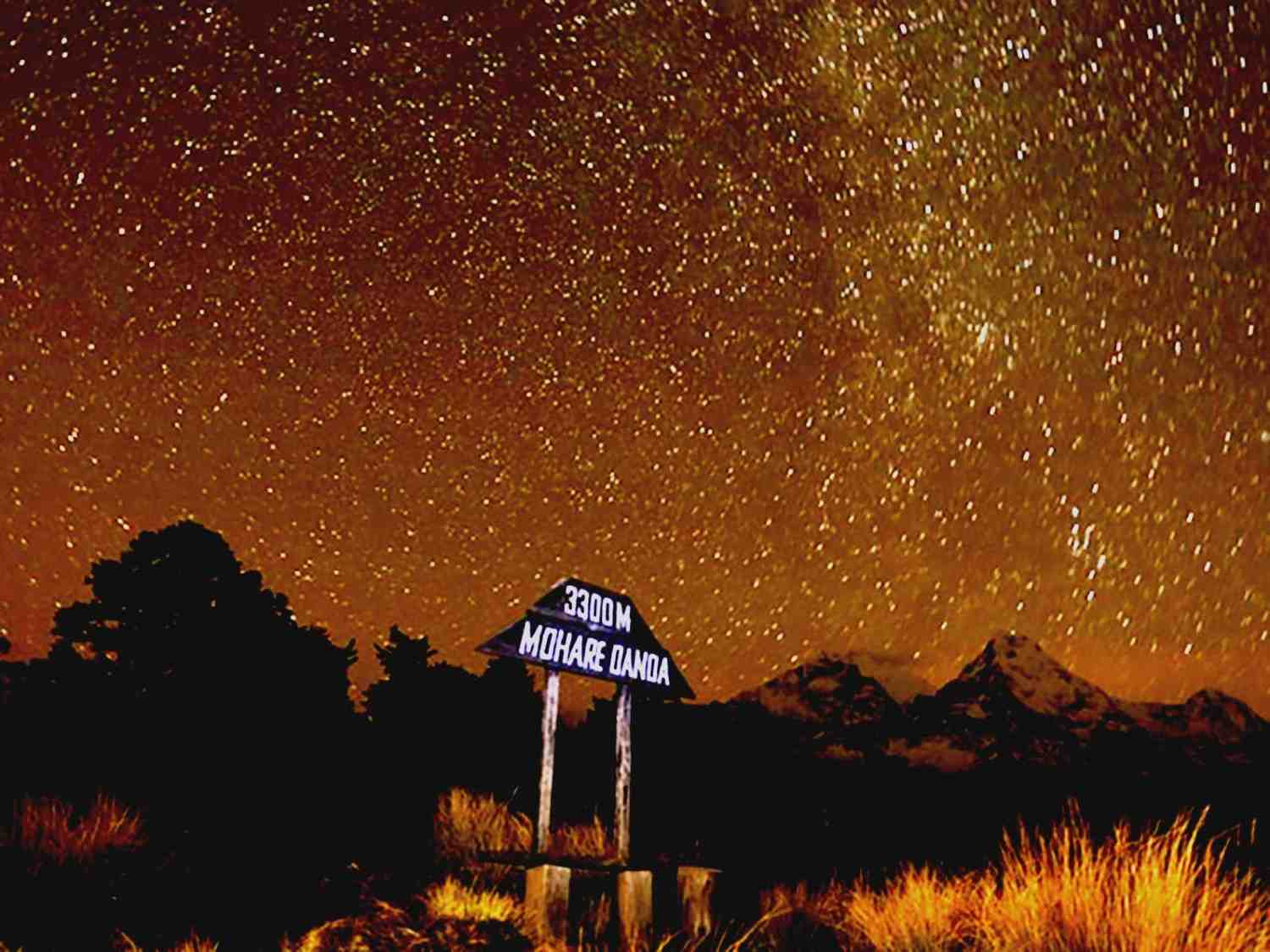
 3300M
3300M -
 Moderate
 -
Spring (Mar - May) Autumn (Sep- Nov)
-
Nepal
Extend Your Trip
Best Time to Trek
The most favorable seasons for the 6 Days Mohare Danda Trek are spring (March to May) and autumn (September to November). During these periods, the weather is generally stable, the skies are clearer, and mountain visibility is often excellent.
Spring is especially attractive because the trekking trails come alive with blooming rhododendrons and fresh greenery. Autumn offers crisp mountain views, comfortable daytime temperatures, and excellent conditions for photography.
The trek can also be undertaken in winter, although colder temperatures and occasional snowfall may affect higher sections of the route. The monsoon months can bring rain, slippery trails, clouds, and reduced mountain visibility, so careful planning is recommended if traveling during this period.
Trek Difficulty
The 6 Days Mohare Danda Trek is generally considered a moderate trekking adventure. It does not require technical climbing skills, but trekkers should be prepared for several consecutive days of walking on uneven mountain trails.
The route includes regular ascents and descents, stone steps, forest paths, ridgeline trails, and some longer trekking days. The highest elevations reached during the journey require good physical preparation and a sensible pace.
Previous trekking experience is helpful but not essential. Travelers with reasonable fitness who can comfortably walk for around 5–7 hours a day should be able to complete the trek with proper preparation and guidance.
Acclimatization & Altitude Sickness
Although the Mohare Danda route is not an extreme high-altitude expedition, proper acclimatization remains important as the trail gradually climbs to higher elevations.
The itinerary is designed to allow the body time to adapt to increasing altitude. Trekkers should maintain a steady walking pace, drink sufficient water, eat regular meals, and avoid rushing to higher elevations.
Common symptoms of altitude-related discomfort can include headache, tiredness, dizziness, reduced appetite, and difficulty sleeping. If symptoms become serious or continue to worsen, the trekking team will assess the situation and arrange descent or other appropriate assistance when necessary.
Our guides monitor guests throughout the trek and are trained to recognize common signs of altitude sickness. Listening to your body and communicating openly with your guide are essential for a safe trekking experience.
Himalayan Culture & Ancient Monasteries
The 6 Days Mohare Danda Trek offers an opportunity to experience the rich cultural heritage of Nepal’s mid-hill communities. The journey passes through traditional villages where local people continue to follow customs and lifestyles closely connected to the Himalayan environment.
Depending on the exact route and overnight stops, trekkers can encounter Magar and Gurung communities, along with other local ethnic groups. Their traditional homes, terraced farmland, village trails, local festivals, and warm hospitality provide meaningful cultural experiences beyond the mountain scenery.
The route may also include visits to small village shrines, Buddhist-influenced cultural sites, and traditional religious spaces. Rather than focusing only on major monuments, this trek allows travelers to observe the living culture of rural Nepal and understand how mountain communities have preserved their traditions over generations.
Preparation Guide
Good preparation can make your 16-day trekking experience much more comfortable and enjoyable.
We recommend beginning physical training several weeks before departure. Regular walking, hiking, stair climbing, cycling, and cardiovascular exercises can help improve endurance and leg strength.
Before the trek, make sure you have comfortable and properly broken-in trekking shoes. It is also important to prepare suitable clothing for changing weather conditions, including warm layers, rain protection, and sun protection.
Mentally, trekkers should be prepared for basic mountain accommodation, changing weather, limited facilities, and occasional long walking days. A flexible and positive attitude is one of the most valuable things to bring on a Himalayan adventure.
Weather & Climate
The weather on the Mohare Danda route changes according to season and altitude.
Spring (March–May): Mild temperatures, blooming rhododendrons, green landscapes, and generally good mountain visibility.
Summer/Monsoon (June–August): Warm and humid conditions at lower elevations with frequent rainfall. Trails can become muddy and slippery, while clouds may obscure mountain views.
Autumn (September–November): One of the best periods for trekking, with pleasant temperatures, clearer skies, and excellent visibility.
Winter (December–February): Cold conditions at higher elevations, with the possibility of frost and snowfall. Lower areas remain relatively comfortable during the daytime, but mornings and nights can be very cold.
Weather in the mountains can change quickly, so trekkers should always carry appropriate layers and rain protection regardless of the season.
Accommodation
During the trek, accommodation is generally provided in local teahouses, guesthouses, community lodges, or family-run mountain lodges.
Rooms are usually simple and comfortable, commonly featuring twin beds with basic bedding. Bathrooms may be shared, particularly at higher and more remote overnight stops.
The accommodation experience is an important part of the Mohare Danda journey because many lodges are closely connected with local communities. Staying in these establishments allows travelers to experience genuine mountain hospitality while contributing to the local economy.
In Kathmandu and Pokhara, accommodation will be arranged in a comfortable hotel according to the package selected and the confirmed itinerary.
Meals During the Trek
Meals during the trek are generally served at local teahouses and lodges. Breakfast, lunch, and dinner provide the energy needed for long days on the trail.
Typical meals may include dal bhat, rice, noodles, pasta, soups, potatoes, vegetables, eggs, Tibetan-style bread, momos, and other simple local dishes. Vegetarian options are widely available, and dietary preferences can usually be accommodated with advance notice.
We encourage trekkers to enjoy locally prepared food while maintaining a balanced diet throughout the journey. Fresh and nutritious meals are particularly important at higher elevations.
Drinking Water
Safe drinking water is essential throughout the trek. Water can usually be obtained from local lodges, village sources, or designated water stations along the route.
Trekkers are encouraged to carry a reusable water bottle or hydration system. Water purification tablets, drops, or a reliable filtration system are recommended for additional safety.
Boiled drinking water can generally be arranged at teahouses for an additional charge. We recommend avoiding unnecessary single-use plastic bottles and using reusable containers whenever possible.
Internet & Charging
Internet access and electricity are available at some villages and lodges along the Mohare Danda route, but the quality and reliability of these services can vary considerably.
Mobile network coverage may be available in certain locations but can become weak or unavailable in more remote sections. Wi-Fi, where available, may require an additional payment.
Electricity is generally available at lodges, although charging facilities can be limited, particularly during busy periods. Carrying a power bank or portable solar charger is recommended for keeping essential devices charged.
Travel Insurance
Comprehensive travel insurance is strongly recommended for every trekker joining the 6 Days Mohare Danda Trek.
Your insurance should ideally cover trekking activities at the maximum altitude reached on your itinerary, as well as emergency medical treatment, hospitalization, evacuation, trip interruption, and loss or theft of personal belongings.
Before traveling to Nepal, carefully check the terms and conditions of your insurance policy and make sure that trekking at the required altitude is covered.
Packing List
A practical packing list for the 16 Days Mohare Danda Trek may include:
- Comfortable trekking boots with good grip
- Lightweight trekking shoes or sandals
- Warm fleece or insulating jacket
- Waterproof and windproof outer jacket
- Thermal base layers
- Comfortable trekking trousers
- Lightweight T-shirts and long-sleeved shirts
- Warm hat, gloves, and sun hat
- Sunglasses with UV protection
- Sunscreen and lip balm
- Lightweight rain jacket or poncho
- Sleeping bag suitable for cold mountain conditions
- Reusable water bottles or hydration bladder
- Water purification tablets or filtration system
- Headlamp with spare batteries
- Trekking poles
- Personal toiletries and quick-drying towel
- Basic personal medication and first-aid supplies
- Power bank and charging cables
- Small personal backpack
- Duffel bag for porter-supported luggage
- Passport and necessary travel documents
- Travel insurance details
- Snacks and energy bars
- Camera or smartphone, if desired
It is best to keep your luggage practical and lightweight and avoid carrying unnecessary items.
Safety Measures
The safety and well-being of our guests are among the highest priorities throughout the trek.
Our experienced guides monitor weather conditions, trail conditions, group fitness, and individual health during the journey. The team maintains a responsible pace and makes adjustments when necessary.
Trekkers should always follow the guide’s instructions, remain hydrated, walk carefully on uneven terrain, and communicate immediately if they feel unwell.
For remote trekking areas, the team carries basic first-aid supplies and maintains appropriate emergency procedures. In the event of a serious emergency, evacuation arrangements can be coordinated according to the situation and available access.
Respecting local communities, wildlife, cultural traditions, and environmental guidelines is also an important part of responsible trekking.
Frequently Asked Questions (FAQ)
1. How difficult is the 6 Days Mohare Danda Trek?
The trek is generally rated moderate. It is suitable for people with reasonable fitness and a willingness to walk several hours each day on mountain terrain.
2. Do I need previous trekking experience?
No. Previous trekking experience is beneficial but not mandatory. With proper preparation, a good level of fitness, and guidance from an experienced trekking team, first-time trekkers can also enjoy this journey.
3. What is the highest altitude reached during the trek?
The highest point depends on the final 16-day route and any additional viewpoints or side trips included in the itinerary. Mohare Danda itself is approximately 3,300 meters above sea level.
4. Is altitude sickness a concern?
The risk is lower than on many higher Himalayan treks, but altitude-related symptoms can still occur. A gradual pace, adequate hydration, proper rest, and careful monitoring are important.
5. What is the best season for this trek?
Spring and autumn are generally the most favorable seasons. These months usually offer better visibility, comfortable trekking conditions, and pleasant scenery.
6. Can beginners join the trek?
Yes. Beginners who are physically active and prepared for multiple days of walking can join. It is recommended to build endurance before arriving in Nepal.
7. What type of accommodation is available?
Accommodation is mainly in local teahouses, community lodges, and family-run guesthouses. Facilities are simple but generally provide a warm and welcoming environment.
8. What kind of food can I expect?
You can expect a combination of traditional Nepali meals and common trekking dishes such as dal bhat, noodles, pasta, soup, potatoes, vegetables, eggs, and momos.
9. Is drinking water easily available?
Yes. Water is available at local lodges and villages, while boiled or treated water can generally be arranged. Trekkers should carry reusable bottles and a purification method.
10. Will I have a mobile network and internet access?
Coverage varies depending on the location. Some villages have mobile connectivity and Wi-Fi, while remote sections may have limited or no service.
11. Do I need travel insurance?
Yes. Comprehensive travel insurance is strongly recommended, particularly one that covers trekking, emergency medical care, evacuation, and trip interruption.
12. Can I customize the 6 Days Mohare Danda Trek?
Yes. The itinerary can often be adjusted according to your available time, fitness level, preferred walking pace, accommodation preferences, and additional destinations you wish to visit.
13. Is the trek suitable for solo travelers?
Yes. Solo travelers can join the trek with a private guide and porter arrangement or request to join a suitable group, depending on availability.
14. What makes the Mohare Danda Trek special?
The trek combines peaceful Himalayan trails, community-based tourism, beautiful mountain viewpoints, traditional villages, forest landscapes, and authentic local hospitality. It offers a more intimate experience of the Annapurna foothills while allowing travelers to connect with rural communities.
15. Why choose Himalayan Sherpa Exodus Team Treks & Expeditions?
Himalayan Sherpa Exodus Team Treks & Expeditions Pvt. Ltd. focuses on providing carefully planned Himalayan adventures with experienced local guides, responsible trekking practices, personalized service, and attention to guest safety. Our goal is to create meaningful journeys that combine beautiful landscapes with authentic cultural experiences while supporting local communities and respecting the natural environment.
Be Well Prepared for Your Trek in Nepal
Proper preparation is the key to a safe, comfortable, and enjoyable trekking experience in Nepal. Please use this equipment guide to prepare the essential clothing, footwear, personal items, health and safety gear, and other trekking necessities according to your chosen route and season.
Pack wisely, travel comfortably, and trek confidently with Himalayan Sherpa Exodus Team.