Your Journey, Your Way The itinerary, trip duration, package price, inclusions, and exclusions presented for the “Ghorepani Poon Hill Trek” are intended as a general guide. They may not fully match your preferred travel style, available time, physical pace, or budget. Whether you prefer a customized itinerary, a full-package or service-only arrangement, a slower-paced journey, or private or group travel, Himalayan Sherpa Exodus Team Treks & Expedition (P) Ltd. will be pleased to tailor the trip to your needs. Talk with Pasang to create a journey that works best for you.
Essential Trip Information
-
8 Days
-
2+
-
 3210M
3210M -
 Moderate
 -
Spring (Mar - May) Autumn (Sep- Nov)
-
Nepal
Extend Your Trip
Best Time to Trek
The 4 Days Ghorepani Poon Hill Trek can be enjoyed throughout much of the year, but the most favorable seasons are spring (March to May) and autumn (September to November). During these months, the weather is generally stable, the skies are clear, and the mountain views are at their finest.
Spring (March – May)
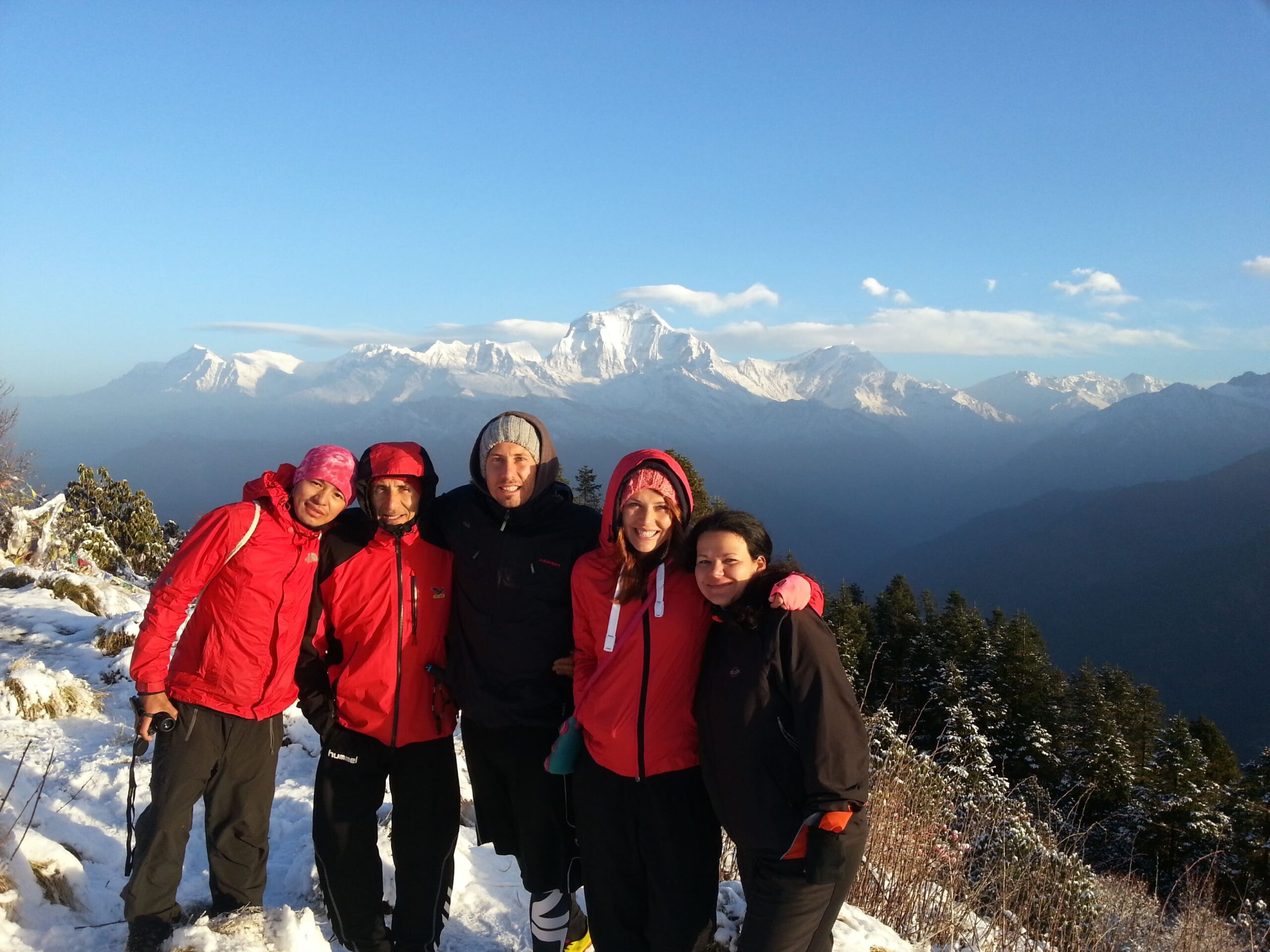
Spring is one of the most popular trekking seasons in the Annapurna region. Rhododendron forests burst into colorful bloom, hillsides turn vibrant with wildflowers, and temperatures remain pleasant for hiking. The clear mornings provide outstanding sunrise views over Annapurna, Dhaulagiri, Machhapuchhre, Nilgiri, and surrounding Himalayan peaks.
Autumn (September – November)
Autumn offers crisp mountain air, excellent visibility, and comfortable trekking temperatures. Following the summer monsoon, the landscapes become lush and green, while the clear skies create ideal conditions for photography and panoramic Himalayan views. This is also the peak trekking season due to its reliable weather.
Winter (December – February)
Winter trekking is suitable for those who prefer quieter trails and peaceful mountain villages. Although mornings and evenings can be cold, daytime hiking is generally comfortable. Snow may occasionally cover Poon Hill and the higher sections of the trail, creating beautiful winter scenery.
Monsoon (June – August)
The monsoon season brings regular rainfall, misty landscapes, and flourishing forests. While trekking remains possible, trails can become muddy and slippery, and mountain views may be limited by clouds. However, this season offers fewer crowds and a unique green Himalayan landscape for adventurous travelers.
Trek Difficulty
The 4 Days Ghorepani Poon Hill Trek is considered an easy to moderate Himalayan trek, making it an excellent choice for first-time trekkers, families, solo travelers, and anyone looking for a short mountain adventure. The trail includes well-maintained stone staircases, forest paths, suspension bridges, and gradual ascents through traditional villages. Daily walking ranges from 5 to 7 hours, with the highest elevation reached at Poon Hill (3,210 m / 10,531 ft). Although the trek does not require technical climbing experience, a reasonable level of physical fitness will help ensure an enjoyable journey.
Acclimatization & Altitude Sickness
Since the maximum elevation of this trek is 3,210 meters, the risk of severe altitude sickness is relatively low compared to higher Himalayan treks. However, some trekkers may experience mild symptoms such as headache, fatigue, or shortness of breath. Drinking plenty of water, maintaining a comfortable walking pace, eating nutritious meals, and getting adequate rest are the best ways to adapt to the altitude. Our experienced guides closely monitor each trekker’s health and provide assistance whenever necessary to ensure a safe and comfortable trekking experience.
Culture & Monasteries
The trek passes through beautiful Gurung and Magar communities that have preserved their traditional lifestyles, architecture, and hospitality for generations. Villages such as Ghandruk offer an excellent opportunity to experience local customs, stone-built houses, traditional farming practices, and authentic Nepali mountain culture. Along the trail, visitors may encounter Buddhist prayer flags, mani walls, chortens, and small monasteries that reflect the region’s spiritual heritage. Interacting with local families provides valuable insight into the unique traditions and daily life of the Annapurna region.
Preparation Guide
Proper preparation helps make your trek comfortable and enjoyable. Engage in light physical activities such as walking, jogging, or stair climbing for several weeks before your trip. Pack comfortable trekking boots, layered clothing, a waterproof jacket, warm fleece, gloves, sunglasses, sunscreen, a reusable water bottle, trekking poles, and personal medications. Carry only essential items in your daypack while keeping your luggage light. Purchasing comprehensive travel insurance that covers trekking activities and emergency evacuation is strongly recommended.
Weather & Climate
The Ghorepani Poon Hill region experiences pleasant weather during most trekking seasons. Spring (March to May) offers blooming rhododendron forests, mild temperatures, and colorful landscapes, while Autumn (September to November) provides crystal-clear skies, dry trails, and excellent mountain visibility. Winter brings colder temperatures with occasional snowfall around Poon Hill, creating beautiful alpine scenery. During the summer monsoon months, rainfall makes the forests exceptionally green, although trails may become muddy and mountain views can be limited by clouds.
Accommodation
Accommodation throughout the trek is provided in comfortable local teahouses and mountain lodges. Most rooms are twin-sharing with clean beds, blankets, and pillows. Shared bathrooms are common along the trail, while some lodges offer private rooms and attached bathrooms depending on availability. Dining halls are warm and welcoming, often heated by traditional stoves during colder months, providing a cozy atmosphere to relax after each day’s hike.
Meals During the Trek
The teahouses serve a wide selection of freshly prepared meals suitable for trekkers. Popular choices include traditional Dal Bhat, fried rice, noodles, pasta, soups, momos, potatoes, eggs, pancakes, porridge, toast, and seasonal vegetables. Breakfast usually includes tea or coffee along with bread, eggs, pancakes, porridge, or muesli. Nutritious meals and adequate hydration help maintain energy levels throughout the trek.
Drinking Water
Safe drinking water is available throughout the Ghorepani Poon Hill Trek. Trekkers can refill reusable water bottles at teahouses by purchasing boiled or filtered drinking water. Water purification tablets or portable filtration bottles are also recommended for additional safety and to reduce plastic waste. Staying well-hydrated by drinking 2 to 3 liters of water daily helps maintain energy, supports acclimatization, and ensures a more comfortable trekking experience.
Internet & Charging
Most villages along the 4 Days Ghorepani Poon Hill Trek offer internet access and charging facilities, although availability and reliability vary with location and weather conditions. Wi-Fi is commonly available in teahouses for an additional fee, while mobile network coverage from Nepal Telecom (NTC) and Ncell is available in many sections of the trail but may become weak in remote forest areas. Charging electronic devices such as mobile phones, cameras, and power banks is possible at most lodges, usually for a small fee. Carrying a fully charged power bank is highly recommended to ensure your devices remain powered throughout the trek.
Travel Insurance
Comprehensive travel insurance is strongly recommended for all trekkers visiting Nepal. Your policy should include coverage for trekking activities up to 3,500 meters, emergency medical treatment, helicopter evacuation (if required), trip cancellation, personal accidents, and loss or delay of baggage. Although the Ghorepani Poon Hill Trek is considered relatively easy, unexpected weather changes, illness, or injuries can occur in the mountains. Carry both digital and printed copies of your insurance policy during the trek.
Packing List
To enjoy a comfortable and safe trek, pack light while carrying all essential equipment.
Clothing
- Moisture-wicking trekking T-shirts
- Warm fleece or insulated jacket
- Waterproof and windproof jacket
- Lightweight trekking pants
- Thermal base layers (during colder months)
- Warm hat and sun hat
- Gloves
- Comfortable underwear
- Hiking socks (3–4 pairs)
Footwear
- Comfortable waterproof trekking boots
- Lightweight sandals or camp shoes
Personal Gear
- Daypack (20–30L)
- Rain cover for backpack
- Trekking poles
- Sunglasses with UV protection
- Sunscreen (SPF 30+)
- Lip balm
- Headlamp with spare batteries
- Reusable water bottles or hydration bladder
- Personal toiletries
- Quick-dry towel
Personal Essentials
- Passport and permits
- Travel insurance documents
- Personal medications
- Water purification tablets or filter bottle
- Camera or smartphone
- Power bank
- Snacks and energy bars
- Small amount of Nepali cash
Safety Measures
Your safety is our highest priority throughout the trek. Himalayan Sherpa Exodus Team Treks & Expeditions Pvt. Ltd. follows professional trekking standards to ensure a safe and enjoyable experience.
- Trek with experienced, government-licensed guides.
- Walk at a comfortable pace without rushing.
- Stay well hydrated throughout the journey.
- Follow your guide’s instructions at all times.
- Wear appropriate clothing according to weather conditions.
- Use trekking poles for additional balance on steep sections.
- Avoid walking alone after dark.
- Carry essential medications and a personal first-aid kit.
- Protect yourself from strong sunlight using sunscreen, sunglasses, and a hat.
- Inform your guide immediately if you experience any discomfort or health concerns.
- Respect local culture, wildlife, and the natural environment by following Leave No Trace principles.
Frequently Asked Questions (FAQ)
- How difficult is the 4 Days Ghorepani Poon Hill Trek?
The trek is considered easy to moderate and is suitable for beginners, families, and trekkers with average fitness levels.
- What is the highest point of the trek?
The highest elevation is Poon Hill (3,210 m / 10,531 ft), famous for its panoramic Himalayan sunrise.
- When is the best time to do the trek?
Spring (March–May) and autumn (September–November) provide the best weather, clear mountain views, and pleasant trekking conditions.
- Do I need previous trekking experience?
No. Previous trekking experience is not required, although basic physical fitness is recommended.
- What permits are required?
You will need the Annapurna Conservation Area Permit (ACAP) and any other permits required under the latest Nepal tourism regulations.
- Are guides mandatory?
While regulations may vary, trekking with a licensed guide is strongly recommended for safety, navigation, and a richer cultural experience.
- Is altitude sickness common on this trek?
Serious altitude sickness is uncommon because the highest elevation is only 3,210 meters, but staying hydrated and walking at a steady pace is still important.
- What type of accommodation is available?
Trekkers stay in comfortable local teahouses that provide basic but clean rooms and freshly prepared meals.
- Can I charge my phone and camera during the trek?
Yes. Most teahouses offer charging facilities for a small additional fee.
- Is drinking water available?
Yes. Boiled, filtered, or treated drinking water is available at teahouses along the route.
- What should I pack?
Bring comfortable trekking clothing, waterproof gear, trekking boots, warm layers, a reusable water bottle, sunscreen, sunglasses, personal medications, and a power bank.
- Why choose Himalayan Sherpa Exodus Team Treks & Expeditions Pvt. Ltd.?
We provide experienced local guides, carefully planned itineraries, reliable logistics, personalized service, and a strong commitment to safety, ensuring every trekker enjoys an authentic and memorable Himalayan adventure.
Be Well Prepared for Your Trek in Nepal
Proper preparation is the key to a safe, comfortable, and enjoyable trekking experience in Nepal. Please use this equipment guide to prepare the essential clothing, footwear, personal items, health and safety gear, and other trekking necessities according to your chosen route and season.
Pack wisely, travel comfortably, and trek confidently with Himalayan Sherpa Exodus Team.
Be Well Prepared for Your Trek in Nepal
Proper preparation is the key to a safe, comfortable, and enjoyable trekking experience in Nepal. Please use this equipment guide to prepare the essential clothing, footwear, personal items, health and safety gear, and other trekking necessities according to your chosen route and season.
Pack wisely, travel comfortably, and trek confidently with Himalayan Sherpa Exodus Team.