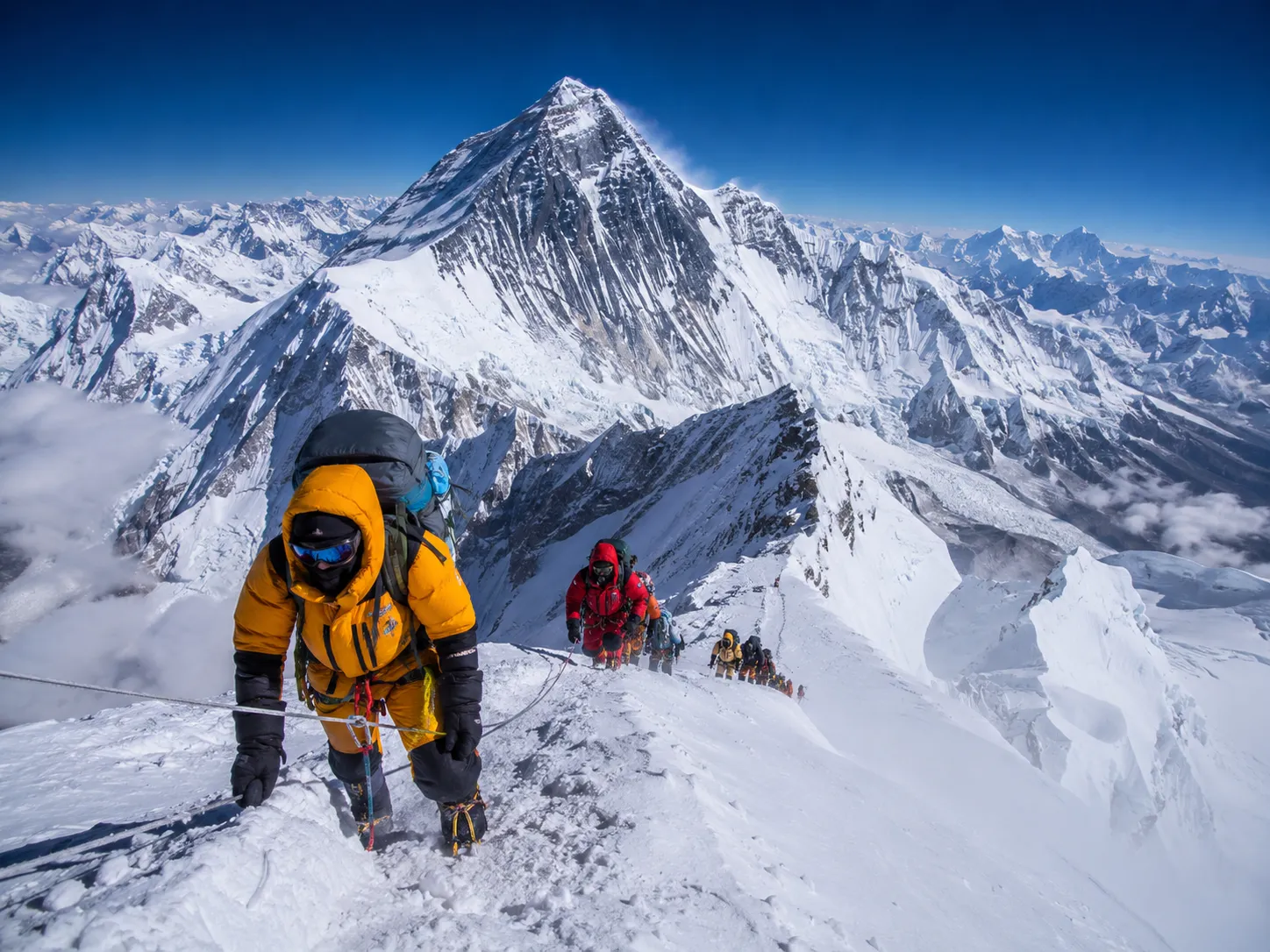
Essential Trip Information
-
55 Days
-
Mt. Everest
-
2+
-
 8,848.86M
-
 Moderate PD+++
-
Spring (Mar - May) Autumn (Sep- Nov)
-
Nepal
Extend Your Trip





What the Expedition Experience Involves
- A long-duration high-altitude commitment with repeated acclimatization rotations rather than a single continuous climb.
- Exposure to severe cold, wind, ultraviolet radiation, low atmospheric oxygen and rapidly changing weather.
- Technical movement on snow and ice using crampons, ice axe, harness, fixed ropes, ascenders and descent devices.
- Careful management of hydration, nutrition, sleep, personal hygiene and recovery at Base Camp and high camps.
- Close coordination with the expedition leader, climbing Sherpa team, route-fixing teams, kitchen crew and logistics staff.
- A safety-first approach in which turning around may be the correct decision when weather, health or route conditions deteriorate.
Personal Equipment & Packing Checklist
Equipment for Everest must be expedition-grade, properly fitted and tested before departure. Brand names below are examples from the supplied reference material; equivalent products that meet the same technical standard are acceptable. Final gear should be reviewed with the expedition team before travel.
Footwear
- 8000m climbing boots: Expedition triple boots with integrated gaiter and removable insulated liner; examples include Scarpa Phantom 8000, La Sportiva Olympus Mons Cube and Millet Everest Summit GTX.
- Insulated Base Camp boots: Warm insulated boots suitable for prolonged cold conditions.
- Running/trail shoes: For travel and easy walking.
- Sport sandals / camp shoes: For showers, lodge use and rest days.
- Lightweight trekking boots: Sturdy hiking boots with a supportive midsole and durable sole for the trek to Base Camp.
- Low gaiters: Simple gaiters for trekking boots where useful.
- Down/synthetic booties: Warm camp booties with insulated foam soles.
- Lightweight socks: 3–4 pairs, synthetic/wool blend.
- Mid/heavyweight socks: 3–4 pairs, synthetic/wool blend.
- Liner socks: 3–4 pairs, silk or synthetic.
Base Layers & Clothing
- Lightweight long-underwear top: Moisture-wicking synthetic or merino base layer.
- Expedition-weight long-underwear top: Warm zip-neck base layer for cold conditions.
- Lightweight long-underwear bottoms: Moisture-wicking base layer.
- Expedition-weight long-underwear bottoms: Warm thermal bottoms for high camps.
- Underwear: Approximately four pairs; quick-drying fabrics recommended.
- Short-sleeved technical shirts: Two lightweight synthetic shirts.
- Fleece or synthetic-insulated jacket: Compressible mid-layer such as fleece or synthetic insulation.
- Synthetic-insulated pants: Warm full-side-zip insulated pants are useful for high camps.
- 8000 m down suit: Primary extreme-cold outer insulation for summit day.
- Down jacket with hood: For Base Camp, approach and lower mountain camps.
- Down pants: Optional additional high-altitude insulation.
- Waterproof/breathable shell jacket: Hooded, expedition-capable shell.
- Waterproof/breathable shell pants or bibs: Full-length side zips preferred for use over boots and layers.
- Wind shirt / light shell: Useful on the glacier and during active movement.
- One-piece climbing shell: Optional, depending on personal layering system.
Head & Hand Gear
- Liner gloves: Lightweight synthetic gloves.
- Wind-resistant fleece gloves: Two pairs recommended.
- Insulated climbing gloves: Warm technical gloves for cold climbing.
- Expedition mittens with liners: Two pairs recommended: one reserved for summit day and one durable utility pair.
- Bandannas: Two or three.
- Sun hat: Lightweight cap or brimmed hat.
- Warm hats: Two: one lightweight and one heavier; both should cover the ears.
- Balaclavas: One lightweight and one heavyweight.
- Face mask / neck gaiter: Optional but valuable in severe wind and cold.
Eye, Light & Small Accessories
- Sunglasses: High-quality full UV protection for lower elevations.
- Glacier glasses: Category suitable for very bright snow/glacier conditions with strong side coverage.
- Ski goggles: Must fit comfortably with helmet and oxygen mask.
- Headlamps: Two reliable battery-powered headlamps.
- Spare batteries: Cold-resistant spare batteries; lithium batteries generally perform well in low temperatures.
Climbing Equipment
- Ice axe: General mountaineering/semi-technical axe, normally around 60–80 cm depending on height and preference, with an appropriate leash system.
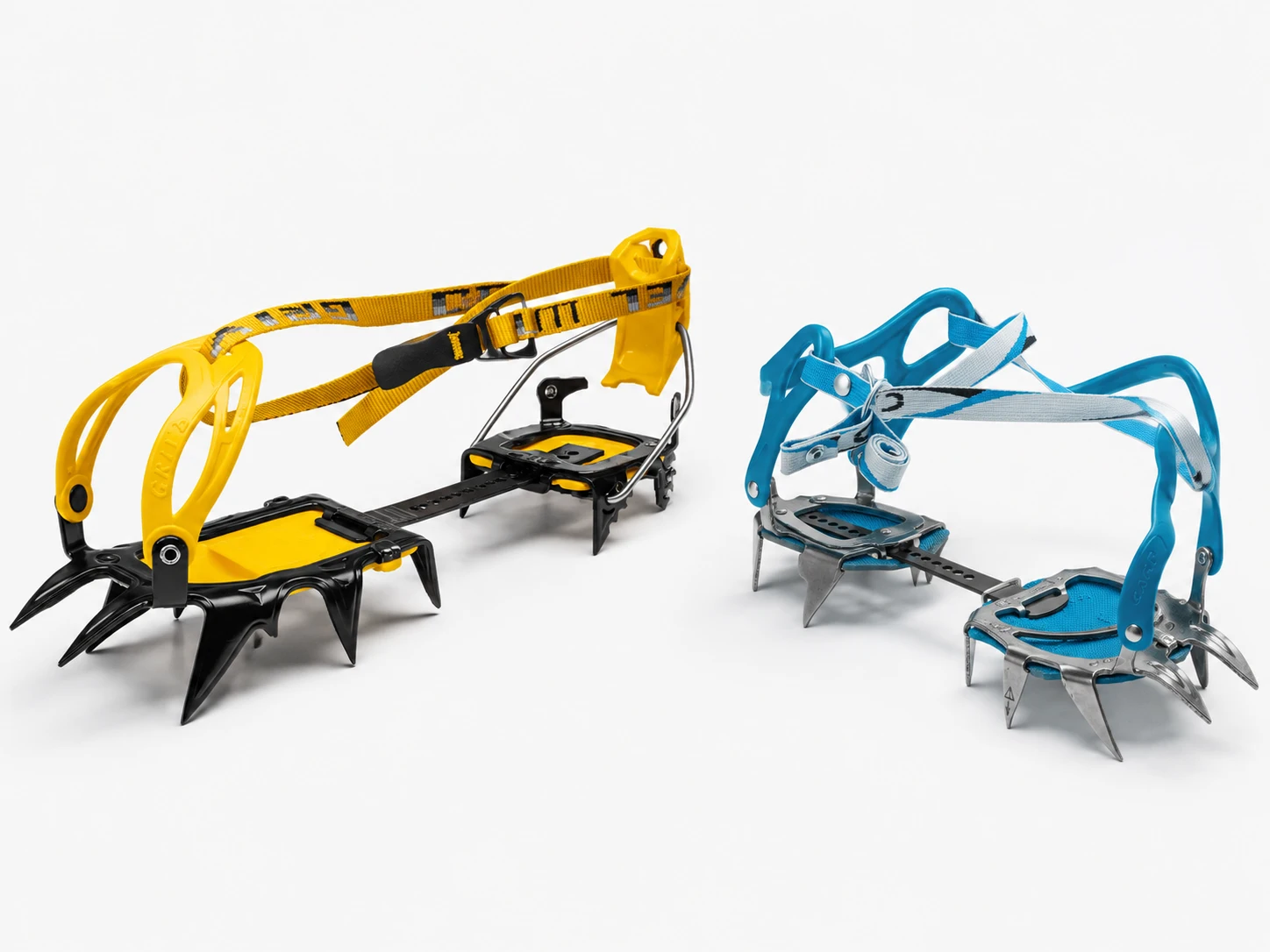
- Crampons: 12-point step-in steel crampons compatible with expedition boots.
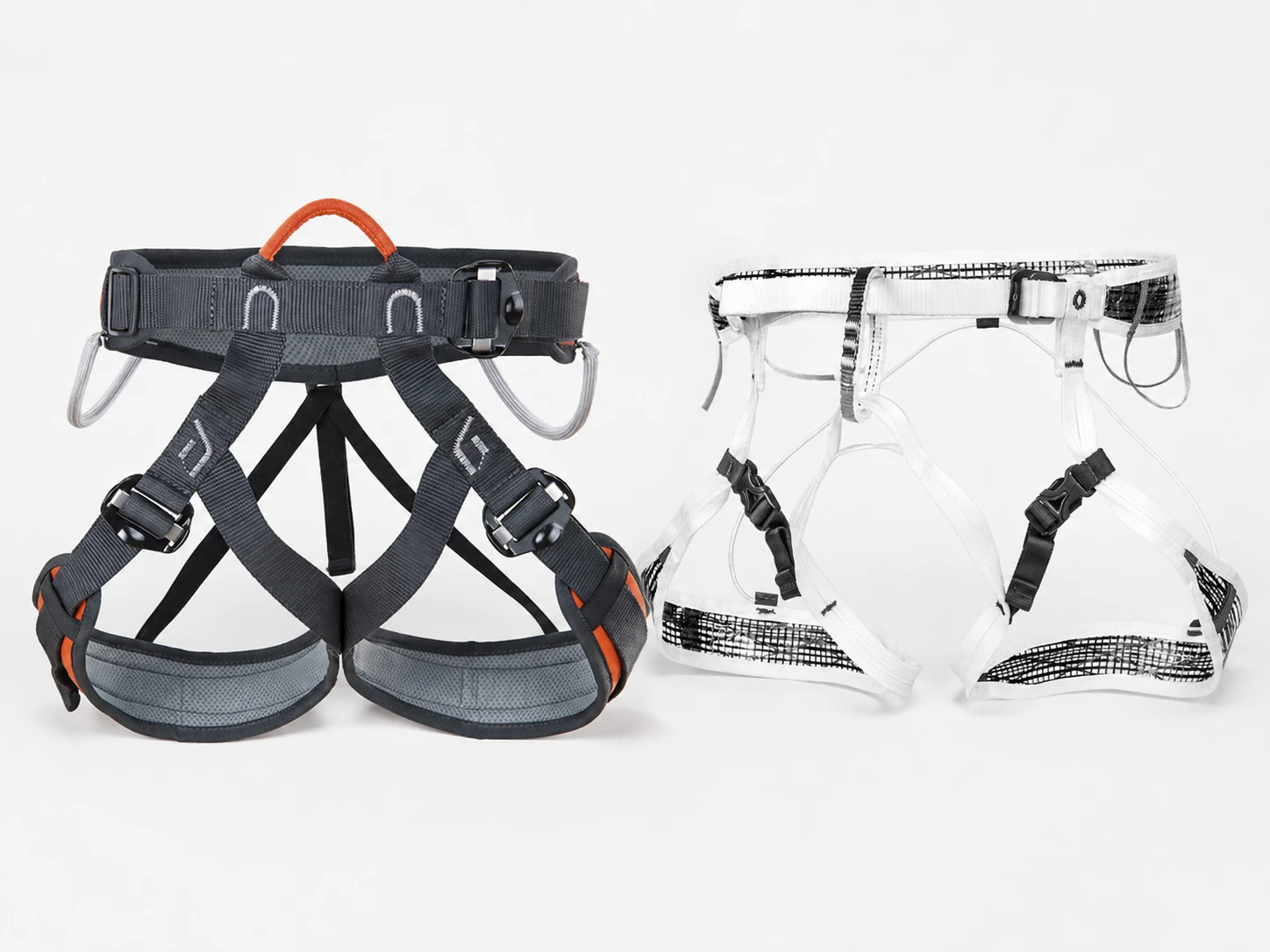
- Alpine harness: Lightweight, fully adjustable and easy to put on over bulky clothing without removing boots.
- Locking carabiners: At least two large HMS/pear-shaped locking carabiners.
- Additional carabiners: Several oval/utility carabiners; total personal set commonly 3–6 depending on system.
- Webbing / tape: Personal webbing for leashes and attachment systems; reference list specifies about 20 ft.
- Accessory cord: Approx. 20 ft of 6 mm cord in the reference list.
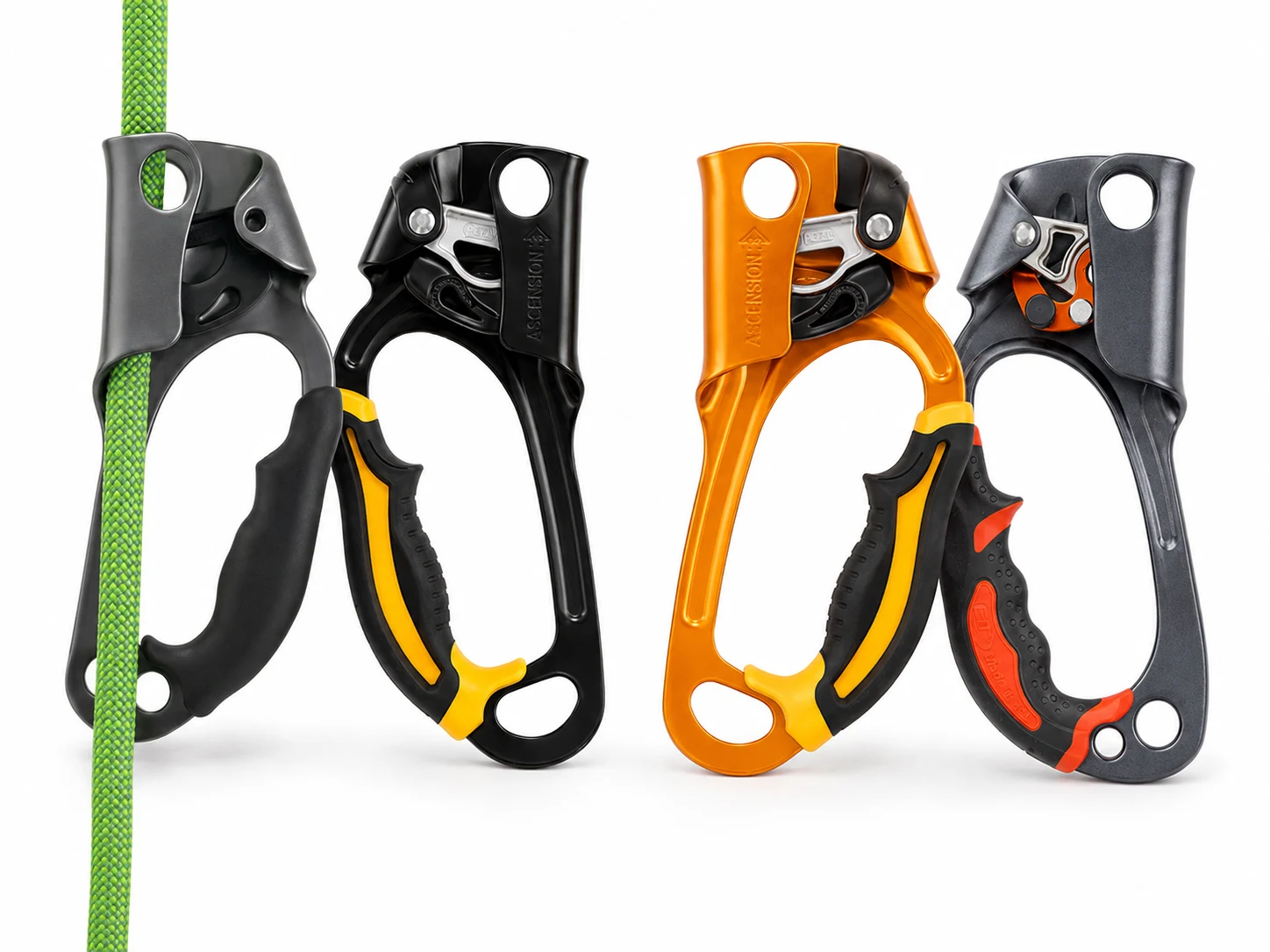
- Ascenders / jumars: Two ascenders in the original general list; later technical reference highlights Petzl Ascension-type devices. Confirm the team’s preferred system.
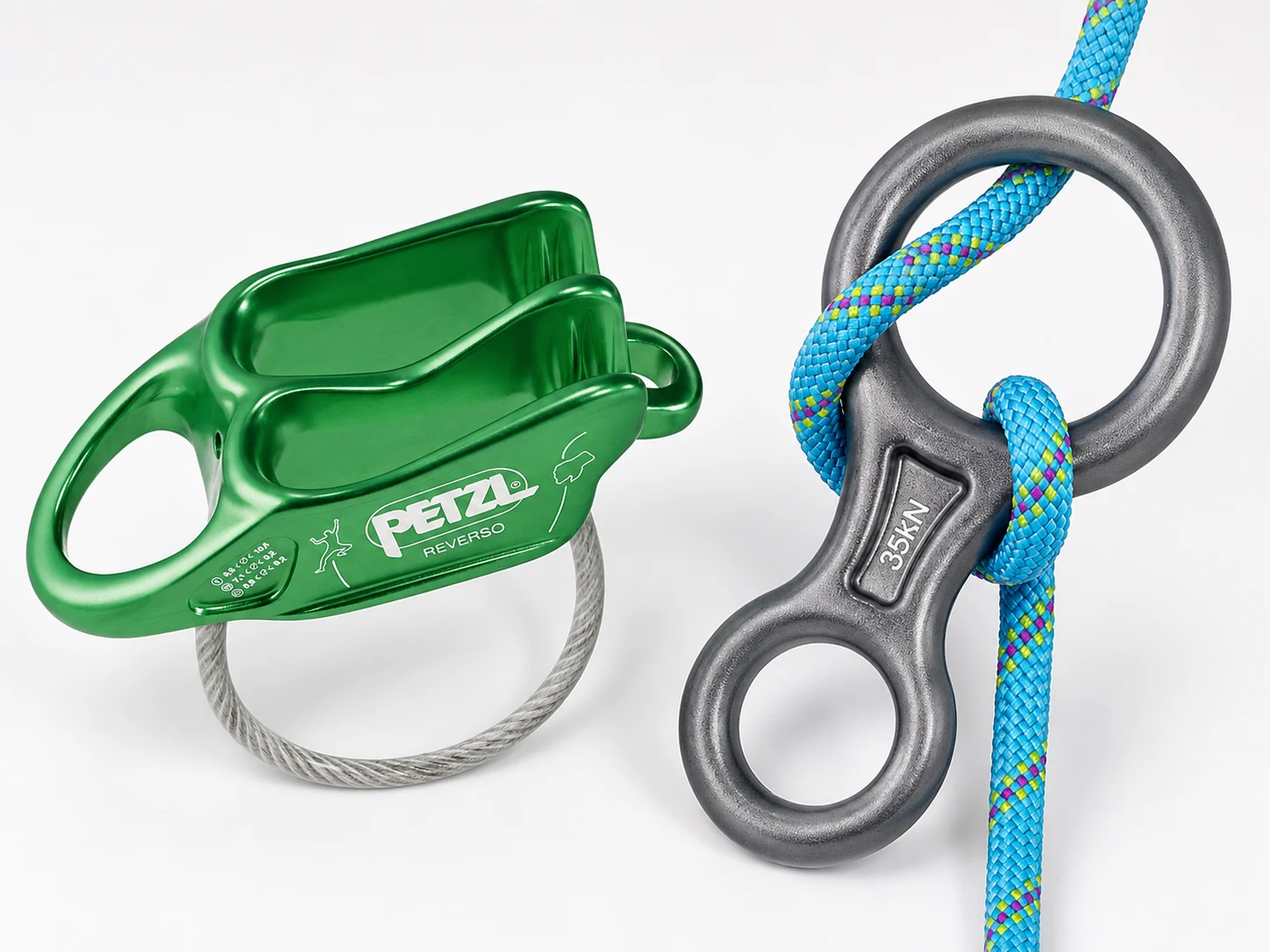
- Rappel / belay device: ATC Guide, Reverso, Figure 8 or equivalent device that the climber is trained to use.
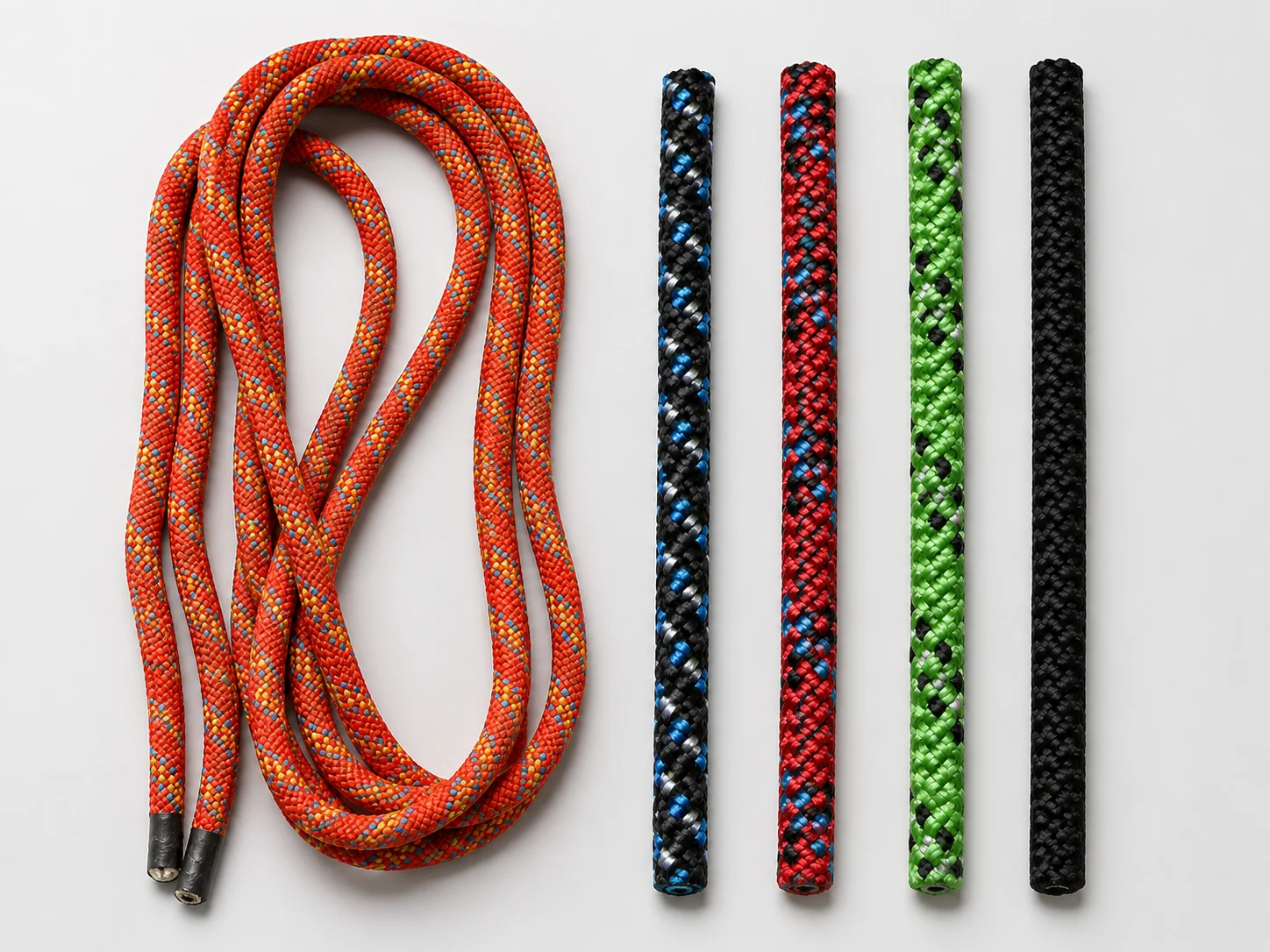
- Personal dynamic rope: Approx. 3 m of 8–9 mm dynamic rope for personal safety applications as directed by the expedition team.
- Prusik cord: Approx. 3 m of 7 mm cord for backup, self-rescue and friction-hitch applications.
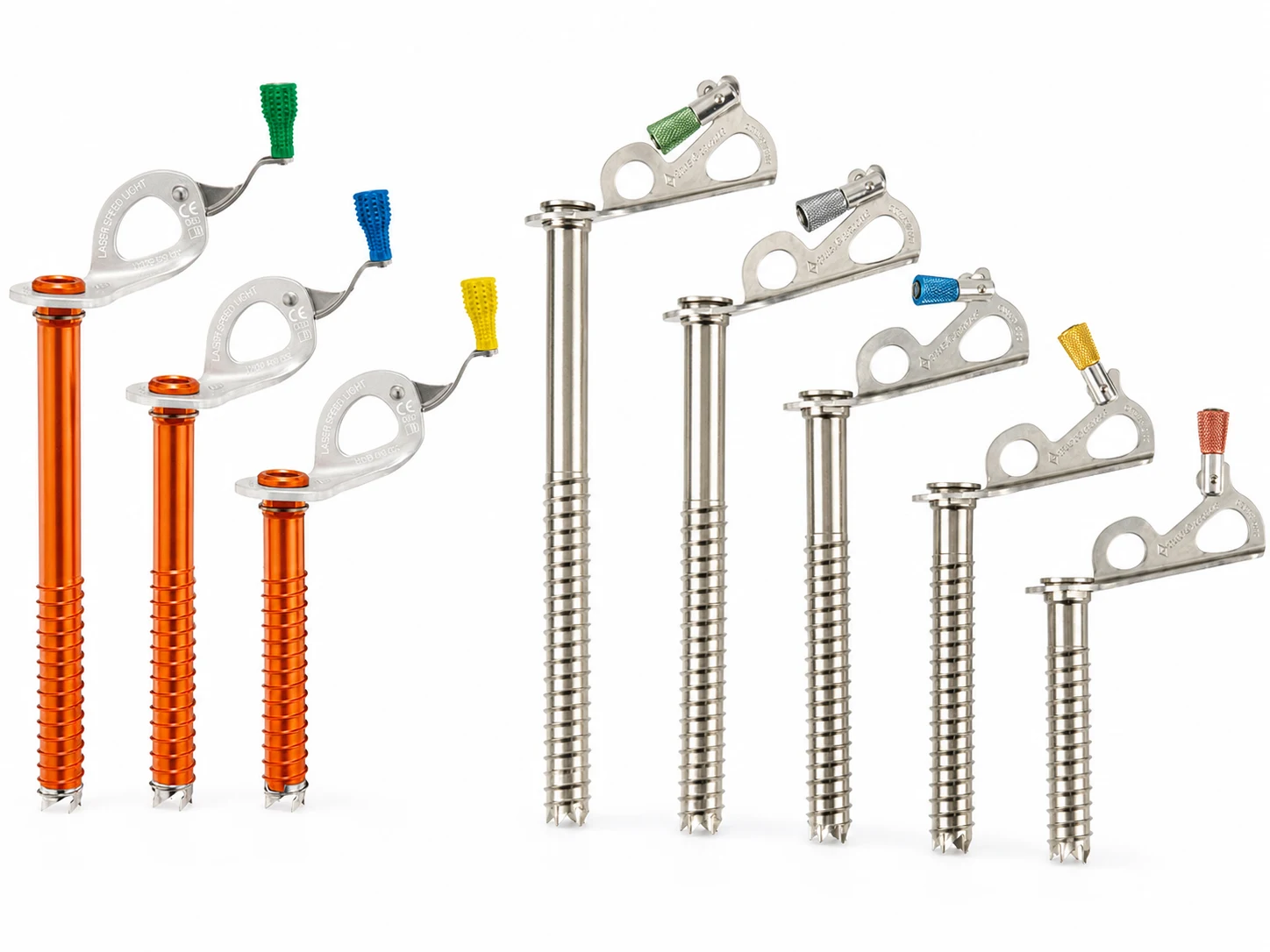
- Ice screw: One screw, approximately 16–20 cm, where required by the expedition team.
- Climbing helmet: Lightweight, durable helmet with enough internal volume to fit warm headwear.
Camping & Hydration Gear
- Expedition backpack: Simple top-loading mountaineering pack with sufficient capacity for bulky cold-weather equipment.
- Day pack: Small, simple pack for travel and short walks around Base Camp.
- Sleeping bags: Reference list recommends two down bags: one around -40 °C rating and a second around -20 °C, allowing one to remain at Base Camp and one on the mountain. Exact rating should be selected for current conditions and personal cold tolerance.
- Compression sacks: For reducing sleeping-bag and clothing volume.
- Inflatable sleeping pad: Full-length insulated pad.
- Foam sleeping pad: Durable backup/upper-mountain pad.
- Water bottles: Two 1-litre wide-mouth, leakproof bottles.
- Vacuum/thermal bottle: One or two 1-litre insulated bottles.
- Pee bottles: Two wide-mouth leakproof bottles, clearly marked; one for Base Camp and one for high camp.
- Female urination device: Optional personal choice for female climbers.
- Pack towel: Medium, quick-drying towel.
- Trekking poles: Adjustable, collapsible poles.
- Multitool / pocket knife: Useful expedition tool; pack in checked baggage and comply with airline rules.
- Personal bowl, mug and utensils: Large lightweight mug/bowl plus fork and spoon for specified high camps if required by the team.
Medical & Personal Care
- Sunscreen: SPF 30+ minimum; high-altitude broad-spectrum protection preferred.
- Lip protection: SPF 30+.
- Toiletry kit: Toothbrush, toothpaste, skin lotion, hand sanitizer, soap, comb/brush and shaving items in compact sizes.
- Personal first-aid kit: Simple wound/blister supplies and personal medications. Prescription medicines and altitude medication should only be carried/used according to a qualified clinician’s advice.
- Backup water-treatment tablets: Useful for travel and emergency backup even where expedition drinking water is treated.
- Resealable storage bags: Multiple sizes for organization and moisture protection.
- Wet wipes: For personal hygiene.
- Ear plugs: Useful in lodges and tents.
Travel & Trekking Items
- Large expedition duffel bags: Two large, durable duffels; clearly label with name and contact details.
- Small travel bag: Optional; useful for items left in Kathmandu.
- Stuff sacks: Several sizes for organization.
- Lightweight long-sleeved shirt: Comfortable travel/trekking layer.
- Hiking pants / skirt / sarong: One or two comfortable trekking options.
- Lightweight stretch pants: One pair for travel and approach trek.
Why Climb with Himalayan Sherpa Exodus Team
An Everest expedition requires more than transportation to Base Camp. Climbers need a coordinated system that connects preparation, logistics, mountain support, communication and conservative decision-making. Himalayan Sherpa Exodus Team Treks and Expedition (P) Ltd. can present its Everest program around the following service principles, provided each point matches the company’s actual operating standards:
- Experienced mountain support: A professional team structure with qualified guides, climbing Sherpas and expedition staff selected for the requirements of high-altitude mountaineering.
- Safety-led decisions: Acclimatization, weather, route conditions and individual health should guide every rotation and summit decision. Summit ambitions never override basic safety.
- Strong logistics: Coordinated permits, transport, trekking support, Base Camp operations, high-camp supplies, communications and oxygen planning.
- Practical Base Camp comfort: A functional Base Camp setup designed to support recovery between rotations, including organized meals, communal space and hygiene facilities according to the package.
- Personal attention: Clear pre-expedition communication, gear checks and climbing support tailored to the climber’s experience and agreed service level.
- Responsible expedition practice: Respect for Sherpa communities, staff welfare, environmental responsibility and responsible waste management.
- Transparent briefing: Clear explanation of what is included, what is excluded, what is optional and what can change due to weather, aviation, regulations or mountain conditions.
Frequently Asked Questions
- How difficult is the Mount Everest South Side Expedition?
Mount Everest is an extreme, expert-level expedition. Climbers face very low oxygen levels, severe cold, strong winds, long summit days, objective hazards and technical fixed-rope sections. Excellent fitness, previous high-altitude mountaineering experience, disciplined acclimatization and sound judgement are essential.
- What is the best time to climb Mount Everest from Nepal?
The primary commercial summit season on the South Side is spring, especially April and May, when expeditions establish Base Camp and wait for suitable summit weather windows. Conditions can still change quickly, and the exact summit date cannot be fixed in advance.
- What previous experience is required?
Everest should not be a first high-altitude climb. A climber should already be comfortable with crampons, ice axe, harness, fixed ropes, jumaring and rappelling, and should have substantial experience on major high-altitude mountains. Previous 6,000–7,000 m climbs are a strong foundation, and experience at 8,000 m is highly valuable. Final acceptance should be based on the expedition company’s screening process and the guide’s assessment.
- How high is Mount Everest?
The internationally recognized height of Mount Everest is 8,848.86 metres (29,031.7 feet). In Nepal, the mountain is known as Sagarmatha.
- What is the success rate of an Everest South Side Expedition?
No responsible operator should promise a fixed summit-success percentage for an individual climber. Results vary from season to season and depend on weather, route conditions, crowding, acclimatization, fitness, health, technical ability, oxygen strategy and turnaround decisions. A safe return is always more important than reaching the summit.
- Do I need supplemental oxygen?
Most guided Everest climbers use supplemental oxygen above the upper camps and during the summit phase. The exact number of cylinders, flow-rate plan, mask/regulator system and emergency reserve should be confirmed in the expedition package. Climbers must be trained in using and troubleshooting their oxygen system before the summit push.
- What permits are required for an Everest expedition in Nepal?
An Everest climbing permit is required for the normal route from Nepal, along with the standard expedition, national-park/local entry and related administrative formalities that apply to the itinerary. Himalayan Sherpa Exodus Team should handle the expedition permit process for booked members where included in the package. Government regulations and fees can change, so final requirements should be confirmed before departure.
- Why is the South Side route popular?
The South Side offers the classic Nepal approach through the Khumbu, established Base Camp logistics, a well-known high-camp structure and extensive expedition support infrastructure. It is still a serious route with major hazards, particularly the Khumbu Icefall, high-altitude exposure and rapidly changing weather.
- What is the standard route from Nepal?
The approach normally follows Kathmandu – Lukla – Phakding – Namche Bazaar – Tengboche – Dingboche – Lobuche – Everest Base Camp. The climbing route then progresses through the Khumbu Icefall to Camp I, across the Western Cwm to Camp II, up the Lhotse Face to Camp III, and to Camp IV at the South Col. The summit push generally passes the Balcony and South Summit before reaching the main summit.
- What fitness level is required?
Climbers need exceptional aerobic endurance, strong legs and core, the ability to carry a personal load for long hours, and enough reserve to function while cold, tired and hypoxic. Training should include sustained uphill endurance, strength, loaded carries and recovery work over many months, ideally under a plan suited to the climber’s medical condition and expedition history.
- What are the main camps on the South Side?
The main positions are Everest Base Camp, Camp I above the Khumbu Icefall, Camp II in the Western Cwm, Camp III on the Lhotse Face and Camp IV at the South Col. Exact camp elevations can vary slightly by season and placement.
- Why choose a guided Everest expedition?
A professionally organized expedition provides coordinated permits, logistics, Base Camp systems, route information, high-altitude support, communication, oxygen planning and experienced decision-making. A guide or Sherpa cannot remove the inherent risks of Everest, but a well-run team can improve preparation, coordination and response when conditions change.
- Is the South Summit the same as the main summit of Everest?
No. The South Summit is a high point on the summit ridge reached shortly before the true summit when climbing from Nepal. Reaching the South Summit is a major achievement, but the expedition summit is only complete when the climber reaches the main summit of Mount Everest and then descends safely.
- Is a summit guaranteed once I reach Camp IV?
No. A summit attempt can be delayed or cancelled because of wind, temperature, route congestion, health concerns, equipment problems, oxygen issues or other safety factors. The expedition leader may set a turnaround time or stop the climb at any point.
- What type of insurance should I have?
Climbers should arrange comprehensive personal insurance that specifically covers high-altitude mountaineering at Everest altitude, emergency medical treatment, helicopter evacuation where available, repatriation and trip interruption/cancellation according to their needs. The insurer must confirm that Everest climbing is covered; ordinary travel insurance is often insufficient.