Langtang Gosaikunda Pass Trek
Trip Overviews
The 14 Days Langtang Gosaikunda Pass Trek is an exciting Himalayan journey that brings together the dramatic landscapes of the Langtang Valley, the spiritual atmosphere of Kyanjin Gompa, the high-altitude adventure of Kyanjin Ri or Tserko Ri, and the sacred alpine lakes of the Gosaikunda region. This thoughtfully designed trek offers an excellent combination of mountain scenery, Himalayan culture, peaceful forests, traditional villages, and challenging high-altitude trails.
Organized by Himalayan Sherpa Exodus Team Treks & Expeditions Pvt. Ltd., the journey begins with a scenic drive from Kathmandu toward Syabrubesi, the gateway to the Langtang region. From here, the trail gradually climbs through lush forests, riverside paths, and welcoming mountain settlements before reaching the spectacular Langtang Valley.
As the trek progresses, you will arrive at Kyanjin Gompa, one of the most memorable destinations of the Langtang region. The surrounding Himalayan panorama makes this an ideal place to explore the natural and cultural character of the valley. An optional but highly rewarding ascent of Kyanjin Ri or Tserko Ri provides an unforgettable mountain experience, with expansive views across the rugged peaks and glaciers of the Langtang Himalayas.
After exploring the upper Langtang Valley, the trail descends and continues toward Thulo Syabru, Chandanbari, and Gosaikunda, gradually leading into a landscape of forests, alpine terrain, and sacred Himalayan lakes. The crossing toward Gosaikunda Pass at approximately 4,380 meters adds an adventurous high-altitude element to the journey before the trail descends through Ghopte and Kudumsang toward the scenic hill settlement of Chisapani.
Beyond the mountain scenery, this trek offers meaningful encounters with the lifestyle and traditions of Himalayan communities. Buddhist influences, local villages, mountain hospitality, and the spiritual significance of Gosaikunda create a journey that goes beyond simply reaching a destination.
With a balanced combination of nature, culture, spirituality, and adventure, the 14 Days Langtang Gosaikunda Pass Trek is an ideal choice for trekkers seeking a diverse Himalayan experience without committing to an extremely long expedition. Our experienced team at Himalayan Sherpa Exodus Team Treks & Expeditions Pvt. Ltd. focuses on responsible trekking, thoughtful planning, local interaction, and a safe and memorable experience throughout the journey.
Trip Highlights
Trip Highlights
- Experience two remarkable Himalayan regions in one adventure, combining the spectacular Langtang Valley with the sacred Gosaikunda landscape.
- Scenic overland journey from Kathmandu to Syabrubesi passing through changing landscapes, rural settlements, green hills, and dramatic mountain surroundings.
- Walk through beautiful Langtang forests where the trail passes through rhododendron, oak, pine, and other Himalayan vegetation depending on altitude and season.
- Discover the traditional mountain communities of the Langtang region and experience the warm hospitality and unique cultural identity of the local people.
- Explore Langtang Village a culturally significant Himalayan settlement surrounded by dramatic mountain scenery and a strong sense of local resilience.
- Reach Kyanjin Gompa, the spectacular upper-valley destination surrounded by an impressive panorama of snow-covered Himalayan peaks.
- Challenge yourself with a high-altitude viewpoint hike to either Kyanjin Ri (4,773 m) or Tserko Ri (4,984 m), depending on weather, fitness, and trail conditions.
- Enjoy breathtaking Himalayan panoramas from the higher viewpoints, with expansive views of the Langtang range and surrounding mountain landscapes.
- Experience the contrast between Langtang's rugged alpine environment and its peaceful lower valleys, creating a diverse trekking experience within a single itinerary.
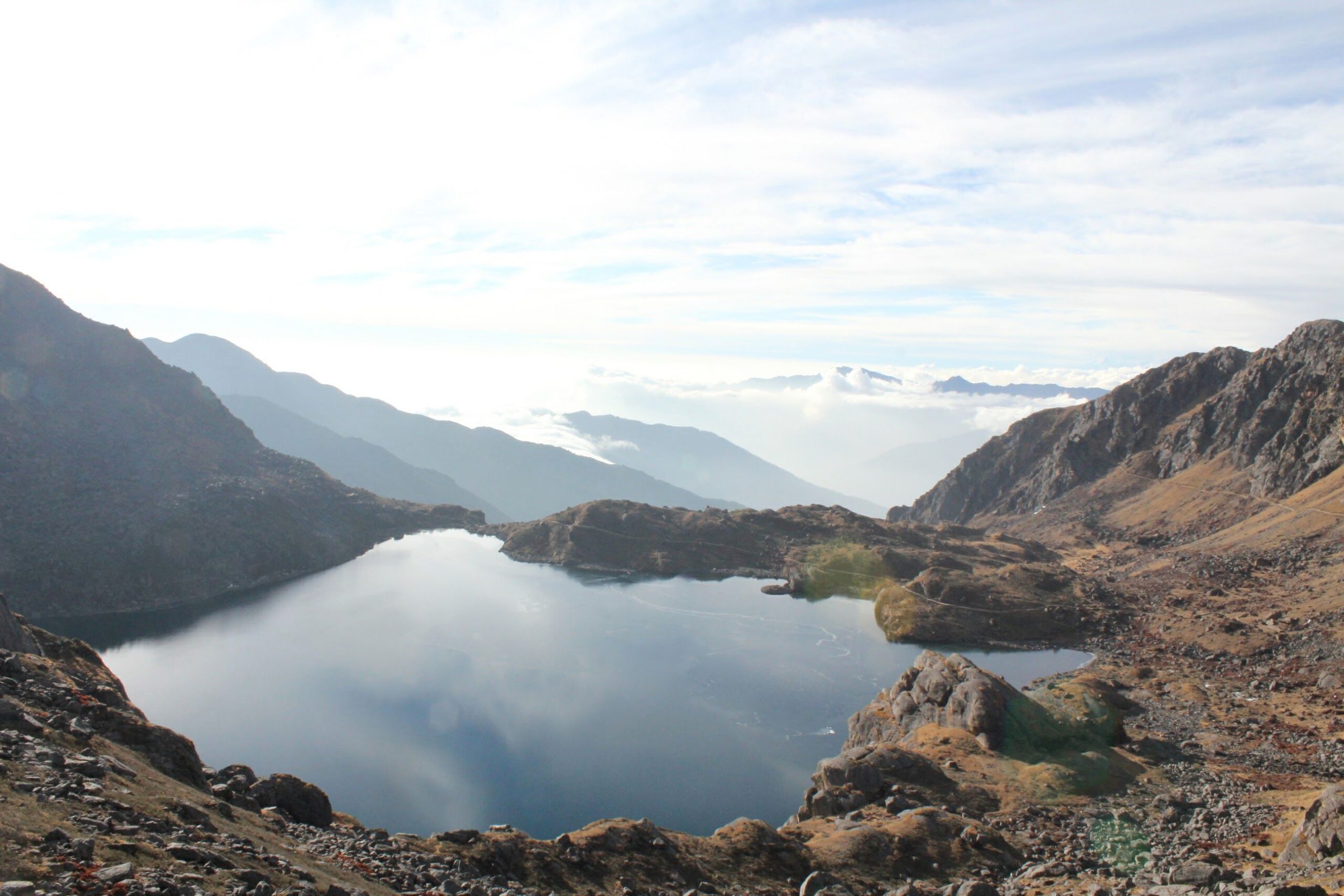
- Visit the sacred Gosaikunda Lake, one of Nepal's most revered high-altitude pilgrimage destinations, surrounded by dramatic mountain terrain.
- Cross the challenging Gosaikunda Pass at around 4,380 meters, adding an exciting high-altitude adventure to the trek.
- Walk across changing Himalayan landscapes, from dense forests and green hills to rocky alpine trails and glacial lake surroundings.
- Explore Chandanbari and the scenic trails of the Helambu region, experiencing a different cultural and geographical atmosphere from the Langtang Valley.
- Pass through peaceful settlements such as Thulo Syabru, Ghopte, and Kudumsang, where the quieter side of Himalayan trekking can be appreciated.
- Enjoy the scenic beauty of Chisapani, a popular hilltop destination known for its relaxing atmosphere and impressive views across the surrounding Himalayan landscape.
- Combine adventure and spirituality by connecting the Buddhist cultural heritage of Langtang with the sacred Hindu and Buddhist significance of Gosaikunda.
- Experience a diverse trekking route that includes mountain valleys, forests, high passes, alpine lakes, traditional villages, and panoramic viewpoints.
- Travel with the local expertise of Himalayan Sherpa Exodus Team Treks & Expeditions Pvt. Ltd., with an emphasis on responsible trekking, experienced guidance, personalized service, and a meaningful Himalayan experience.
- Enjoy a complete Himalayan journey in 14 days, making this trek a strong option for travelers who want to experience the beauty and cultural diversity of the Langtang and Gosaikunda regions within a carefully planned timeframe.
Day 01 :
Arrival in Kathmandu and Transfer to Hotel
Altitude: 1,365 m / 4,477 ft
Drive Distance: Approximately 5–8 km, depending on hotel location
Driving Time: Approximately 20–40 minutes
Welcome to Kathmandu, the vibrant capital city of Nepal and the starting point of your Langtang Gosaikunda Pass Trek. Upon your arrival at Tribhuvan International Airport, a representative from Himalayan Sherpa Exodus Team Treks & Expeditions Pvt. Ltd. will receive you and transfer you to your hotel.
After checking in, you can take some time to rest and recover from your journey. Depending on your arrival time, you may explore the nearby streets of Thamel or simply relax at the hotel. In the evening, your trekking team will provide a detailed briefing about the upcoming adventure, including the route, daily walking schedule, safety procedures, and essential preparations.
Overnight: Hotel in Kathmandu
Meals: Welcome Dinner
Day 02 :
Drive from Kathmandu to Syabrubesi or Thulosyabru
Altitude: 1,460 m / 4,790 ft
Drive Distance: Approximately 122 km / 75.8 miles
Driving Time: 7–8 hours
After breakfast, your journey toward the Langtang region begins. You will leave Kathmandu and drive north through winding mountain roads, passing along beautiful hills, terraced farmland, rivers, and traditional settlements.
The road gradually moves away from the busy Kathmandu Valley and enters a more rural Himalayan environment. Along the way, you will enjoy views of green hills and river valleys, while the scenery becomes increasingly mountainous as you approach the Langtang region.
After several hours of driving, you will reach Syabrubesi, a lively mountain settlement and one of the main gateways to Langtang Valley. Here, you will spend the night and prepare for the first full day of trekking.
Overnight: Teahouse/Lodge in Syabrubesi
Meals: Breakfast, Lunch & Dinner
Day 03 :
Trek from Syabrubesi to Lama Hotel
Altitude: 2,240 m / 7,349 ft
Walking Distance: Approximately 11.3 km / 7 miles
Walking Time: Approximately 5–6 hours
After breakfast, you begin your first day on the Langtang trekking trail. The route follows the Langtang Khola, gradually moving through a beautiful forested landscape.
The trail crosses several small streams and passes through dense woodland filled with oak, rhododendron, bamboo, and pine trees. Depending on the season, the forest may be decorated with colorful rhododendron flowers, making the walk particularly scenic.
As you continue uphill, you will pass small settlements and peaceful sections of the trail before reaching Lama Hotel, a quiet riverside settlement surrounded by dense Himalayan forest.
This is a moderate day of trekking and provides a gradual introduction to the altitude and terrain of the Langtang region.
Overnight: Teahouse/Lodge at Lama Hotel
Meals: Breakfast, Lunch & Dinner
Day 04 :
Trek from Lama Hotel to Langtang Village
Altitude: 3,430 m / 11,253 ft
Walking Distance: Approximately 14.8 km / 9.1 miles
Walking Time: Approximately 5–6 hours
Today, the trail continues deeper into the spectacular Langtang Valley. After breakfast, you follow the river upstream through a combination of forested paths and increasingly open mountain terrain.
The trail gradually climbs toward Ghore Tabela, where the landscape begins to change as you gain elevation. The dense forest slowly gives way to more open alpine surroundings, and the Himalayan peaks become increasingly visible.
Continuing along the valley, you will pass traditional settlements and encounter the unique cultural character of the Langtang communities. The surrounding mountains create an impressive backdrop as you approach Langtang Village.
After arriving at the village, you can explore the local surroundings and experience the peaceful atmosphere of this historic Himalayan settlement. The village offers an excellent opportunity to observe traditional mountain life and the cultural heritage of the region.
Overnight: Teahouse/Lodge in Langtang Village
Meals: Breakfast, Lunch & Dinner
Day 05 :
Trek from Langtang Village to Kyanjin Gompa
Altitude: 3,850 m / 12,631 ft
Walking Distance: Approximately 6.8 km / 4.2 miles
Walking Time: Approximately 3–4 hours
Today's trek is relatively short but takes you into the higher alpine landscape of Langtang Valley. After breakfast, you leave Langtang Village and continue along a gradually ascending trail toward Kyanjin Gompa.
The route passes through open mountain terrain with spectacular views of surrounding peaks and glaciers. You will walk through smaller settlements and yak pasture areas while enjoying an increasingly dramatic Himalayan panorama.
As you approach Kyanjin Gompa, the scenery becomes more expansive, with towering snow-covered peaks surrounding the valley. Upon arrival, you will check into your teahouse and have time to rest and acclimatize.
Depending on your energy level and weather conditions, you can take a short walk around the settlement to explore the surroundings. The area around Kyanjin Gompa is particularly beautiful in the afternoon when the changing mountain light creates stunning views across the valley.
Kyanjin Gompa will also serve as your base for the following day's high-altitude excursion.
Overnight: Teahouse/Lodge at Kyanjin Gompa
Meals: Breakfast, Lunch & Dinner
Day 06 :
Hike to Kyanjin Ri or Tserko Ri and Return to Kyanjin Gompa
Kyanjin Gompa: 3,850 m / 12,631 ft
Kyanjin Ri: Approximately 4,773 m / 15,659 ft
Tserko Ri: Approximately 4,984 m / 16,352 ft
Walking Distance: Approximately 10–12 km round trip, depending on the viewpoint selected
Walking Time: Approximately 7–8 hours
Today is one of the most exciting and rewarding days of the entire Langtang Gosaikunda Pass Trek. You will undertake a challenging high-altitude hike from Kyanjin Gompa to either Kyanjin Ri or Tserko Ri, depending on weather, trail conditions, and the group's physical condition.
For a shorter and comparatively accessible option, you can hike toward Kyanjin Ri, which offers impressive panoramic views over the Langtang Valley and surrounding Himalayan peaks.
For trekkers looking for a more demanding adventure, Tserko Ri provides a higher viewpoint and a challenging full-day excursion. The trail climbs steadily through rugged alpine terrain, requiring a strong pace, patience, and good physical fitness.
From the high viewpoint, you can enjoy spectacular views of the surrounding Himalayan landscape, including snow-covered peaks, glaciers, and the vast upper Langtang Valley. The sense of achievement after reaching the summit viewpoint makes this one of the memorable highlights of the trek.
After spending time enjoying the mountain panorama and taking photographs, you descend carefully back toward Kyanjin Gompa. The descent is generally easier than the ascent but still requires attention due to the steep and uneven terrain.
You will return to Kyanjin Gompa in the afternoon or early evening, where you can relax and enjoy a well-earned meal.
Overnight: Teahouse/Lodge at Kyanjin Gompa
Meals: Breakfast, Lunch & Dinner
Note: The choice between Kyanjin Ri and Tserko Ri should be made according to weather conditions, individual fitness, acclimatization, and the guidance of your trekking guide. Trekking to Tserko Ri is more physically demanding and may require additional time.
Day 07 :
Trek from Kyanjin Gompa to Lama Hotel
Altitude: 2,240 m / 7,349 ft
Walking Distance: Approximately 15 km / 9.3 miles
Walking Time: Approximately 7–8 hours
After breakfast, you leave the beautiful alpine settlement of Kyanjin Gompa and begin your return journey through the Langtang Valley. Today's trail follows the same general route back toward the lower valley, but the downhill journey offers a different perspective of the surrounding landscape.
You will gradually descend through open mountain terrain before re-entering the forests of the Langtang region. The trail passes through areas around Langtang Village and Ghore Tabela, followed by a long descent through rhododendron, pine, oak, and bamboo forests.
The sound of the Langtang Khola accompanies much of the walk as you continue toward Lama Hotel. After a long day on the trail, you arrive at Lama Hotel and settle into your teahouse for the evening.
Overnight: Teahouse/Lodge at Lama Hotel
Meals: Breakfast, Lunch & Dinner
Day 08 :
Trek from Lama Hotel to Thulo Syabru
Altitude: 2,230 m / 7,316 ft
Walking Distance: Approximately 11–12 km / 6.8–7.5 miles
Walking Time: Approximately 5–6 hours
Today, you leave Lama Hotel and continue toward the traditional village of Thulo Syabru. Rather than simply retracing the previous route all the way to Syabrubesi, the trail takes you toward the Gosaikunda trekking area.
The route passes through beautiful forests and hillside trails with occasional views of the surrounding mountains. The landscape gradually changes as you move between forested sections and more open village areas.
Thulo Syabru is a charming hillside settlement inhabited mainly by Tamang communities. The village provides an excellent opportunity to experience local Himalayan culture, traditional architecture, and the warm hospitality of the mountain people.
After reaching the village, you can relax and enjoy the peaceful surroundings while preparing for the higher-altitude journey toward Gosaikunda.
Overnight: Teahouse/Lodge in Thulo Syabru
Meals: Breakfast, Lunch & Dinner
Day 09 :
Trek from Thulo Syabru to Chandanbari
Altitude: Approximately 3,250 m / 10,663 ft
Walking Distance: Approximately 7–8 km / 4.3–5 miles
Walking Time: Approximately 4–5 hours
After breakfast, you continue climbing toward Chandanbari, a beautiful settlement surrounded by Himalayan forest. The trail gradually gains elevation through peaceful woodland, offering a refreshing contrast to the more rugged alpine landscapes experienced earlier in the trek.
As you climb higher, the surrounding vegetation begins to change with the increasing altitude. The route passes through rhododendron and pine forests, with occasional openings that provide glimpses of the hills and mountains.
Chandanbari is well known as a stop on the Gosaikunda route and is also associated with the traditional yak cheese production of the region. Upon arrival, you can explore the village and enjoy the quiet mountain atmosphere.
This relatively shorter trekking day also helps your body adjust gradually before reaching the higher elevations around Gosaikunda.
Overnight: Teahouse/Lodge in Chandanbari
Meals: Breakfast, Lunch & Dinner
Day 10 :
Trek from Chandanbari to Gosaikunda
Altitude: 4,380 m / 14,370 ft
Walking Distance: Approximately 9–10 km / 5.5–6.2 miles
Walking Time: Approximately 5–6 hours
Today's journey takes you deeper into the high-altitude environment of the Gosaikunda region. After breakfast, you leave Chandanbari and follow the gradually ascending trail toward the sacred alpine lake of Gosaikunda.
The vegetation becomes increasingly sparse as you gain altitude, and the landscape changes from forested hills to rugged mountain terrain. Along the way, you will encounter several smaller lakes and dramatic rocky landscapes.
As the trail climbs higher, the first views of the sacred lake region begin to appear. Eventually, you reach Gosaikunda Lake, one of Nepal's most revered high-altitude pilgrimage sites.
Surrounded by rugged mountains, the deep blue waters of Gosaikunda create a striking contrast with the surrounding landscape. The lake holds great religious significance for both Hindu and Buddhist communities, and the area is particularly important during the annual Janai Purnima pilgrimage.
You will spend the evening near Gosaikunda, enjoying the peaceful atmosphere of this remarkable Himalayan destination.
Overnight: Teahouse/Lodge near Gosaikunda
Meals: Breakfast, Lunch & Dinner
Day 11 :
Cross Gosaikunda Pass and Trek to Ghopte
Gosaikunda Pass: Approximately 4,380 m / 14,370 ft
Ghopte: Approximately 3,530 m / 11,581 ft
Walking Distance: Approximately 13–14 km / 8–8.7 miles
Walking Time: Approximately 7–8 hours
Today is one of the most challenging and adventurous sections of the trek. You begin the morning by leaving the Gosaikunda area and continuing across the high-altitude trail toward Gosaikunda Pass.
The route passes through a dramatic alpine landscape with rocky terrain, high mountain ridges, and panoramic views of the surrounding Himalayan region. The thin air and steep sections make this a demanding day, so a steady pace and proper hydration are important.
After crossing the high point of the route, the trail gradually descends toward the quieter settlement of Ghopte. The scenery changes once again as you move from the exposed alpine environment into more sheltered mountain terrain.
The descent can be physically demanding after the high-altitude crossing, but reaching Ghopte provides a welcome opportunity to rest and recover.
Overnight: Teahouse/Lodge in Ghopte
Meals: Breakfast, Lunch & Dinner
Day 12 :
Trek from Ghopte to Kudumsang
Altitude: Approximately 2,470 m / 8,104 ft
Walking Distance: Approximately 11–12 km / 6.8–7.5 miles
Walking Time: Approximately 5–6 hours
After breakfast, you continue your descent toward Kudumsang. Today's trail gradually moves away from the high alpine landscape and returns to greener, more forested surroundings.
The route passes through peaceful woodland, open ridges, and traditional mountain trails. As you lose elevation, the air becomes warmer and the vegetation becomes denser.
This section of the trek provides a quieter experience, with fewer trekkers compared to the main Langtang Valley route. You will have the opportunity to enjoy the peaceful surroundings and observe the changing landscape of the Helambu region.
After reaching Kudumsang, you can relax at the teahouse and enjoy the final evening of your Himalayan trekking experience.
Overnight: Teahouse/Lodge in Kudumsang
Meals: Breakfast, Lunch & Dinner
Day 13 :
Trek from Kudumsang to Chisapani and Drive to Kathmandu
Chisapani Altitude: Approximately 2,160 m / 7,087 ft
Walking Distance: Approximately 10–12 km / 6.2–7.5 miles
Walking Time: Approximately 4–5 hours
Drive Distance: Approximately 25–30 km / 15.5–18.6 miles
Driving Time: Approximately 1.5–2.5 hours, depending on road and traffic conditions
Your final day of trekking begins with a pleasant walk through the green hills and forested trails of the Helambu region. The route leads toward Chisapani, a scenic hilltop settlement famous for its peaceful surroundings and panoramic views.
The trail passes through forests and local villages, providing a relaxing conclusion to the trekking portion of the journey. After reaching Chisapani, you can take some time to enjoy the surrounding landscape and have lunch before continuing by road.
You then drive toward Kathmandu. As you leave the mountain trails behind, the road gradually enters more developed areas and eventually brings you back to the Kathmandu Valley.
Upon arrival in Kathmandu, you will be transferred to your hotel in Thamel. The evening is free for relaxation, shopping, or exploring the lively streets of Kathmandu.
Overnight: Hotel in Kathmandu
Meals: Breakfast & Lunch
Day 14 :
Final Departure from Kathmandu
Altitude: Kathmandu – 1,365 m / 4,477 ft
Transfer: Hotel to Tribhuvan International Airport
Driving Time: Approximately 20–40 minutes, depending on traffic and hotel location
Your memorable 14 Days Langtang Gosaikunda Pass Trek comes to an end today. After breakfast, you will have free time depending on your flight schedule.
A representative from Himalayan Sherpa Exodus Team Treks & Expeditions Pvt. Ltd. will assist you with your airport transfer and ensure you reach Tribhuvan International Airport in time for your onward flight.
As you depart Nepal, you take home unforgettable memories of the Langtang Valley, Kyanjin Gompa, high Himalayan viewpoints, sacred Gosaikunda Lake, challenging mountain trails, and the warm hospitality of the Himalayan communities.
We hope to welcome you again for another Himalayan adventure with Himalayan Sherpa Exodus Team Treks & Expeditions Pvt. Ltd.
Meals: Breakfast
Langtang Gosaikunda Pass Trek
The Trip Package Cost Includes
- Airport pickup and drop-off in Kathmandu by private vehicle.
- Hotel accommodation in Kathmandu as mentioned in the itinerary.
- Teahouse or lodge accommodation throughout the trekking period.
- Three meals a day during the trek, including breakfast, lunch, and dinner.
- Welcome and farewell meals as per the program.
- Experienced, licensed, English-speaking trekking guide.
- Porter service with appropriate porter-to-trekker ratio.
- Transportation from Kathmandu to Syabrubesi by public or private tourist vehicle as arranged.
- Transportation from Chisapani to Kathmandu at the end of the trek.
- Necessary trekking permits, including Langtang National Park entry permit and applicable local area permits.
- TIMS card or applicable trekking registration fees.
- Guide and porter wages, accommodation, food, and insurance.
- Basic trekking equipment provided by the company when required, such as sleeping bags and down jackets, subject to availability.
- Trekking route planning and pre-trek briefing.
- First-aid kit carried by the trekking team.
- Government taxes and applicable service charges.
The Trip Package Cost Excludes
- International airfare to and from Nepal.
- Nepal entry visa fee.
- Travel and medical insurance.
- Personal expenses such as laundry, souvenirs, snacks, and alcoholic beverages.
- Additional hotel nights in Kathmandu caused by early arrival, late departure, or an unplanned change in the itinerary.
- Meals and accommodation in Kathmandu unless specifically mentioned in the itinerary.
- Personal trekking gear and clothing.
- Bottled water, hot showers, and other optional services available at teahouses.
- Internet/Wi-Fi and device charging fees along the trekking route.
- Emergency evacuation or helicopter rescue charges.
- Expenses arising from flight delays, road closures, landslides, bad weather, political disturbances, or other unforeseen circumstances.
- Tips for guides, porters, and other supporting staff.
- Any service or expense not specifically listed under the "Cost Includes" section.
Best Time to Trek
The 14 Days Langtang Gosaikunda Pass Trek can be organized during several seasons, but spring and autumn are generally considered the most favorable periods for this journey.
Spring Season – March to May : Spring brings pleasant trekking conditions, relatively stable weather, and colorful landscapes. The lower sections of the trail are particularly attractive during this season, when rhododendron forests may be in bloom. The higher sections around Kyanjin Gompa and Gosaikunda also offer excellent mountain scenery when visibility is good.
Autumn Season – September to November : Autumn is another excellent period for trekking in the Langtang and Gosaikunda regions. The monsoon season has usually cleared the atmosphere, resulting in clearer mountain views and generally favorable trail conditions. The crisp Himalayan air and excellent visibility make this season especially popular.
Winter Season – December to February : Winter trekking is possible for experienced trekkers, but temperatures can be very cold at higher elevations. Snowfall may affect the trail around Gosaikunda Pass and other high sections. The itinerary may need to be adjusted according to snow conditions and the latest advice from the trekking guide.
Monsoon Season – June to August : The monsoon months bring frequent rainfall, slippery trails, cloudy mountain views, and a higher possibility of landslides on road sections. Trekking is still possible with proper preparation, but the experience can be more challenging. Travelers choosing this season should remain flexible with their schedule.
Our recommendation: For the best combination of comfortable trekking conditions, clear mountain scenery, and enjoyable trail experiences, March to May and September to November are generally the preferred seasons.
Trek Difficulty
The 14 Days Langtang Gosaikunda Pass Trek is best described as a moderate to challenging Himalayan trek. It does not require technical mountaineering skills, but trekkers should be prepared for long walking days, steep ascents and descents, and high-altitude terrain.
The trek becomes more demanding as the route climbs toward Kyanjin Ri/Tserko Ri and later reaches the high-altitude landscape around Gosaikunda and the pass section at approximately 4,380 meters.
The main challenges include:
- Several days of continuous walking.
- Steep uphill and downhill sections.
- Rocky and uneven mountain trails.
- Long trekking days, particularly on viewpoint and pass-crossing days.
- Reduced oxygen levels at higher elevations.
- Potentially cold and unpredictable mountain weather.
- The need to maintain a steady pace over varied terrain.
Previous high-altitude trekking experience is helpful but not compulsory. A reasonably fit person with good preparation and a positive attitude can complete the trek with proper acclimatization and guidance.
We recommend preparing with regular walking, hiking, stair climbing, and cardiovascular exercise before arriving in Nepal. The ability to walk for several hours on consecutive days will make the journey considerably more comfortable.
Acclimatization & Altitude Sickness
Altitude awareness is an important part of the Langtang Gosaikunda Pass Trek because the route reaches elevations of nearly 5,000 meters during the Kyanjin Ri or Tserko Ri excursion and crosses a high-altitude section near Gosaikunda.
Our itinerary is designed with gradual elevation gain and strategically placed overnight stops to give your body time to adapt. The stay around Kyanjin Gompa is particularly valuable because it allows trekkers to explore the higher viewpoint while returning to the same accommodation for the night.
Common symptoms of altitude sickness can include:
- Headache.
- Loss of appetite.
- Nausea.
- Dizziness.
- Unusual tiredness.
- Difficulty sleeping.
- Shortness of breath during physical activity.
To reduce the risk of altitude-related problems, trekkers should:
- Ascend gradually and follow the planned itinerary.
- Walk at a comfortable and consistent pace.
- Drink sufficient water throughout the day.
- Avoid excessive alcohol at higher elevations.
- Eat regular and nutritious meals.
- Inform the guide immediately if you experience unusual symptoms.
- Never ignore worsening altitude sickness symptoms.
Your trekking guide will monitor your condition throughout the journey. If serious symptoms develop, the itinerary may need to be modified, and descending to a lower altitude is often the safest response. Emergency evacuation arrangements should be supported by appropriate travel insurance.
Important: The high-altitude hikes to Kyanjin Ri or Tserko Ri are optional and should be attempted only when weather, health, acclimatization, and trail conditions are favorable.
Himalayan Culture & Ancient Monasteries
The 14 Days Langtang Gosaikunda Pass Trek is not only a journey through spectacular mountain landscapes; it is also an opportunity to experience the cultural richness of the Himalayan communities.
The Langtang region is strongly influenced by Tamang and Tibetan Buddhist traditions. As you walk through villages and mountain settlements, you will encounter prayer flags, mani walls, prayer wheels, chortens, and Buddhist symbols that reflect the spiritual character of the region.
Kyanjin Gompa is one of the cultural highlights of the journey. Located in the upper Langtang Valley, the gompa provides an insight into the Buddhist heritage and spiritual traditions of the local communities. The surrounding landscape, traditional architecture, and peaceful atmosphere make the area particularly meaningful for visitors interested in Himalayan culture.
Along the trail, you can also observe traditional village lifestyles, local farming practices, yak and livestock herding, and the hospitality of mountain communities. The interaction with local people provides a deeper understanding of how Himalayan families have adapted their lives to challenging high-altitude environments.
The journey toward Gosaikunda introduces another important spiritual dimension. Gosaikunda is regarded as a sacred lake by Hindu and Buddhist pilgrims and holds a special place in Nepal’s religious landscape. During the annual Janai Purnima festival, thousands of pilgrims traditionally travel to the lake to perform religious rituals and take holy baths.
The combination of Buddhist heritage in Langtang, sacred Himalayan landscapes, traditional mountain communities, and the religious importance of Gosaikunda makes this trek culturally diverse as well as naturally spectacular.
For travelers, the most meaningful part of the experience is often not simply visiting a monastery or sacred lake, but understanding the connection between the Himalayan people, their spiritual beliefs, and the mountains that have shaped their way of life for generations.
Preparation Guide
Proper preparation is the key to enjoying the 14 Days Langtang Gosaikunda Pass Trek safely and comfortably. This journey includes several long walking days, steep ascents and descents, and high-altitude sections reaching above 4,000 meters. The optional hike to Kyanjin Ri or Tserko Ri also requires good physical stamina.
We recommend starting your preparation at least 4–8 weeks before departure. Regular walking, hiking, stair climbing, jogging, cycling, or other cardiovascular exercises can help improve your endurance. Before coming to Nepal, trekkers should:
- Practice walking for several hours on consecutive days.
- Include uphill and downhill walking in your training.
- Strengthen your legs and core muscles.
- Wear your trekking boots during training to break them in.
- Prepare suitable clothing for both warm and cold conditions.
- Carry a comfortable backpack and test its weight before the trek.
- Consult your doctor if you have any pre-existing medical concerns.
- Maintain good hydration and nutrition before and during the trek.
- Prepare mentally for changing weather and variable trail conditions.
- Make sure your passport, visa, insurance, permits, and travel documents are in order.
Good preparation does not mean you need to be an athlete. A healthy person with reasonable fitness, proper pacing, and a positive mindset can enjoy this trek with the support of an experienced guide.
Weather & Climate
The weather along the Langtang Gosaikunda Pass Trek changes considerably with altitude and season. Lower sections around Syabrubesi and the forested valleys can be relatively warm, while temperatures around Kyanjin Gompa and Gosaikunda can be significantly colder.
Spring – March to May : Spring is one of the most enjoyable seasons for trekking. Days are generally comfortable for walking, and the lower forests may feature blooming rhododendrons. Higher elevations remain cold, particularly in the mornings and evenings.
Summer/Monsoon – June to August : The monsoon season brings frequent rain, cloudy skies, wet and slippery trails, and possible landslides on road sections. However, the region can still be visited with proper rain protection and flexible planning.
Autumn – September to November : Autumn generally offers excellent trekking conditions. The weather is often stable, the skies can be clear, and mountain visibility is usually good. This is one of the most popular periods for trekking in the Langtang region.
Winter – December to February : Winter brings cold temperatures and possible snowfall at higher elevations. The Gosaikunda Pass section and high viewpoints can become more challenging due to snow and icy trails. Proper winter equipment and experienced local guidance are essential.
Because mountain weather can change quickly, trekkers should always carry suitable layers and rain or snow protection regardless of the season.
Accommodation
Accommodation during the 14 Days Langtang Gosaikunda Pass Trek is primarily provided in locally operated teahouses and trekking lodges.
Most teahouses offer simple, clean, and comfortable rooms with twin beds. Facilities become increasingly basic as you move toward higher and more remote areas.
Typical accommodation may include:
- Twin-sharing rooms.
- Basic beds and mattresses.
- Blankets, although a good-quality sleeping bag is recommended.
- Shared bathroom facilities in many locations.
- Dining rooms with heating in some lodges.
- Limited hot shower facilities for an additional charge.
At higher elevations, accommodation options are more limited, so comfort and facilities should be viewed as part of the authentic Himalayan trekking experience rather than a luxury hotel stay.
Our team selects accommodation based on availability, cleanliness, location, and the practical needs of the trekking group.
Meals During the Trek
Food is an important part of maintaining energy during a high-altitude trek. The teahouses along the route generally offer a variety of simple but nutritious meals.
Typical breakfast options may include:
- Tibetan bread.
- Toast and jam.
- Eggs.
- Pancakes.
- Porridge.
- Muesli.
- Tea or coffee.
Lunch and dinner commonly include:
- Dal Bhat with rice and lentils.
- Vegetable curry.
- Noodles.
- Fried rice.
- Pasta.
- Soup.
- Potatoes.
- Momos.
- Seasonal vegetables.
Dal Bhat is particularly popular among trekkers because it provides a filling combination of rice, lentils, vegetables, and curry and can help provide sustained energy for long walking days.
We encourage trekkers to eat sufficient carbohydrates and protein and to maintain regular meal times. Vegetarian meals are widely available, while special dietary requirements should be communicated to our team in advance.
Drinking Water
Staying properly hydrated is essential during the Langtang Gosaikunda Pass Trek, especially as you gain altitude.
Safe drinking water can generally be obtained from:
- Teahouses and lodges.
- Local water stations.
- Filtered or treated water sources.
- Bottled water where available.
To reduce plastic waste, we encourage trekkers to carry a reusable water bottle or hydration bladder and use water purification tablets, a portable filter, or other suitable purification methods.
At higher elevations, cold weather can reduce your sense of thirst, but your body still requires adequate fluids. Drinking regularly throughout the day can also help support your body’s adjustment to altitude.
Avoid drinking untreated natural water directly from streams or taps unless it has been properly purified.
Internet & Charging
Internet and mobile connectivity are available in some settlements along the trekking route, but the service becomes less reliable as you move into remote and higher-altitude areas.
Wi-Fi may be available at selected teahouses for an additional fee, although connection speeds can be slow or intermittent.
Electricity is generally available in many lodges, but charging electronic devices may involve an additional cost, particularly in remote locations.
We recommend carrying:
- A power bank.
- Spare batteries.
- A universal travel adapter.
- Charging cables for all essential devices.
- A headlamp with extra batteries.
Do not depend entirely on internet access during the trek. The mountain environment can experience temporary power or network interruptions, and the availability of charging facilities can vary from one lodge to another.
Travel Insurance
Comprehensive travel insurance is strongly recommended and should be arranged before starting the trek.
Your insurance policy should ideally cover:
- High-altitude trekking.
- Emergency medical treatment.
- Hospitalization.
- Emergency helicopter evacuation.
- Trip cancellation or interruption.
- Delays caused by weather or natural events.
- Lost, stolen, or damaged baggage.
Because this trek reaches high elevations and includes a pass crossing, it is important to check the maximum altitude covered by your insurance policy. Standard travel insurance may not automatically include trekking at higher elevations.
We recommend carrying both a digital and printed copy of your insurance details and emergency contact information.
Packing List
A suitable packing list will help you stay comfortable throughout the trek. Since the route includes warm lower valleys and cold high-altitude areas, a layered clothing system is recommended.
Clothing
- Moisture-wicking base layers.
- Fleece or warm mid-layer.
- Down or insulated jacket.
- Waterproof and windproof jacket.
- Trekking trousers.
- Warm thermal trousers.
- Lightweight T-shirts.
- Fleece jacket or sweater.
- Warm hat.
- Sun hat or cap.
- Gloves.
- Warm socks and spare pairs.
- Underwear.
Footwear
- Comfortable, waterproof trekking boots.
- Lightweight camp shoes or sandals.
- Trekking socks.
Trekking Equipment
- Comfortable daypack.
- Duffel bag for porter service.
- Trekking poles.
- Sleeping bag suitable for cold temperatures.
- Headlamp with spare batteries.
- Water bottle or hydration bladder.
- Sunglasses with UV protection.
- Water purification tablets or filtration system.
Personal & Health Items
- Sunscreen.
- Lip balm with SPF.
- Personal medications.
- Basic first-aid supplies.
- Hand sanitizer.
- Personal toiletries.
- Quick-drying towel.
- Wet wipes.
- Small personal hygiene kit.
Electronics & Documents
- Mobile phone.
- Camera.
- Power bank.
- Universal adapter.
- Passport.
- Nepal visa documents.
- Travel insurance details.
- Emergency contact information.
- Copies of important documents.
Tip: Pack as lightly as possible. Keep essential personal items in your daypack and use a durable duffel bag for the belongings carried by the porter.
Safety Measures
Safety is one of the highest priorities throughout the 14 Days Langtang Gosaikunda Pass Trek. Our experienced guides monitor trail conditions, weather, altitude, and the general health of trekkers throughout the journey.
For a safer experience:
- Follow the instructions of your trekking guide.
- Maintain a comfortable walking pace.
- Do not rush to gain altitude.
- Drink enough water throughout the day.
- Inform your guide immediately about any unusual symptoms.
- Never ignore signs of altitude sickness.
- Stay with the group on unfamiliar trails.
- Use trekking poles on steep or slippery sections.
- Take extra care on rocky, snowy, or icy terrain.
- Carry appropriate rain and cold-weather protection.
- Avoid walking alone, particularly in remote areas.
- Keep important documents and valuables secure.
- Respect local communities, wildlife, and the natural environment.
Weather conditions can occasionally cause changes to the itinerary. In such circumstances, our guide and management team will prioritize the safety of the group and may adjust the route or schedule when necessary.
Frequently Asked Questions (FAQ)
1. How difficult is the 14 Days Langtang Gosaikunda Pass Trek?
The trek is considered moderate to challenging. It involves several long walking days, steep ascents and descents, and high-altitude sections. Good physical fitness and proper preparation are recommended.
2. What is the highest point of the trek?
The itinerary includes high-altitude excursions to Kyanjin Ri or Tserko Ri, with Tserko Ri reaching approximately 4,984 meters. The route also crosses the Gosaikunda Pass section at around 4,380 meters.
3. Do I need previous trekking experience?
Previous trekking experience is helpful but not essential. Trekkers should be physically fit, comfortable walking for several hours a day, and prepared for high-altitude conditions.
4. Is acclimatization included in the itinerary?
Yes. The itinerary allows time around Kyanjin Gompa for acclimatization and a high-altitude excursion. The trekking pace is planned to support gradual adaptation to increasing elevation.
5. Can I choose between Kyanjin Ri and Tserko Ri?
Yes, depending on weather, trail conditions, fitness, and your guide’s recommendation. Tserko Ri is the more demanding option, while Kyanjin Ri is generally a shorter alternative.
6. Is Gosaikunda a religious destination?
Yes. Gosaikunda is a sacred alpine lake with deep religious importance for Hindu and Buddhist communities. It is especially significant during the annual Janai Purnima festival.
7. What type of accommodation is available?
Accommodation is mainly in basic mountain teahouses and lodges. Rooms are generally twin-sharing, while bathroom facilities may be shared.
8. What kind of food is available during the trek?
Teahouses generally serve meals such as Dal Bhat, noodles, fried rice, pasta, soup, momos, potatoes, eggs, pancakes, and vegetables. Vegetarian food is widely available.
9. Can I get hot showers during the trek?
Hot showers may be available at some teahouses for an additional fee. Availability becomes more limited at higher elevations.
10. Is Wi-Fi available on the trekking route?
Wi-Fi may be available in some villages and lodges, but the connection can be slow or unreliable. Mobile network coverage also varies by location.
11. Do I need to carry drinking water?
You should carry a reusable water bottle or hydration bladder. Water can generally be obtained along the route, but it should be properly filtered or treated before drinking.
12. What happens if I become sick at high altitude?
Your guide will monitor your condition and help determine the safest course of action. Depending on the severity of symptoms, this may include rest, descending to a lower elevation, medical treatment, or emergency evacuation when necessary.
13. Is travel insurance mandatory?
Comprehensive travel insurance is strongly recommended. It should specifically cover high-altitude trekking and emergency helicopter evacuation.
14. Can the itinerary change due to weather?
Yes. Mountain weather can change quickly, and road or trail conditions may occasionally affect the schedule. Our team may modify the itinerary when necessary to maintain safety and comfort.
15. Is the trek suitable for solo travelers?
Yes. Solo travelers can join the trek with a private guide and porter arrangement or inquire about joining a group departure, depending on availability.
16. When is the best season for this trek?
Spring (March–May) and autumn (September–November) are generally the best seasons due to favorable trekking conditions and better mountain visibility. Winter and monsoon treks are also possible with appropriate preparation and flexible planning.
17. How should I prepare for the trek?
Start physical preparation several weeks before departure with regular walking, hiking, stair climbing, or cardiovascular exercise. Focus especially on building endurance for long uphill and downhill sections.
18. Why choose Himalayan Sherpa Exodus Team Treks & Expeditions Pvt. Ltd.?
Our team combines local Himalayan knowledge, experienced trekking guides, careful itinerary planning, and personalized service to create a safe and meaningful trekking experience. We aim to connect travelers not only with Nepal’s mountains but also with its communities, cultures, and natural heritage.
Be Well Prepared for Your Trek in Nepal
Proper preparation is the key to a safe, comfortable, and enjoyable trekking experience in Nepal. Please use this equipment guide to prepare the essential clothing, footwear, personal items, health and safety gear, and other trekking necessities according to your chosen route and season.
Pack wisely, travel comfortably, and trek confidently with Himalayan Sherpa Exodus Team.

 4985M
 Moderate