Trip info
-
17 Days
-
Mustang
-
2+
-
 3840M
3840M -
 Moderate
 -
Spring (Mar - May) Autumn (Sep- Nov)
-
Nepal
Extend Your Trip
Best Time to Trek Upper Mustang
Upper Mustang is located in the rain-shadow area of the Himalayas, making it one of Nepal’s most suitable trekking destinations even during the monsoon season. However, the best trekking periods are generally considered to be spring and autumn, when the weather remains stable and the mountain views are at their finest.
Spring Season (March to May) : Spring brings pleasant temperatures, clear mountain views, and comfortable trekking conditions. The surrounding landscapes begin to show signs of new life, making the journey especially beautiful.
Autumn Season (September to November) : Autumn is widely regarded as the most favorable season for trekking in Upper Mustang. Clear skies, excellent visibility, and stable weather create ideal conditions for exploring the high Himalayan valleys.
Summer/Monsoon Season (June to August) : Unlike many trekking regions of Nepal, Upper Mustang receives limited rainfall due to the Annapurna and Dhaulagiri mountain barriers. The region remains accessible, making it a good alternative for trekkers seeking a quieter Himalayan experience.
Winter Season (December to February) : Winter trekking is possible for experienced travelers, although colder temperatures, snowfall, and limited accommodation availability can make the journey more challenging.
Pokhara – Jomsom – Pokhara Scenic Flight Experience
The flight between Pokhara and Jomsom is one of the most memorable parts of the Upper Mustang adventure. This short mountain flight travels through the spectacular Kali Gandaki Valley, surrounded by some of the world’s highest peaks, including the Annapurna and Dhaulagiri ranges.
As the aircraft flies between towering mountains, travelers can enjoy breathtaking aerial views of snow-covered peaks, deep river valleys, traditional villages, and dramatic Himalayan landscapes.
The flight also provides convenient access to the remote Mustang region, reducing travel time and allowing more opportunity to experience the unique culture and natural beauty of Upper Mustang.
Flight Duration: Approximately 20–25 minutes each way
Starting Point: Pokhara (827m/2,713ft)
Destination: Jomsom (2,700m/8,858ft)
Note: Flights in the Himalayan region operate depending on weather conditions, particularly wind patterns in the Kali Gandaki Valley.
Trek Difficulty
The Upper Mustang Trek is considered a moderate-level Himalayan trek suitable for trekkers with a reasonable level of physical fitness and preparation.
Although the trail does not involve extreme technical climbing, the high altitude, dry terrain, long walking hours, and remote environment require good stamina and proper preparation. Most trekking days involve approximately 5–7 hours of walking, with gradual ascents and descents through mountain passes and traditional settlements.
The trek reaches elevations above 3,700m, where altitude awareness becomes important. A balanced itinerary with gradual elevation gain and an acclimatization day at Lo-Manthang helps reduce altitude-related challenges.
Previous trekking experience is helpful but not mandatory. Regular walking, cardiovascular training, and mental readiness will greatly enhance the overall experience.
Acclimatization & Altitude Sickness Awareness
Altitude adjustment is an important aspect of any Himalayan journey. As the Upper Mustang Trek gradually reaches higher elevations, the body requires sufficient time to adapt to reduced oxygen levels.
The itinerary includes an acclimatization day at Lo-Manthang, allowing trekkers to rest, explore the surroundings, and prepare for higher sections of the route.
To support a safe trekking experience, travelers are encouraged to:
- Walk at a comfortable pace and avoid unnecessary physical strain.
- Drink sufficient water throughout the day.
- Maintain proper nutrition and rest.
- Inform the guide immediately if experiencing symptoms such as headache, dizziness, unusual tiredness, or breathing difficulties.
- Follow the guidance of experienced trekking staff.
With proper preparation, gradual ascent, and professional support, most healthy travelers can successfully enjoy the remarkable landscapes of Upper Mustang.
Himalayan Culture & Ancient Monasteries
Upper Mustang is not only a trekking destination but also a living cultural heritage region where Tibetan traditions have been preserved for centuries.
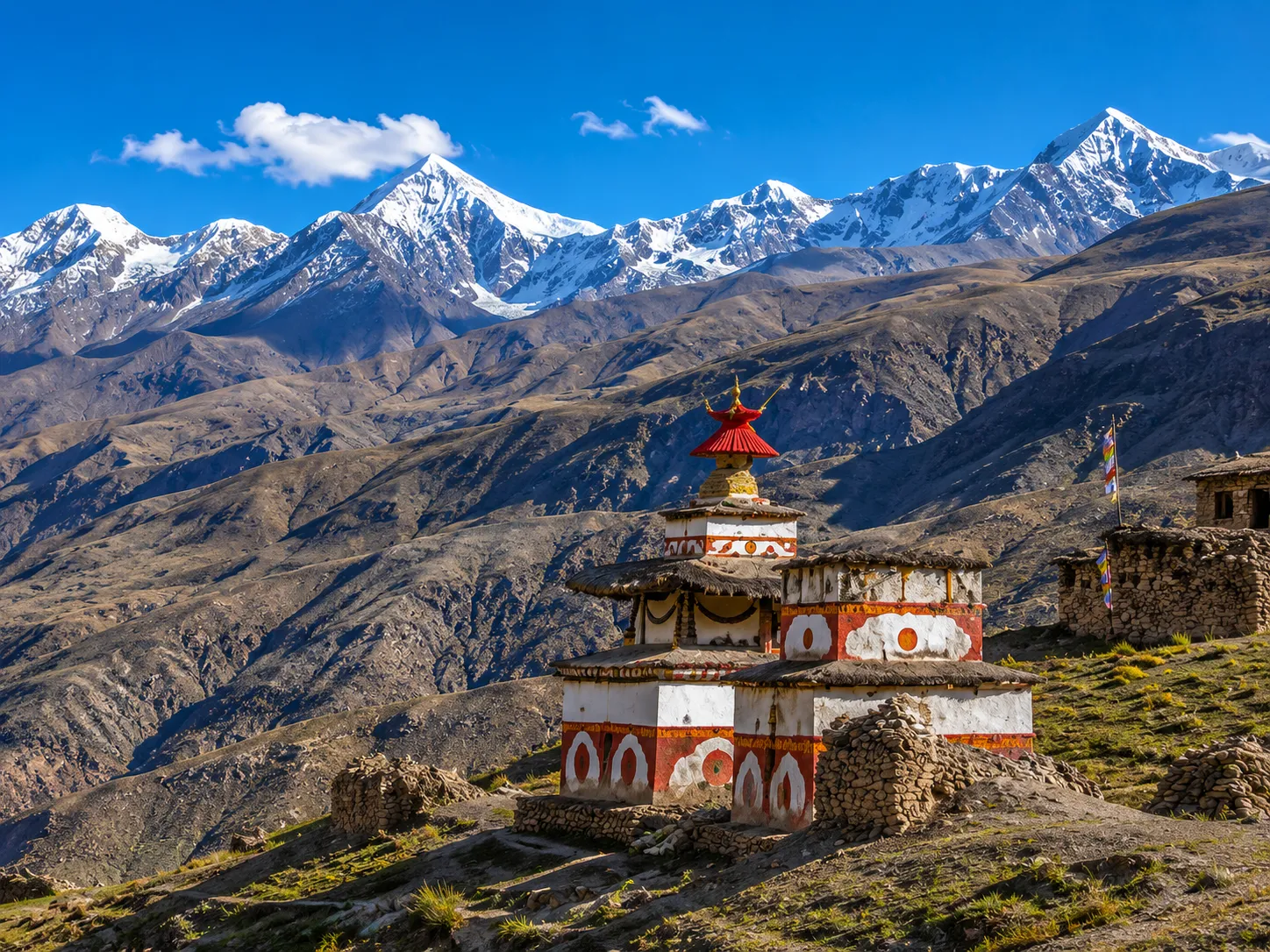
The journey passes through traditional villages where local communities continue their ancestral lifestyles, practicing Tibetan Buddhism, agriculture, and age-old customs. Stone-built houses, prayer walls, colorful monasteries, and sacred sites reflect the deep spiritual connection between the people and their Himalayan environment.
During the trek, travelers have opportunities to explore historic monasteries and cultural landmarks, including ancient Buddhist shrines and traditional settlements around Lo-Manthang, Tsarang, Ghami, and other villages.
The region offers a rare opportunity to experience a Himalayan civilization that has maintained its unique identity despite its remote location.
Preparation Guide for Upper Mustang Trek
A successful Upper Mustang Trek requires thoughtful preparation, as the journey combines high altitude, remote landscapes, and changing mountain conditions.
Physical Preparation
- Begin regular walking, hiking, or cardio exercises several weeks before the trek.
- Focus on improving endurance, leg strength, and overall fitness.
- Practice walking with a backpack to become comfortable with trekking conditions.
Personal Equipment
Recommended trekking essentials include:
- Comfortable trekking boots with good grip.
- Warm layers suitable for changing mountain temperatures.
- Waterproof jacket and trekking pants.
- Sunglasses, sunscreen, and sun protection.
- Warm hat, gloves, and thermal clothing.
- Personal medicine and basic health supplies.
- Reusable water bottle or hydration system.
Mental Preparation
The Upper Mustang Trek is a journey through remote Himalayan landscapes where facilities are simple compared to urban environments. A positive mindset, patience, and appreciation for local culture will make the experience more rewarding.
Travel Preparation
Before departure, trekkers should ensure:
- Valid passport and required travel documents.
- Appropriate travel insurance with high-altitude coverage.
- Necessary permits arranged through the trekking company.
- Understanding of the itinerary, weather conditions, and trekking expectations.
Weather & Climate
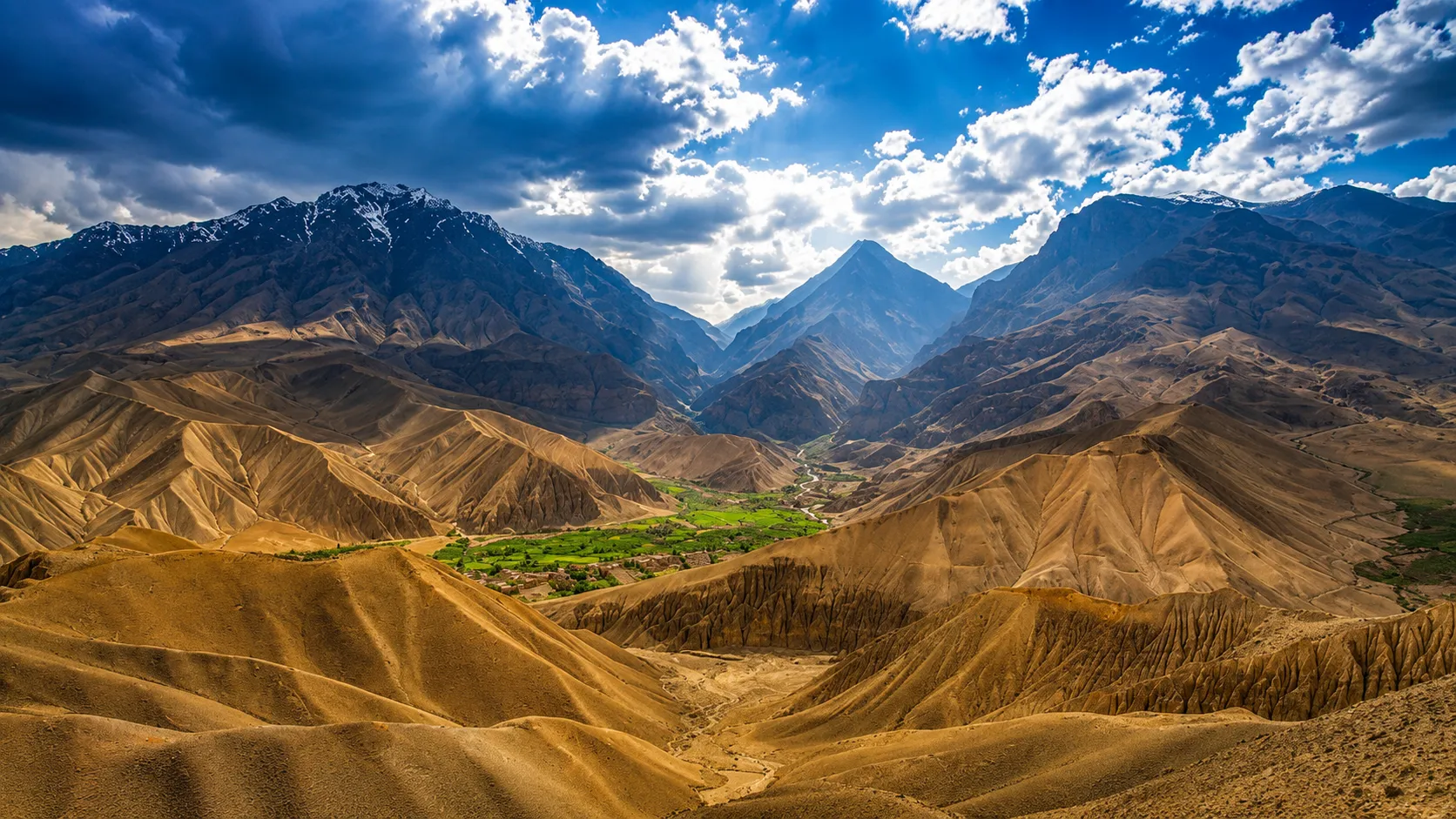
Upper Mustang has a unique geographical location within the rain-shadow area of the Himalayas, which makes its climate different from most trekking regions of Nepal. The region experiences a dry, semi-desert environment with clear skies, strong sunlight during the day, and cooler temperatures in the morning and evening.
The weather can change quickly due to the high-altitude environment; therefore, proper clothing and preparation are essential.
Spring (March to May) : Spring offers comfortable trekking conditions with moderate temperatures, clear mountain views, and pleasant walking environments. The landscapes begin to show seasonal changes, creating beautiful scenery throughout the journey.
Summer/Monsoon (June to August) : Due to the protection provided by the Annapurna and Dhaulagiri ranges, Upper Mustang receives relatively little rainfall compared to other parts of Nepal. This makes it one of the few Himalayan regions suitable for trekking during the monsoon period.
Autumn (September to November) : Autumn is considered the most favorable trekking season, offering stable weather, excellent visibility, and magnificent views of the surrounding Himalayan peaks.
Winter (December to February) : Winter brings colder temperatures, especially during mornings and nights. Trekking remains possible for experienced trekkers, although preparation for freezing conditions is necessary.
During the trek, daytime temperatures may feel comfortable under direct sunlight, while temperatures can drop significantly after sunset and at higher elevations.
Accommodation During the Trek
Accommodation during the Upper Mustang Trek is arranged in comfortable local tea houses and lodges operated by Himalayan communities.
The tea houses provide a simple yet authentic Himalayan experience, allowing trekkers to stay close to local culture and interact with village communities. Rooms generally include twin-sharing arrangements with basic bedding facilities.
Facilities become more basic as the trail enters remote areas; however, the warm hospitality of local families makes the experience memorable.
Typical facilities include:
- Twin-sharing rooms.
- Basic beds and blankets.
- Shared bathroom facilities in most locations.
- Dining areas with heating facilities where available.
- Opportunity to experience traditional Mustang hospitality.
In Kathmandu and Pokhara, accommodation is arranged in comfortable hotels with modern facilities.
Meals During the Trek
Food during the Upper Mustang Trek is carefully arranged to provide sufficient energy for long walking days at high altitude.
Tea houses along the route serve a variety of nutritious meals prepared according to local availability. While the food options are simpler than urban restaurants, they provide the necessary calories and nourishment required for trekking.
Typical meals include:
Breakfast
- Tibetan bread
- Pancakes
- Eggs
- Porridge
- Tea, coffee, and other hot drinks
Lunch and Dinner
- Dal Bhat (rice, lentils, and vegetables)
- Noodles and pasta dishes
- Soup and traditional local meals
- Vegetable dishes
- Potatoes, rice, and seasonal foods
Trekkers with specific dietary requirements such as vegetarian, vegan, or food allergies should inform the trekking team in advance so suitable arrangements can be made.
Drinking Water
Maintaining proper hydration is extremely important during the Upper Mustang Trek due to the dry climate and high altitude.
Safe drinking water options are available throughout the trekking route. Trekkers are encouraged to use environmentally responsible methods rather than relying heavily on disposable plastic bottles.
Recommended options include:
- Filtered or boiled water provided by tea houses.
- Water purification tablets or drops.
- Portable water filters.
- Reusable water bottles or hydration systems.
Drinking adequate water helps reduce fatigue and supports better altitude adjustment during the trek.
Internet & Charging Facilities
Communication facilities are available in many villages along the Upper Mustang route, although connectivity becomes limited in more remote areas.
Most tea houses provide charging facilities, but availability depends on location and power supply. Additional charges may apply for charging electronic devices.
Trekkers should consider carrying:
- Power bank or portable charger.
- Universal travel adapter.
- Extra batteries where required.
Mobile network coverage varies throughout the region, and internet access should be considered a convenience rather than a guaranteed service.
Travel Insurance
Comprehensive travel insurance is an essential requirement for the Upper Mustang Trek.
Your insurance should include:
- High-altitude trekking coverage.
- Emergency medical treatment.
- Helicopter or emergency evacuation service.
- Trip cancellation or interruption protection.
- Loss or damage of personal belongings.
Although the trek is carefully planned and supported by experienced professionals, the Himalayan environment can be unpredictable. Proper insurance ensures peace of mind in case of unexpected situations.
Packing List for Upper Mustang Trek
Packing appropriately plays an important role in enjoying a comfortable trekking experience. The Upper Mustang region requires preparation for both warm sunny conditions and cold mountain temperatures.
Essential Clothing
- Comfortable trekking boots.
- Lightweight trekking shoes or sandals.
- Thermal base layers.
- Warm fleece jacket.
- Down jacket.
- Waterproof jacket and trousers.
- Trekking pants and shirts.
- Warm hat and sun hat.
- Gloves.
- Wool or thermal socks.
Personal Gear
- Backpack with rain cover.
- Sleeping bag suitable for cold temperatures.
- Sunglasses with UV protection.
- Sunscreen and lip balm.
- Water bottle or hydration system.
- Headlamp with extra batteries.
- Trekking poles.
Health and Personal Items
- Personal medications.
- Basic first aid supplies.
- Personal hygiene items.
- Hand sanitizer.
- Moisturizer and skin protection products.
Travel Documents
- Passport.
- Nepal visa documents.
- Travel insurance details.
- Permit-related documents.
Packing should be practical and lightweight while ensuring protection from changing Himalayan conditions.
Safety Measures
At Himalayan Sherpa Exodus Team Treks & Expeditions Pvt. Ltd., guest safety remains one of the highest priorities throughout the Upper Mustang Trek.
Our trekking arrangements focus on responsible planning, experienced leadership, and careful attention to altitude and environmental conditions.
Safety measures include:
- Experienced and licensed trekking guides.
- Proper acclimatization planning.
- Regular monitoring of trekkers’ health conditions.
- Guidance on altitude awareness and responsible trekking practices.
- First aid support during the trek.
- Emergency communication support when required.
- Careful selection of accommodation and transportation services.
Trekkers are encouraged to maintain a steady pace, follow guide instructions, stay hydrated, and communicate openly about any health concerns.
Frequently Asked Questions (FAQ)
1. Is the Upper Mustang Trek suitable for beginners?
Yes, the Upper Mustang Trek can be completed by beginners with good physical fitness and proper preparation. Previous trekking experience is helpful but not compulsory. Regular walking practice before the trek is highly recommended.
2. What is the highest elevation reached during the trek?
The highest overnight elevation is around 3,810m/12,500ft at Dhakmar, while Lo-Manthang is located at approximately 3,730m/12,234ft.
3. Do I need a special permit for Upper Mustang?
Yes. Upper Mustang is a restricted trekking area, and travelers require a special restricted area permit along with the Annapurna Conservation Area Permit (ACAP). Himalayan Sherpa Exodus Team Treks & Expeditions Pvt. Ltd. manages all necessary permit arrangements.
4. How difficult is the Upper Mustang Trek?
The trek is considered a moderate Himalayan adventure. The main challenges include altitude, dry landscapes, long walking days, and remote conditions rather than technical climbing.
5. What type of accommodation can I expect?
Accommodation is mainly provided in local tea houses during the trek. Facilities are basic but clean and comfortable, allowing travelers to experience authentic Himalayan village life.
6. Can I trek Upper Mustang during the monsoon season?
Yes. Due to its location in the Himalayan rain-shadow region, Upper Mustang remains one of the best trekking destinations during Nepal’s monsoon months.
7. Is internet available during the trek?
Internet access is available in some villages, but connectivity can be limited in remote areas. Trekkers should be prepared for occasional periods without internet access.
8. What makes Upper Mustang different from other trekking regions of Nepal?
Upper Mustang offers a rare combination of ancient Tibetan culture, dramatic desert-like landscapes, historic monasteries, and a preserved traditional lifestyle. Its unique geography and cultural heritage make it one of Nepal’s most distinctive trekking experiences.
9. Why choose Himalayan Sherpa Exodus Team Treks & Expeditions Pvt. Ltd.?
With experienced local guides, careful planning, and a strong commitment to guest satisfaction, Himalayan Sherpa Exodus Team Treks & Expeditions Pvt. Ltd. provides a professionally managed trekking experience while allowing travelers to discover the authentic beauty and culture of Upper Mustang.
Be Well Prepared for Your Trek in Nepal
Proper preparation is the key to a safe, comfortable, and enjoyable trekking experience in Nepal. Please use this equipment guide to prepare the essential clothing, footwear, personal items, health and safety gear, and other trekking necessities according to your chosen route and season.
Pack wisely, travel comfortably, and trek confidently with Himalayan Sherpa Exodus Team.