Mt. Dhaulagiri I Expedition Overview
Mt. Dhaulagiri I Expedition Overview
The Mt. Dhaulagiri I Expedition (8,167 m) is a challenging and rewarding high-altitude mountaineering journey to one of the world’s highest and most spectacular peaks. Organized by Himalayan Sherpa Exodus Team Treks & Expeditions Pvt. Ltd, this expedition combines a scenic Himalayan approach trek, professional climbing support, acclimatization, and a carefully planned summit strategy to maximize safety and success.
Dhaulagiri I, known as the “White Mountain,” is the seventh-highest mountain in the world and stands as one of Nepal’s most impressive Himalayan giants. Located in the western region of Nepal, the mountain offers an unforgettable expedition experience with dramatic landscapes, remote valleys, glaciers, and breathtaking views of some of the highest peaks in the Himalayas.
The expedition begins with your arrival in Kathmandu, where our team completes essential preparation, official procedures, and detailed equipment checks before heading toward the western Himalayas. After a scenic flight to Pokhara, the journey continues through beautiful mountain settlements, including Marpha, before entering the remote Dhaulagiri region.
The approach trek gradually gains altitude, allowing proper acclimatization while passing through diverse Himalayan landscapes. The trail leads through Yak Kharka and across the challenging Thapa La Pass (5,244 m) before reaching Dhaulagiri Base Camp at approximately 4,750 m.
At Base Camp, climbers prepare for the main ascent with necessary acclimatization rotations, technical training, and route preparation. The climbing period is carefully managed according to weather conditions and individual acclimatization progress. Our experienced Sherpa team provides professional guidance, logistical support, and assistance throughout the summit phase.
The final ascent toward the summit of Mt. Dhaulagiri I (8,167 m) is a demanding high-altitude challenge requiring physical endurance, technical climbing skills, and strong determination. After the successful summit attempt, the expedition team returns safely to Base Camp, completes environmental cleanup, and retraces the route back through Marpha and Pokhara before returning to Kathmandu.
This expedition is designed for experienced climbers seeking a true Himalayan adventure with reliable support, safety-focused planning, and an opportunity to stand on one of the world’s highest summits.
Expedition at a Glance
| Item |
Details |
| Mountain |
Mt. Dhaulagiri I |
| Elevation |
8,167 m / 26,795 ft |
| Region |
Dhaulagiri Himalaya, western-central Nepal |
| Duration |
31 days |
| Approach |
Kathmandu – Pokhara – Marpha – Yak Kharka – Thapa La – Dhaulagiri Base Camp |
| Climbing window |
Days 09–24 |
| Return |
Base Camp – Yak Kharka – Marpha – Pokhara – Kathmandu |
| Style |
Guided high-altitude expedition with acclimatization and summit attempts |
Mt. Dhaulagiri I Expedition Highlights
Mt. Dhaulagiri I Expedition Highlights
- Expedition to Mt. Dhaulagiri I (8,167 m), the seventh-highest mountain in the world.
- Professional organization and support from Himalayan Sherpa Exodus Team Treks & Expeditions Pvt. Ltd.
- Complete expedition management including logistics, climbing support, and Sherpa assistance.
- Scenic flight from Kathmandu to Pokhara with stunning Himalayan views.
- Explore the beautiful mountain village of Marpha, famous for its unique Himalayan culture and landscapes.
- Trek through the remote and less crowded Dhaulagiri region.
- Cross the spectacular Thapa La Pass (5,244 m) with panoramic views of surrounding Himalayan peaks.
- Experience the dramatic landscapes of glaciers, high-altitude valleys, and rugged mountain terrain.
- Reach Dhaulagiri Base Camp (4,750 m) surrounded by magnificent Himalayan scenery.
- Dedicated acclimatization and climbing preparation period for a safer summit attempt.
- Opportunity to climb one of Nepal’s most technically demanding and iconic 8,000-meter peaks.
- Experienced Sherpa climbing support throughout the expedition.
- Carefully planned summit strategy based on weather conditions and climber readiness.
- Enjoy unforgettable views of the western Himalayan range from high altitude.
- Responsible expedition approach with proper base camp cleaning and environmental care.
- Experience authentic Himalayan culture, remote mountain communities, and traditional lifestyles.
- A complete adventure combining trekking, mountaineering, nature, and Himalayan exploration.
Day 01 :
Arrival in Kathmandu and Transfer to the Hotel
Elevation: 1,350 m / 4,429 ft | Activity: No trekking
Arrive in Kathmandu, complete airport reception and transfer to the hotel. The day is kept intentionally light so the expedition team can recover from travel and settle into Nepal’s capital. Kathmandu is the country’s principal gateway to the Himalaya, with a dense mix of historic courtyards, temples and modern expedition services.
Accommodation: Hotel in Kathmandu. Meals: Welcome dinner or as arranged.
Day 02 :
Official Formalities, Gear Check and Expedition Preparation
Elevation: 1,350 m / 4,429 ft | Activity: Local preparation day
Complete expedition briefings, permit and administrative procedures, medical and insurance document checks, and a detailed inspection of personal and group equipment. The climbing team reviews communication, emergency procedures, load distribution, high-altitude clothing and technical equipment. Any missing or unsuitable items can be arranged in Kathmandu before departure.
Accommodation: Hotel in Kathmandu. Meals: Breakfast and meals as arranged.
Day 03 :
Fly to Pokhara and Transfer to the Hotel
Elevation: Pokhara: 822 m / 2,697 ft | Activity: Flight day; no trekking
Take a scenic domestic flight from Kathmandu to Pokhara. Weather permitting, the journey offers views toward the central Himalayan ranges. Pokhara sits beside Phewa Lake and serves as an important staging point for expeditions heading into the Annapurna and Dhaulagiri regions. After arrival, transfer to the hotel and organize expedition baggage for the road journey.
Accommodation: Hotel in Pokhara. Meals: Breakfast and meals as arranged.
Elevation: Marpha: approx. 2,650 m / 8,694 ft | Activity: Approx. 6–8 hrs by road, depending on conditions
Drive north through the Kali Gandaki valley toward Marpha. The landscape changes from subtropical hills to dry trans-Himalayan terrain, with steep cliffs, river terraces and increasingly rugged mountain scenery. Marpha is a historic Thakali settlement known for its stone houses, narrow lanes, orchards and traditional mountain culture. Overnight here provides the first meaningful exposure to higher elevation.
Accommodation: Lodge/guesthouse in Marpha. Meals: Breakfast, lunch and dinner.
Day 05 :
Rest and Acclimatization in Marpha
Elevation: 2,650 m / 8,694 ft | Activity: Approx. 2–4 km optional acclimatization walk
Spend the day allowing the body to adjust to altitude. A relaxed walk around Marpha and nearby trails is recommended rather than strenuous exercise. The team reviews hydration, nutrition, pacing and symptoms of altitude-related illness. The locality provides an excellent cultural setting to observe Thakali architecture and the traditional agricultural landscape of the Kali Gandaki valley.
Accommodation: Lodge/guesthouse in Marpha. Meals: Breakfast, lunch and dinner.
Day 06 :
Trek to Yak Kharka
Elevation: Yak Kharka: approx. 3,680 m / 12,073 ft | Activity: Approx. 12–15 km; 6–7 hrs walking
Begin the mountain approach on foot, following high Himalayan trails toward Yak Kharka. The route gradually leaves the settled Kali Gandaki corridor and enters a more open, rugged landscape used for seasonal grazing. Expect dry slopes, rocky paths and broad views of surrounding peaks. Walking at a controlled pace is important as elevation increases.
Accommodation: Basic lodge/camp. Meals: Breakfast, lunch and dinner.
Day 07 :
Trek to Dhampus Base Camp via Thapa La Pass
Elevation: Thapa La: 5,244 m / 17,205 ft | Activity: Approx. 12–14 km; 7–9 hrs walking
This is one of the most demanding approach days. Climb steadily toward Thapa La, crossing a high, exposed Himalayan pass at approximately 5,244 m. The terrain becomes glaciated and increasingly remote, with limited vegetation and extensive snow-and-rock scenery. After crossing the pass, descend toward Dhampus Base Camp. The day is paced conservatively because both distance and altitude place significant demands on the body.
Accommodation: Tent camp. Meals: Breakfast, lunch and dinner.
Day 08 :
Trek to Dhaulagiri Base Camp
Elevation: Dhaulagiri Base Camp: approx. 4,750 m / 15,584 ft | Activity: Approx. 10–12 km; around 6 hrs walking
Continue toward the expedition base camp through the high Dhaulagiri landscape. The approach becomes increasingly alpine, with glacial terrain, moraine sections and dramatic mountain walls. Dhaulagiri I dominates the horizon as the team reaches Base Camp. Once established, the expedition staff organize tents, kitchen facilities, communications, oxygen and climbing equipment for the summit phase.
Accommodation: Expedition tented Base Camp. Meals: Breakfast, lunch and dinner.
Day 09 - 24 :
Dhaulagiri I Climbing and Summit Period
The sixteen-day climbing window is deliberately presented as a flexible expedition phase rather than a rigid day-by-day summit promise. On an 8,000-metre mountain, the actual rotation depends on weather, snow conditions, route opening, rope fixing, acclimatization response and the expedition leader’s safety decision. The team normally uses progressively higher camps and scheduled recovery periods before a summit attempt.
D09: Base Camp Orientation and Climbing Preparation
Elevation: 4,750 m / 15,584 ft | Activity: Approx. 2–4 km local movement
Final Base Camp organization, route briefing, equipment checks and acclimatization. Short movement around Base Camp keeps the body active without unnecessary fatigue.
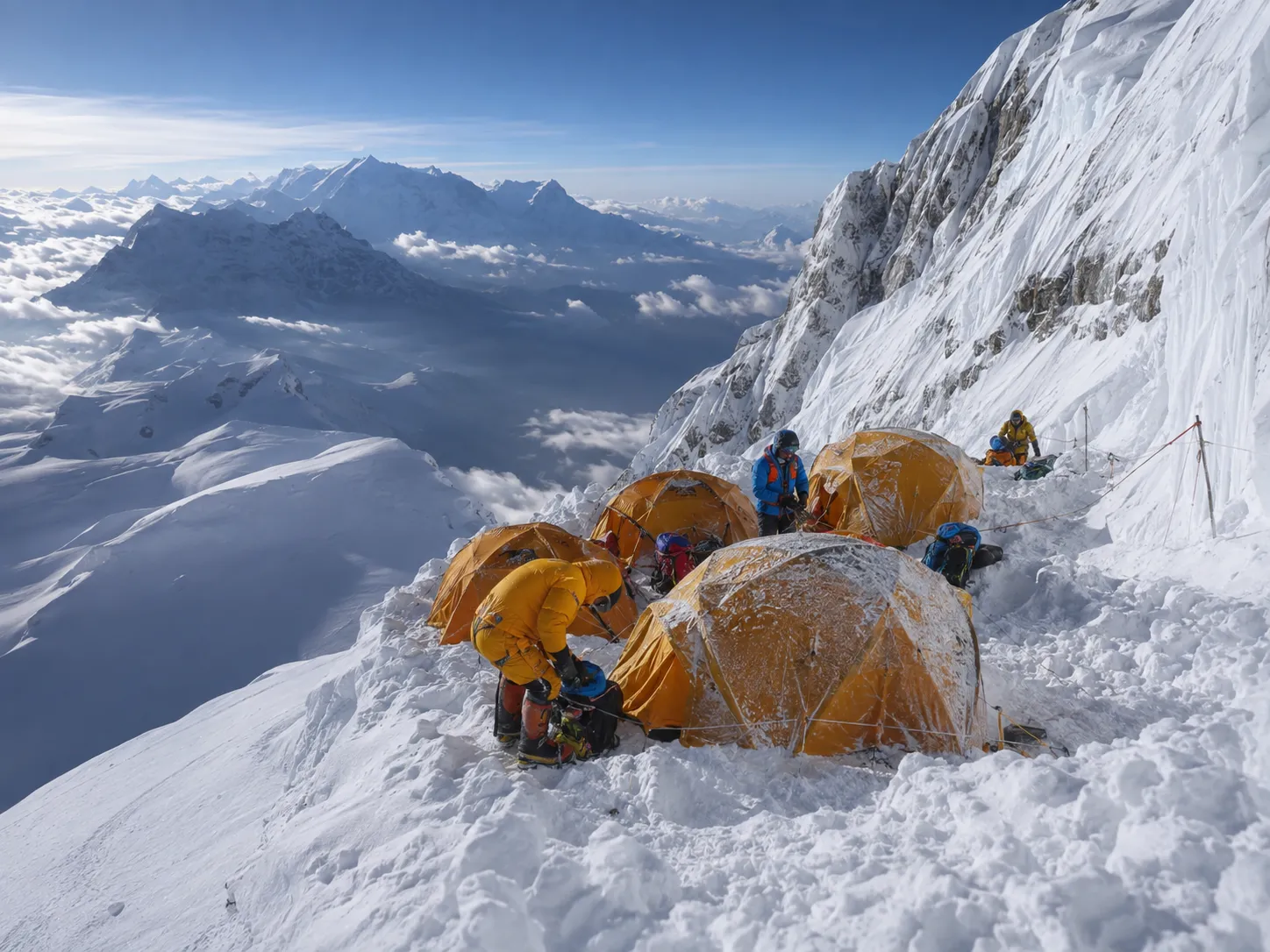
D10: Acclimatization Rotation Toward Camp I
Elevation: Approx. 5,500–5,900 m | Activity: Approx. 4–7 km, route dependent
Begin the first serious acclimatization movement above Base Camp. The team practices efficient movement, rope discipline and safe glacier travel before returning or resting according to conditions.
D11: Climbing Rotation / Camp I
Elevation: Approx. 5,500–5,900 m | Activity: Approx. 4–7 km, route dependent
Move higher as route and snow conditions permit. Establish or utilize the first high camp and focus on controlled pacing, hydration and efficient use of climbing equipment.
D12: Recovery and Acclimatization
Elevation: Base Camp / Camp I range | Activity: Light movement
A recovery-focused day. The expedition team monitors acclimatization, nutrition, sleep, weather forecasts and route conditions while preparing for the next rotation.
D13: Move Toward Camp II
Elevation: Approx. 6,100–6,400 m | Activity: Approx. 5–8 km, route dependent
Climb progressively higher through demanding glacial and snow terrain. Camp II is used only when the route is secure and the expedition leader confirms conditions are suitable.
D14: Camp II Acclimatization
Elevation: Approx. 6,100–6,400 m | Activity: Short high-altitude movement
Spend controlled time at higher elevation to improve acclimatization. The team practices camp routine, stove use, hydration and movement with a high-altitude pack.
D15: Return / Recovery at Lower Camp or Base Camp
Elevation: Approx. 4,750–6,400 m | Activity: Approx. 3–8 km, route dependent
Descend to recover. Lowering altitude is an important part of the acclimatization strategy and allows the team to restore energy before the final push.
D16: Rest, Weather and Route Assessment
Elevation: Base Camp: approx. 4,750 m | Activity: Rest day
Rest at Base Camp while the leadership reviews forecasts, avalanche and serac conditions, route fixing and summit-window prospects.
D17: Final Acclimatization Rotation
Elevation: Approx. 6,400–7,000 m | Activity: Approx. 5–8 km, route dependent
Undertake the final major acclimatization movement, subject to route readiness. The emphasis is on conserving energy while adapting to very low temperatures and reduced oxygen availability.
D18: High Camp Progression
Elevation: Approx. 6,400–7,000 m | Activity: Approx. 4–7 km, route dependent
Continue upward according to the established route and fixed-line conditions. Climbers prepare sleeping systems, oxygen equipment if used, personal nutrition and summit clothing.
D19: Summit Preparation / Weather Hold
Elevation: High camp or Base Camp | Activity: Minimal movement
A flexible day reserved for rest, weather, route completion or repositioning. The expedition leader determines whether conditions justify beginning the summit sequence.
D20: Summit Push Begins
Elevation: Higher Camp / approx. 7,000 m+ | Activity: Approx. 3–6 km, route dependent
Begin the summit sequence when conditions are favorable. Progress is slow and deliberate, with strict attention to fixed ropes, energy management, cold protection and altitude symptoms.
D21: Mt. Dhaulagiri I Summit Attempt
Elevation: Summit: 8,167 m / 26,795 ft | Activity: Approx. 8–12 km round trip, route and camp dependent
The principal summit-attempt day. The climb to 8,167 m involves extreme altitude, cold, steep snow and technical terrain. The summit decision remains conditional on weather, route safety, climber condition and the expedition leader’s judgment. After reaching the summit, descend immediately toward the designated lower camp.
D22: Descent and Recovery
Elevation: Approx. 6,400–7,000 m or lower | Activity: Approx. 3–7 km
Descend from the upper mountain, carefully managing fatigue and cold exposure. The priority is a safe return to lower altitude rather than speed.
D23: Contingency / Second Summit Opportunity
Elevation: Up to 8,167 m | Activity: Route dependent
Reserved as a contingency day for a second summit attempt or delayed summit schedule. If the summit has already been completed, the day is used for descent and recovery.
D24: Complete Descent to Base Camp
Elevation: Base Camp: approx. 4,750 m / 15,584 ft | Activity: Approx. 5–10 km, route dependent
Complete the high-altitude climbing phase and return to Base Camp. The team checks equipment, accounts for expedition loads and prepares for camp dismantling and the return journey.
Day 25 :
Clean Up and Close Dhaulagiri Base Camp
Elevation: 4,750 m / 15,584 ft | Activity: Approx. 2–4 km local movement
Dismantle the expedition camp, pack equipment, separate waste and ensure the Base Camp area is left clean. Group gear is organized for porters, pack animals or transport according to the logistics plan. A final inventory and team debrief are completed before departure.
Accommodation: Expedition tent/camp. Meals: Breakfast, lunch and dinner.
Day 26 :
Trek Back to Yak Kharka
Elevation: Approx. 3,680 m / 12,073 ft | Activity: Approx. 10–14 km; 5–7 hrs walking
Descend through the high mountain approach terrain toward Yak Kharka. The reduction in altitude should gradually make breathing and sleeping more comfortable. The trail passes through remote grazing landscapes and rugged Himalayan slopes.
Accommodation: Lodge/camp. Meals: Breakfast, lunch and dinner.
Day 27 :
Drive Back to Marpha
Elevation: Approx. 2,650 m / 8,694 ft | Activity: Approx. 5–7 hrs by road, conditions dependent
Continue by road toward Marpha. The return journey follows the Kali Gandaki corridor, reconnecting the expedition team with more settled villages and warmer valley conditions. Marpha offers a comfortable setting for recovery after the high-altitude expedition.
Accommodation: Lodge/guesthouse. Meals: Breakfast, lunch and dinner.
Day 28 :
Drive Back to Pokhara
Elevation: 822 m / 2,697 ft | Activity: Approx. 6–8 hrs by road, conditions dependent
Drive south from the dry trans-Himalayan landscape toward Pokhara. Vegetation becomes progressively greener as the route descends. On arrival, settle into the hotel and enjoy a well-earned rest beside Phewa Lake.
Accommodation: Hotel in Pokhara. Meals: Breakfast, lunch and dinner.
Day 29 :
Fly Back to Kathmandu
Elevation: Kathmandu: 1,350 m / 4,429 ft | Activity: Approx. 25–30 min flight
Take a domestic flight from Pokhara to Kathmandu, subject to weather and airline operations. Transfer to the hotel and complete the expedition logistics. The evening can be used for a team dinner and informal expedition debrief.
Accommodation: Hotel in Kathmandu. Meals: Breakfast and farewell meal as arranged.
Day 30 :
Leisure and Recovery Day in Kathmandu
Elevation: 1,350 m / 4,429 ft | Activity: Optional local sightseeing
Enjoy a flexible day after the expedition. Guests may rest at the hotel or explore selected cultural sites, markets and traditional neighborhoods of Kathmandu Valley. This is also a useful buffer day for international flight changes or unexpected delays during the expedition return.
Accommodation: Hotel in Kathmandu. Meals: Breakfast and meals as arranged.
Elevation: 1,350 m / 4,429 ft | Activity: Airport transfer
The 31-day Mt. Dhaulagiri I Expedition concludes with a private transfer to Tribhuvan International Airport according to the international flight schedule. The Himalayan Sherpa Exodus Team wishes every expedition member a safe journey home with lasting memories of the Dhaulagiri Himalaya.
Meals: Breakfast, if included according to departure time.
Safety, Acclimatization and Expedition Management
- Acclimatization is progressive, with controlled gains in elevation and planned recovery periods.
- The expedition leader may modify camp locations, rotation schedules or summit timing according to weather and route conditions.
- Altitude illness, frostbite, exhaustion, dehydration, avalanche, serac fall and rapidly changing weather are inherent high-mountain risks.
- Climbers should carry appropriate personal insurance covering high-altitude mountaineering and emergency evacuation where available.
- Emergency communication, first-aid resources, oxygen and evacuation procedures are coordinated according to the expedition’s operational plan.
- A summit attempt is never guaranteed; the safe decision may be to turn around even when the summit is close.
Important Expedition Note
This itinerary is a professional planning framework for Himalayan Sherpa Exodus Team Treks & Expeditions Pvt. Ltd. It is intentionally written in original language and should be finalized against the expedition permit, current route conditions, government requirements, logistics plan and the expedition leader’s field assessment before publication.
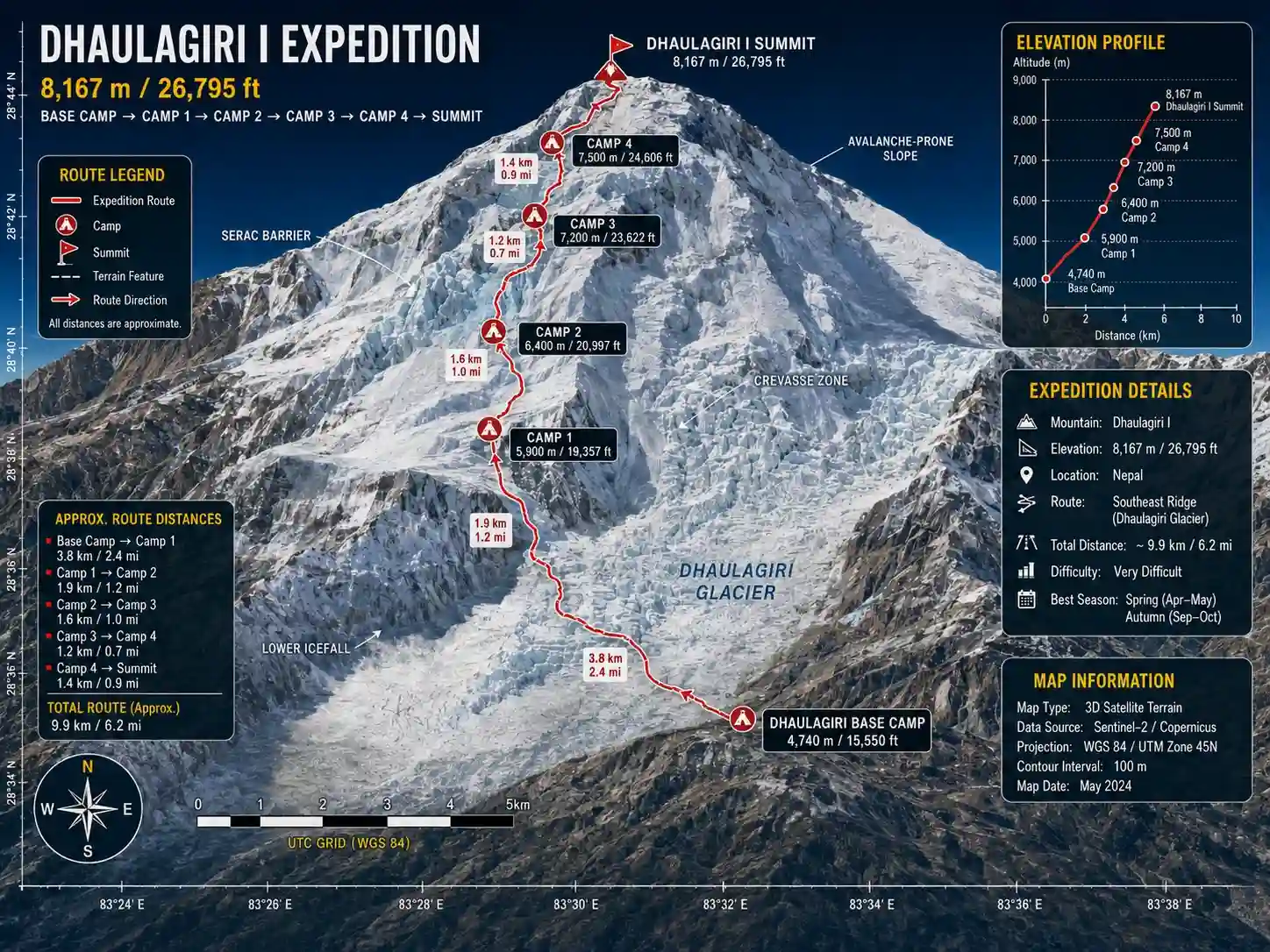
Dhaulagiri I Expedition Map
Dhaulagiri I Expedition
The Trip Package Cost Includes
- Airport Transfers: Private airport pick-up and drop-off services for all scheduled international and domestic flights mentioned in the itinerary.
- Kathmandu Hotel Accommodation: Four nights of comfortable 3-star hotel accommodation in Kathmandu on a Bed & Breakfast basis, with single occupancy.
- Welcome and Farewell Dinner: Traditional Nepali welcome and farewell dinners at a selected local restaurant, offering an opportunity to experience authentic Nepali hospitality and cuisine.
- Kathmandu–Pokhara–Kathmandu Flights: Round-trip domestic airfare between Kathmandu and Pokhara, including applicable airport taxes.
- Expedition Transportation and Logistics: Required ground transportation, domestic air transportation and cargo arrangements for the expedition team, equipment and essential expedition supplies as specified in the operational plan.
- Dhaulagiri Expedition Permit: All required Nepal Government climbing permit fees and official charges for the Mt. Dhaulagiri I Expedition (8,167 m).
- Government Liaison Officer: One official Nepal Government-appointed liaison officer as required for the expedition.
- Summit Route Fixing: Applicable charges for the establishment and maintenance of the fixed climbing route, including route-fixing support where required.
- Garbage Deposit and Waste Management: Government-required garbage management, environmental deposit and waste disposal arrangements associated with the expedition.
- Full Board Meals at Base Camp: Nutritious freshly prepared meals at Dhaulagiri Base Camp, including a selection of Nepali, Indian and continental dishes.
- Hot Drinks and Refreshments: Regular provision of tea, coffee, hot chocolate, soup and other warm beverages during the Base Camp stay.
- Fresh Food Supply: Fresh vegetables, meat, fruits, juices and other essential food items will be supplied to Base Camp according to the expedition logistics plan. Helicopter-supported supply may be used where necessary for maintaining fresh provisions at high altitude.
- Experienced Dhaulagiri Expedition Leader/Climbing Guide: One highly experienced and proven Dhaulagiri summiteer will accompany and lead the climbing operation, subject to the final team structure.
- Base Camp Sirdar and Kitchen Team: Experienced Base Camp Sirdar, cook and kitchen assistants responsible for expedition camp management and food preparation.
- Porter Support: Porters will be provided for the transportation of expedition equipment and supplies to and from Dhaulagiri Base Camp, according to the agreed expedition logistics plan.
- Personal Baggage Allowance: Up to 60 kg of personal/expedition baggage per member for the designated expedition transportation and porterage arrangement.
- Individual Base Camp Tent: Individual sleeping tent at Base Camp, together with a thick mattress and pillow for greater comfort during the acclimatization and recovery period.
- Base Camp Infrastructure: Fully equipped common facilities including dining tent, kitchen tent, communication tent, toilet tent, shower facilities, tables, chairs, heating arrangements and other essential Base Camp infrastructure.
- Power and Charging Facilities: Generator and solar-powered systems at Base Camp for charging essential electronic equipment, subject to available power and expedition usage.
- High Camp Accommodation and Equipment: Shared high-camp sleeping arrangement based on two members per tent, together with essential high-camp equipment such as shovels, climbing ropes/guide ropes and other designated support equipment.
- High-Altitude Food Supplies: Appropriate high-altitude food provisions including ready-to-eat meals, rice, meat, pasta, noodles, porridge, oats, muesli, soups, dry fruits, chocolate, green tea, milk, coffee and other energy-rich foods.
- Emergency Satellite Communication: Satellite telephone access at Base Camp for emergency and essential expedition communication.
- Walkie-Talkie Communication: Radio/walkie-talkie communication equipment for operational coordination among the expedition team during the climbing period.
- Weather Forecast Service: Regular professional weather and mountain forecast information throughout the expedition to support safe route and summit planning.
- Supplementary Oxygen: Three oxygen bottles per expedition member and two oxygen bottles per climbing guide, as specified in the expedition's oxygen plan.
- Summit Oxygen Equipment: One summit mask and regulator set for each expedition member and climbing guide.
- Emergency Oxygen Reserve: Additional backup oxygen bottles and mask/regulator sets will be maintained for emergency requirements. Any backup oxygen actually used beyond the included allocation will be charged separately.
- Expedition Medical Kit: Comprehensive group first-aid and basic high-altitude medical equipment for use by the expedition support team.
- Expedition Duffle Bag: One company-provided 8K expedition duffle bag for transporting personal and climbing equipment.
- Expedition Cap: One official 8K Outdoor/Expedition Cap for each participating member.
- Government Taxes and Service Charges: Applicable Nepal Government taxes and standard company service charges related to the included expedition services.
- Dhaulagiri Summit Certificate: Upon a successful ascent and completion of the required official procedures, the Nepal Government summit certificate will be arranged/provided as applicable. Official summit photographs and video evidence required for certification and reporting must be submitted by the climbing member/team.
The Trip Package Cost Excludes
- Nepal Entry Visa: Nepal tourist/entry visa fees are not included. Participants are responsible for obtaining the appropriate visa according to their nationality and travel requirements.
- International Airfare: International flights to and from Nepal, including airline charges, ticket changes, baggage fees and related expenses, are the responsibility of the participant.
- Drone and Special Filming Permits: Any permits, government charges or additional fees required for drone operations, professional filming, commercial photography or special media production are excluded.
- Lunch and Dinner in Kathmandu: Lunch and dinner in Kathmandu are not included, except for the scheduled welcome and farewell dinners.
- Travel and High-Altitude Insurance: Comprehensive travel, medical, emergency evacuation and high-altitude mountaineering insurance are not included. Every participant must have valid insurance with minimum coverage of US$90,000, including high-altitude emergency helicopter rescue where applicable.
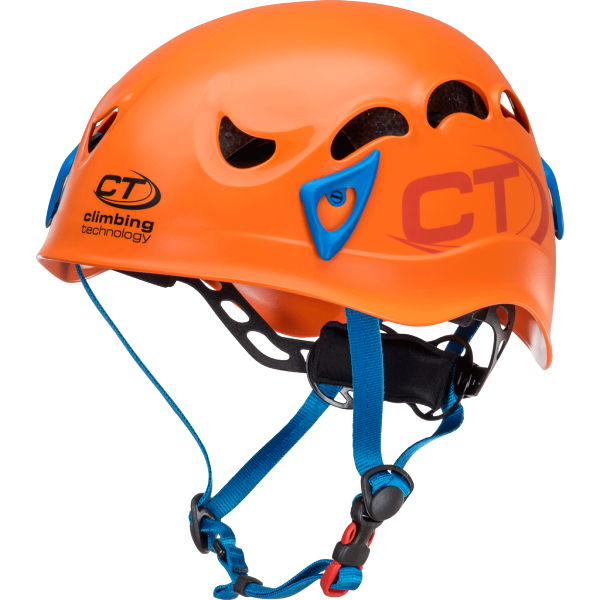
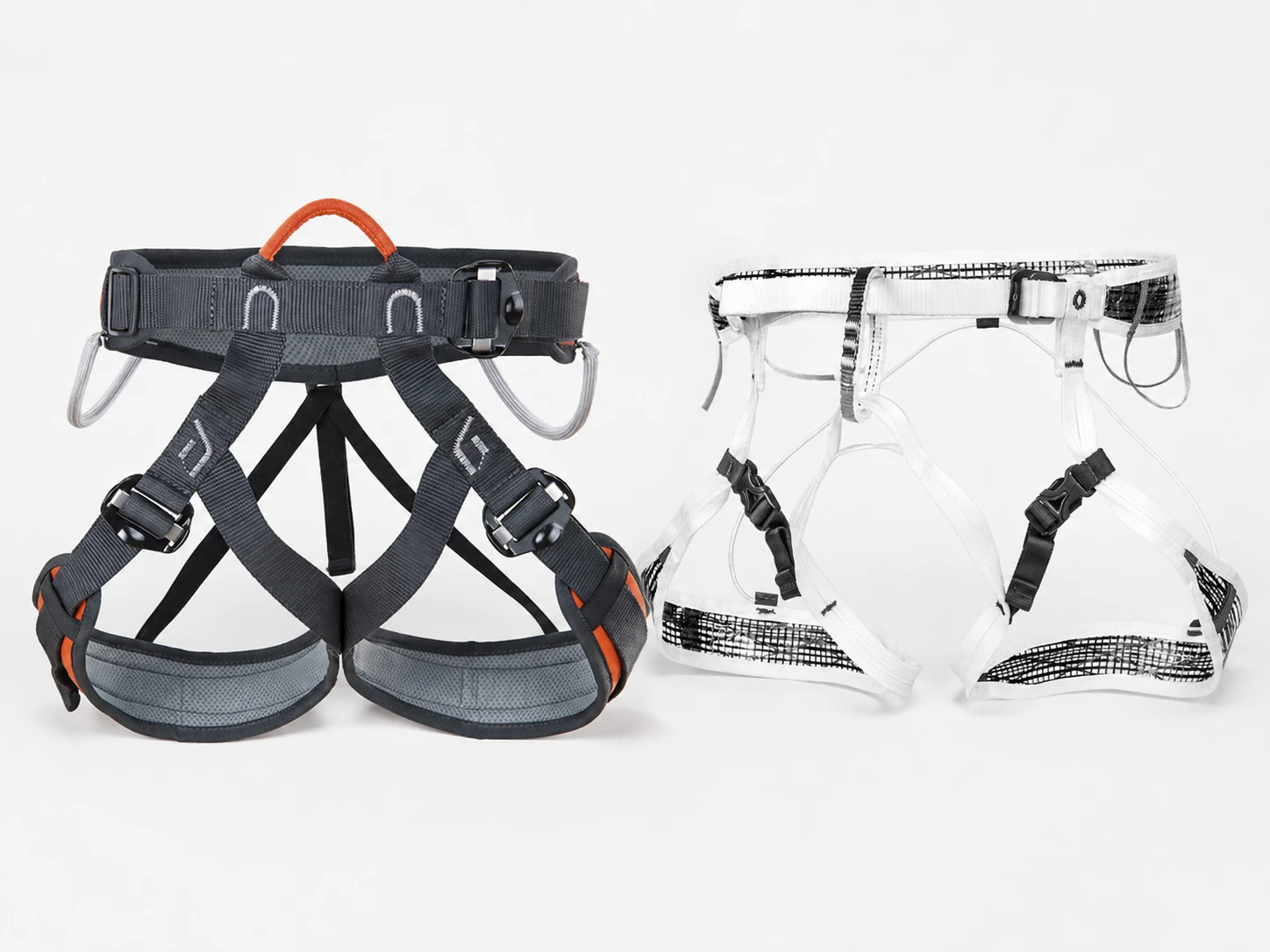
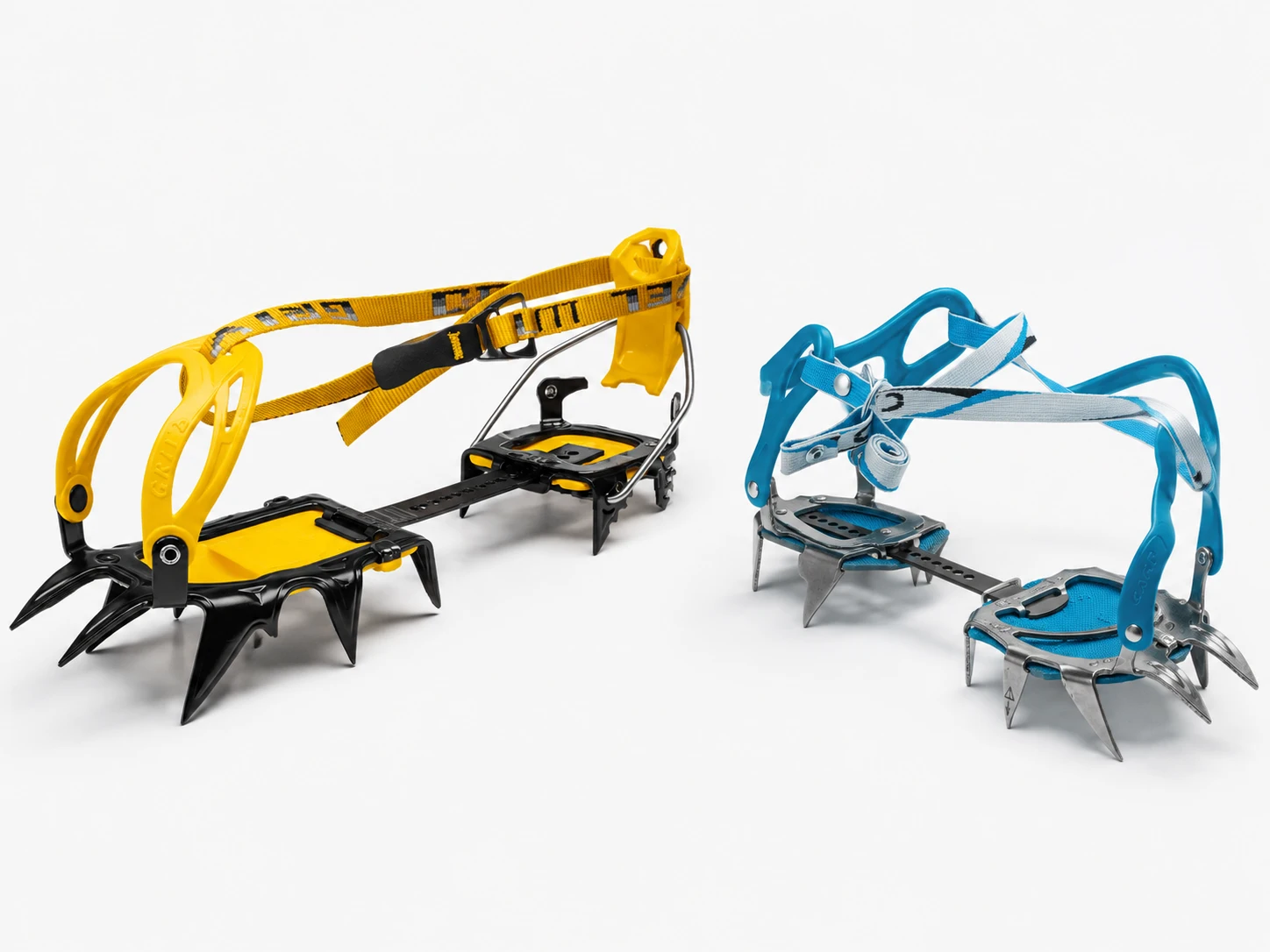
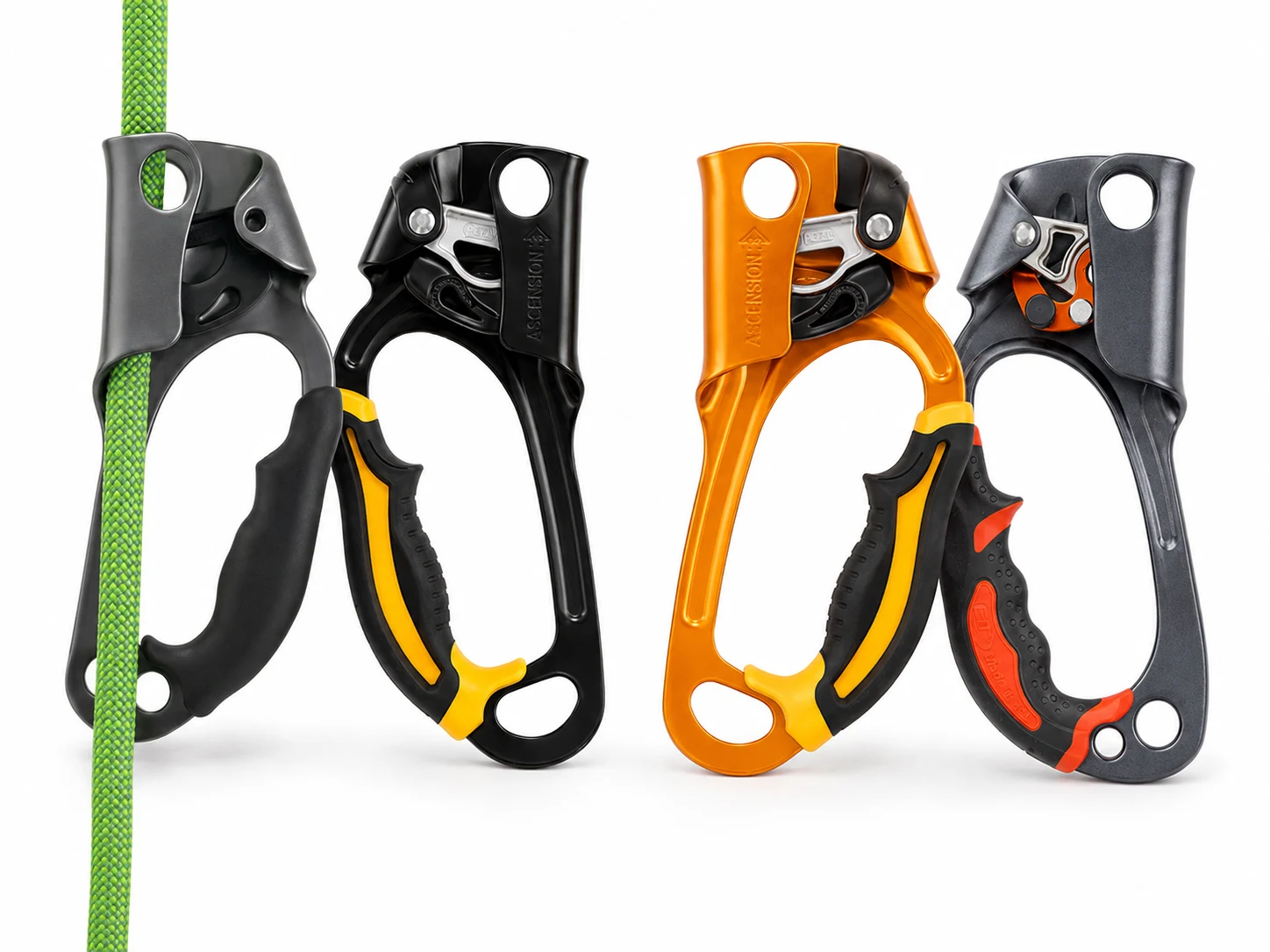
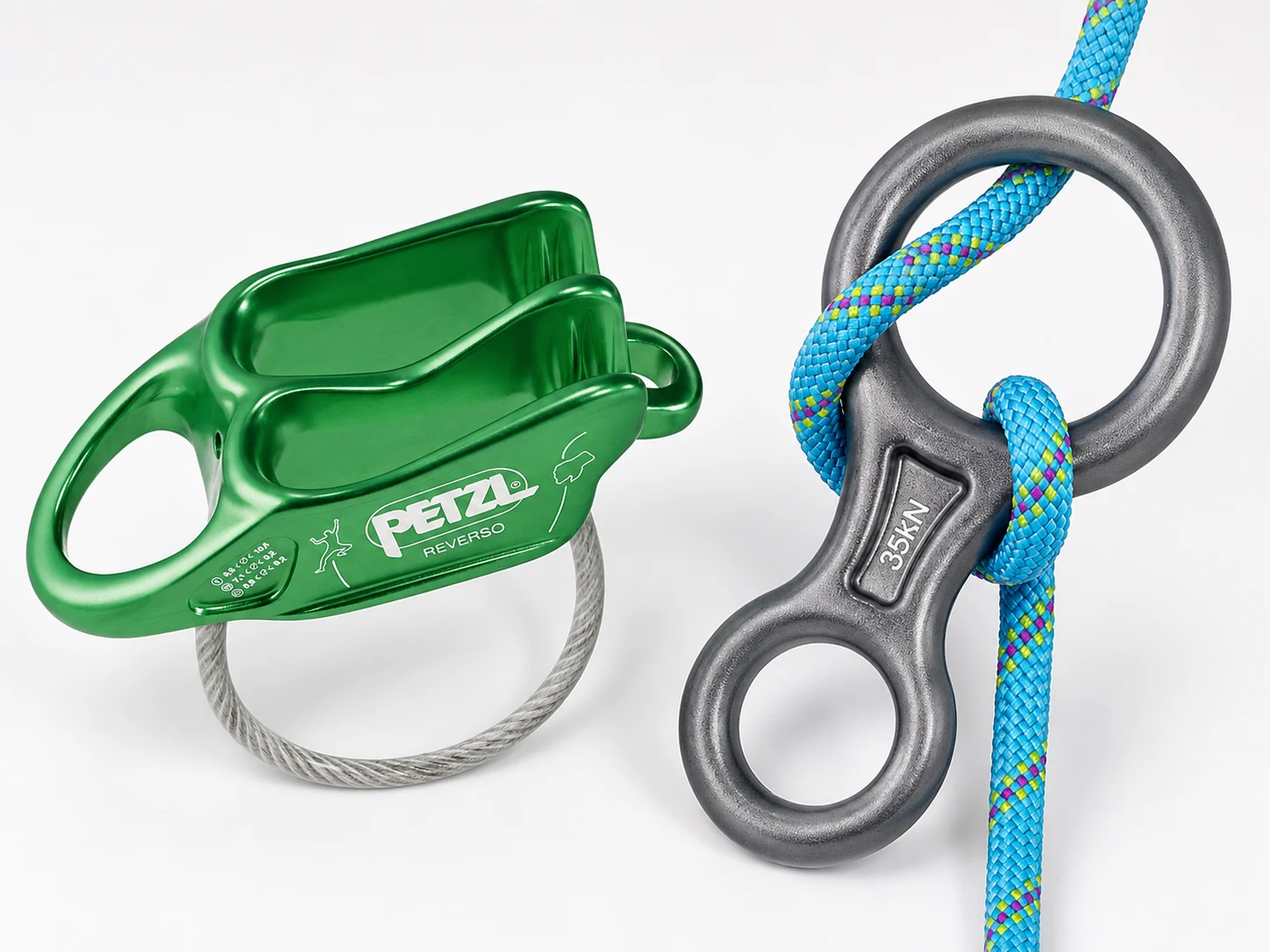
- Personal Mountaineering Equipment: Personal climbing clothing, boots, harness, helmet, crampons, ice axe, ascender, descender, carabiners, down suit, gloves, goggles, sleeping bag and other individual technical or personal equipment are not included.
- Personal Medical Expenses: Any personal medication, medical treatment, hospital expenses or medical services beyond the expedition's basic group first-aid provision are excluded.
- Emergency Rescue Beyond the Included Arrangement: Any evacuation, rescue or additional logistical operation not covered by the participant's insurance or the agreed expedition package will be charged according to the actual cost.
- Summit Bonus for Climbing Guides: Following a successful summit, the customary summit bonus of US$1,600 per climbing guide is payable directly at Base Camp as specified by the expedition arrangement.
- Kitchen Staff Summit Bonus: A summit bonus of US$300 per kitchen helper is payable at Base Camp following a successful ascent, according to the agreed expedition practice.
- Tips and Gratitude: Tips for trekking guides, climbing guides, porters, cooks, kitchen staff and other supporting crew are not included. Participants may provide gratuities according to the quality of service, team performance and their personal satisfaction.
- Personal Expenses: Expenses such as laundry, beverages, snacks, bottled drinks, telephone calls, internet, souvenirs, shopping and other personal purchases are excluded.
- Additional Accommodation or Meals: Any additional hotel nights, meals or services required because of early arrival, late departure, flight disruption, weather delays or personal itinerary changes are excluded unless specifically agreed in advance.
- Additional Transportation: Any private transportation, helicopter service, cargo movement or other transport requirement arising outside the scheduled itinerary will be charged separately.
- Additional Oxygen: Oxygen used beyond the quantity included in the package, including backup oxygen and associated mask/regulator use, will be charged according to actual consumption.
- Additional Climbing or Expedition Services: Any specialist service, equipment rental, extra porterage, additional staff, supplementary camp facilities or other service not specifically listed under Cost Includes will be charged separately.
- Other Unspecified Expenses: Any cost, fee, permit, tax, service or expense not expressly mentioned under Cost Includes remains the responsibility of the participant.
Mt. Dhaulagiri I Expedition (8,167 m) – Important Information
Best Time to Expedition
The most suitable period for a Mt. Dhaulagiri I expedition is generally spring, particularly April and May, when experienced expedition operators typically plan their summit campaigns. Dhaulagiri is an 8,167 m mountain, classified as a major mountain expedition, and conditions at extreme altitude can change rapidly.
Spring offers the opportunity to establish camps, complete acclimatization rotations and wait for a suitable summit weather window. Autumn, especially September and October, can also provide valuable expedition opportunities, but the exact suitability depends on seasonal snow conditions, route status and the year’s weather pattern.
For Himalayan Sherpa Exodus Team, the final climbing schedule should always remain flexible. The expedition leader and climbing team should make the final summit decision based on wind, snowfall, visibility, avalanche/serac conditions, route fixing and climber health, rather than following a fixed calendar alone.
Trek Difficulty
Mt. Dhaulagiri I Expedition is an extremely demanding 8,000-metre mountaineering expedition, not a conventional trekking journey. The mountain reaches 8,167 m (26,795 ft) and involves prolonged exposure to extreme altitude, severe cold, steep snow and ice terrain, glacier travel and potentially hazardous mountain conditions.
The approach itself is physically challenging, particularly around the Thapa La area at approximately 5,244 m and the remote approach toward Dhaulagiri Base Camp. Once the climbing phase begins, the demands increase substantially.
Participants should ideally have:
- Previous experience at high altitude.
- Strong cardiovascular and physical fitness.
- Experience using crampons, harnesses, ascenders and fixed ropes.
- Confidence moving on snow, ice and glaciated terrain.
- Good cold-weather endurance.
- Mental resilience for long periods in remote environments.
- Previous experience on 6,000–7,000 m peaks is strongly recommended, with appropriate 8,000 m expedition experience highly valuable.
Dhaulagiri is a serious commitment where technical ability, physical strength, discipline and sound judgment are equally important.
Acclimatization & Altitude Sickness
Acclimatization is one of the most important elements of a successful Dhaulagiri expedition. The itinerary progressively moves from Kathmandu and Pokhara toward Marpha, Yak Kharka, Thapa La and Dhaulagiri Base Camp before the climbing rotations begin.
The body requires time to adapt to decreasing oxygen availability as elevation increases. During the expedition, the team therefore follows a controlled rhythm of climbing higher, allowing appropriate recovery and descending when necessary.
Common symptoms of altitude-related illness may include:
- Headache
- Loss of appetite
- Nausea
- Unusual tiredness
- Dizziness
- Disturbed sleep
- Shortness of breath
More serious altitude illness can become life-threatening. Any climber experiencing concerning symptoms must immediately inform the expedition leader or medical/support staff. No summit objective takes priority over personal safety.
At extreme elevations above 8,000 m, the environment becomes particularly unforgiving because of very low oxygen availability, severe cold and rapidly changing weather. Consequently, the Dhaulagiri expedition plan includes acclimatization rotations, weather monitoring and flexible summit scheduling.
Himalayan Culture & Ancient Monasteries
Although Mt. Dhaulagiri is primarily a high-altitude mountaineering objective, the journey also provides an opportunity to experience the cultural landscape of western Nepal.
The approach through the Kali Gandaki corridor and Marpha introduces climbers to the traditional communities and architecture of the Himalayan foothills and trans-Himalayan region. Marpha is particularly known for its distinctive stone-built houses, narrow lanes, orchards and longstanding local traditions.
The lower and middle sections of the journey reveal a fascinating transition from greener mountain valleys to the dry, rugged landscapes surrounding the Dhaulagiri massif.
Depending on the actual expedition schedule, participants may have opportunities to observe:
- Traditional Himalayan village life
- Buddhist cultural practices
- Local shrines and monasteries
- Prayer flags and mani walls
- Traditional stone architecture
- Mountain farming and seasonal grazing
- Thakali cultural heritage around the Kali Gandaki region
The cultural experience is an important part of the journey because it connects the demanding high-altitude expedition with the communities and landscapes that surround the mountain.
Preparation Guide
A successful Dhaulagiri expedition begins long before arriving in Nepal. Participants should prepare themselves physically, technically and mentally for a prolonged high-altitude environment.
Physical Preparation:
Begin structured endurance and strength training well in advance. Uphill walking, stair climbing, hiking with a progressively heavier pack, running or cycling can help develop cardiovascular capacity. Strength training should emphasize the legs, core, shoulders and back.
Technical Preparation:
Participants should be comfortable with essential mountaineering techniques, including crampon movement, ice-axe use, fixed-rope systems, ascending and descending with mechanical devices, glacier travel and self-arrest techniques where applicable.
Altitude Preparation:
Previous experience at progressively higher elevations is highly beneficial. Climbers should understand how their body reacts to altitude and should never hide symptoms from the expedition leader.
Mental Preparation:
Dhaulagiri requires patience. Weather delays, cold nights, demanding climbing days and changes to the summit plan are normal components of an 8,000-metre expedition. A flexible and safety-oriented mindset is essential.
Personal Equipment:
Every climber should arrive with properly tested mountaineering equipment, suitable high-altitude clothing, quality double or high-altitude boots, sleeping system, technical climbing equipment, glacier eyewear, gloves and personal medication.
Insurance:
Comprehensive travel and mountaineering insurance, including high-altitude emergency evacuation, should be arranged before departure. The policy must specifically cover the altitude and activities involved in the expedition.
Weather & Climate
Dhaulagiri experiences dramatically different climatic conditions depending on altitude. Lower sections of the approach may be relatively mild, while temperatures fall sharply as the expedition enters the alpine and high-altitude environment.
At 4,500 m, conditions can still include comparatively moderate temperatures and precipitation, while at 6,500–7,500 mtemperatures remain well below freezing and snowfall and strong winds can become major factors. At the summit elevation of 8,167 m, conditions can be extremely cold and exposed. Forecast data for Dhaulagiri demonstrate substantial differences between lower and upper elevations.
Typical expedition concerns include:
- Heavy snowfall
- Strong summit winds
- Extreme wind chill
- Freezing temperatures
- Whiteout and reduced visibility
- Avalanche and serac hazards
- Rapid weather changes
- Difficult snow conditions
For this reason, weather forecasting is an essential part of every Dhaulagiri summit campaign. The expedition team continuously evaluates available mountain forecasts and field observations before deciding whether to move between camps or begin a summit push.
Accommodation
Accommodation changes significantly as the expedition progresses.
Kathmandu:
Participants stay in a comfortable tourist-standard hotel, generally on a Bed & Breakfast basis. Private rooms are arranged according to the expedition package.
Pokhara:
A comfortable hotel provides a convenient staging point before entering the remote mountain region.
Marpha and Approach Villages:
Depending on the route and local availability, accommodation is provided in mountain lodges, guesthouses or expedition camps. Facilities become increasingly basic as the altitude rises.
Dhaulagiri Base Camp:
Base Camp becomes the expedition’s main operational headquarters. Individual sleeping tents are arranged for members, supported by dining, kitchen, communication, toilet and other essential expedition facilities.
High Camps:
Accommodation becomes significantly more basic and is designed primarily for safety and efficient climbing rather than comfort. Sleeping arrangements, food systems and equipment are organized according to high-altitude requirements.
The transition from comfortable hotels to progressively more basic mountain camps is itself an important part of the Dhaulagiri expedition experience.
Meals During the Trek & Expedition
Nutrition plays a vital role throughout an 8,000-metre expedition. The Himalayan Sherpa Exodus Team expedition kitchen is designed to provide practical, nutritious and energy-rich meals appropriate for trekking, acclimatization and high-altitude climbing.
During the Approach:
Meals generally include a combination of local and familiar dishes such as rice, dal, vegetables, noodles, pasta, potatoes, eggs, soup, bread and other available mountain foods.
At Base Camp:
The food programme becomes more comprehensive, with a mixture of Nepali, Indian and continental cuisine. Fresh vegetables, meat, fruit and other provisions are supplied according to the expedition logistics and availability.
High Camp:
Meals are simpler and focused on energy, ease of preparation and digestibility. Typical supplies may include:
- Rice and ready-made meals
- Pasta
- Noodles
- Oats and porridge
- Muesli
- Soup
- Dry fruits
- Chocolate and energy snacks
- Tea and green tea
- Coffee
- Milk and other warm drinks
Adequate hydration is equally important. Warm fluids, soups and regular drinking are encouraged throughout the climbing period.
At extreme altitude, appetite can decrease while energy requirements remain high. Therefore, climbers should eat small, practical portions regularly and maintain hydration even when they do not feel particularly thirsty.
For Dhaulagiri, food is not simply part of the service—it is an essential component of maintaining strength, recovery and decision-making ability throughout the expedition.
Drinking Water
Safe and sufficient hydration is essential throughout the Mt. Dhaulagiri I Expedition, particularly as the team moves above 4,000 m and into the high-altitude climbing environment.
During the lower trekking stages, drinking water can generally be obtained from local lodges and settlements. The expedition team recommends treating all locally sourced water before drinking. At higher camps, water is prepared by the expedition staff using available natural sources and melted snow or ice where appropriate.
At Dhaulagiri Base Camp, the kitchen team provides boiled drinking water according to the expedition’s operational arrangements. Climbers should carry a durable reusable water bottle or insulated flask and maintain regular hydration throughout the day.
Warm water, tea, coffee, soup and other hot drinks are also useful during cold conditions. Proper hydration supports physical performance, recovery and acclimatization, so climbers should avoid waiting until they feel thirsty before drinking.
Internet & Charging
Internet and mobile connectivity become increasingly limited as the expedition moves away from populated areas.
Kathmandu and Pokhara:
Reliable internet and charging facilities are generally available at hotels and urban facilities.
Marpha and the Trekking Route:
Connectivity varies between locations. Some lodges may provide Wi-Fi or charging facilities, usually with limited reliability.
Dhaulagiri Base Camp:
The expedition operates its own communication and power arrangements. Generator and solar systems are used for essential charging, while a satellite phone is maintained for emergency communication.
Because electricity is limited at Base Camp and high camps, climbers should avoid relying on continuous charging availability. We recommend carrying:
- Power bank
- Spare batteries
- Charging cables
- Universal travel adapter
- Waterproof protection for electronic devices
- Headlamp with spare batteries
At high altitude, communication facilities are primarily maintained for expedition coordination and safety rather than entertainment or continuous internet access.
Travel Insurance
Comprehensive travel and mountaineering insurance is mandatory for every participant joining the Mt. Dhaulagiri I Expedition.
Because Dhaulagiri reaches 8,167 m, ordinary travel insurance may not provide adequate protection. The policy should specifically recognize high-altitude mountaineering and emergency evacuation at the altitude required for the expedition.
Your insurance should ideally cover:
- High-altitude mountaineering
- Emergency medical treatment
- Hospitalization
- Emergency helicopter evacuation
- Search and rescue
- Trip interruption
- Trip cancellation where applicable
- Loss, theft or damage of baggage and equipment
- Repatriation in a serious emergency
For this expedition, participants should arrange minimum insurance coverage of US$90,000, including high-altitude emergency helicopter rescue as required by the expedition arrangements.
Participants should bring a copy of their insurance policy and emergency contact information to Nepal.
Important: Himalayan Sherpa Exodus Team Treks & Expeditions Pvt. Ltd. strongly recommends that every climber carefully read the exclusions and altitude limitations of their insurance policy before departure.
Packing List
Packing for an 8,000-metre expedition requires careful planning. Equipment should be selected according to personal requirements, previous climbing experience and the expedition leader’s recommendations.
Personal Clothing
- Thermal base layers
- Fleece or insulating mid-layers
- High-quality down jacket
- Expedition-grade down suit
- Waterproof and windproof shell jacket
- Waterproof shell trousers
- Trekking trousers
- Warm inner layers
- Lightweight trekking shirts
- Warm expedition socks
- Spare underwear
- Sun hat/cap
- Warm wool or fleece hat
- Balaclava
- Neck warmer/buff
Mountaineering Equipment
- High-altitude mountaineering boots
- Crampons
- Mountaineering harness
- Mountaineering helmet
- Ice axe
- Ascender/jumar
- Descender
- Locking and non-locking carabiners
- Climbing slings
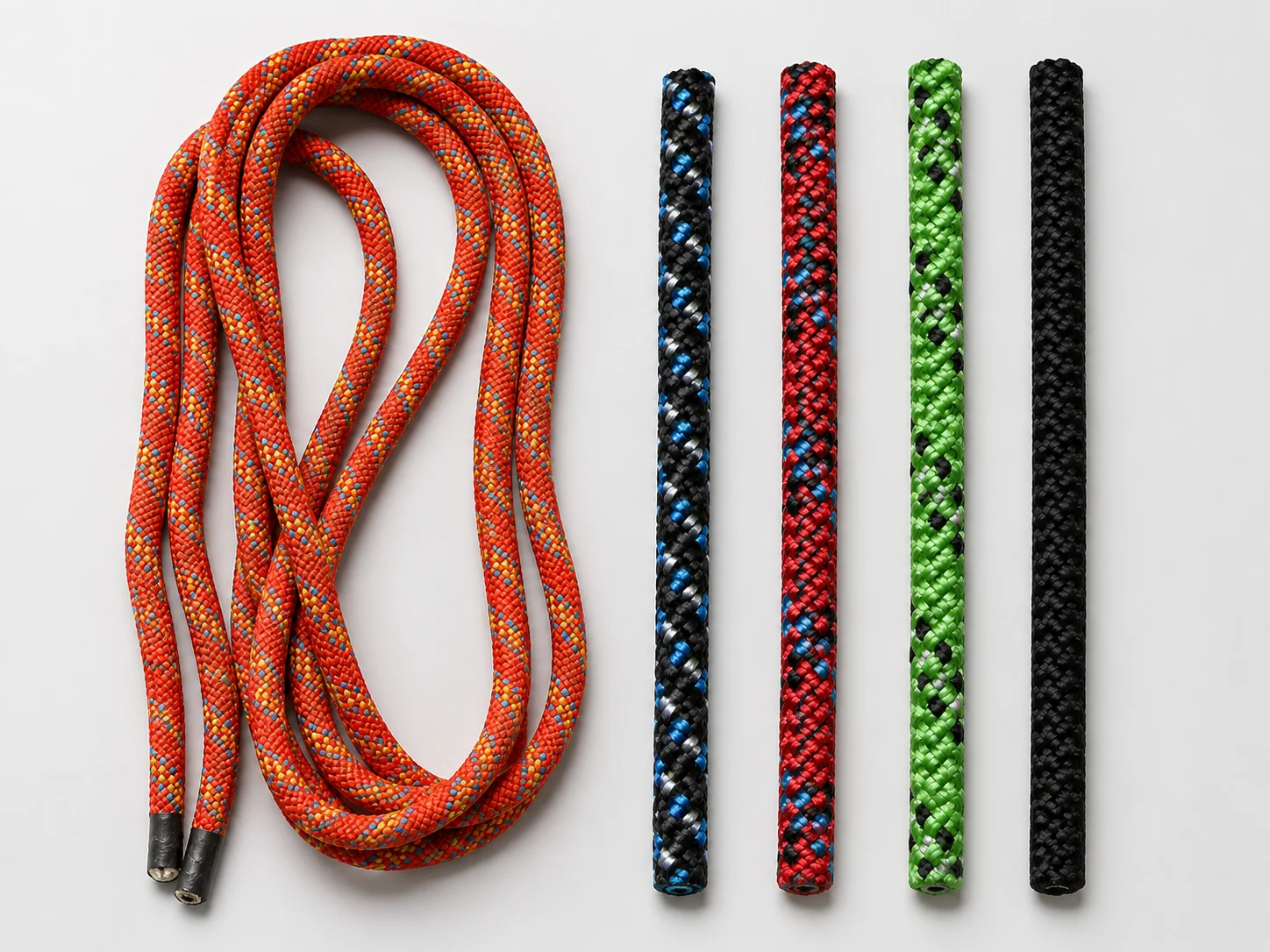
- Prusik cord
- Mountaineering gloves
- Heavy expedition mittens
- Glacier/snow goggles
- High-altitude sunglasses
- Headlamp with spare batteries
Sleeping & Personal Items
- High-altitude sleeping bag
- Sleeping bag liner
- Personal sleeping mat if required
- Duffel bags
- Daypack
- Waterproof pack covers
- Water bottles
- Insulated flask
- Personal towel
- Toiletries
- Sunscreen
- Lip balm with high SPF
- Personal medication
- Small personal first-aid supplies
Electronics
- Mobile phone
- Power bank
- Camera
- Spare batteries
- Charging cables
- Universal adapter
- Waterproof bags for electronics
Documents
- Passport
- Nepal visa documentation
- Travel insurance certificate
- Emergency contact details
- Passport-size photographs
- Relevant medical information
- Copies of important travel documents
Note: The expedition package already provides certain group and high-camp equipment. Participants should therefore confirm the final personal equipment list with Himalayan Sherpa Exodus Team before departure to avoid carrying unnecessary duplicate equipment.
Safety Measures
Safety is the highest priority throughout the Mt. Dhaulagiri I Expedition. At 8,167 m, the mountain environment can become dangerous within a very short period, so every member must follow the instructions of the expedition leadership.
Professional Expedition Leadership
The climbing operation is managed by experienced high-altitude guides and expedition staff familiar with the Dhaulagiri environment and the requirements of 8,000-metre climbing.
Acclimatization Management
The expedition follows a progressive altitude schedule with acclimatization and recovery periods. The climbing programme may be adjusted when the team requires additional time to adapt.
Weather Monitoring
Mountain forecasts are regularly reviewed throughout the expedition. Summit attempts and camp movements are scheduled around suitable weather and route conditions whenever possible.
Fixed-Rope Safety
Where fixed ropes are established, climbers must use the appropriate ascenders, harnesses and safety systems and follow the climbing team’s instructions.
Oxygen Support
Supplementary oxygen and emergency oxygen arrangements are incorporated into the expedition plan. Climbers must understand the correct use of their oxygen equipment before entering the summit phase.
Communication
Walkie-talkies support communication between expedition members and staff, while satellite communication is available for emergency and essential coordination.
Medical Response
A group first-aid and medical kit is maintained during the expedition. Any significant health problem must be reported immediately rather than concealed.
Emergency Evacuation
If a serious medical or environmental emergency occurs, evacuation procedures will be activated according to the situation, available resources, weather and insurance arrangements.
Personal Responsibility
Every climber must:
- Follow the guide’s safety instructions.
- Never leave the designated route without permission.
- Maintain adequate hydration and nutrition.
- Report altitude symptoms immediately.
- Check climbing equipment before use.
- Maintain appropriate spacing on exposed terrain.
- Protect themselves from frostbite and sun exposure.
- Avoid unnecessary risk during summit attempts.
- Accept a turnaround decision when conditions become unsafe.
On Dhaulagiri, reaching the summit is an objective; returning safely is the priority.
Frequently Asked Questions (FAQ)
1. How high is Mt. Dhaulagiri I?
Mt. Dhaulagiri I stands at 8,167 metres (26,795 feet) above sea level and is one of the world’s 8,000-metre mountains.
2. How many days does the Dhaulagiri expedition take?
The planned expedition itinerary is 31 days, including Kathmandu preparation, the approach trek, acclimatization, the climbing and summit period, descent and return to Kathmandu.
3. Is the Dhaulagiri Expedition suitable for beginners?
No. Dhaulagiri is an extreme high-altitude mountaineering objective. Participants should have strong physical fitness, previous high-altitude experience and appropriate technical climbing skills.
4. Do I need previous 6,000 m or 7,000 m climbing experience?
Previous experience on high-altitude peaks is strongly recommended. Experience at progressively higher elevations helps climbers understand their physical response to altitude and develop technical confidence.
5. What is the highest point reached during the expedition?
The summit of Mt. Dhaulagiri I is 8,167 m (26,795 ft).
6. What is the best season for the expedition?
Spring, particularly April and May, is generally considered the principal climbing period. Autumn may also be possible depending on the year’s conditions and expedition strategy.
7. How difficult is Mt. Dhaulagiri I?
It is an extreme-level expedition involving very high altitude, severe cold, glacier travel, steep snow and ice terrain, fixed ropes and potentially hazardous weather and mountain conditions.
8. Is supplementary oxygen available?
Yes. Oxygen is included according to the expedition package, with a designated number of bottles and summit mask/regulator arrangements. Additional emergency oxygen may be available subject to the package terms and actual use.
9. Will I have internet during the expedition?
Internet availability is expected to decrease substantially as the team enters the remote mountain region. Base Camp prioritizes essential expedition communication rather than guaranteed personal internet access.
10. Can I charge my phone and camera?
Charging facilities are available at Base Camp through the expedition’s generator and solar systems, subject to power availability. Carrying power banks and spare batteries is strongly recommended.
11. What type of food is provided?
The expedition provides a combination of Nepali, Indian and continental meals during the approach and Base Camp period. High-altitude food includes rice, pasta, noodles, porridge, oats, soup, dry fruits, chocolate, tea, coffee and other energy-rich foods.
12. Where will I sleep during the expedition?
Hotels are used in Kathmandu and Pokhara, local lodges/guesthouses are used during the approach where available, and expedition tents are used at Base Camp and higher camps.
13. Is drinking water available?
Yes. Drinking water is arranged throughout the expedition. At higher elevations, water may be prepared from treated sources and melted snow/ice according to local conditions and expedition logistics.
14. What happens if the weather is bad?
The itinerary is flexible during the climbing period. The expedition leader may delay camp movements or the summit attempt until conditions become sufficiently safe. A summit attempt is never guaranteed on a predetermined date.
15. What happens if I become sick at high altitude?
You should immediately inform your guide or expedition leader. Depending on the severity of the condition, the team may recommend rest, descent, medical treatment or emergency evacuation.
16. Is travel insurance compulsory?
Yes. Every participant must have suitable travel and high-altitude mountaineering insurance with emergency evacuation coverage. For this expedition, minimum coverage of US$90,000 is recommended according to the expedition requirements.
17. Does the expedition package provide climbing equipment?
The expedition package provides specified group and high-camp equipment, oxygen systems and other expedition infrastructure. However, participants must bring their own personal mountaineering clothing and technical equipment unless specifically listed as included.
18. Is a summit certificate provided?
Following a successful ascent and completion of the required official procedures, the relevant Nepal Government summit certificate can be arranged according to applicable regulations.
19. Can the expedition itinerary change?
Yes. Mountain conditions are unpredictable. Weather, snowfall, route conditions, acclimatization, health, rope fixing and other operational factors may require changes to the planned schedule.
20. What is the most important thing to remember about Dhaulagiri?
Respect the mountain, listen to your expedition team and never compromise safety for the summit. Dhaulagiri rewards preparation, patience, teamwork and responsible decision-making.
 8,167M
 Moderate Climb PD+++