Essential Trip Information
-
34 Days
-
Annapurna
-
2+
-
 7455M
-
 Moderate Climb PD+
-
Spring (Mar - May) Autumn (Sep- Nov)
-
Nepal
Extend Your Trip






Best Time for Gangapurna Expedition
The best seasons for climbing Mt. Gangapurna (7,455m) are generally the spring and autumn seasons, when Himalayan weather conditions are comparatively stable.
Spring Season (March to May)
Spring is considered one of the most favorable periods for high-altitude climbing. The weather becomes more stable, temperatures gradually improve, and climbing conditions are generally suitable for summit attempts.
Advantages:
- Longer daylight hours
- Better summit weather possibilities
- Stable climbing environment
- Beautiful mountain scenery with clear Himalayan views
Autumn Season (September to November)
Autumn offers excellent visibility after the monsoon season, with clear skies and impressive mountain landscapes.
Advantages:
- Excellent mountain visibility
- Stable weather patterns
- Comfortable trekking conditions
- Ideal conditions for photography and exploration
Although these seasons provide the best opportunities, Himalayan weather can change rapidly at any time. Our expedition schedule includes additional flexibility to allow safe decision-making during the climbing period.
Jomsom–Pokhara Flight Information
The scenic flight from Jomsom to Pokhara is one of the memorable highlights of the return journey.
The flight connects the dry Mustang region with the beautiful lakeside city of Pokhara, offering spectacular aerial views of the Annapurna and Dhaulagiri mountain ranges.
Flight Details:
- Route: Jomsom → Pokhara
- Flight Duration: Approximately 20–25 minutes
- Elevation Change: Jomsom (2,700m) to Pokhara (950m)
- Aircraft: Small mountain aircraft operated according to weather conditions
Morning flights generally have better operating conditions because mountain weather is usually calmer during the early hours. However, flights remain dependent on visibility, wind conditions, and overall safety.
In case of unfavorable weather or flight cancellation, alternative arrangements will be made according to the situation.
Trek Difficulty
The 35 Days Gangapurna Expedition is classified as a challenging and technical high-altitude mountaineering expedition suitable for experienced climbers.
The expedition involves:
- Long trekking days at increasing altitude
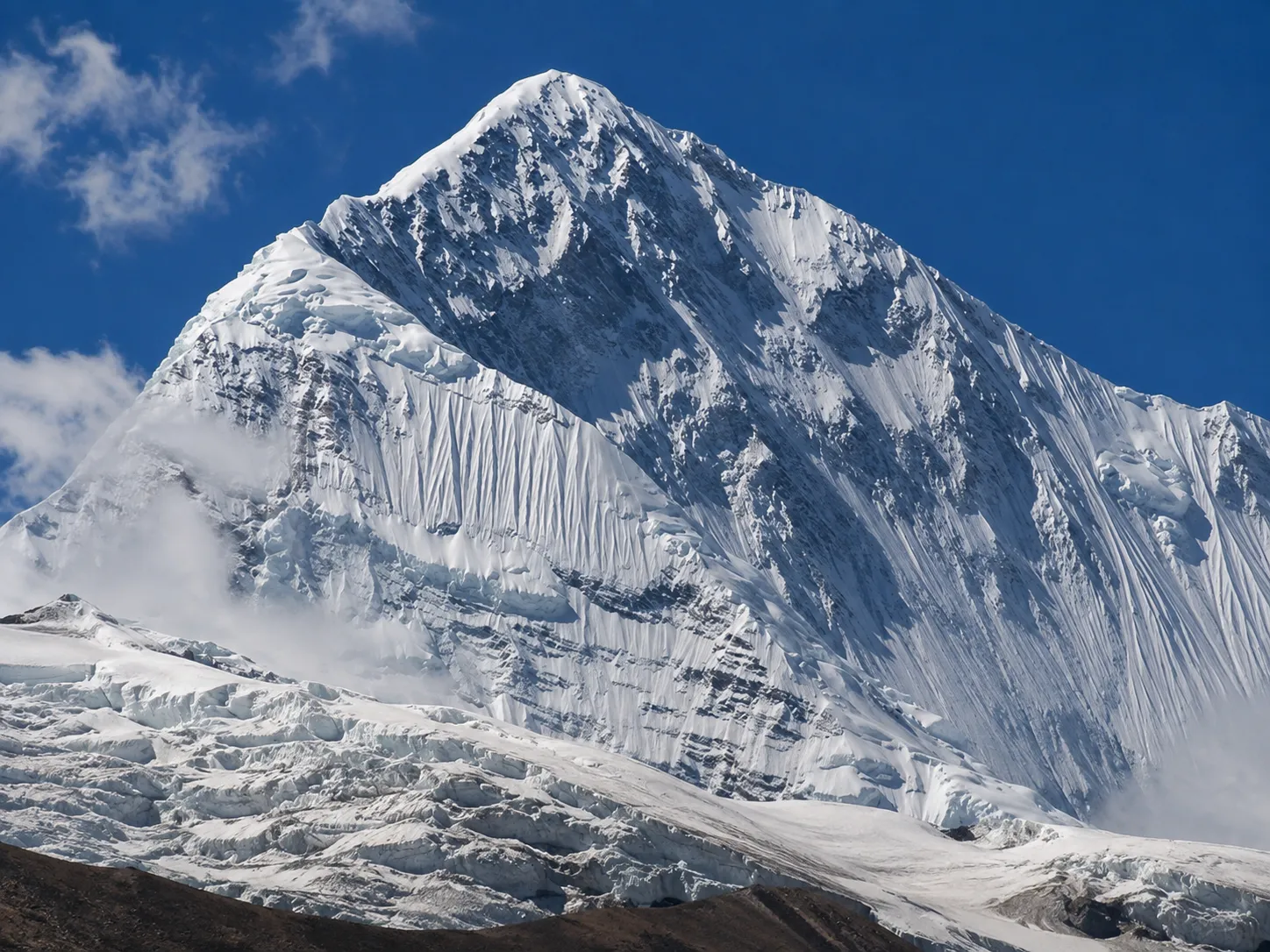
- Glacier travel and snow-covered terrain
- Technical climbing sections
- Extreme weather conditions
- High-altitude camping above 4,000 metres
- A summit attempt above 7,000 metres
Participants should have:
- Previous trekking or climbing experience at high altitude
- Excellent physical fitness and endurance
- Mental strength and determination
- Familiarity with basic mountaineering techniques
Gangapurna is not only a test of physical ability but also requires patience, teamwork, discipline, and respect for the mountain environment.
With proper preparation and guidance from our experienced Sherpa climbing team, climbers can approach this remarkable Himalayan challenge with confidence and safety.
Acclimatization & Altitude Sickness
Proper acclimatization is one of the most important aspects of any successful Himalayan expedition. The human body requires time to adjust to reduced oxygen levels as altitude increases.
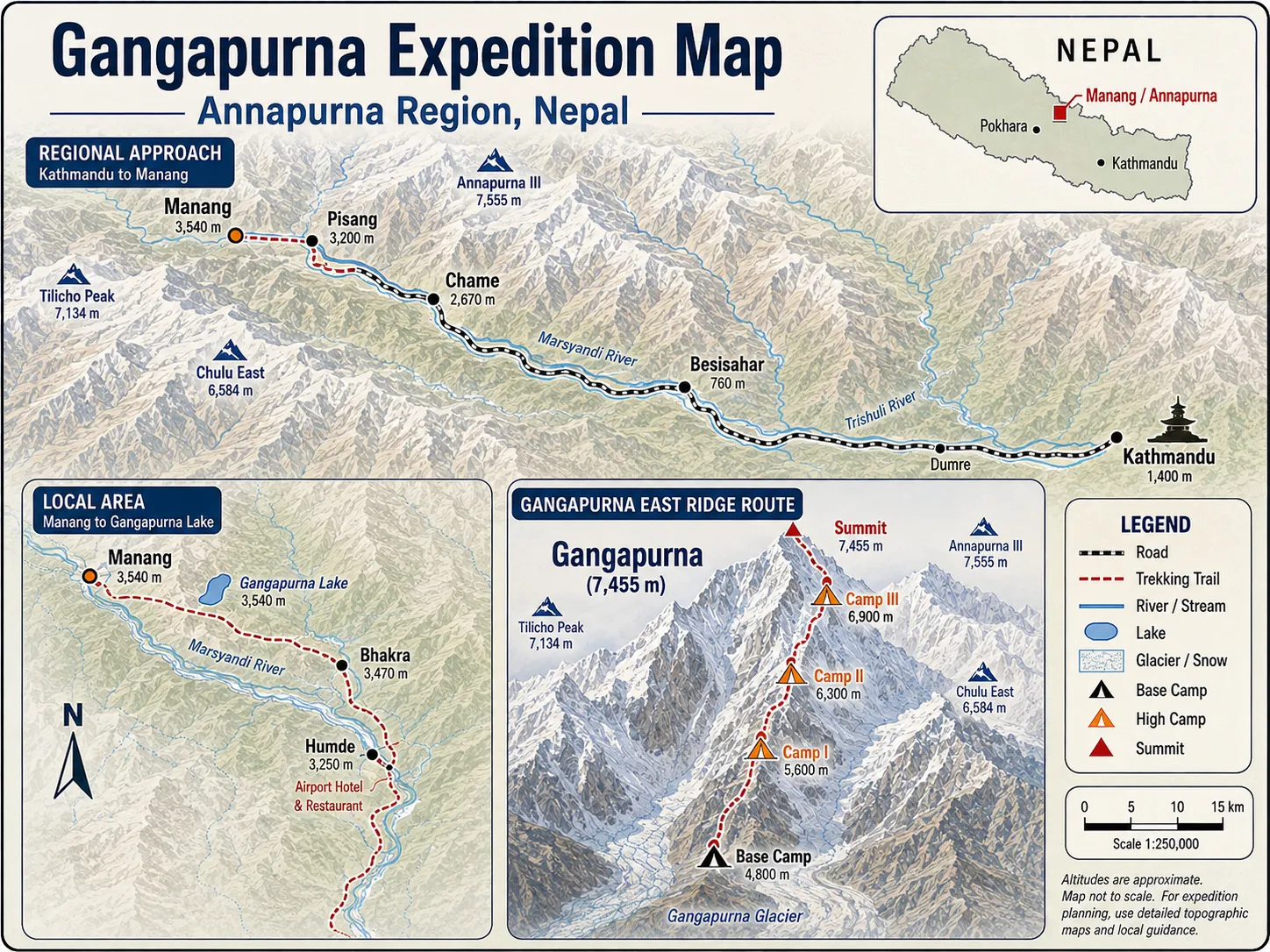
The Gangapurna itinerary has been carefully designed with gradual altitude gain and dedicated acclimatization periods, especially in Manang before reaching Base Camp.
Our acclimatization strategy includes:
- Gradual ascent schedule
- Rest and adaptation days
- Short altitude adjustment hikes
- Regular health monitoring by experienced guides
- Careful observation of symptoms related to altitude
Possible symptoms of altitude-related problems may include headache, tiredness, nausea, loss of appetite, dizziness, or difficulty sleeping. Our climbing team continuously monitors each participant and takes appropriate safety decisions whenever necessary.
Safety always remains our highest priority throughout the expedition.
Himalayan Culture & Ancient Monasteries
The Gangapurna Expedition is not only a mountaineering adventure but also a journey through the unique cultural heritage of the Himalayas.
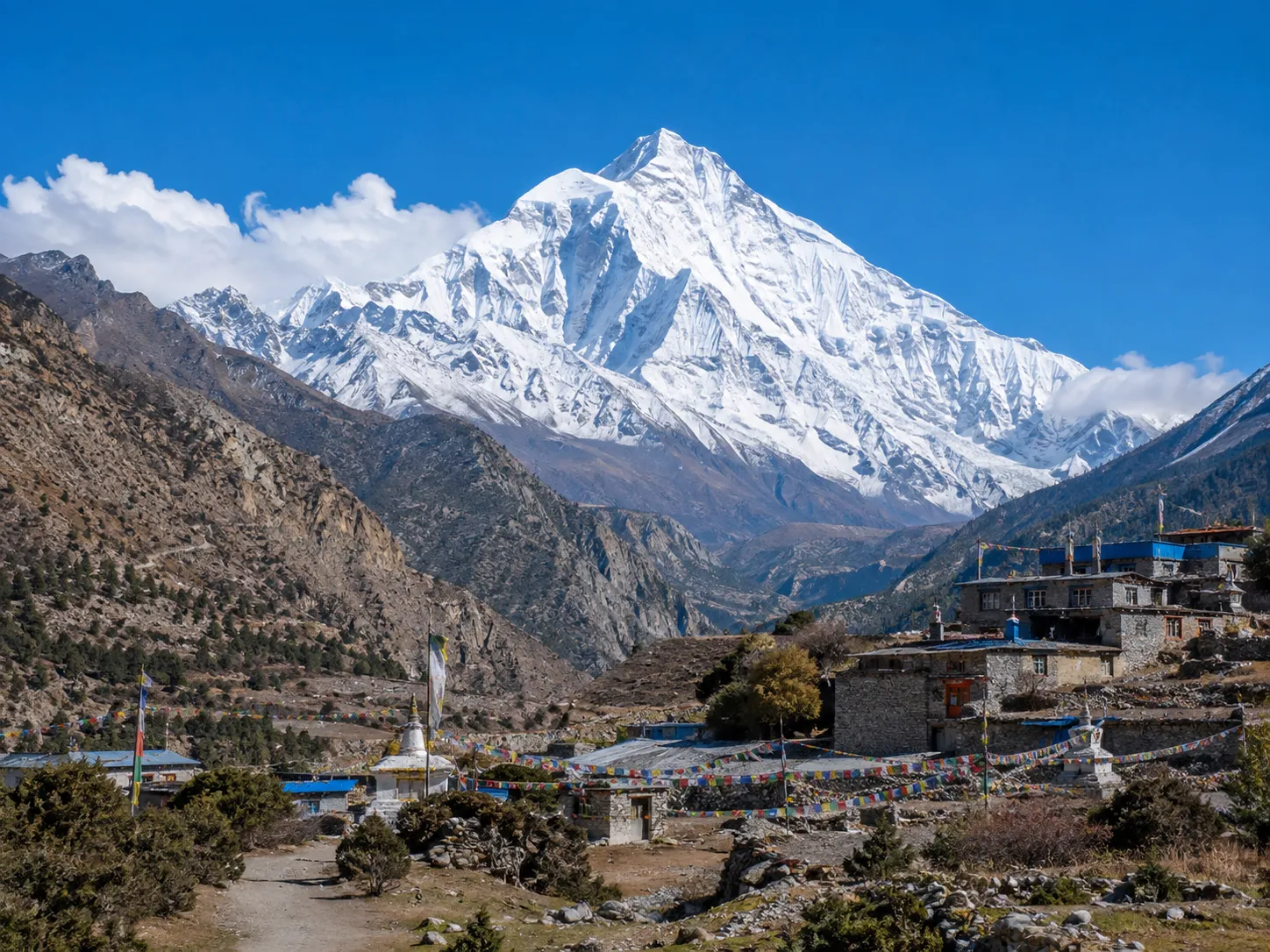
The approach route passes through traditional villages of the Manang region, where Tibetan Buddhist traditions have remained strong for generations.
During the journey, climbers experience:
- Ancient Buddhist monasteries and prayer sites
- Colorful prayer flags across mountain trails
- Mani walls carved with sacred inscriptions
- Traditional Himalayan architecture
- Local customs and mountain lifestyles
Villages such as Chame, Pisang, Braga, and Manang reflect the deep connection between Himalayan communities and their spiritual traditions.
The peaceful monasteries, welcoming mountain people, and timeless Himalayan culture add a meaningful dimension to the expedition, making Gangapurna not only a climb toward a summit but also a journey into the heart of the Himalayas.
Preparation Guide
A successful Gangapurna Expedition requires careful physical preparation, proper equipment planning, and mental readiness. As a high-altitude technical expedition, participants should begin preparation several months before arrival in Nepal.
Physical Preparation
Climbers should focus on:
- Cardiovascular endurance through hiking, running, cycling, or similar activities.
- Strength training, especially for legs, core, and upper body.
- Regular long-distance walking practice while carrying a backpack.
- Building stamina for consecutive days of trekking and climbing.
Technical Preparation
Previous experience with basic mountaineering skills is highly recommended, including:
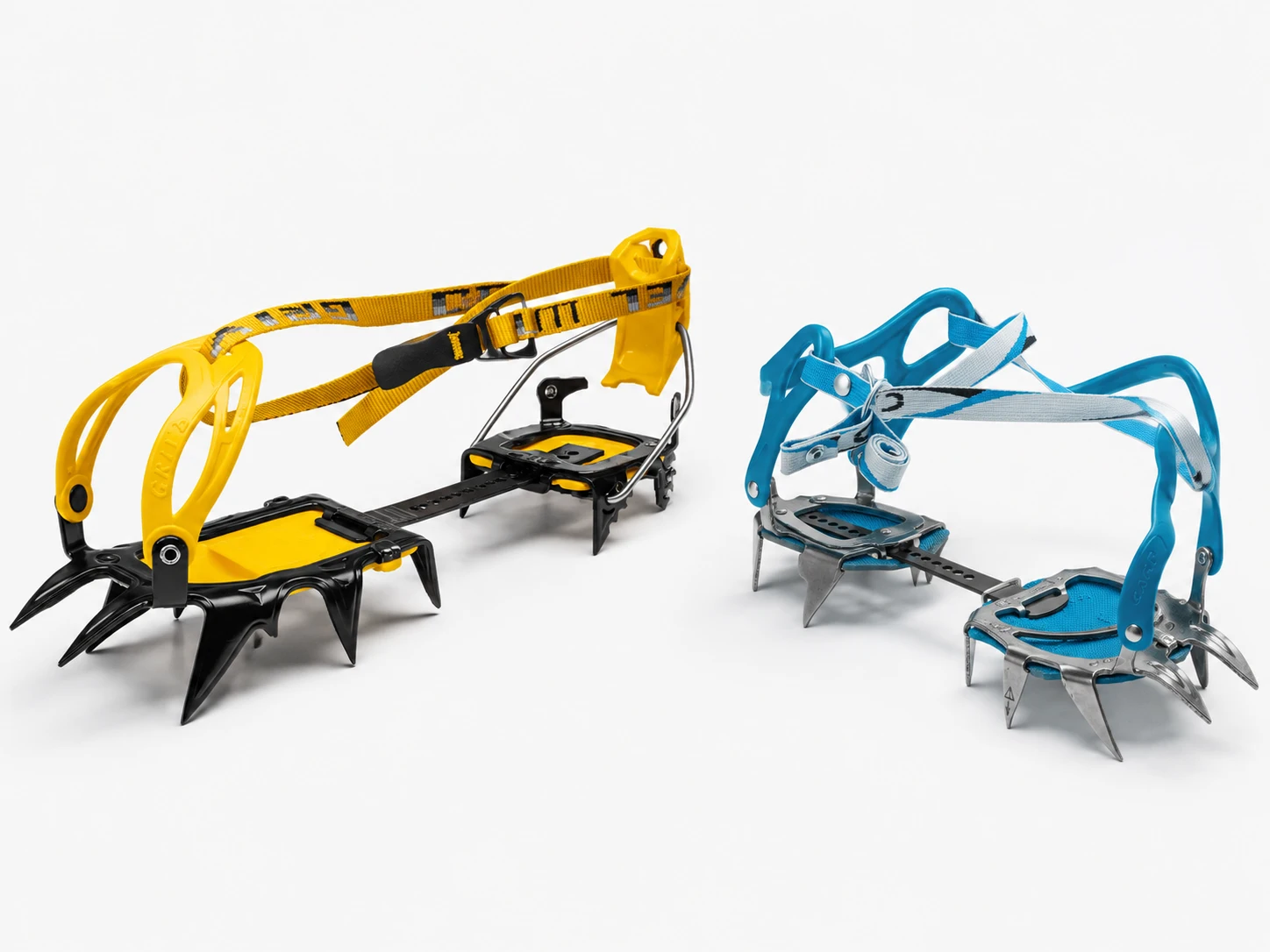
- Using crampons and ice axes.
- Glacier walking techniques.
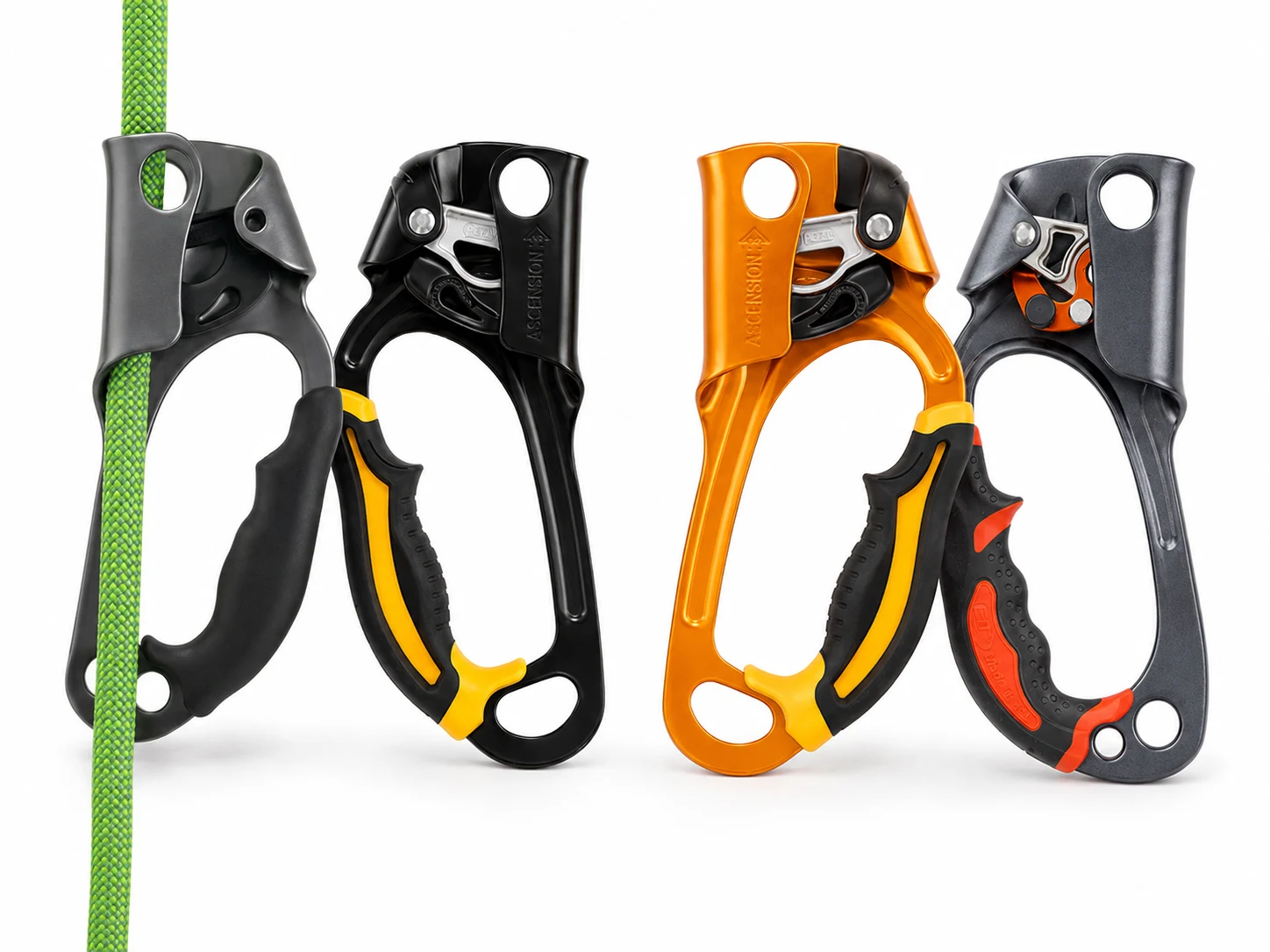
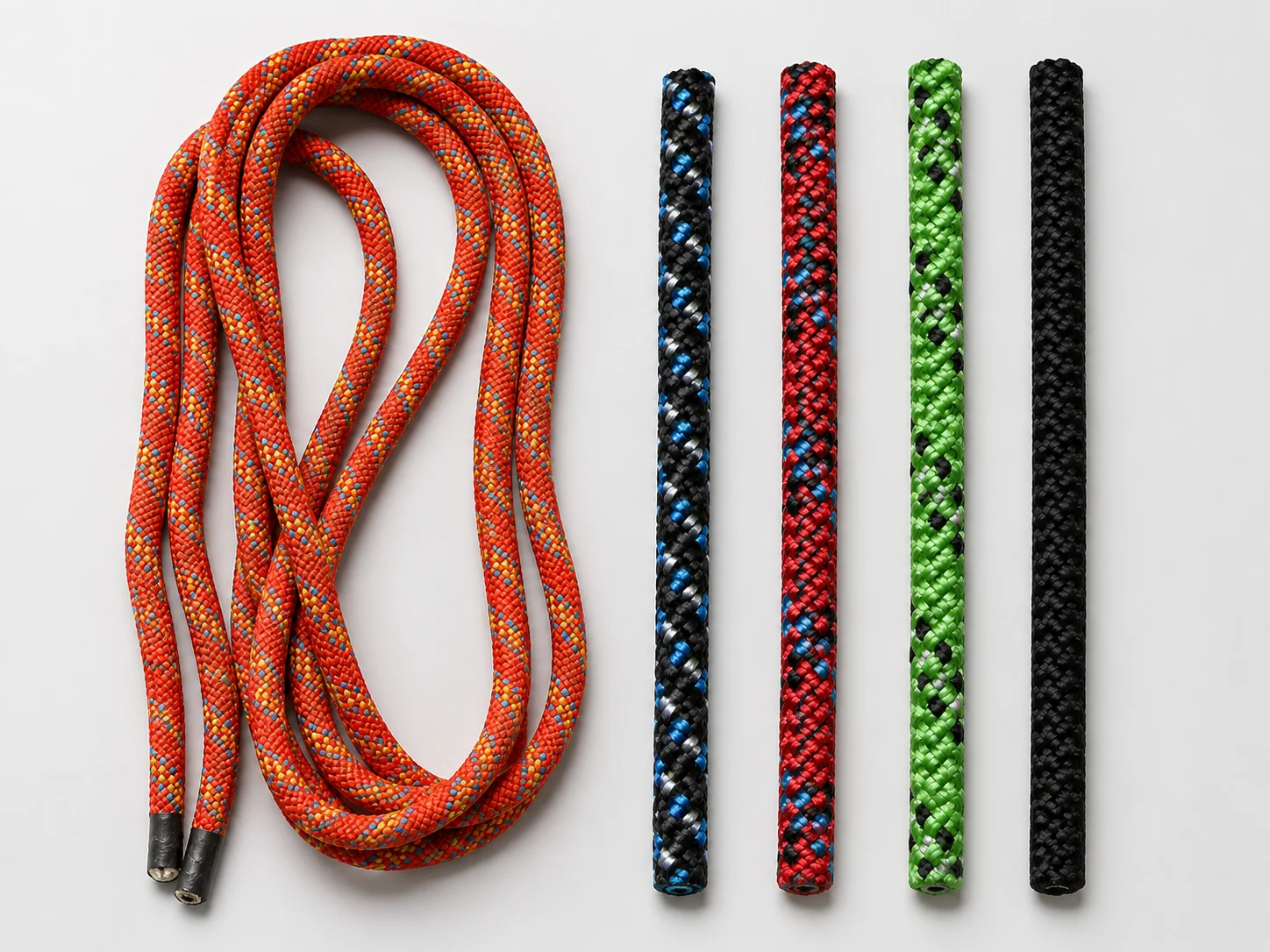
- Rope movement and fixed-line climbing.
- Understanding high-altitude safety procedures.
Mental Preparation
Climbing above 7,000 metres requires patience, determination, teamwork, and the ability to make responsible decisions in challenging conditions.
Our experienced Sherpa climbing team will provide guidance throughout the expedition, but participants should arrive physically and mentally prepared for the demands of Himalayan mountaineering.
Weather & Climate
The weather in the Gangapurna region varies greatly due to altitude differences. Lower trekking areas experience moderate mountain weather, while Base Camp and higher climbing sections face extreme alpine conditions.
Spring Season (March–May)
- Generally favorable for climbing.
- Stable weather patterns with longer daylight hours.
- Increasing temperatures during the day.
- Cold nights at higher elevations.
Autumn Season (September–November)
- Clear skies and excellent mountain visibility.
- Stable conditions after the monsoon season.
- Comfortable trekking temperatures.
- Suitable conditions for photography and Himalayan exploration.
At higher elevations above 6,000 metres, temperatures can drop significantly, and strong winds, snowfall, and rapidly changing weather conditions are always possible. The expedition schedule includes flexibility to adapt safely to Himalayan conditions.
Accommodation
During the Gangapurna Expedition, accommodation varies according to location and altitude.
Kathmandu & Pokhara
Participants stay in comfortable hotels with private facilities and modern services.
Trekking Section
During the approach trek, accommodation is provided in mountain lodges/teahouses operated by local Himalayan communities.
Facilities generally include:
- Comfortable rooms with basic bedding.
- Shared bathroom facilities in many locations.
- Dining areas for meals and relaxation.
Expedition Period
At Gangapurna Base Camp and higher camps:
- High-altitude expedition tents are provided.
- Dining and kitchen facilities are arranged by our support team.
- Camps are managed with safety, comfort, and efficiency in mind.
Meals During the Trek
Proper nutrition is essential during a high-altitude expedition. Our team provides balanced meals designed to maintain energy, strength, and recovery throughout the journey.
During Trekking
Meals generally include:
- Traditional Nepali dishes such as dal, bhat, and vegetables.
- Noodles, pasta, soups, rice, and seasonal foods.
- Eggs, bread, pancakes, and hot drinks.
- Tea, coffee, and energy-supporting beverages.
During Climbing Period
At Base Camp and higher camps, our kitchen team prepares nutritious expedition meals suitable for cold and demanding conditions.
Special dietary requirements can usually be arranged with advance notice.
Drinking Water
Staying properly hydrated is extremely important during high-altitude travel.
Safe drinking water options include:
- Boiled water prepared by lodges and expedition kitchens.
- Filtered or purified water.
- Water purification tablets or personal filtration systems.
Participants should carry a reusable water bottle or hydration system and drink regularly throughout the day.
Avoiding dehydration helps reduce fatigue and supports better altitude adaptation.
Internet & Charging Facilities
Communication facilities are available during most sections of the trek, although services become limited at higher elevations.
Internet Access
- Wi-Fi is available in many trekking lodges at additional cost.
- Mobile network coverage is available in some lower and middle-altitude areas.
- Connectivity at Base Camp and higher camps may be limited or unavailable.
Charging Facilities
- Charging facilities are available at many lodges for a small fee.
- Electricity availability becomes limited at higher elevations.
- Carrying a power bank or solar charging option is recommended.
Participants should prepare for periods without regular communication services as part of the Himalayan experience.
Travel Insurance
Comprehensive travel insurance is mandatory for the Gangapurna Expedition.
Insurance should include coverage for:
- High-altitude mountaineering above 7,000 metres.
- Emergency helicopter evacuation.
- Medical treatment and hospitalization.
- Trip cancellation or interruption.
- Loss or damage of personal belongings.
Participants must ensure their insurance policy specifically covers technical climbing activities, as standard trekking insurance may not provide sufficient protection.
Packing List
Proper equipment selection is essential for comfort and safety during the expedition.
Personal Clothing & Gear
- Waterproof trekking jacket and trousers
- Down jacket suitable for high altitude
- Thermal base layers
- Fleece jacket
- Trekking pants and shirts
- Warm hat and gloves
- Sunglasses with UV protection
- Headlamp with extra batteries
Mountaineering Equipment
- Mountaineering boots
- Crampons
- Ice axe
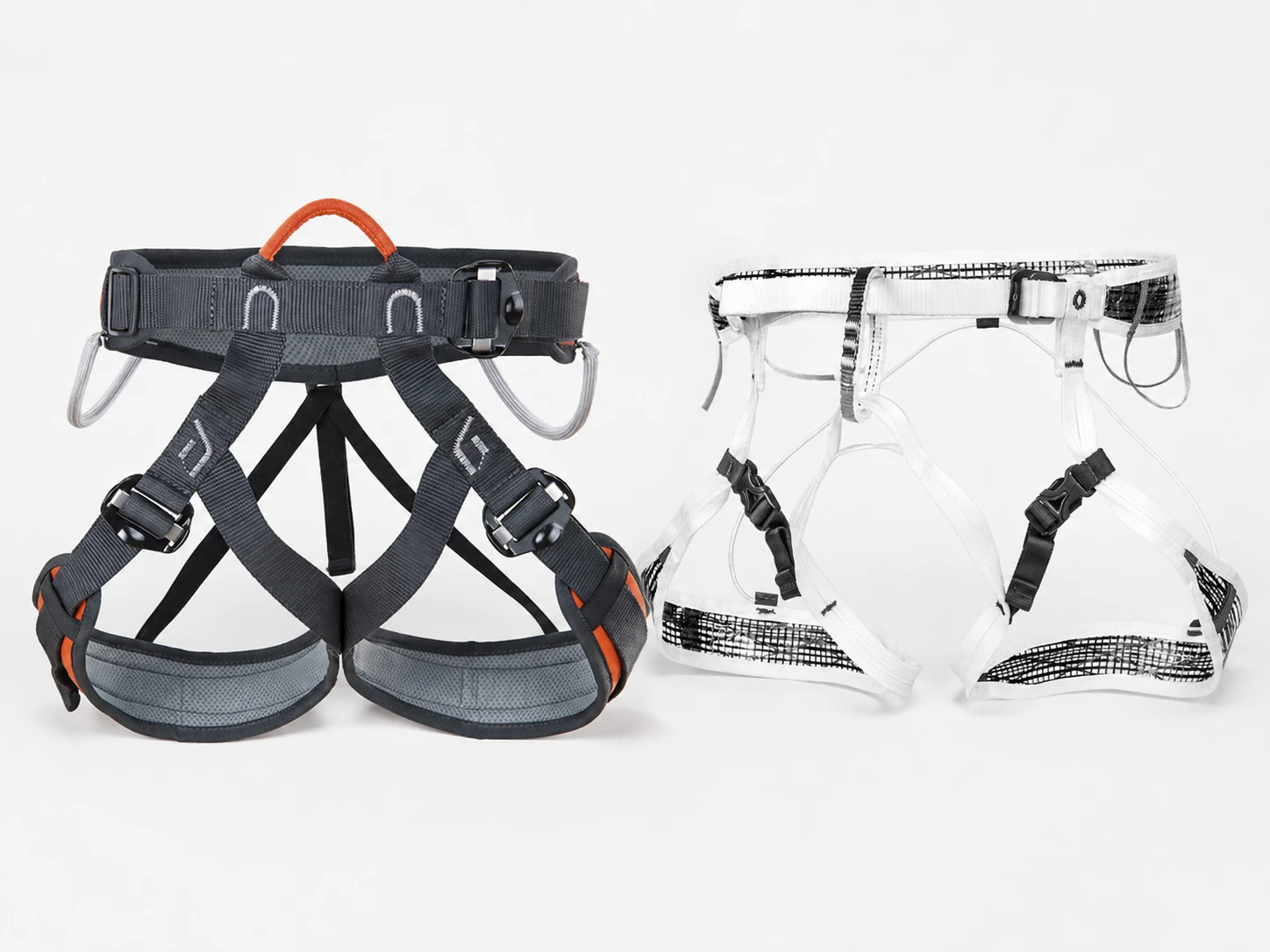
- Climbing harness
- Helmet
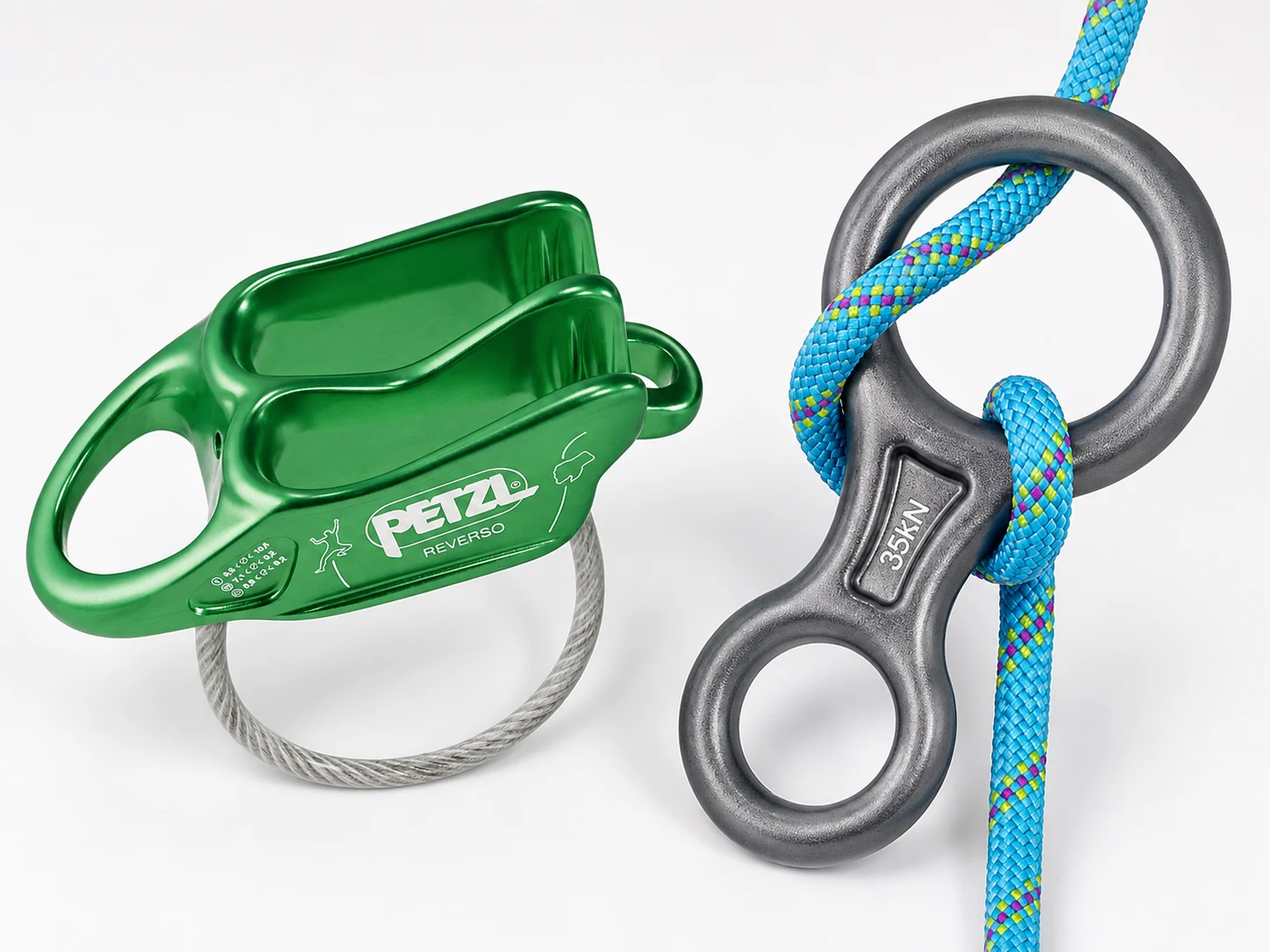
- Ascender/descender equipment
- Carabiners
- Climbing gloves
- Technical climbing clothing
Personal Essentials
- Sleeping bag suitable for extreme cold
- Water bottle/hydration system
- Personal medical kit
- Sunscreen and lip protection
- Camera and personal electronics
- Backpack and duffle bag
A detailed equipment checklist will be provided before the expedition departure.
Safety Measures
Safety is the highest priority throughout the Gangapurna Expedition.
Our safety approach includes:
- Experienced and government-certified Sherpa climbing guides.
- Careful acclimatization planning.
- Regular health monitoring.
- Professional expedition preparation.
- Weather assessment before climbing decisions.
- Proper use of climbing equipment.
- Emergency response planning.
The expedition team continuously evaluates mountain conditions and climber health. Summit success is important, but returning safely is always the ultimate goal.
Frequently Asked Questions (FAQ)
1. Who can join the Gangapurna Expedition?
Gangapurna is suitable for experienced climbers with previous high-altitude trekking or mountaineering experience. Participants should have excellent physical fitness and basic technical climbing knowledge.
2. How difficult is Gangapurna Expedition?
Gangapurna (7,455m) is considered a challenging technical Himalayan expedition involving glacier travel, snow climbing, high altitude, and unpredictable mountain conditions.
3. What climbing skills are required?
Participants should be familiar with:
- Crampon techniques.
- Ice axe use.
- Rope climbing systems.
- Glacier travel.
- High-altitude climbing practices.
4. What is the best season for climbing Gangapurna?
Spring (March–May) and autumn (September–November) are generally considered the most suitable seasons due to more favorable weather and climbing conditions.
5. How do you manage altitude sickness?
The itinerary includes gradual altitude gain and acclimatization days. Our guides monitor health conditions and make safety decisions based on individual situations and mountain conditions.
6. Is a summit guaranteed?
No Himalayan summit can be guaranteed because weather, route conditions, and safety factors are controlled by nature. Our team provides professional support and selects the safest possible summit opportunity.
7. What happens if the weather prevents climbing?
Extra contingency days are included in the itinerary to manage delays caused by weather or mountain conditions whenever possible.
8. Do I need previous expedition experience?
Previous experience on high-altitude peaks is strongly recommended. Gangapurna is not a beginner-level climb and requires preparation, endurance, and technical ability.
9. Why choose Himalayan Sherpa Exodus Team?
Himalayan Sherpa Exodus Team Treks & Expeditions Pvt. Ltd. provides professionally managed Himalayan expeditions supported by experienced Sherpa climbers, careful planning, and a strong commitment to safety and responsible mountain travel.