Pumo-Ri Expedition
Mt. Pumo-ri Expedition Trip Overview
Rising dramatically above the Khumbu Valley, Mt. Pumori (7,145m) is one of Nepal’s most striking Himalayan peaks and an exceptional objective for experienced mountaineers seeking a serious high-altitude climbing adventure. Standing close to Mount Everest on the Nepal–Tibet frontier, Pumori commands an impressive position among some of the greatest mountains on Earth.
The name “Pumori” comes from the Sherpa language, where Pumo means “daughter” or “young girl” and Ri means “mountain.” The peak is widely associated with the poetic meaning “Daughter of the Mountain.” Its elegant pyramid-shaped profile, technical climbing sections and extraordinary location have made it a respected objective among Himalayan climbers.
The 34 Days Mt. Pumori Expedition with Himalayan Sherpa Exodus Team Treks & Expeditions is designed for climbers who already possess previous mountaineering experience and are comfortable using essential climbing equipment such as ropes, harnesses, crampons and ice axes. The expedition involves glacier travel, steep snow and ice slopes, exposed ridges and demanding climbing at extreme altitude. Good physical conditioning, mental determination and sound acclimatization are therefore essential.
The adventure begins with a spectacular flight to Lukla before following the legendary trails of the Everest region. The approach gradually passes through Phakding, Namche Bazaar, Tyangboche, Dingboche, Lobuche and Gorakshep, allowing climbers to gain altitude progressively while experiencing the landscapes and Sherpa culture of the Khumbu.
Adequate acclimatization is an important part of the expedition. Rest and preparation days are incorporated along the route so that the body can adapt naturally to increasing elevations. The journey also provides an opportunity to visit traditional Sherpa settlements and the famous Buddhist monastery at Tyangboche while enjoying magnificent views of Everest, Lhotse, Nuptse, Ama Dablam and many other Himalayan peaks.
After reaching Pumori Base Camp, the true mountaineering phase begins. During the climbing period, our expedition team establishes and uses a series of higher camps according to mountain conditions, weather and the acclimatization progress of the climbers. The route involves sections of glacier, snow slopes, ice, crevasses and steep climbing where fixed ropes and technical equipment may be required.
The climbing period has been carefully allocated to provide sufficient time for acclimatization rotations, route preparation, skills practice, rest and suitable weather opportunities before the final summit attempt. Our experienced climbing Sherpas continually evaluate weather, route conditions, equipment and the physical condition of team members when making decisions on the mountain.
The summit push normally begins during the early hours when conditions are generally more stable. Reaching the top of Mt. Pumori rewards climbers with an extraordinary Himalayan panorama. From its elevated position beside Everest, the summit offers exceptional perspectives toward Mount Everest, the Khumbu Himalaya, the Tibetan Plateau and the Rongbuk Glacier region.
Beyond its spectacular views, Mt. Pumori is valued as a demanding Himalayan climbing objective in its own right. Its combination of technical terrain, altitude and expedition-style climbing also makes it valuable experience for mountaineers preparing for higher and more demanding Himalayan expeditions.
At Himalayan Sherpa Exodus Team Treks & Expeditions our priority is to provide professional expedition organization, responsible climbing practices and experienced Himalayan support. Our skilled Sherpa climbing team brings generations of mountain knowledge, practical experience and a deep understanding of the Himalayan environment to every expedition.
Mt. Pumori is not simply a summit to be reached. It is a journey of patience, preparation, teamwork and determination—an opportunity to test yourself in one of the most inspiring mountain landscapes on Earth.
Mt. Pumo-ri Expedition Trip Highlights
Mt. Pumo-ri Expedition Trip Highlights
- Attempt the summit of Mt. Pumori (7,145m), one of the most impressive technical climbing peaks of the Everest region.
- Experience a complete 34-day Himalayan expedition, combining the classic Everest Base Camp trekking corridor with a genuine high-altitude mountaineering objective.
- Enjoy an unforgettable mountain flight between Kathmandu and Lukla, the traditional gateway to Nepal’s Khumbu region.
- Trek through legendary Sherpa settlements including Phakding, Namche Bazaar, Tyangboche, Dingboche, Lobuche and Gorakshep.
- Spend valuable acclimatization time in Namche Bazaar, surrounded by spectacular views of the Everest region.
- Visit the culturally important Tyangboche Monastery, one of the best-known Buddhist monasteries of the Khumbu Himalaya.
- Follow a carefully planned ascent profile designed to support progressive acclimatization and physical preparation before entering the climbing phase.
- Establish yourself at Pumori Base Camp beneath the dramatic slopes of the mountain.
- Take part in an extended 18-day climbing period, providing time for acclimatization rotations, climbing preparation, rest, weather assessment and summit opportunities.
- Experience true Himalayan expedition climbing involving glaciers, snowfields, steep slopes, exposed ridges, crevasses and technical sections.
- Improve and apply essential mountaineering techniques including rope work, crampon use, glacier travel and high-altitude climbing procedures.
- Climb with the support of experienced Sherpa mountaineers who understand the terrain, weather and challenges of Himalayan expeditions.
- Witness exceptional close-range views of Mount Everest, Lhotse, Nuptse and the surrounding Khumbu Himalayan giants.
- Enjoy remarkable summit perspectives extending toward Tibet and the Rongbuk Glacier region.
- Gain valuable expedition experience for climbers considering future objectives on higher Himalayan mountains, including 8,000-metre peaks.
- Complete the expedition with a scenic descent through Pangboche, Namche Bazaar and Lukla, allowing time to reflect on an extraordinary Himalayan achievement.
- Finish your journey with a leisure day in Kathmandu before your final international departure.
Day 01 :
Arrival in Kathmandu (1,400m) & Transfer to Hotel
Meals: Breakfast | Accommodation: Hotel
Upon your arrival at Tribhuvan International Airport, our representative from Himalayan Sherpa Exodus Team Treks & Expeditions Pvt. Ltd. will warmly welcome you and transfer you to your hotel in Kathmandu. After check-in, you will have time to rest and recover from your journey. In the evening, our expedition team will provide a brief introduction and discuss the upcoming Mt. Pumori adventure.
Walking/Transfer Distance: Approximately 6 km by vehicle
Duration: 30–45 minutes (depending on traffic conditions)
Day 02 :
Rest Day in Kathmandu – Expedition Briefing & Preparation (1,400m)
Meals: Breakfast & Dinner | Accommodation: Hotel
Today is dedicated to final preparation for the expedition. Our climbing leaders will conduct a detailed expedition briefing covering the route, climbing strategy, safety procedures, weather considerations and essential mountaineering practices. The team will inspect personal climbing equipment and ensure everything is properly prepared before heading toward the Himalayas.
You may also explore nearby cultural sites or enjoy your final comfortable night in Kathmandu before beginning the mountain journey.
Walking Distance: Optional sightseeing walk
Duration: Flexible
Day 03 :
Flight from Kathmandu to Lukla (2,840m) & Trek to Phakding (2,610m)
Meals: Breakfast, Lunch & Dinner | Accommodation: Lodge
After an early morning scenic flight from Kathmandu to Lukla, the gateway of the Everest region, we begin our first trekking day. The short and pleasant trail descends through beautiful Sherpa villages, forests and riverside landscapes before reaching Phakding.
This gradual beginning allows your body to adjust before entering higher elevations.
Flight Duration: Approximately 35 minutes
Walking Distance: Approximately 8 km
Walking Duration: 3–4 hours
Elevation Gain/Loss: Lukla (2,840m) to Phakding (2,610m)
Day 04 :
Trek from Phakding to Namche Bazaar (3,440m)
Meals: Breakfast, Lunch & Dinner | Accommodation: Lodge
Today is one of the most memorable trekking days as we enter Sagarmatha National Park and move deeper into the Khumbu region. The trail follows the Dudh Koshi River, crossing several suspension bridges decorated with prayer flags.
After passing through Monjo and completing the national park entry formalities, we continue toward Namche Bazaar. The final uphill climb rewards you with your first possible views of Everest and the surrounding Himalayan peaks.
Namche Bazaar is the historic trading center of the Sherpa community and an important acclimatization point.
Walking Distance: Approximately 10–12 km
Walking Duration: 6–7 hours
Elevation Gain: +830m
Day 05 :
Acclimatization Day at Namche Bazaar (3,440m)
Meals: Breakfast, Lunch & Dinner | Accommodation: Lodge
A necessary rest day is scheduled in Namche Bazaar to help your body adapt to the increasing altitude. Instead of complete rest, a short acclimatization hike will be organized to a higher viewpoint such as Everest View Hotel (3,880m).
This hike provides excellent panoramic views of Everest, Lhotse, Ama Dablam, Thamserku and other Himalayan peaks while improving altitude adaptation.
Walking Distance: Approximately 4–6 km
Walking Duration: 3–4 hours
Maximum Elevation: Approximately 3,880m
Day 06 :
Trek from Namche Bazaar to Tyangboche Monastery (3,860m)
Meals: Breakfast, Lunch & Dinner | Accommodation: Lodge
Leaving Namche Bazaar, the trail follows a beautiful hillside route offering spectacular views of Everest, Nuptse, Lhotse and Ama Dablam. After descending to the Dudh Koshi River, we gradually climb through rhododendron forests toward Tyangboche.
Tyangboche is home to the famous Buddhist monastery of the Khumbu region. The peaceful surroundings and incredible mountain views make it one of the most beautiful stops on the journey.
Walking Distance: Approximately 10 km
Walking Duration: 5–6 hours
Elevation Gain: +420m
Day 07 :
Trek from Tyangboche to Dingboche (4,410m)
Meals: Breakfast, Lunch & Dinner | Accommodation: Lodge
Today we enter the higher Himalayan landscape. The trail descends through forests before crossing the Imja Khola River and gradually climbs toward Pangboche, the highest permanent Sherpa settlement in the region.
Continuing through alpine terrain with magnificent views of Ama Dablam, Island Peak and surrounding peaks, we reach Dingboche, known as the “summer valley” of the Khumbu region.
Walking Distance: Approximately 11 km
Walking Duration: 5–6 hours
Elevation Gain: +550m
Day 08 :
Trek from Dingboche to Lobuche (4,930m)
Meals: Breakfast, Lunch & Dinner | Accommodation: Lodge
The trail continues higher into the Himalayan wilderness. After leaving Dingboche, we pass through the beautiful alpine valley toward Thukla. A steep climb leads to the Thukla Pass area, where memorials honor climbers who lost their lives on Himalayan peaks.
From here, the trail gradually continues toward Lobuche, a small settlement surrounded by towering Himalayan mountains.
Walking Distance: Approximately 8 km
Walking Duration: 5–6 hours
Elevation Gain: +520m
Day 09 :
Trek from Lobuche to Gorakshep (5,164m)
Meals: Breakfast, Lunch & Dinner | Accommodation: Lodge
Today we move closer to Mt. Pumori and the Everest Base Camp region. The trail follows the rocky glacial valley beside the Khumbu Glacier. After reaching Gorakshep, we prepare ourselves for the transition from trekking to expedition climbing.
Depending on conditions and team preparation, an optional visit toward Everest Base Camp may be arranged.
Walking Distance: Approximately 4–5 km
Walking Duration: 3–4 hours
Elevation Gain: +230m
Day 10 :
Trek from Gorakshep to Mt. Pumori Base Camp (5,300m approx.)
Meals: Breakfast, Lunch & Dinner | Accommodation: Camping Tent
Today marks the beginning of the true expedition phase. Leaving Gorakshep, we approach the magnificent south face of Mt. Pumori. The trail crosses rocky Himalayan terrain and gradually leads toward the base camp beneath the impressive slopes of the mountain.
Upon reaching Base Camp, our expedition Sherpa team will organize camp facilities, conduct safety checks and prepare for the upcoming climbing period.
This will be your home for the next stage of the Mt. Pumori expedition.
Walking Distance: Approximately 3–4 km
Walking Duration: 3–4 hours
Elevation Gain: +140m
Base Camp Elevation: Approximately 5,300m
Day 11 - 28 :
Mt. Pumori Climbing Period
Route: Pumori Base Camp (5,300m) – Camp I (5,700m) – Camp II (6,200m) – Camp III (6,500m) – Mt. Pumori Summit (7,145m) – Base Camp
Meals: Breakfast, Lunch & Dinner | Accommodation: Expedition Tent
The next 18 days are dedicated to the technical climbing phase of the Mt. Pumori Expedition. This extended period has been carefully planned to allow sufficient time for acclimatization, climbing practice, route preparation, rest, weather assessment and a safe summit attempt.
After establishing our base at Pumori Base Camp (5,300m), our experienced Sherpa climbing team will conduct detailed briefings, equipment checks and practical training sessions. Climbers will refresh essential skills including rope techniques, glacier travel, crampon movement, ice axe usage, fixed rope climbing and high-altitude safety procedures.
During the climbing rotation period, we gradually move higher on the mountain through a series of established camps:
Camp I (Approx. 5,700m)
The route from Base Camp to Camp I involves crossing glacier terrain, icy sections and mountain ridges. Climbers gradually gain confidence while becoming familiar with the route and changing conditions of the mountain.
Approximate Duration: 4–5 hours from Base Camp
Camp II (Approx. 6,200m)
The climb from Camp I to Camp II involves steeper snow and ice slopes, with sections requiring fixed ropes and technical climbing techniques. The terrain becomes more demanding as altitude increases.
Approximate Duration: 5–7 hours depending on conditions
Camp III (Approx. 6,500m)
Camp III serves as the final high camp and preparation point before the summit attempt. Climbers rest, hydrate and prepare equipment while the expedition leader carefully evaluates weather forecasts and mountain conditions.
Approximate Duration: 4–6 hours from Camp II
Summit Attempt: Mt. Pumori (7,145m)
The summit push generally begins during the early morning hours when weather conditions are usually more stable. From Camp III, climbers continue across challenging Himalayan terrain toward the summit ridge.
The climb requires determination, technical ability and careful teamwork as the route includes steep snow slopes, exposed sections, glaciers and high-altitude challenges.
Standing on the summit of Mt. Pumori (7,145m) offers an unforgettable experience with breathtaking views of the Everest region, including Mt. Everest, Lhotse, Nuptse, Ama Dablam, the Khumbu Glacier and the Tibetan Himalayan landscape.
After celebrating the summit achievement, the team carefully descends back through the higher camps to Pumori Base Camp, where climbers can rest and recover.
Climbing Duration: 18 days (including acclimatization rotations, training, summit attempt, weather contingency and descent)
Maximum Elevation: 7,145m
Accommodation: Expedition Tent
Support: Experienced Sherpa climbing guides, kitchen crew and expedition staff
Note: The actual climbing schedule may be adjusted according to weather conditions, route safety, snow conditions and the physical condition of expedition members.
Day 29 :
Trek from Pumori Base Camp (5,300m) to Pangboche (3,930m)
Meals: Breakfast, Lunch & Dinner | Accommodation: Lodge
After successfully completing the climbing phase, we leave the mountain environment and begin our return journey through the beautiful Khumbu Valley.
The trail descends from Base Camp through Gorakshep and Lobuche before continuing toward the lower valleys. Surrounded by magnificent Himalayan scenery, we gradually return to more comfortable elevations.
Pangboche is one of the oldest Sherpa villages in the Khumbu region and offers a peaceful environment surrounded by spectacular mountain views.
Walking Distance: Approximately 16–18 km
Walking Duration: 7–8 hours
Elevation Loss: Approximately 1,370m
Day 30 :
Trek from Pangboche (3,930m) to Namche Bazaar (3,440m)
Meals: Breakfast, Lunch & Dinner | Accommodation: Lodge
Today we continue descending through the familiar trails of the Khumbu region. The route passes through traditional Sherpa settlements, forests and riverside landscapes before reaching Namche Bazaar.
This lively mountain town provides a comfortable place to relax after the demanding climbing experience.
Walking Distance: Approximately 14 km
Walking Duration: 6–7 hours
Elevation Loss: Approximately 490m
Day 31 :
Trek from Namche Bazaar (3,440m) to Lukla (2,840m)
Meals: Breakfast, Lunch & Dinner | Accommodation: Lodge
The final trekking day follows the Dudh Koshi River valley back toward Lukla. The trail passes through Monjo, Phakding and several Sherpa villages before reaching Lukla.
In the evening, the team celebrates the successful completion of the Himalayan expedition together.
Walking Distance: Approximately 18–20 km
Walking Duration: 7–8 hours
Elevation Loss: Approximately 600m
Day 32 :
Scenic Flight from Lukla (2,840m) to Kathmandu (1,400m)
Meals: Breakfast | Accommodation: Hotel
After breakfast, we take a scenic mountain flight from Lukla back to Kathmandu. The short flight provides one final opportunity to enjoy aerial views of the Himalayan landscape.
Upon arrival in Kathmandu, our team will transfer you to the hotel. The rest of the day is available for relaxation, personal activities or celebration of your successful expedition.
Flight Duration: Approximately 35 minutes
Transfer Duration: 30–45 minutes
Day 33 :
Leisure Day in Kathmandu (1,400m)
Meals: Breakfast | Accommodation: Hotel
A free day is provided in Kathmandu after completing the Mt. Pumori Expedition. You may explore the historic streets of Kathmandu, visit cultural heritage sites, enjoy traditional Nepalese cuisine or purchase souvenirs.
This additional day also provides flexibility in case of flight delays or unexpected changes during the expedition.
Walking Distance: Optional sightseeing
Duration: Flexible
Day 34 :
Final Departure from Kathmandu (1,400m)
Meals: Breakfast
Your incredible Himalayan journey comes to an end today. According to your international flight schedule, our representative will transfer you to Tribhuvan International Airport for your onward destination.
We sincerely hope that your Mt. Pumori Expedition with Himalayan Sherpa Exodus Team Treks & Expeditions Pvt. Ltd. becomes a memorable achievement filled with adventure, friendship and lifelong Himalayan experiences.
Airport Transfer: Approximately 6 km
Duration: 30–45 minutes depending on traffic
Why Climb Mt. Pumori With Himalayan Sherpa Exodus Team?
Professional preparation. Experienced Sherpa support. Responsible expedition management. Genuine Himalayan hospitality.
Our goal is not merely to guide climbers toward a summit, but to create a well-managed expedition in which preparation, acclimatization, teamwork and sound mountain judgment remain at the heart of the journey.
Mt. Pumori challenges the climber with altitude and technical terrain, but rewards determination with one of the most memorable summit experiences in the Everest Himalaya.
Best Time for Mt. Pumori Expedition
The best seasons for climbing Mt. Pumori (7,145m) are generally the spring and autumn climbing seasons, when Himalayan weather conditions are more stable and suitable for high-altitude mountaineering.
Spring Season (April–May)
Spring is considered one of the most favorable periods for Mt. Pumori climbing. The weather becomes more predictable, temperatures gradually improve and climbers can enjoy clearer mountain views. This season provides good conditions for glacier travel, route preparation and summit attempts.
Autumn Season (September–October/November)
Autumn offers excellent visibility, stable weather and dry conditions after the monsoon season. The mountain landscape is beautifully clear, making it another preferred period for Himalayan expeditions.
Although these seasons provide the best opportunities, Mt. Pumori remains a challenging high-altitude peak where weather conditions can change rapidly. Final climbing decisions are always based on mountain conditions and the professional judgment of the expedition team.
Lukla Flight Information
The Mt. Pumori Expedition begins with a scenic mountain flight from Kathmandu to Lukla, the main gateway to Nepal’s Everest region.
The approximately 35-minute flight offers breathtaking views of Himalayan peaks and provides the first exciting experience of the Khumbu adventure.
Due to Lukla’s high-altitude location and mountain weather conditions, flights may sometimes be delayed or rescheduled. Our team carefully manages flight arrangements and provides necessary assistance in case of unexpected changes.
Flight Details:
- Route: Kathmandu – Lukla – Kathmandu
- Flight Duration: Approximately 35 minutes each way
- Lukla Elevation: Approximately 2,840m
- Aircraft: Small mountain aircraft operated by experienced local airlines
- Best Practice: Morning flights are generally preferred due to more stable weather conditions
Trek Difficulty
The 34 Days Mt. Pumori Expedition is considered a challenging and technical Himalayan expedition designed for experienced climbers.
The journey combines a classic Everest region trek with advanced mountaineering at extreme altitude. Climbers should have previous experience with high-altitude trekking, glacier travel and the use of technical climbing equipment.
The expedition involves:
- Long trekking days through varied Himalayan landscapes.
- Walking at elevations above 5,000m.
- Glacier crossings and snow-covered terrain.
- Steep climbing sections requiring fixed ropes.
- Exposure to extreme cold, wind and changing mountain conditions.
- Physical and mental challenges associated with climbing above 7,000m.
Successful completion requires excellent physical fitness, proper preparation, teamwork and a positive climbing mindset.
Acclimatization & Altitude Sickness
Proper acclimatization is one of the most important factors for a successful Mt. Pumori Expedition. The itinerary is carefully designed with gradual altitude gain and necessary rest periods to help the body adapt to the decreasing oxygen levels at higher elevations.
During the approach trek, climbers gradually progress through:
- Namche Bazaar (3,440m)
- Dingboche (4,410m)
- Lobuche (4,930m)
- Gorakshep (5,164m)
- Pumori Base Camp (approximately 5,300m)
The expedition also includes climbing rotations between Base Camp and higher camps, allowing climbers to improve their adaptation before attempting the summit.
Altitude-related problems can affect anyone, regardless of previous trekking experience. Common symptoms may include headache, tiredness, reduced appetite, nausea and difficulty sleeping.
Our experienced Sherpa climbing team closely monitors each climber’s health and provides guidance throughout the expedition. Safety always remains the highest priority, and summit decisions are made according to individual condition, weather and mountain safety.
Himalayan Culture & Ancient Monasteries
The Mt. Pumori Expedition is not only a climbing adventure but also a cultural journey through the heart of the Sherpa homeland.
The trail passes through traditional Himalayan villages where ancient customs, Buddhist traditions and mountain lifestyles continue to thrive. Along the way, climbers experience the unique hospitality of the Sherpa people, whose connection with the mountains has existed for generations.
One of the cultural highlights of the journey is the visit to Tyangboche Monastery, one of the most important Buddhist monasteries in the Khumbu region. Surrounded by magnificent Himalayan peaks, the monastery represents the spiritual connection between the Sherpa community and the mountains.
Throughout the expedition, you will witness:
- Traditional Sherpa villages and lifestyles.
- Colorful prayer flags and Buddhist monuments.
- Ancient monasteries and spiritual landmarks.
- Local Himalayan traditions and hospitality.
- A deep cultural relationship between people and the mountains.
The combination of adventure, spirituality and natural beauty makes the Mt. Pumori Expedition a truly unforgettable Himalayan experience.
Himalayan Sherpa Exodus Team is committed to delivering a safe, responsible and memorable Mt. Pumori climbing experience through professional organization, experienced Sherpa support and genuine Himalayan hospitality.
Preparation Guide
A successful Mt. Pumori Expedition requires careful preparation, proper physical conditioning and a positive approach toward high-altitude climbing. Since Mt. Pumori (7,145m) is a technical Himalayan peak, climbers should prepare well in advance before joining the expedition.
Physical Preparation
Climbers should develop strong cardiovascular fitness, endurance and strength through regular training such as:
- Long-distance hiking and trekking practice.
- Running, cycling, swimming or aerobic exercises.
- Strength training focusing on legs, core and upper body.
- Carrying a backpack during training hikes.
- Practicing walking on uneven terrain.
Technical Preparation
Previous mountaineering experience is highly recommended. Climbers should be familiar with:
- Use of crampons and ice axes.
- Rope techniques and fixed-line climbing.
- Glacier travel procedures.
- Basic crevasse rescue techniques.
- High-altitude climbing safety.
Mental Preparation
Climbing above 7,000 meters requires patience, determination and teamwork. Climbers should be prepared for challenging weather, physical exhaustion and changing mountain conditions.
The Himalayan Sherpa Exodus Team provides professional guidance and support throughout the expedition, but personal preparation plays an important role in summit success.
Weather & Climate
The weather conditions on Mt. Pumori can change rapidly due to its extreme altitude and Himalayan environment. Temperatures become significantly colder as elevation increases, especially during the climbing period above Base Camp.
Spring Season (April–May)
- Generally stable weather conditions.
- Longer daylight hours.
- Favorable conditions for climbing and summit attempts.
- Clear mountain views are common.
Autumn Season (September–November)
- Excellent visibility after the monsoon.
- Dry and stable weather.
- Suitable conditions for trekking and climbing.
Mountain Conditions
At higher camps, climbers may experience:
- Strong winds.
- Freezing temperatures.
- Snowfall and changing visibility.
- Extreme cold during summit attempts.
Our expedition team continuously monitors weather forecasts and makes climbing decisions based on safety and mountain conditions.
Accommodation
During the Mt. Pumori Expedition, accommodation is arranged according to the different phases of the journey.
Kathmandu
Comfortable hotel accommodation is provided in Kathmandu before and after the expedition.
Trekking Section
During the approach trek, accommodation is provided in traditional mountain lodges operated by local Sherpa families. These lodges offer basic but comfortable rooms with shared facilities and warm hospitality.
Base Camp & Higher Camps
During the climbing period, accommodation is provided in expedition tents.
The expedition camp setup includes:
- Sleeping tents.
- Dining facilities.
- Kitchen support.
- Necessary camping equipment.
- Organized camp management.
At higher camps, facilities become more basic due to the extreme mountain environment, and climbers should be prepared for expedition-style living.
Meals During the Trek
Nutritious food is essential for maintaining energy during a high-altitude expedition. Our kitchen team prepares balanced meals throughout the trekking and climbing period.
During Trekking
Meals generally include:
Breakfast:
- Tea, coffee and hot drinks.
- Eggs, bread, pancakes, porridge and cereals.
Lunch:
- Traditional Nepali meals.
- Rice, vegetables, noodles, soups and other trekking dishes.
Dinner:
- Dal Bhat (rice, lentils and vegetables).
- Pasta, noodles, potatoes and seasonal vegetables.
- Soups and warm beverages.
During Climbing Period
At Base Camp and higher camps, our expedition kitchen team provides high-energy meals suitable for cold and demanding conditions.
Special dietary requirements can be arranged with advance notice.
Drinking Water
Safe drinking water is an important part of maintaining health during the expedition.
During trekking and climbing:
- Boiled drinking water is available through lodges and expedition camps.
- Water purification methods are used when required.
- Climbers should carry reusable water bottles or hydration systems.
- Adequate hydration is essential to reduce altitude-related problems.
Avoiding dehydration is especially important at high altitude because the body loses more fluids in cold and dry mountain conditions.
Internet & Charging Facilities
Communication facilities are available in many areas of the Everest region, although services become limited at higher elevations.
During Trekking
Most lodges provide:
- Wi-Fi services (usually available at additional cost).
- Electricity charging facilities.
At Base Camp
Communication availability depends on expedition arrangements and mountain conditions.
Climbers should bring:
- Power banks.
- Extra batteries.
- Universal charging adapters.
- Solar charging options if required.
Due to the remote mountain environment, electricity and internet access cannot always be guaranteed.
Travel Insurance
Comprehensive travel insurance is mandatory for the Mt. Pumori Expedition.
Your insurance should cover:
- High-altitude mountaineering above 7,000 meters.
- Emergency helicopter rescue.
- Medical treatment.
- Accident coverage.
- Evacuation expenses.
- Trip cancellation or interruption.
Standard travel insurance policies may not cover technical climbing activities, so climbers must confirm that their policy specifically includes Himalayan expedition climbing.
A copy of the insurance policy and emergency contact details should be provided before the expedition begins.
Packing List
Proper equipment selection is essential for safety and comfort during the Mt. Pumori Expedition.
Personal Trekking Equipment
- Trekking boots.
- Trekking poles.
- Backpack and daypack.
- Comfortable trekking clothing.
- Thermal base layers.
- Fleece jacket.
- Down jacket.
- Waterproof jacket and trousers.
- Warm hat and gloves.
- Sunglasses with UV protection.
- Headlamp with extra batteries.
- Sleeping bag suitable for cold temperatures.
- Personal water bottle.
Technical Climbing Equipment
- Mountaineering boots.
- Crampons.
- Ice axe.
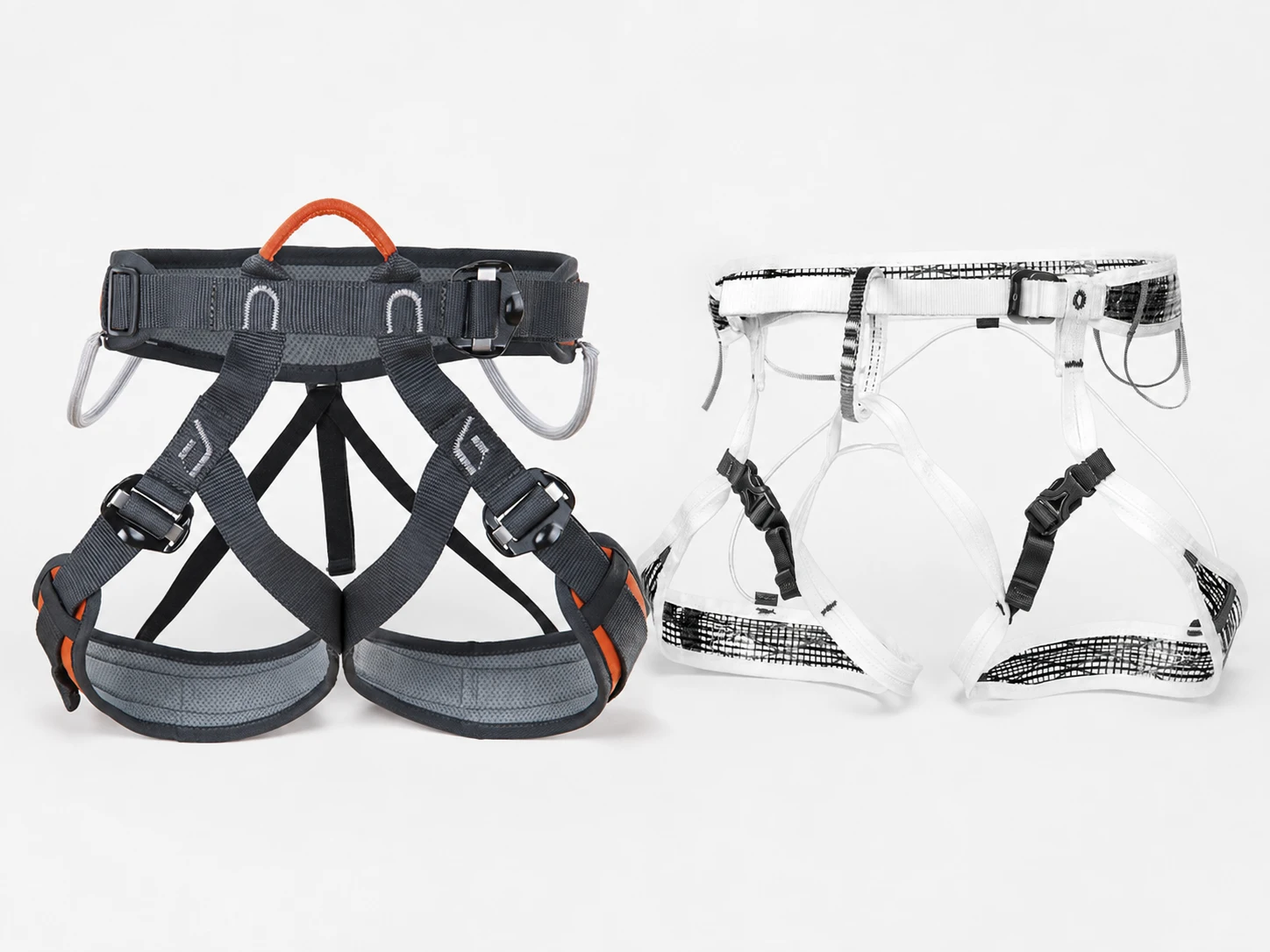
- Climbing harness.
- Helmet.
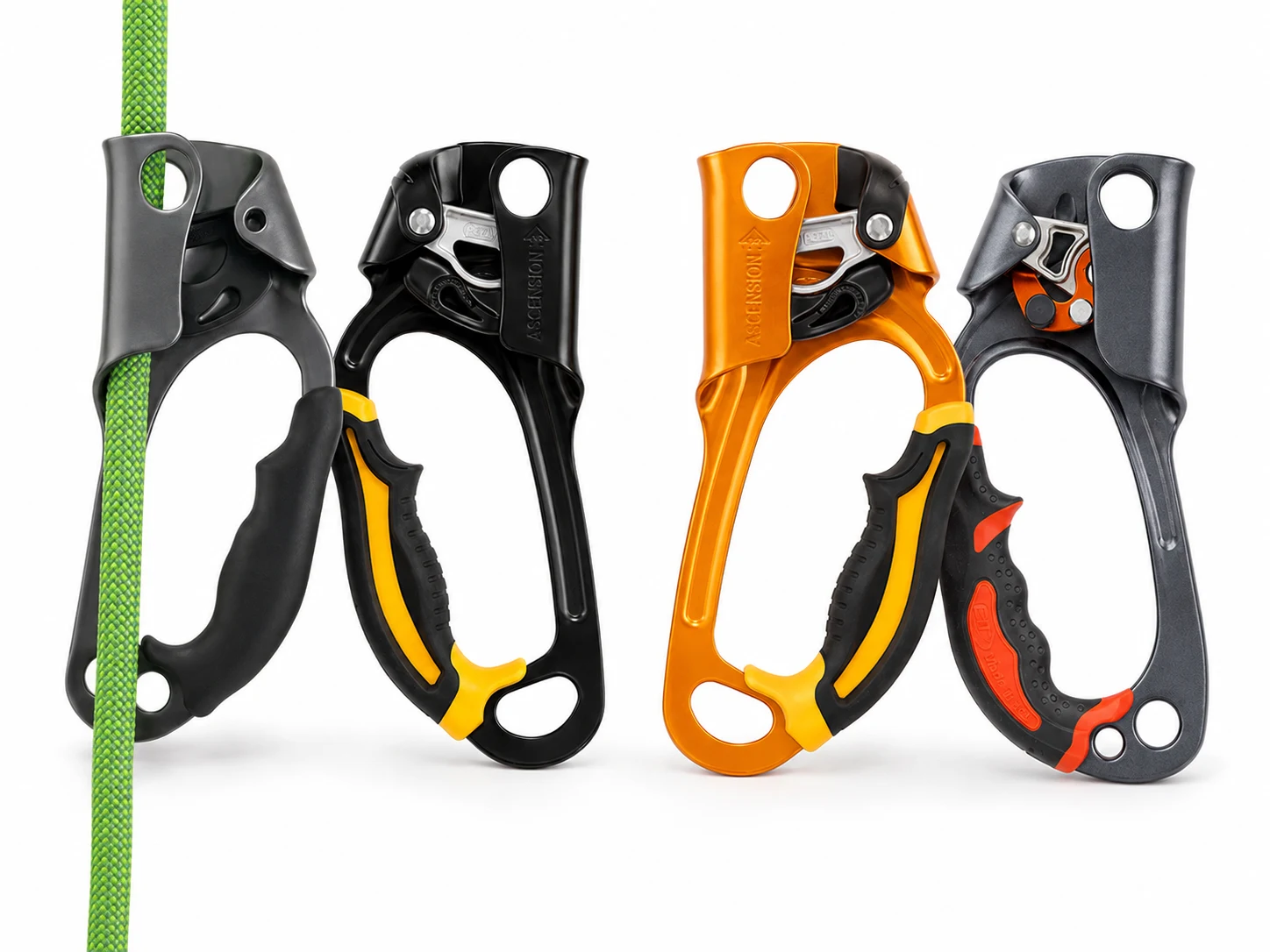
- Ascender and descender devices.
- Carabiners.
- Mountaineering gloves.
- Goggles.
- High-altitude down suit.
- Technical climbing clothing.
Personal Items
- Sunscreen and lip balm.
- Personal medication.
- First-aid supplies.
- Toiletries.
- Camera and accessories.
- Power bank.
- Personal snacks and energy supplements.
The expedition team will provide guidance regarding required equipment before departure.
Safety Measures
Safety is the highest priority during the Mt. Pumori Expedition. Our professional team follows careful planning and responsible climbing practices throughout the journey.
Safety arrangements include:
- Experienced Sherpa climbing guides.
- Detailed pre-climb briefings.
- Regular health monitoring.
- Proper acclimatization schedule.
- Weather and route condition assessment.
- Professional expedition management.
- Emergency communication support.
- First-aid and medical preparation.
The expedition schedule remains flexible because mountain conditions can change quickly. Decisions regarding climbing, summit attempts and descent are always made with safety as the main consideration.
Frequently Asked Questions (FAQ)
1. What level of experience is required for Mt. Pumori Expedition?
Mt. Pumori is a technical 7,000-meter peak. Previous high-altitude trekking and mountaineering experience is required. Climbers should have experience using crampons, ice axes and climbing ropes.
2. What is the best season for climbing Mt. Pumori?
The preferred climbing seasons are spring (April–May) and autumn (September–November) when weather conditions are generally more favorable.
3. How difficult is Mt. Pumori climbing?
Mt. Pumori is considered a challenging technical expedition requiring physical fitness, climbing skills, mental strength and proper acclimatization.
4. Do I need previous Everest Base Camp trekking experience?
Previous Everest Base Camp experience is helpful but not compulsory. However, previous high-altitude trekking experience is strongly recommended.
5. How long does the Mt. Pumori Expedition take?
The complete expedition duration is 34 days, including Kathmandu preparation, approach trekking, climbing period, summit attempt and return journey.
6. What happens if weather conditions prevent the summit attempt?
The itinerary includes additional climbing days to allow flexibility for changing weather conditions. The expedition leader will make the final decision based on safety and mountain conditions.
7. Is emergency evacuation available?
Yes. Emergency evacuation arrangements are available through appropriate rescue services when required. Climbers must have valid insurance covering helicopter rescue.
8. What makes Mt. Pumori Expedition special?
Mt. Pumori offers a unique combination of technical climbing, spectacular Himalayan scenery, Sherpa culture and close views of some of the world’s highest mountains, including Everest.
9. Why choose Himalayan Sherpa Exodus Team?
Himalayan Sherpa Exodus Team Treks & Expeditions Pvt. Ltd. provides experienced Sherpa leadership, professional expedition management, personalized support and deep local knowledge to create a safe and memorable Himalayan climbing experience.


 7145M
7145M Moderate Climb PD+