Barunse Expedition
TRIP – OVERVIEW
Rising to 7,129 metres (23,389 ft) in the remote eastern Himalayas of Nepal, Mount Baruntse is an impressive snow-covered peak surrounded by some of the most dramatic alpine landscapes in the Makalu–Barun region. Framed by the Hunku and Barun glaciers and neighbouring high Himalayan peaks, Baruntse offers a serious expedition experience in a wild and remarkably beautiful mountain environment.
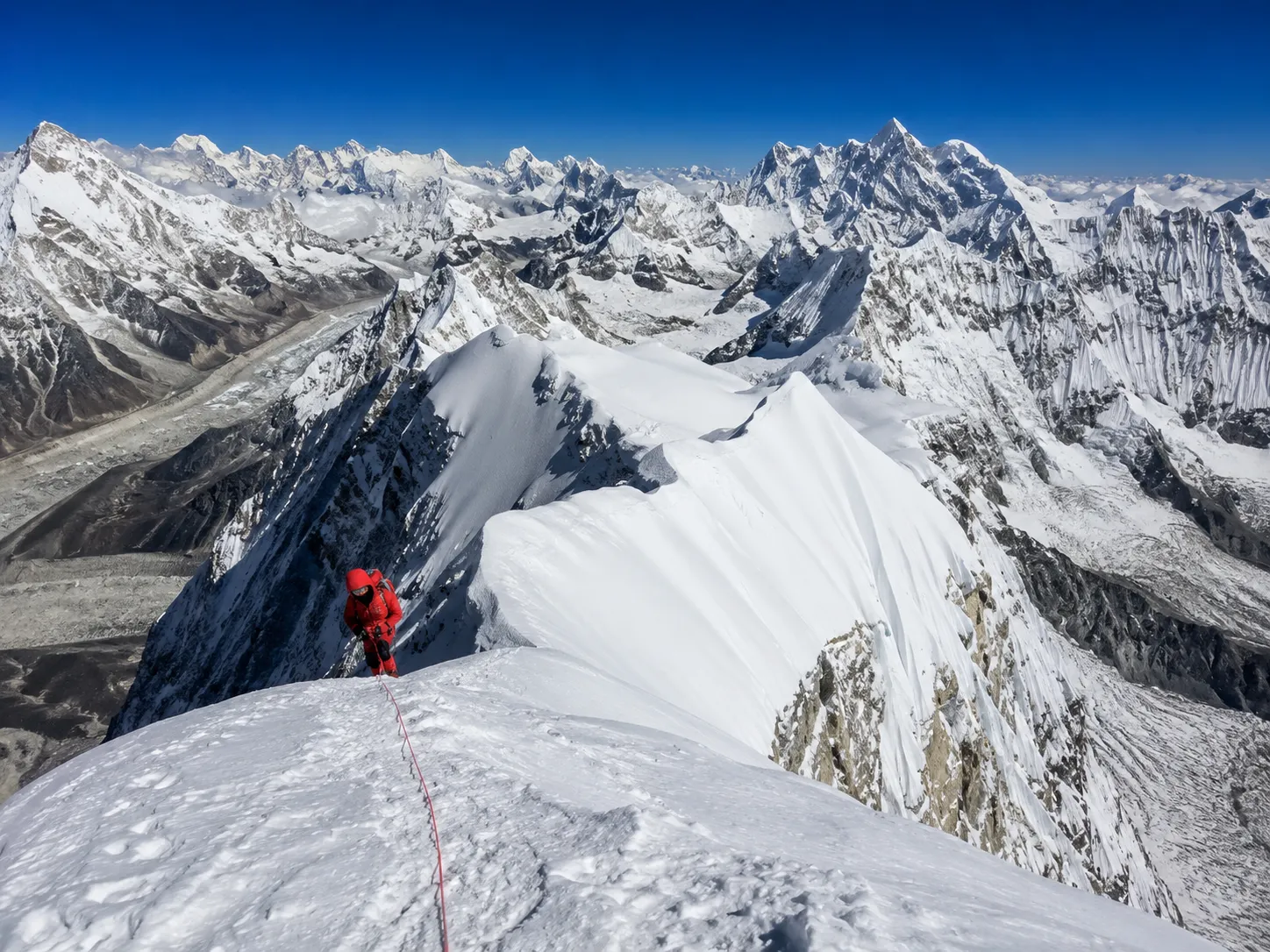
The mountain is recognised for its striking ridgelines, broad glaciated slopes and commanding position among Nepal’s high-altitude giants. Its first recorded ascent was achieved in 1954, and the Southeast Ridge subsequently became the mountain’s established climbing route.
Although Baruntse is often considered a suitable progression for experienced mountaineers preparing for higher 8,000-metre objectives, it remains a demanding Himalayan expedition. Climbers must negotiate steep snow and ice terrain, exposed sections, crevasses, changing glacier conditions and slopes that may reach approximately 50 degrees. Success therefore depends not only on technical ability, but also on proper acclimatization, sound judgement, favourable weather and disciplined teamwork.
The 35 Days Baruntse Expedition with Himalayan Sherpa Exodus Team Treks & Expeditions Pvt. Ltd. has been designed around gradual altitude adaptation and a carefully structured climbing programme. The journey begins in Kathmandu before flying into the Everest region and trekking through remote high-altitude valleys toward Baruntse Base Camp.
Once at Base Camp, the expedition enters its most important phase. Climbers undertake acclimatization and rotation climbs between the lower and higher camps, allowing the body to adapt progressively while the team prepares equipment, establishes the climbing route and evaluates mountain conditions. When weather, fitness and route conditions are favourable, the team begins the summit push toward 7,129 metres.
Our expedition is supported by experienced Himalayan climbing Sherpas and mountain professionals with extensive practical knowledge of high-altitude expeditions. Their role extends beyond route guidance: they assist with expedition organisation, altitude management, camp movement, technical sections and responsible decision-making throughout the climb.
At Himalayan Sherpa Exodus Team Treks & Expeditions Pvt. Ltd., our approach is based on preparation, patience, teamwork and respect for the mountain. We believe that a successful expedition is not measured by the summit alone, but also by how responsibly, safely and professionally the entire journey is managed.
For mountaineers seeking a challenging 7,000-metre Himalayan expedition, Baruntse offers an exceptional combination of technical climbing, remote wilderness, glacier travel and genuine high-altitude adventure.
TRIP HIGHLIGHTS
TRIP HIGHLIGHTS
- Summit Mount Baruntse at 7,129m / 23,389 ft : Take on one of Nepal’s remarkable 7,000-metre Himalayan peaks and experience the achievement of standing above an extraordinary landscape of glaciers, ridges and neighbouring summits.
- A Genuine High-Altitude Himalayan Expedition : Experience the complete expedition process, including gradual acclimatization, glacier travel, rotation climbs, high camps and a carefully planned summit attempt.
- Climb the Classic Southeast Ridge : Follow the established climbing line on Baruntse, involving steep snow and ice sections, fixed-rope climbing and demanding high-altitude terrain.
- Expert Himalayan Sherpa Support : Climb alongside experienced Sherpa guides and expedition professionals familiar with the demands, risks and logistical realities of high Himalayan mountaineering.
- Well-Planned Acclimatization and Rotation Schedule : A dedicated acclimatization programme at Base Camp and Camps I and II helps climbers adapt progressively before committing to the summit push.
- Journey Through Remote Himalayan Landscapes : Trek from Lukla through Chutanga, Tuli Kharka, Kothe, Thangnak, Khare, Khamedingma and Seto Pokhari before entering the isolated Baruntse Base Camp region.
- Cross the High Zatrawa La Pass : Cross Zatrawa La at approximately 4,610m / 15,125 ft, gaining magnificent mountain views while entering increasingly remote Himalayan terrain.
- Experience the Hunku–Barun Wilderness : Travel through an extraordinary region shaped by high valleys, glaciers, frozen landscapes and towering Himalayan peaks far beyond Nepal’s busier trekking routes.
- Dedicated Summit Window : Several days are reserved for the summit push, allowing the expedition leadership to consider weather, route conditions and team readiness when selecting the most appropriate climbing opportunity.
- A Powerful Step Toward Higher Himalayan Objectives : For experienced climbers, Baruntse can provide valuable exposure to expedition-style climbing, high camps and prolonged time above 6,000 metres.
- A Team-Oriented Expedition Philosophy : The expedition emphasises communication, disciplined movement, mutual support and responsible decision-making from the first trekking day to the return to Kathmandu.
- 35 Days of Exploration, Challenge and Achievement : From the excitement of Lukla and remote approach valleys to the demanding summit phase and eventual return to Kathmandu, the expedition delivers a complete Himalayan mountaineering journey.
Day 01 :
Arrival in Kathmandu 1,300m / 4,265 ft
Walking Distance: No trekking
Duration: No walking
Welcome to Nepal! Upon your arrival at Tribhuvan International Airport, our representative from Himalayan Sherpa Exodus Team Treks & Expeditions Pvt. Ltd. will warmly welcome you and transfer you to your hotel in Kathmandu.
Today is dedicated to arrival, rest and preparation after your international journey. Our expedition team will assist with necessary arrangements and ensure that you are comfortable before beginning your Himalayan adventure.
Day 02 :
Expedition Preparation and Kathmandu Exploration 1,400m / 4,593 ft
Walking Distance: Approx. 3–5 km (city exploration)
Duration: 3–5 hours (optional sightseeing)
Today, we conduct an expedition briefing where our climbing team will provide important information about the Baruntse expedition, safety procedures, equipment requirements and the overall climbing plan.
After the briefing, you may explore the cultural heritage sites of Kathmandu Valley, including ancient temples, monasteries and historical landmarks. This day also allows time for final equipment checks and preparation before heading toward the mountains.
Day 03 :
Fly to Lukla and Trek to Chutanga Lukla Elevation: 2,860m / 9,383 ft || Chutanga Elevation: 3,060m / 10,039 ft
Flight Duration: Approx. 35 minutes
Walking Distance: Approx. 4–5 km
Walking Duration: 3–4 hours
After an early morning scenic flight from Kathmandu to Lukla, the gateway to the eastern Himalayas, we begin our trek toward Chutanga.
The trail gradually climbs through beautiful forested landscapes, traditional Sherpa settlements and peaceful mountain surroundings. This short introductory trek allows your body to begin adapting to the increasing altitude while enjoying the natural beauty of the Himalayan foothills.
Overnight stay at Chutanga.
Day 04 :
Chutanga to Tuli Kharka via Zatrawa La Pass || Chutanga Elevation: 3,060m / 10,039 ft || Zatrawa La Pass: 4,610m / 15,125 ft || Tuli Kharka Elevation: 3,900m / 12,795 ft
Walking Distance: Approx. 10–12 km
Walking Duration: 6–8 hours
Today is one of the first challenging trekking days as we cross the high Zatrawa La Pass (4,610m). The trail climbs steadily through alpine terrain, offering spectacular views of surrounding Himalayan peaks.
After reaching the pass, we descend gradually toward Tuli Kharka through rugged mountain landscapes. The changing scenery, from forests to high-altitude terrain, marks the transition into the remote Himalayan wilderness.
Overnight stay at Tuli Kharka.
Day 05 :
Tuli Kharka to Kothe || Tuli Kharka Elevation: 3,900m / 12,795 ft || Kothe Elevation: 4,095m / 13,435 ft
Walking Distance: Approx. 12–14 km
Walking Duration: 6–7 hours
The trail continues through the beautiful Hinku Valley, one of the most remote and less-frequented trekking regions of Nepal.
We descend and ascend through alpine forests, rocky landscapes and traditional mountain trails while enjoying impressive views of surrounding peaks. The route gradually leads deeper into the Makalu–Barun and Hinku Himalayan region.
Overnight stay at Kothe.
Day 06 :
Kothe to Thangnak || Kothe Elevation: 4,095m / 13,435 ft || Thangnak Elevation: 4,350m / 14,271 ft
Walking Distance: Approx. 10–12 km
Walking Duration: 5–6 hours
Today’s trail follows the beautiful Hinku Khola valley toward Thangnak. The landscape becomes increasingly alpine, with fewer trees and more open mountain terrain.
As we gain elevation, magnificent views of surrounding Himalayan peaks begin to appear. This gradual ascent is important for proper acclimatization before reaching higher elevations.
Overnight stay at Thangnak.
Day 07 :
Thangnak to Khare || Thangnak Elevation: 4,350m / 14,271 ft || Khare Elevation: 5,054m / 16,581 ft
Walking Distance: Approx. 8–10 km
Walking Duration: 5–6 hours
We continue our journey toward Khare, an important acclimatization point before entering the higher Himalayan environment.
The trail passes through rocky alpine landscapes with spectacular views of glaciers and high mountain peaks. As we approach Khare, the surroundings become more dramatic, preparing us mentally and physically for the upcoming Baruntse expedition section.
Overnight stay at Khare.
Day 08 :
Acclimatization Day at Khare 5,054m / 16,581 ft
Walking Distance: Approx. 3–5 km (acclimatization hike)
Duration: 3–5 hours
A dedicated acclimatization day is scheduled at Khare to allow your body to adjust to the high altitude.
We may undertake a short exploration hike to higher viewpoints and return to Khare. Our climbing guides will also review mountain safety, climbing techniques, equipment preparation and high-altitude procedures.
This rest and adaptation day plays an important role in improving performance and reducing altitude-related risks during the expedition.
Day 09 :
Khare to Khamedingma || Khare Elevation: 5,054m / 16,581 ft || Khamedingma Elevation: 5,100m / 16,732 ft
Walking Distance: Approx. 10–12 km
Walking Duration: 6–7 hours
Leaving Khare, we continue toward the remote Khamedingma area through rugged Himalayan terrain.
The trail becomes more isolated and adventurous, passing through barren alpine landscapes surrounded by impressive mountain scenery. This section provides a true expedition feeling as we move closer toward the Baruntse region.
Overnight stay at Khamedingma.
Day 10 :
Khamedingma to Seto Pokhari || Khamedingma Elevation: 5,100m / 16,732 ft || Seto Pokhari Elevation: 5,035m / 16,519 ft
Walking Distance: Approx. 8–10 km
Walking Duration: 5–6 hours
Today we trek toward the beautiful high-altitude lake of Seto Pokhari, located in the remote Himalayan wilderness.
The route offers breathtaking views of glaciers, snow-covered peaks and untouched mountain landscapes. The area reflects the true character of an expedition approach route — peaceful, remote and surrounded by some of Nepal’s most spectacular Himalayan scenery.
Overnight stay at Seto Pokhari, preparing for the final approach toward Baruntse Base Camp.
Day 11 :
Seto Pokhari to Baruntse Base Camp || Seto Pokhari Elevation: Approx. 5,035m / 16,519 ft || Baruntse Base Camp Elevation: Approx. 5,300m / 17,388 ft
Walking Distance: Approx. 8–10 km
Walking Duration: 5–6 hours
Today marks an important milestone as we leave Seto Pokhari and approach the Baruntse Base Camp. The trail leads through remote glacial terrain with spectacular views of surrounding Himalayan peaks.
Upon reaching Base Camp, our climbing Sherpa team will organize the camp, check expedition equipment and prepare the necessary arrangements for the upcoming climbing phase. The Base Camp becomes our home for the next stage of acclimatization, training and summit preparation.
Overnight stay at Baruntse Base Camp.
Day 12 - 23 :
Acclimatization, Training and Rotation Climbs
Baruntse Base Camp: Approx. 5,300m / 17,388 ft
Camp I: Approx. 5,700m / 18,700 ft
Camp II: Approx. 6,400m / 20,997 ft
Duration: 12 Days
This period is dedicated to proper acclimatization, technical preparation and rotation climbing before attempting the summit.
Our climbing team follows a gradual progression strategy, allowing members to adapt safely to the increasing altitude. During this phase, climbers will practice essential high-altitude skills, including glacier travel, fixed-rope techniques, climbing equipment usage and safe movement on snow and ice terrain.
The rotation climbs between Base Camp, Camp I and Camp II allow the body to adjust to higher elevations while helping the Sherpa team establish and maintain the climbing route.
Our experienced expedition leaders continuously evaluate weather conditions, route stability and individual climber performance to ensure the safest possible summit opportunity.
Activities during this period include:
- Acclimatization hikes around Base Camp
- Technical climbing practice and equipment checks
- Rotation climbs to Camp I and Camp II
- Rest and recovery periods between climbs
- Final preparation for summit attempt
Overnight stay at Baruntse Base Camp and higher camps during rotation periods.
Day 24 - 28 :
Summit Push – Mount Baruntse (7,129m / 23,389 ft)
Summit Elevation: 7,129m / 23,389 ft
Duration: 5 Days (Flexible according to weather and mountain conditions)
The most exciting and challenging phase of the expedition begins. After completing successful acclimatization and receiving a suitable weather window, the team begins the final summit attempt.
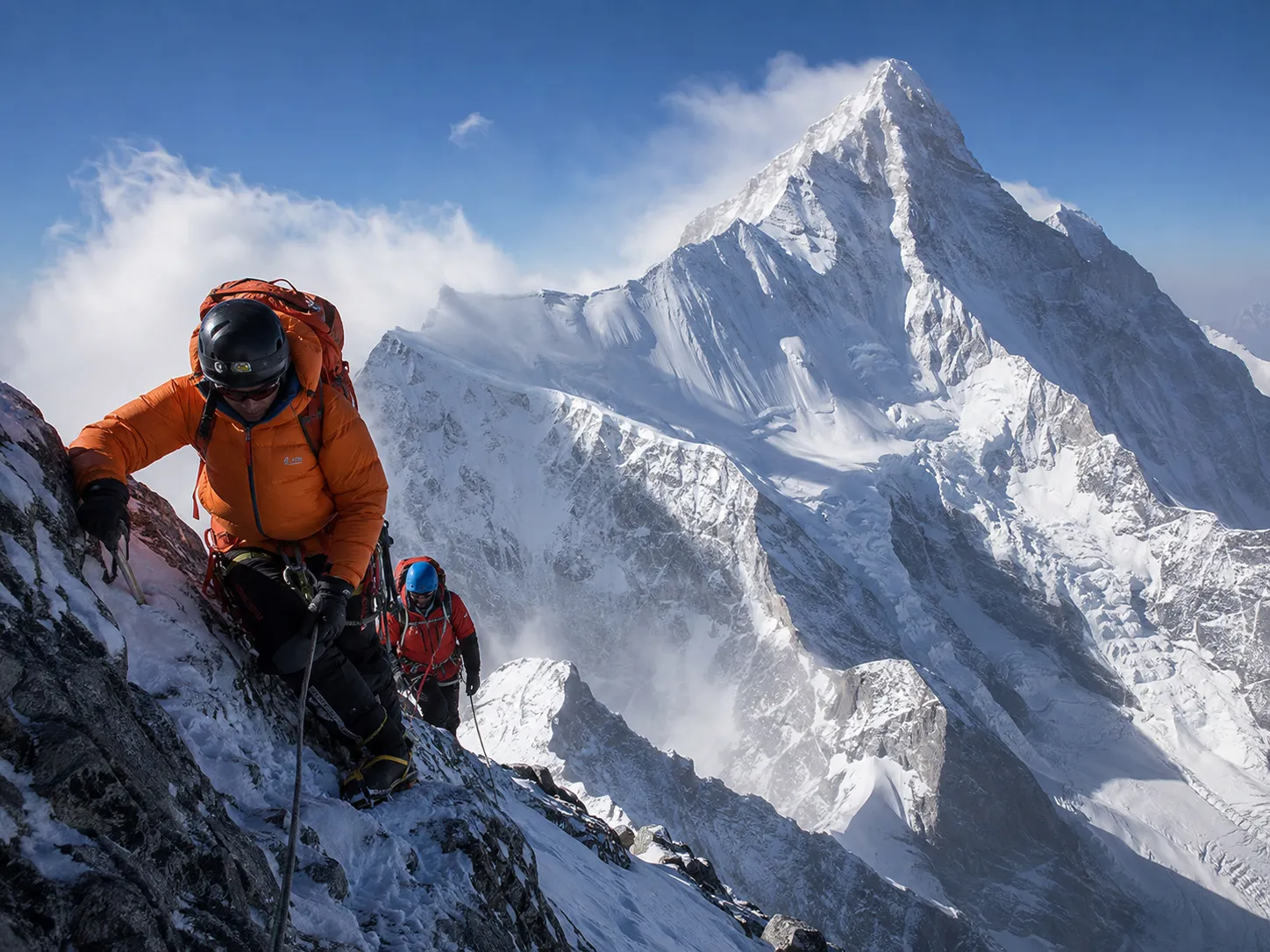
Following the established Southeast Ridge route, climbers move through high camps toward the summit of Baruntse. The climb involves steep snow and ice sections, glacier crossings and technically demanding terrain requiring careful movement and strong teamwork.
Supported by our experienced climbing Sherpas, the team follows a steady pace while maintaining safety as the highest priority. The final summit day offers an unforgettable Himalayan experience, with breathtaking panoramic views of some of Nepal’s highest mountains.
After reaching the summit, the team carefully descends back through the camps toward Base Camp.
Summit success depends on:
- Suitable weather conditions
- Route safety and mountain stability
- Individual physical condition
- Team decision-making and discipline
Overnight stay in high camps and Base Camp according to climbing progress.
Day 29 :
Baruntse Base Camp to Khamedingma
Starting Elevation: Approx. 5,300m / 17,388 ft
Khamedingma Elevation: 5,100m / 16,732 ft
Walking Distance: Approx. 10–12 km
Walking Duration: 6–7 hours
After completing the summit phase, we begin our return journey through the remote Himalayan landscape.
The trail gradually leaves the high glacial environment and heads back toward Khamedingma. The descent provides a welcome change after the demanding summit climb while allowing time to reflect on the incredible expedition experience.
Overnight stay at Khamedingma.
Day 30 :
Khamedingma to Thangnak || Khamedingma || Elevation: 5,100m / 16,732 ft || Thangnak Elevation: 4,350m / 14,271 ft
Walking Distance: Approx. 10–12 km
Walking Duration: 5–6 hours
Continuing our descent, we retrace sections of the Himalayan trail through beautiful alpine landscapes.
The lower altitude brings a gradual return of vegetation and warmer surroundings. The peaceful mountain environment provides an opportunity to relax after the challenging summit period.
Overnight stay at Thangnak.
Day 31 :
Thangnak to Chatrabu || Thangnak Elevation: 4,350m / 14,271 ft || Chatrabu Elevation: 4,200m / 13,779 ft
Walking Distance: Approx. 12–14 km
Walking Duration: 6–7 hours
Today we continue through the scenic Hinku Valley region toward Chatrabu.
The trail passes through beautiful mountain landscapes, forests and traditional Himalayan surroundings. After days spent in extreme high-altitude conditions, this section offers a more relaxed trekking atmosphere while continuing our journey toward Lukla.
Overnight stay at Chatrabu.
Day 32 :
Chatrabu to Lukla || Chatrabu Elevation: 4,200m / 13,779 ft || Lukla Elevation: 2,840m / 9,318 ft
Walking Distance: Approx. 14–16 km
Walking Duration: 7–8 hours
Our final trekking day takes us back to Lukla, completing the remarkable approach and return journey through the eastern Himalayan region.
The trail descends through forests and Sherpa settlements, offering a final opportunity to enjoy the landscapes and communities that made this expedition possible.
In Lukla, the team celebrates the successful completion of the trekking section before returning to Kathmandu.
Overnight stay at Lukla.
Day 33 :
Fly from Lukla to Kathmandu || Lukla Elevation: 2,840m / 9,318 ft || Kathmandu Elevation: 1,400m / 4,593 ft
Flight Duration: Approx. 35 minutes
After breakfast, we take a scenic mountain flight from Lukla back to Kathmandu.
Upon arrival in Kathmandu, you will be transferred to the hotel. The remaining time can be used for rest, shopping, exploring the city or celebrating the completion of the Baruntse expedition with the expedition team.
Overnight stay in Kathmandu.
Day 34 :
Leisure and Contingency Day in Kathmandu || Kathmandu Elevation: 1,400m / 4,593 ft
Walking Distance: Optional sightseeing
A reserved day in Kathmandu allows time for relaxation after the expedition. Guests may explore cultural sites, enjoy local cuisine, purchase souvenirs or simply rest before the international departure.
This additional day also works as a contingency day in case of unexpected flight delays or mountain-related schedule changes.
Overnight stay in Kathmandu.
Day 35 :
Final Departure from Nepal
After completing an unforgettable Himalayan adventure with Himalayan Sherpa Exodus Team Treks & Expeditions Pvt. Ltd., our team will assist you with your airport transfer according to your international flight schedule.
We sincerely appreciate your trust and companionship throughout the journey and hope to welcome you again for future Himalayan adventures.
Baruntse Expedition Trip
The Trip Package Cost Includes
- Airport arrival and departure transfers in Kathmandu as per the expedition schedule
- Hotel accommodation in Kathmandu as mentioned in the itinerary
- Domestic flights between Kathmandu and Lukla (including applicable airport taxes)
- Experienced English-speaking trekking and climbing guides
- Professional climbing Sherpas with high-altitude expedition experience
- Required climbing support staff and expedition crew
- Their wages, insurance, equipment allowance and daily provisions
- Trekking permits, climbing permits and necessary government fees
- Makalu-Barun region trekking permits and conservation fees
- Expedition logistics and management throughout the journey
- Accommodation in mountain lodges during the trekking section
- Fully organized Base Camp setup including tents and kitchen facilities
- Expedition meals during the trekking and climbing period
- High-altitude food and essential supplies during the climbing phase
- Base Camp services including dining, kitchen and communication support
- Fixed rope support and necessary climbing route preparation (as required by mountain conditions)
- Group climbing equipment and shared expedition equipment
- Kitchen staff and support crew during the expedition
- Necessary communication facilities for expedition coordination
- Comprehensive pre-climb briefing and safety guidance
- First aid support and basic medical arrangements
- Staff insurance and required expedition arrangements
The Trip Package Cost Excludes
- International airfare to and from Nepal
- Nepal entry visa fee
- Personal travel insurance (mandatory for high-altitude climbing)
- Personal climbing equipment and clothing
- Extra accommodation and meals in Kathmandu beyond the itinerary
- Personal expenses such as laundry, internet, phone calls and beverages
- Emergency evacuation and helicopter rescue costs
- Medical expenses and personal medication
- Tips and gratitude for guides, Sherpas and support staff
- Any additional expenses caused by weather delays, flight cancellations or unforeseen circumstances
- Extra services not specifically mentioned under cost inclusion
Best Time for Baruntse Expedition
Mount Baruntse can be attempted during different seasons; however, the most favourable periods are generally spring (April–May) and autumn (September–November).
Spring Season (April–May)
Spring is considered the primary climbing season for Baruntse. During this period, climbers benefit from:
- More stable Himalayan weather conditions
- Longer daylight hours
- Better climbing conditions on snow and ice sections
- Higher chances of a successful summit window
Autumn Season (September–November)
Autumn provides another excellent opportunity with:
- Clear mountain views after the monsoon season
- Stable skies and crisp Himalayan scenery
- Fewer climbers compared to some popular peaks
Our expedition schedule is planned carefully to maximize safety, acclimatization and summit opportunities while considering mountain conditions.
Lukla Flight Information
The Baruntse Expedition begins with a scenic mountain flight from Kathmandu to Lukla (2,860m), the gateway to the eastern Himalayan trekking region.
The flight normally takes approximately 35 minutes and provides breathtaking views of Nepal’s hills, valleys and Himalayan ranges.
Important information:
- Lukla flights operate according to weather conditions
- Flight schedules may change due to mountain weather, visibility or air traffic conditions
- Additional buffer time is included in the expedition plan to manage possible delays
- Our team assists with flight arrangements and necessary coordination
The short flight to Lukla marks the beginning of an extraordinary journey through remote Himalayan landscapes toward Baruntse Base Camp.
Trek Difficulty
The 35 Days Baruntse Expedition is classified as a challenging technical Himalayan expedition suitable for experienced trekkers and mountaineers with previous high-altitude experience.
The difficulty comes from:
- Reaching an altitude of 7,129 metres
- Long trekking days in remote mountain terrain
- Glacier travel and changing alpine conditions
- Steep snow and ice sections
- Use of fixed ropes and climbing equipment
- Extreme weather conditions at higher elevations
Although Baruntse is considered one of Nepal’s achievable 7,000-metre peaks, it requires strong physical fitness, mental preparation, technical awareness and a disciplined approach.
Our experienced Sherpa climbing team provides continuous guidance and support throughout the expedition, helping climbers manage challenges safely and confidently.
Acclimatization & Altitude Sickness
Proper acclimatization is one of the most important factors for a successful Baruntse Expedition.
The itinerary has been carefully structured with gradual altitude gain, rest periods and rotation climbs to allow the body to adapt naturally.
During the expedition:
- Climbers spend sufficient time at intermediate elevations
- Acclimatization hikes are included before reaching extreme altitude
- Rotation climbs between Base Camp, Camp I and Camp II help prepare the body for higher camps
- Our guides continuously monitor climbers’ health and altitude response
Altitude-related symptoms can affect anyone, regardless of fitness level. Common symptoms may include headache, tiredness, reduced appetite, difficulty sleeping and shortness of breath.
Our team follows responsible altitude management practices, and any health concerns are carefully evaluated before continuing higher.
Safety, teamwork and proper decision-making always remain our highest priorities.
Himalayan Culture & Ancient Monasteries
The Baruntse Expedition is not only a mountaineering journey but also a cultural experience through the remote Himalayan world.
During the trek, climbers pass through traditional Sherpa communities where ancient mountain lifestyles, hospitality and spiritual traditions remain deeply preserved.
The journey provides opportunities to experience:
- Traditional Sherpa villages and mountain settlements
- Buddhist culture and Himalayan traditions
- Ancient monasteries and prayer sites
- Mani walls, prayer flags and sacred mountain landscapes
- The unique connection between Himalayan people and their mountains
The Sherpa community has played an important role in Himalayan exploration for generations. Their knowledge, resilience and respect for the mountains form an essential part of every successful expedition.
Through this journey, climbers experience not only the challenge of reaching a 7,129-metre summit but also the beauty, culture and spirit of the Himalayas.
Preparation Guide
A successful Baruntse Expedition requires careful preparation, commitment and a proper understanding of high-altitude climbing. Since the expedition reaches above 7,000 metres, climbers should prepare both physically and mentally before joining the journey.
Recommended preparation includes:
- Regular cardiovascular training such as hiking, running, cycling or swimming
- Strength training focusing on legs, core and endurance
- Previous experience with multi-day trekking at high altitude is highly recommended
- Basic knowledge of mountaineering skills such as crampon walking, ice axe techniques and rope systems
- Mental preparation for long days, cold temperatures and challenging mountain conditions
- Medical consultation before undertaking a high-altitude expedition
Our expedition team provides pre-departure guidance regarding equipment, fitness requirements and preparation to help climbers approach the mountain with confidence.
Weather & Climate
The weather conditions on Mount Baruntse can change rapidly due to its high Himalayan environment. Temperatures become increasingly colder as altitude increases, especially near Base Camp and higher camps.
Spring Season (April–May)
- Generally considered the main climbing season
- More stable weather conditions
- Longer daylight hours
- Suitable conditions for climbing and summit attempts
Autumn Season (September–November)
- Clear mountain views after the monsoon
- Stable skies and excellent visibility
- Cold but favourable expedition conditions
At higher elevations, climbers should expect strong winds, freezing temperatures, snowfall and rapidly changing weather. Our expedition leaders carefully monitor mountain conditions and make decisions based on safety and team readiness.
Accommodation
Accommodation during the Baruntse Expedition is arranged according to the changing environments of the journey.
Kathmandu
Comfortable hotel accommodation is provided in Kathmandu before and after the expedition.
Trekking Section
During the approach trek, accommodation is provided in selected mountain lodges and tea houses where available. Facilities are simple but comfortable, offering a warm place to rest after trekking days.
Base Camp and Higher Camps
At Baruntse Base Camp and climbing camps, our team provides organized expedition facilities including:
- Spacious dining and sleeping tents
- Kitchen facilities
- High-altitude camping arrangements
- Necessary expedition support equipment
The focus throughout the expedition is on safety, comfort and proper rest during the demanding Himalayan journey.
Meals During the Trek
Nutritious food plays an important role in maintaining energy during a high-altitude expedition.
During the trekking section, meals are provided through mountain lodges and expedition kitchens, including a combination of:
- Traditional Nepali meals
- Rice, noodles and pasta dishes
- Soups and warm foods
- Vegetables and seasonal items
- Eggs, meat and protein-based meals
- Tea, coffee and hot beverages
During the climbing phase, our expedition kitchen team prepares suitable high-energy meals designed for cold and demanding conditions.
We encourage climbers to inform us about dietary preferences, allergies or special requirements before the expedition begins.
Drinking Water
Safe hydration is essential at high altitude. During the expedition:
- Drinking water is arranged through reliable sources along the route
- Water is treated or boiled before consumption
- Hot water is available at camps whenever possible
- Climbers are encouraged to carry personal hydration bottles or systems
Adequate water intake helps reduce fatigue, supports acclimatization and improves overall performance during the climb.
Internet & Charging Facilities
Communication facilities become limited as we move deeper into remote Himalayan areas.
Kathmandu and Lukla
- Reliable internet and charging facilities are available
Trekking Route
- Some lodges may provide Wi-Fi and charging facilities with additional charges
Base Camp
- Communication arrangements depend on location and expedition facilities
- Satellite communication may be used for important expedition coordination
Due to the remote nature of Baruntse, climbers should be prepared for limited connectivity and carry necessary power banks or charging solutions.
Travel Insurance
Comprehensive travel insurance is mandatory for the Baruntse Expedition.
Your insurance should cover:
- High-altitude mountaineering up to 7,129 metres
- Emergency helicopter evacuation
- Medical treatment
- Accident coverage
- Trip cancellation or interruption
Standard travel insurance policies often do not cover extreme-altitude climbing, so climbers must carefully confirm that their policy specifically includes Himalayan expedition activities.
Packing List
A proper equipment checklist is essential for safety and comfort during the expedition.
Clothing & Personal Gear
- Base layer clothing
- Insulated down jacket
- Waterproof and windproof outer layers
- Trekking trousers and climbing pants
- Warm gloves and inner gloves
- Thermal socks
- Warm hat and sun protection gear
Trekking Equipment
- Quality trekking boots
- Backpack and duffel bag
- Sleeping bag suitable for cold temperatures
- Trekking poles
- Headlamp with spare batteries
- Water bottles or hydration system
Climbing Equipment
- Mountaineering boots
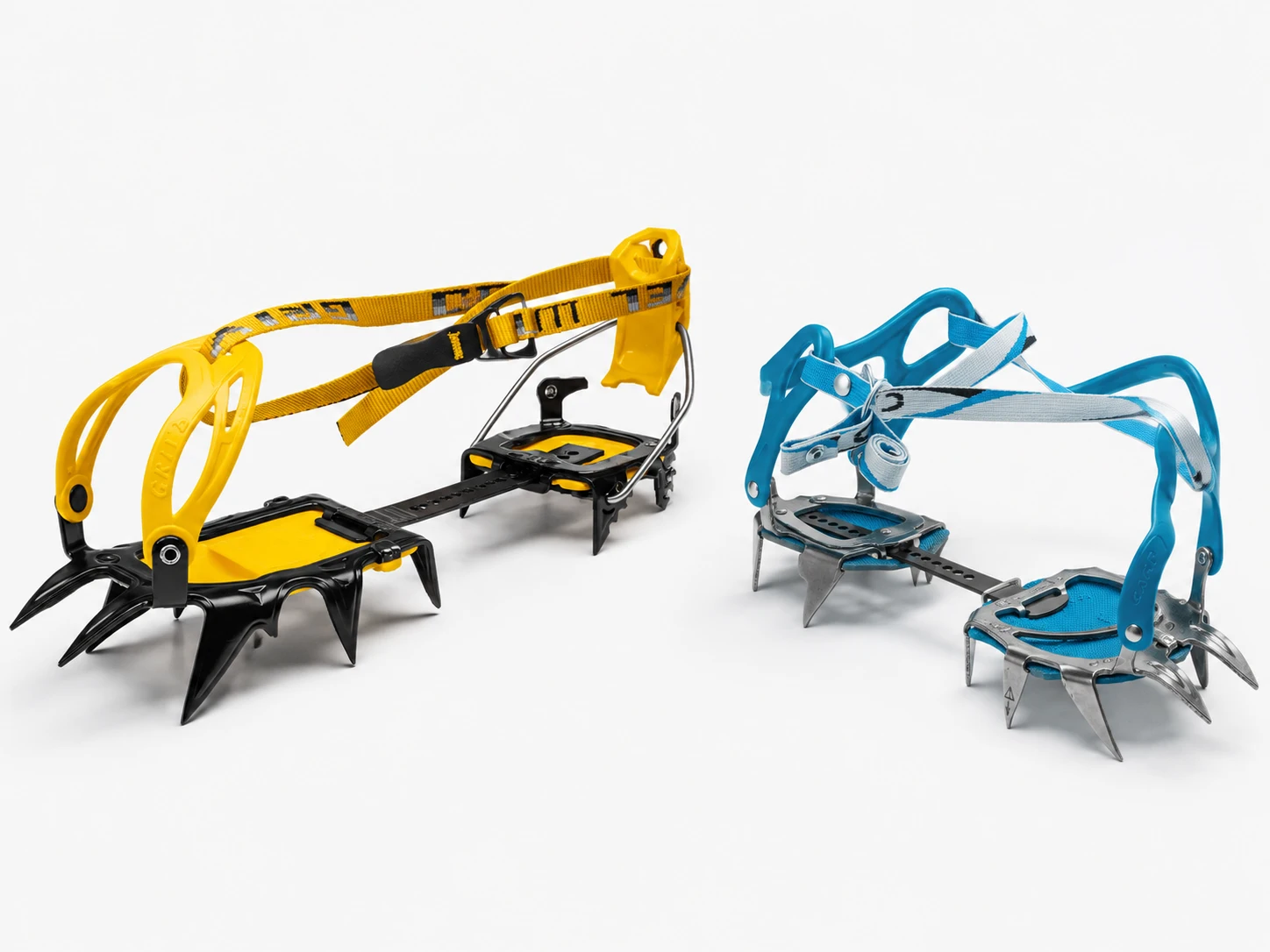
- Crampons
- Ice axe
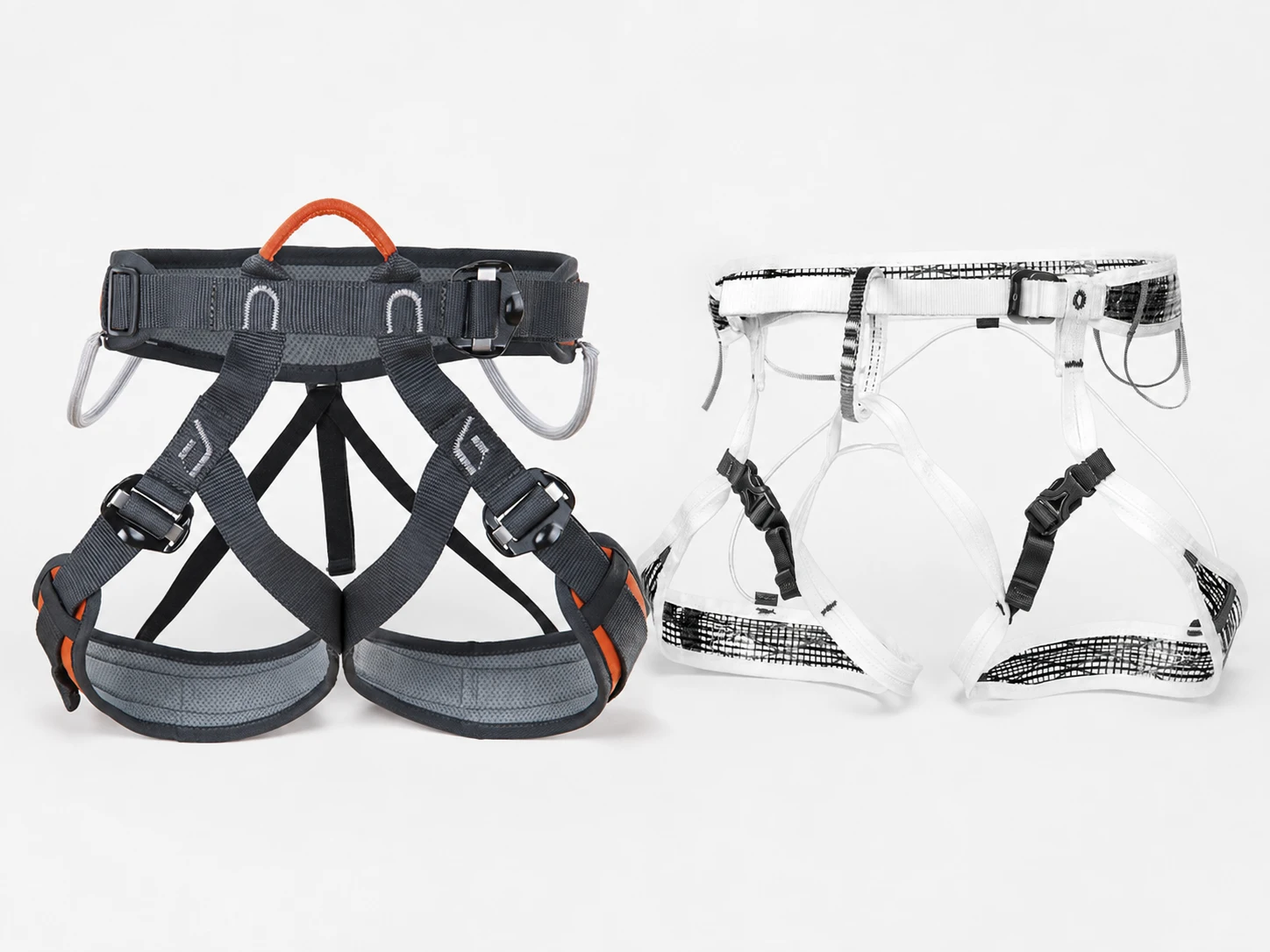
- Climbing harness
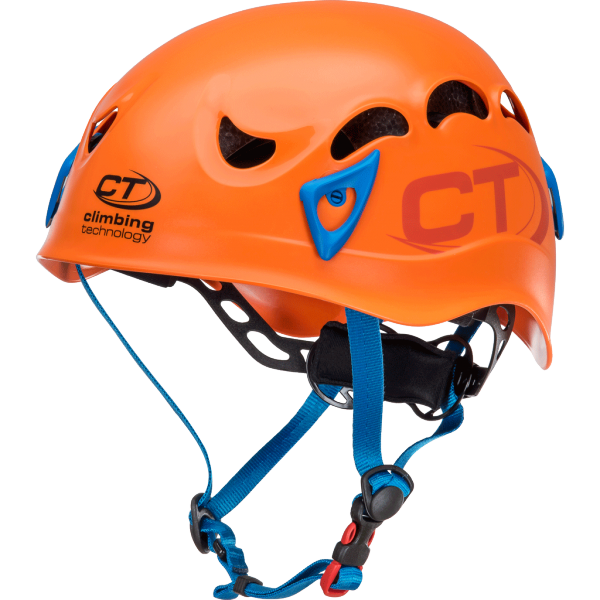
- Helmet
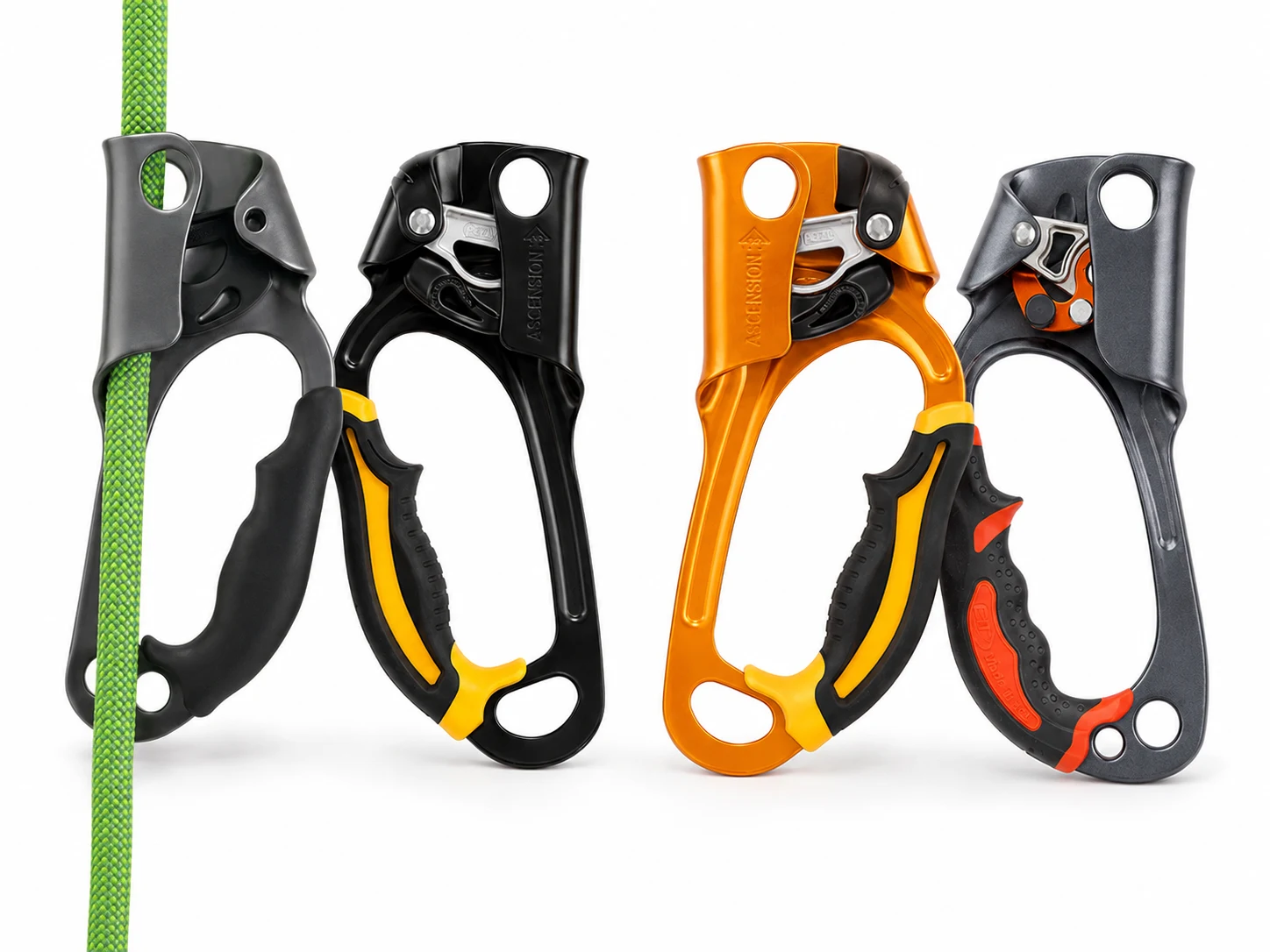
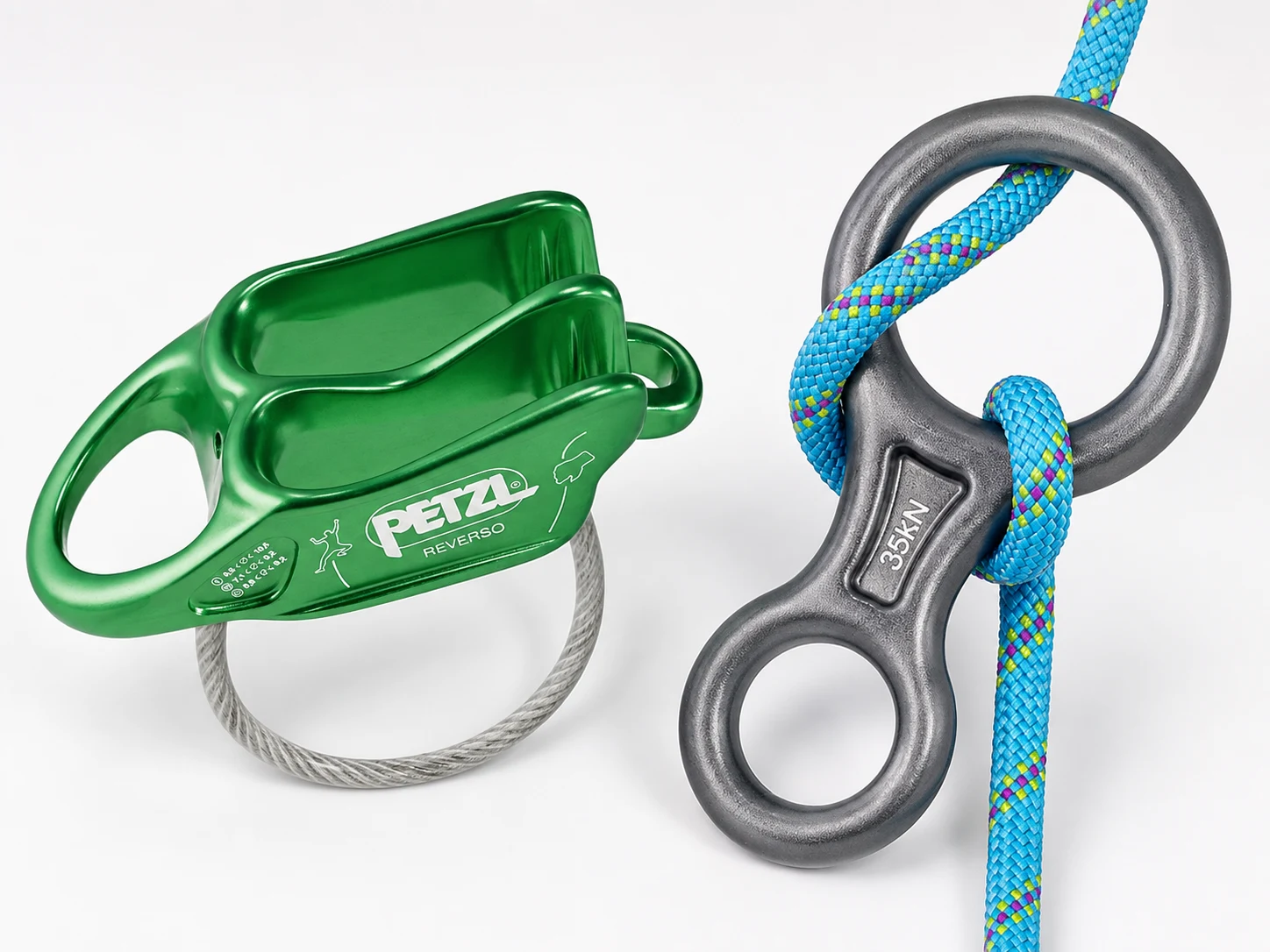
- Ascender and carabiners
- Mountaineering gloves
- Goggles and glacier glasses
Personal Items
- Personal medication
- First aid supplies
- Sunscreen and lip balm
- Toiletries
- Camera and personal electronics
Our team provides detailed equipment recommendations before departure.
Safety Measures
Safety is the highest priority throughout the Baruntse Expedition.
Our safety approach includes:
- Experienced climbing Sherpas and expedition leaders
- Proper acclimatization schedule
- Continuous monitoring of climbers’ health
- Weather and route assessment before climbing decisions
- Fixed rope support where required
- Emergency communication arrangements
- Responsible summit decision-making
Mountain climbing involves natural risks, and conditions can change unexpectedly. Our team follows professional expedition practices to reduce risks and maximize safety.
Frequently Asked Questions (FAQ)
1. What experience is required for the Baruntse Expedition?
Baruntse is a demanding 7,000-metre expedition. Previous high-altitude trekking experience and basic mountaineering skills are strongly recommended.
2. Is Baruntse suitable for first-time climbers?
Baruntse is not considered a beginner-level climb. Climbers should have experience with altitude, snow conditions and expedition-style trekking before attempting this peak.
3. What is the highest altitude reached during the expedition?
The highest point is the summit of Mount Baruntse at 7,129 metres / 23,389 feet.
4. How long does the expedition take?
The complete Baruntse Expedition program is 35 days, including trekking, acclimatization, climbing preparation, summit attempt and return journey.
5. What happens if the summit attempt is cancelled due to weather?
Safety always comes first. If weather or mountain conditions become unsafe, the expedition leader may adjust the climbing schedule or stop the summit attempt.
6. Do I need my own climbing equipment?
Yes, climbers are required to bring personal climbing equipment. Some group equipment and expedition support facilities are provided by our team.
7. How difficult is altitude on Baruntse?
Altitude affects every climber differently. A gradual itinerary, proper acclimatization and careful monitoring help reduce altitude-related risks.
8. Why choose Himalayan Sherpa Exodus Team Treks & Expeditions?
Our team combines local Himalayan knowledge, experienced Sherpa support and professional expedition management to provide a safe, responsible and memorable climbing experience.
We believe every successful summit begins with proper preparation, teamwork and respect for the mountain.
 7129M
7129M Moderate Climb PD+