Essential Trip Information
-
15 Days
-
Everest
-
2+
-
 Moderate
-
Spring (Mar - May) Autumn (Sep- Nov)
-
Nepal
Extend Your Trip
Best Time to Trek
The Everest Base Camp Trek can be enjoyed throughout the year, but the best seasons are Spring (March to May) and Autumn (September to November).
Spring (March – May) : Spring offers stable weather, comfortable temperatures, blooming rhododendron forests, and crystal-clear mountain views. It is one of the most popular seasons for trekking and mountaineering in the Everest region.
Autumn (September – November) : Autumn provides the clearest skies, dry trails, and excellent visibility of the Himalayan peaks. It is considered the ideal season for photography and offers pleasant trekking conditions.
Winter (December – February) : Winter is cold with occasional snowfall at higher elevations, but the trails are quieter and the mountain views are exceptionally clear. It is suitable for well-prepared trekkers seeking a peaceful experience.
Monsoon (June – August) : The monsoon season brings frequent rainfall, cloudy weather, and slippery trails. Flight delays are more common, although the landscape becomes lush and vibrant with fewer trekkers on the route.
Lukla Flight Information
The journey to Everest Base Camp begins with a scenic flight to Lukla Airport (2,860 m), one of the world’s most spectacular mountain airports.
- Flight duration: Approximately 30–35 minutes
- During the peak trekking seasons (March–May and September–November), most flights operate via Ramechhap (Manthali) Airport, followed by a 4–5 hour drive from Kathmandu.
- During the off-season, flights generally operate directly between Kathmandu and Lukla.
- Mountain weather is unpredictable, and flights may occasionally be delayed or cancelled for safety reasons. We recommend keeping one or two extra days in your travel schedule.
Trek Difficulty
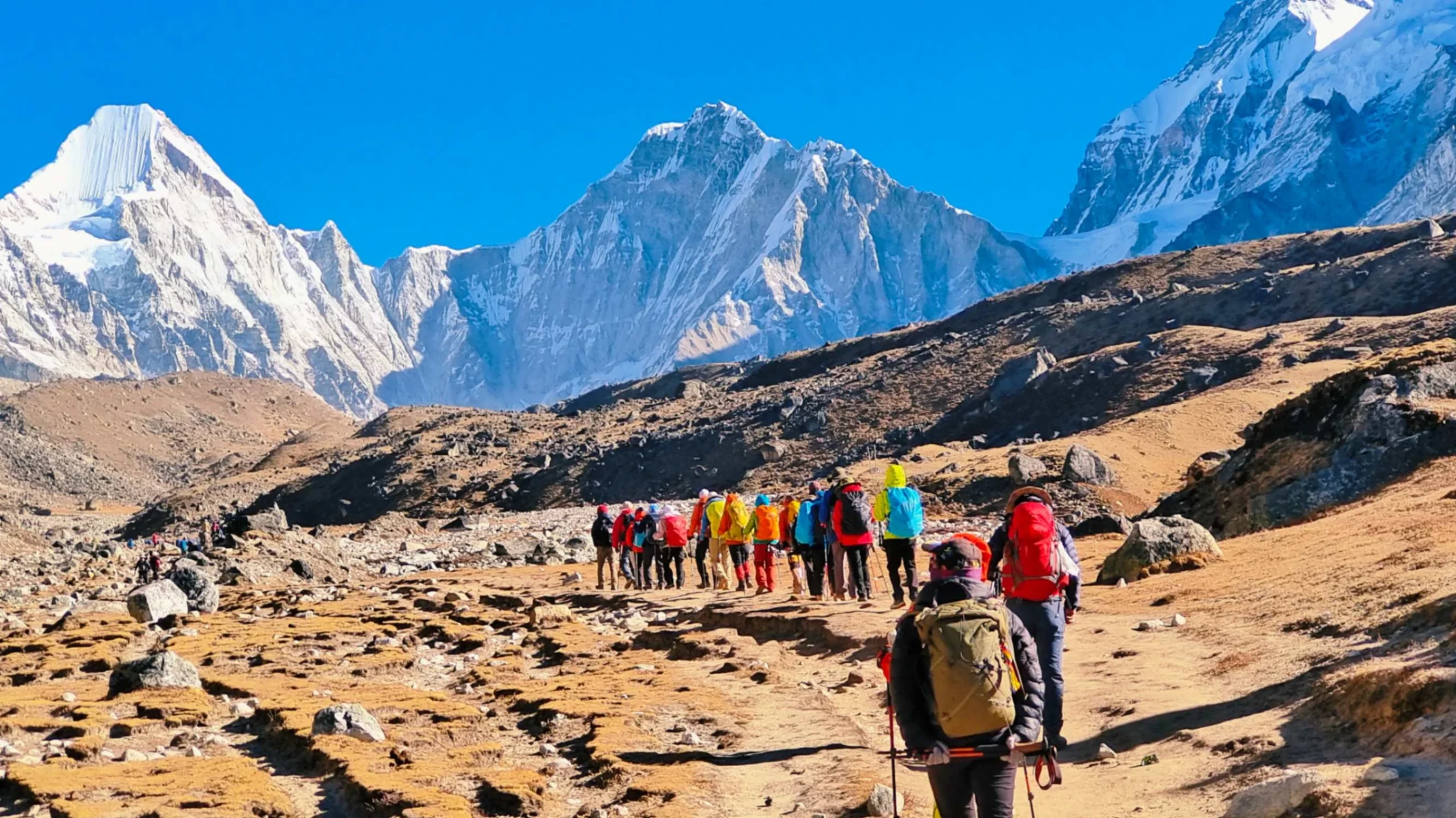
The Everest Base Camp Trek is considered a moderately challenging to challenging high-altitude trek.
- Trek Duration: 15 Days
- Total Walking Distance: Approximately 130 km (Round Trip)
- Daily Walking Time: 5–7 hours
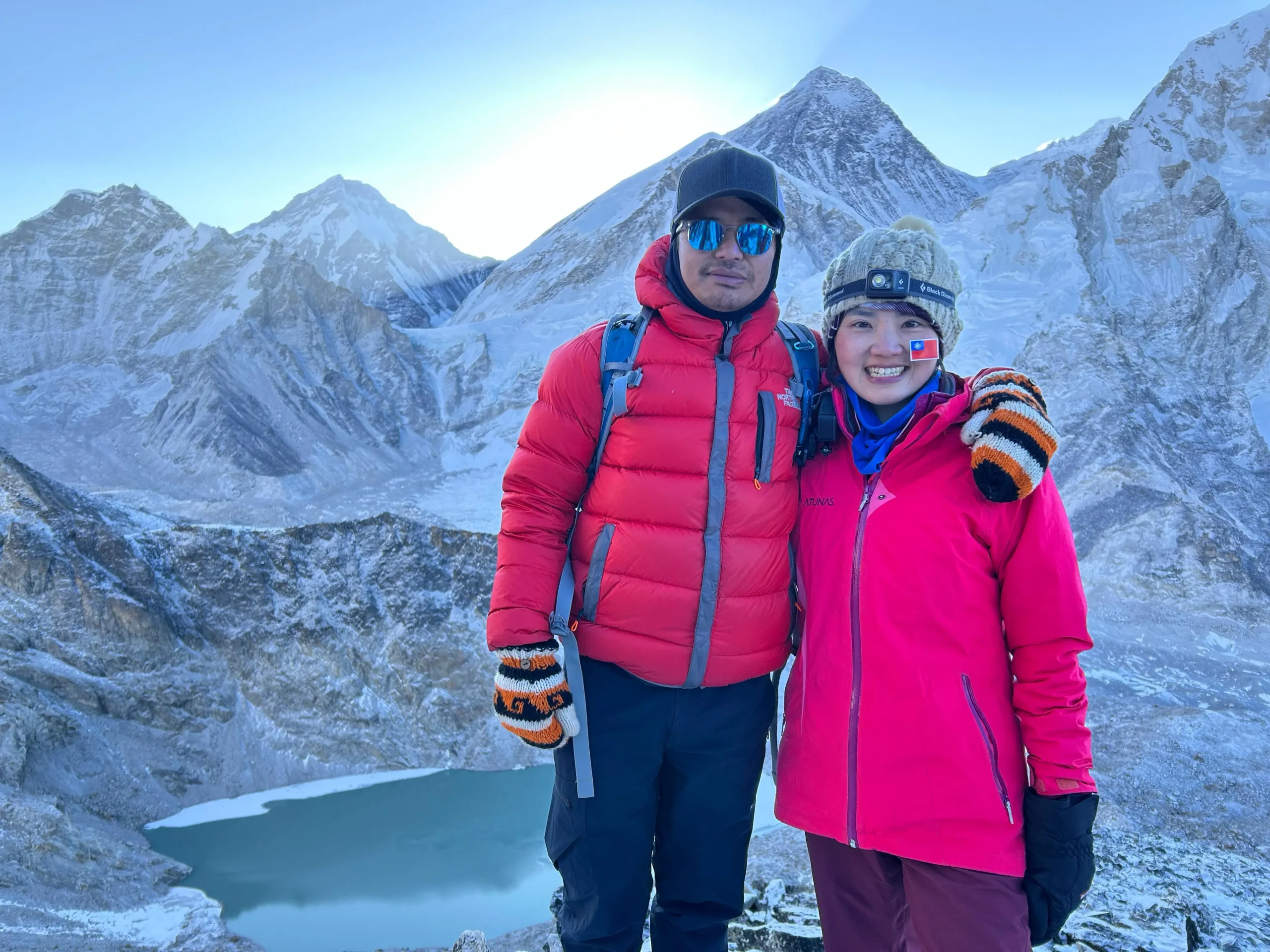
- Highest Elevation: Kala Patthar (5,545 m)
Although no technical climbing is required, good physical fitness, positive determination, and proper acclimatization are essential for a successful trek.
Acclimatization & Altitude Sickness
Proper acclimatization is the key to a safe and enjoyable Everest Base Camp Trek.
Our itinerary includes two acclimatization days in Namche Bazaar (3,440 m) and Dingboche (4,320 m) to help your body gradually adapt to the increasing altitude.
Our experienced guides monitor your health daily using a pulse oximeter and watch carefully for any signs of Acute Mountain Sickness (AMS). If necessary, our guides will adjust the itinerary or arrange emergency evacuation to ensure your safety.
We recommend walking at a comfortable pace, drinking plenty of water, eating nutritious meals, and avoiding alcohol while trekking at high altitude.
Sherpa Culture & Monasteries
The Everest region is home to the legendary Sherpa people, who are internationally respected for their mountaineering skills, warm hospitality, and rich Buddhist heritage.
During the trek, you will visit traditional Sherpa villages such as Namche Bazaar, Khumjung, Pangboche, and Tengboche, where you can experience authentic mountain culture and daily life.
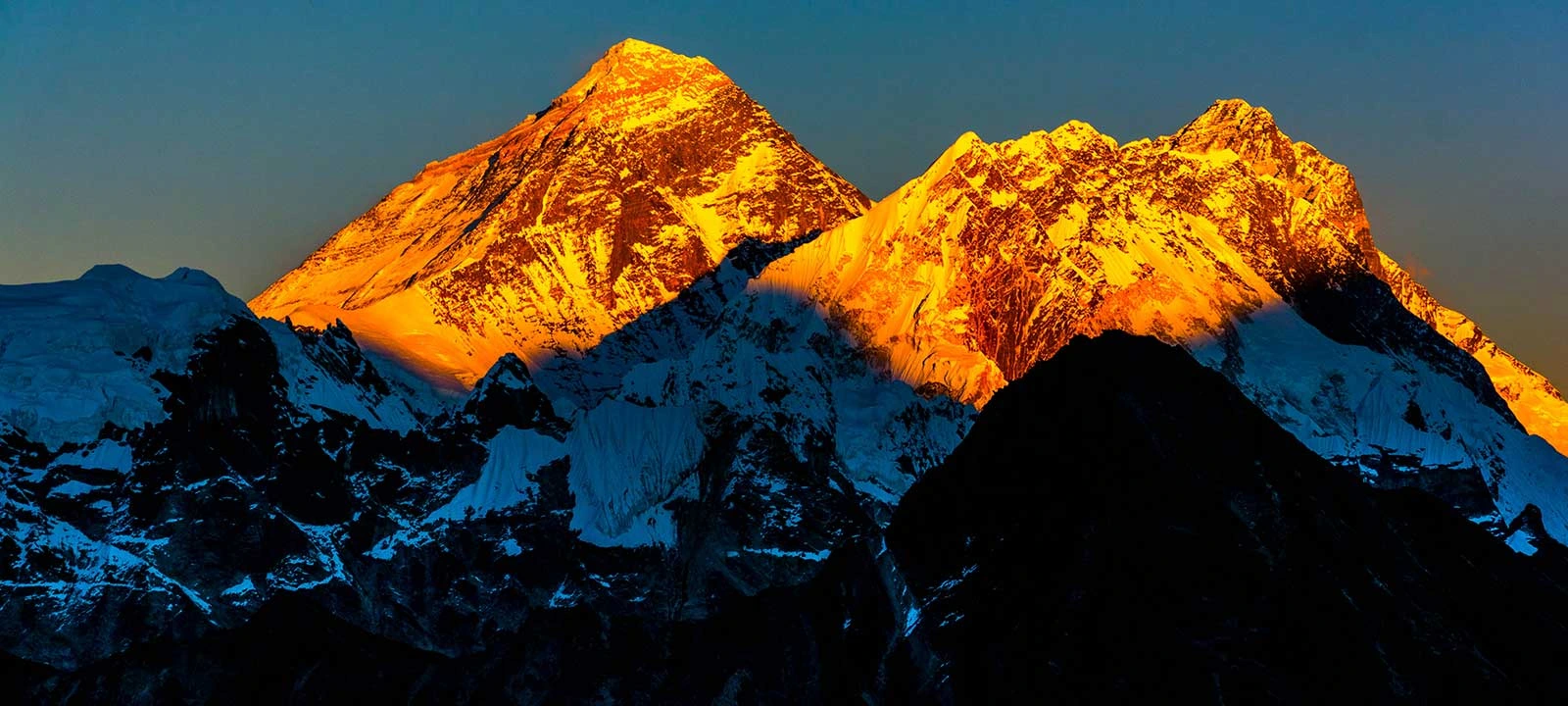
A highlight of the journey is visiting the famous Tengboche Monastery, the largest and most important Buddhist monastery in the Khumbu region, surrounded by spectacular views of Everest, Ama Dablam, and other Himalayan peaks.
Prayer flags, mani walls, chortens, spinning prayer wheels, and centuries-old Buddhist traditions create a unique cultural experience throughout the trek.
Preparation Guide
Preparing well before your trek will make your Everest adventure safer and more enjoyable.
We recommend beginning your preparation 6–8 weeks before departure.
Helpful training includes:
- Regular walking or hiking
- Stair climbing
- Jogging or cycling
- Strength and endurance exercises
- Light backpack training
- Staying well hydrated
- Maintaining a balanced diet
Comfortable trekking boots, warm layered clothing, a quality sleeping bag, and positive determination are essential for a successful journey.
Weather & Climate
Weather in the Everest region changes quickly and varies with altitude.
- Spring: Mild temperatures, blooming forests, and excellent visibility.
- Summer (Monsoon): Warm with regular rainfall and cloudy conditions.
- Autumn: Dry weather, stable temperatures, and crystal-clear mountain views.
- Winter: Cold temperatures with snowfall at higher elevations but spectacular scenery and fewer trekkers.
Temperatures may range from 15–20°C during the day at lower elevations to below -15°C at higher altitudes during the night. Layered clothing and proper trekking gear are recommended throughout the year.
Meals During the Trek
Three freshly prepared meals are provided each day, including breakfast, lunch, and dinner. Tea houses offer a variety of local and international dishes such as Dal Bhat, fried rice, noodles, pasta, soups, potatoes, eggs, pancakes, porridge, Tibetan bread, and seasonal vegetables. Nutritious meals are recommended to help maintain energy at high altitude.
Accommodation
During the Everest Base Camp Trek, you will stay in comfortable traditional mountain tea houses (trekking lodges). Rooms are generally twin-sharing with basic furnishings, while bathrooms may be shared or attached depending on the location. Accommodation becomes simpler as you gain altitude, but every lodge offers a warm and welcoming atmosphere with genuine Sherpa hospitality.
Drinking Water
Safe drinking water is available throughout the trek. You can purchase boiled or filtered drinking water at tea houses or refill your bottle using water purification tablets or a personal water filter. We encourage trekkers to carry a reusable water bottle to help reduce plastic waste in the Himalayas.
Internet & Charging
Most tea houses offer Wi-Fi and battery charging services for an additional fee. Internet speed may vary depending on weather and location, and connections become less reliable at higher elevations. We recommend informing family and friends that communication may be limited during the trek.
Travel Insurance
Comprehensive travel insurance is mandatory for all Everest Base Camp trekkers. Your insurance policy should cover:
- High-altitude trekking (up to 5,545 m)
- Emergency helicopter evacuation
- Medical treatment and hospitalization
- Trip cancellation or interruption
- Personal accidents and baggage loss
Please ensure your insurance policy is valid before arriving in Nepal.
Packing List
We recommend bringing the following essential trekking gear:
- Warm down jacket
- Waterproof jacket and trousers
- Thermal base layers
- Fleece jacket
- Trekking trousers and shirts
- Warm hat, sun hat, and gloves
- Comfortable trekking boots
- Warm socks
- Sleeping bag
- Trekking poles
- Sunglasses and sunscreen
- Headlamp with spare batteries
- Personal toiletries and medications
- Reusable water bottle
- Passport and travel documents
A detailed packing list will be provided after your booking is confirmed.
Safety Measures
Your safety is our highest priority at Himalayan Sherpa Exodus Team Treks & Expeditions Pvt. Ltd.
We ensure:
- Experienced government-licensed trekking guides.
- Proper acclimatization with scheduled rest days.
- Daily health monitoring using a pulse oximeter.
- Comprehensive first aid kit carried throughout the trek.
- Emergency communication equipment.
- Immediate response and helicopter evacuation arrangements if required.
- High safety standards for guides and porters with full insurance coverage.
Our experienced team is trained to recognize and manage altitude-related health concerns, ensuring you enjoy a safe and memorable Himalayan adventure.
Frequently Asked Questions (FAQ)
How difficult is the Everest Base Camp Trek?
The trek is moderately challenging and suitable for anyone with good physical fitness and proper preparation.
Do I need previous trekking experience?
Previous trekking experience is helpful but not essential. Beginners with good fitness can successfully complete the trek.
What is the highest point of the trek?
The highest point is Kala Patthar (5,545 m), offering the best panoramic views of Mount Everest.
Is altitude sickness common?
Altitude sickness can affect anyone. Our itinerary includes proper acclimatization days, and our guides closely monitor your health throughout the trek.
Are hot showers and Wi-Fi available?
Yes. Most tea houses provide hot showers, Wi-Fi, and battery charging for an additional charge.
Can vegetarians or special diets be accommodated?
Yes. Most tea houses offer vegetarian meals, and special dietary requirements can usually be arranged with advance notice.
Is travel insurance required?
Yes. Comprehensive travel insurance covering high-altitude trekking and emergency helicopter evacuation is mandatory.
What is the best season for the Everest Base Camp Trek?
The best trekking seasons are Spring (March–May) and Autumn (September–November) for stable weather and excellent mountain views.
How much luggage can I bring?
Domestic Lukla flights generally allow 10 kg of checked baggage and 5 kg of hand luggage. Extra baggage may incur additional charges.
Why choose Himalayan Sherpa Exodus Team Treks & Expeditions Pvt. Ltd.?
We offer experienced local guides, personalized service, transparent pricing, responsible tourism, and a strong commitment to safety—ensuring an authentic and unforgettable Everest Base Camp experience.
Be Well Prepared for Your Trek in Nepal
Proper preparation is the key to a safe, comfortable, and enjoyable trekking experience in Nepal. Please use this equipment guide to prepare the essential clothing, footwear, personal items, health and safety gear, and other trekking necessities according to your chosen route and season.
Pack wisely, travel comfortably, and trek confidently with Himalayan Sherpa Exodus Team.