Tilicho Peak Expedition
TILICHO PEAK EXPEDITION TRIP OVERVIEW
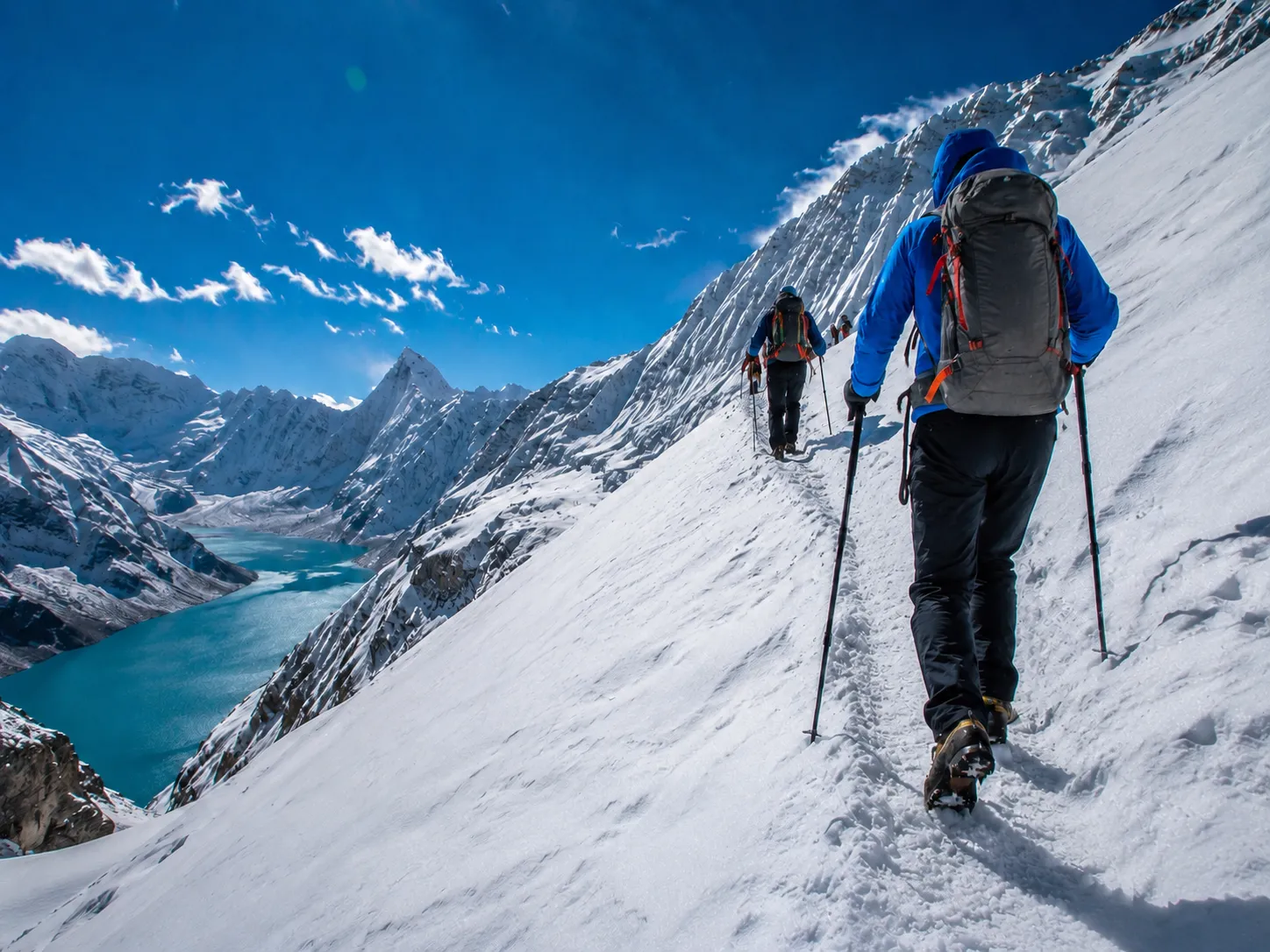
The 30 Days Tilicho Peak Expedition (7,134m) is a demanding and rewarding Himalayan climbing journey designed for experienced mountaineers seeking a serious high-altitude adventure in Nepal’s magnificent Annapurna region. Rising above the spectacular landscapes surrounding Tilicho Lake and the Manang Valley, Tilicho Peak offers a remarkable combination of remote trekking, gradual acclimatization, technical mountaineering, and the unforgettable experience of standing among some of the highest mountains on Earth.
Organized by Himalayan Sherpa Exodus Team Treks & Expeditions Pvt. Ltd., this expedition begins in Kathmandu with a detailed trip briefing, equipment inspection, and final preparations. The journey then continues by road to Dharapani, from where the trekking route gradually ascends through Chame, Pisang, and Manang. These beautiful Himalayan settlements introduce climbers to the dramatic landscapes, traditional mountain culture, deep river valleys, forests, and increasingly impressive views of the Annapurna and surrounding ranges.
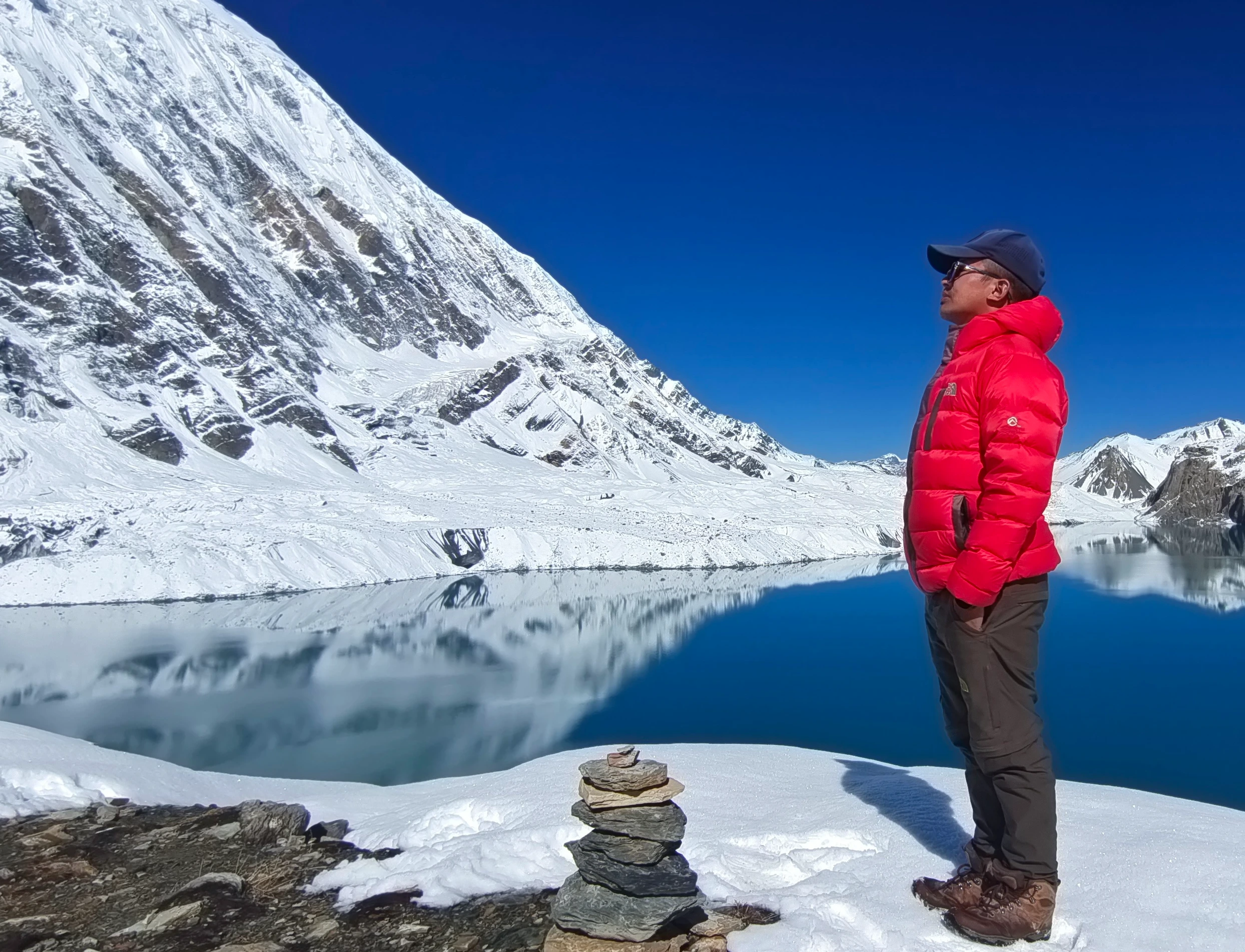
A carefully planned acclimatization day in Manang allows the team to adapt to the increasing altitude before continuing towards Shree Kharka and Tilicho Lower Base Camp. The expedition also includes a memorable hike to Tilicho Lake at approximately 4,970 metres, one of the most striking high-altitude lake environments in the Himalayas. From this exceptional setting, the team approaches Tilicho Base Camp and prepares for the main climbing phase.
The itinerary provides an extended climbing period for Tilicho Peak, allowing the expedition team to organize camps, monitor mountain and weather conditions, complete necessary acclimatization rotations, and select an appropriate summit opportunity. Reaching the 7,134-metre summit of Tilicho Peak is the defining objective of the expedition and demands physical endurance, sound mountaineering skills, patience, teamwork, and respect for the high Himalayan environment.
Following the climbing period, the return journey offers another memorable dimension to the expedition as the route crosses the high Mesokanto Pass at approximately 5,315 metres before descending towards Namu Kharka and eventually Jomsom. A scenic flight brings the team from Jomsom to Pokhara for a well-earned period of relaxation before returning to Kathmandu.
The expedition concludes with a free day in Kathmandu and a special celebration dinner, providing an opportunity for the climbing team to reflect upon the challenges, achievements, friendships, and unforgettable moments experienced during thirty remarkable days in the Himalayas.
With professional organization, experienced mountain support, thoughtful acclimatization, and a strong commitment to responsible expedition management, Himalayan Sherpa Exodus Team Treks & Expeditions Pvt. Ltd. aims to make the Tilicho Peak Expedition not simply a summit attempt, but a complete Himalayan mountaineering experience filled with adventure, discovery, teamwork, and lasting memories.
TILICHO PEAK EXPEDITION TRIP HIGHLIGHTS
TILICHO PEAK EXPEDITION TRIP HIGHLIGHTS
- Attempt the impressive 7,134-metre summit of Tilicho Peak, one of the outstanding high-altitude climbing objectives of Nepal’s Annapurna region.
- Experience a complete 30-day Himalayan expedition combining classic trekking, acclimatization, high-altitude camping, mountaineering, and cultural exploration.
- Trek through the beautiful settlements of Dharapani, Chame, Pisang, and Manang, following a spectacular route into the heart of the high Himalayas.
- Enjoy valuable acclimatization time in Manang at 3,540 metres, helping climbers prepare progressively for the greater elevations ahead.
- Journey through remote alpine landscapes towards Shree Kharka and Tilicho Base Camp, where the scenery becomes increasingly wild and dramatic.
- Visit magnificent Tilicho Lake at approximately 4,970 metres, surrounded by towering Himalayan terrain and an extraordinary high-altitude atmosphere.
- Benefit from a dedicated climbing period for Tilicho Peak, providing appropriate time for acclimatization rotations, camp preparation, weather assessment, and summit planning.
- Experience genuine expedition life with teamwork, high-altitude camps, challenging terrain, and the guidance and support of an experienced Himalayan expedition team.
- Cross the spectacular Mesokanto Pass at approximately 5,315 metres during the return journey, adding another adventurous high-altitude experience to the expedition.
- Descend through the remote landscapes of Namu Kharka towards Jomsom, experiencing a striking transition from high alpine terrain to the landscapes of the Kali Gandaki region.
- Enjoy a scenic mountain flight from Jomsom to Pokhara, followed by valuable time to rest and relax after the expedition.
- Return to Kathmandu for a free day and a memorable expedition celebration dinner with the team.
- Discover a journey that offers far more than reaching a summit—an opportunity to experience Himalayan culture, personal challenge, companionship, resilience, and the true spirit of high-altitude mountaineering.
- Climb with Himalayan Sherpa Exodus Team Treks & Expeditions where careful preparation, responsible expedition management, experienced mountain support, and respect for the Himalayas remain central to the journey.
Day 01 :
Arrival in Kathmandu 1,300m / 4,265 ft
Walking Distance: No trekking
Duration: No walking
Welcome to Nepal! Upon your arrival at Tribhuvan International Airport, our representative from Himalayan Sherpa Exodus Team Treks & Expeditions Pvt. Ltd. will warmly welcome you and transfer you to your hotel in Kathmandu.
Today is dedicated to arrival, rest and preparation after your international journey. Our expedition team will assist with necessary arrangements and ensure that you are comfortable before beginning your Himalayan adventure.
Accommodation: Hotel in Kathmandu
Meals: Breakfast included
Day 02 :
Expedition Preparation, Equipment Checking & Trip Briefing (1,300m/4,265ft)
Today is dedicated to final preparation before entering the Himalayas. Our experienced expedition leaders will carefully check climbing equipment, discuss safety procedures, explain the trekking and climbing schedule, and provide important information regarding altitude management, weather conditions, and expedition protocols. This day allows climbers and team members to become familiar with each other and ensure everything is properly prepared for the journey ahead.
Accommodation: Hotel in Kathmandu
Meals: Breakfast included
Day 03 :
Drive from Kathmandu to Dharapani (1,946m/6,383ft)
Driving Duration: Approximately 9–10 hours
Distance: Approximately 215 km
After breakfast, we begin our journey towards the Annapurna region with a scenic drive from Kathmandu to Dharapani. The route follows beautiful countryside landscapes, winding mountain roads, rivers, terraced farmland, and traditional villages. As we approach Dharapani, the views gradually become more Himalayan, marking the beginning of our trekking adventure.
Dharapani is a beautiful mountain settlement located along the famous Annapurna trekking route and serves as the gateway to the higher Manang region.
Accommodation: Lodge/Tea House
Meals: Breakfast, Lunch, Dinner
Day 04 :
Trek from Dharapani to Chame (2,670m/8,758ft)
Walking Duration: Approximately 5–6 hours
Distance: Approximately 14 km
Our first trekking day begins through beautiful pine and fir forests while following the Marsyangdi River valley. The trail passes through charming mountain villages and offers wonderful views of Annapurna II, Lamjung Himal, and surrounding peaks.
Gradually ascending through the Himalayan landscape, we reach Chame, the administrative center of the Manang District. Chame offers spectacular mountain scenery and a peaceful atmosphere surrounded by snow-covered peaks.
Accommodation: Lodge/Tea House
Meals: Breakfast, Lunch, Dinner
Day 05 :
Trek from Chame to Pisang (3,200m/10,497ft)
Walking Duration: Approximately 5–6 hours
Distance: Approximately 13 km
Leaving Chame, we continue our trek through dense forests, narrow valleys, and impressive rocky landscapes. The trail follows the Marsyangdi River and gradually opens into wider Himalayan terrain.
Along the way, we experience dramatic changes in vegetation and scenery as we approach the dry alpine region of Upper Manang. Upon reaching Pisang, magnificent views of Annapurna II, Annapurna III, Gangapurna, and Pisang Peak welcome us.
Accommodation: Lodge/Tea House
Meals: Breakfast, Lunch, Dinner
Day 06 :
Trek from Pisang to Manang (3,540m/11,614ft)
Walking Duration: Approximately 6–7 hours
Distance: Approximately 16 km
Today’s trek takes us deeper into the Manang Valley. We follow the scenic upper trail through beautiful landscapes, ancient settlements, and breathtaking mountain viewpoints.
The route provides unforgettable views of Annapurna mountain ranges, Gangapurna Glacier, and the surrounding Himalayan peaks. We arrive at Manang, a culturally rich village and the main acclimatization point for trekkers and climbers heading toward higher elevations.
Accommodation: Lodge/Tea House
Meals: Breakfast, Lunch, Dinner
Day 07 :
Acclimatization Day in Manang (3,540m/11,614ft)
Walking Duration: Approximately 2–3 hours (Exploration Hike)
A dedicated acclimatization day is planned in Manang to help the body adjust to the increasing altitude. We take a short exploration hike to nearby viewpoints while maintaining a comfortable pace.
The day may include visits to local monasteries, traditional villages, and scenic viewpoints overlooking the Annapurna range and Gangapurna Glacier. Proper hydration, rest, and altitude awareness are emphasized before continuing higher.
Accommodation: Lodge/Tea House
Meals: Breakfast, Lunch, Dinner
Day 08 :
Trek from Manang to Shree Kharka (4,070m/13,350ft)
Walking Duration: Approximately 5 hours
Distance: Approximately 8–9 km
Leaving Manang behind, we continue towards the remote and beautiful landscapes leading to Tilicho Peak. The trail gradually climbs through alpine terrain with stunning views of mountains, valleys, and surrounding cliffs.
The route becomes quieter and more adventurous as we move away from the main trekking path. Shree Kharka provides a peaceful high-altitude resting point before approaching Tilicho Base Camp.
Accommodation: Lodge/Tea House
Meals: Breakfast, Lunch, Dinner
Day 09 :
Trek from Shree Kharka to Tilicho Lower Base Camp (4,150m/13,610ft)
Walking Duration: Approximately 4 hours
Distance: Approximately 7 km
Today we trek towards Tilicho Lower Base Camp through rugged Himalayan terrain. The trail offers spectacular views of the surrounding peaks, steep mountain slopes, and remote alpine landscapes.
As we approach the base camp area, the environment becomes more dramatic and closer to the high mountain wilderness. This is an important stage of the expedition as the team prepares for the next phase toward Tilicho Lake and the climbing route of Tilicho Peak.
Accommodation: Camping/Lodge at Base Camp Area
Meals: Breakfast, Lunch, Dinner
Day 10 :
Hike from Tilicho Lower Base Camp to Tilicho Lake (4,970m/16,300ft)
Walking Duration: Approximately 4 hours
Distance: Approximately 5–6 km
Today we take an exciting high-altitude hike to the magnificent Tilicho Lake, one of the highest lakes in the world. The trail gradually ascends through a remote and spectacular Himalayan landscape surrounded by rocky cliffs, glaciers, and impressive mountain views.
Upon reaching Tilicho Lake at approximately 4,970 metres, climbers are rewarded with an unforgettable scene of turquoise waters surrounded by the dramatic peaks of the Annapurna region. This visit also helps the team continue gradual acclimatization before entering the climbing phase of the expedition.
After spending valuable time at the lake, we return to the base camp area and prepare for the upcoming mountaineering activities.
Accommodation: Camping/Lodge at Base Camp Area
Meals: Breakfast, Lunch, Dinner
Day 11 :
Trek to Tilicho Base Camp (4,970m/16,300ft)
Walking Duration: Approximately 5 hours
Distance: Approximately 7–8 km
Today the expedition team moves towards Tilicho Base Camp, the starting point for the Tilicho Peak climbing preparation. The trail follows challenging alpine terrain requiring careful movement and proper pacing due to the increasing altitude.
At base camp, our climbing team begins organizing the expedition setup, checking equipment, preparing climbing strategies, and reviewing safety procedures. The surrounding Himalayan environment provides an incredible atmosphere as we stand beneath the impressive Tilicho Peak.
Accommodation: Expedition Base Camp (Camping)
Meals: Breakfast, Lunch, Dinner
Day 12 - 24 :
Tilicho Peak Climbing Period (7,134m/23,406ft)
The following days are dedicated entirely to the Tilicho Peak climbing phase. This flexible climbing period allows the expedition team to adjust according to weather conditions, mountain conditions, and the physical adaptation of each climber.
During this period, the team will conduct necessary acclimatization rotations, establish and manage higher camps, practice climbing techniques, and prepare carefully for the summit attempt. Depending on conditions, climbers will move through the required sections of the route using appropriate mountaineering equipment and safety procedures.
The experienced expedition leaders and Sherpa climbing team will provide guidance throughout the ascent while maintaining a strong focus on safety, teamwork, and responsible Himalayan climbing practices.
The ultimate goal is to stand on the summit of Tilicho Peak (7,134m/23,406ft) and experience breathtaking panoramic views of the Annapurna and surrounding Himalayan ranges.
Accommodation: Expedition Camps
Meals: Breakfast, Lunch, Dinner
Day 25 :
Tilicho Base Camp via Mesokanto Pass (5,315m/17,437ft) to Namu Kharka
Walking Duration: Approximately 7–8 hours
Distance: Approximately 12–14 km
After completing the climbing phase, we begin our return journey through one of the most adventurous sections of the expedition. The route crosses the spectacular Mesokanto Pass at 5,315 metres, offering an extraordinary high-altitude experience.
The trail provides incredible views of glaciers, alpine valleys, and remote Himalayan landscapes rarely visited by travelers. After crossing the pass, we gradually descend towards Namu Kharka, where the team can rest after this challenging but rewarding day.
Accommodation: Camping
Meals: Breakfast, Lunch, Dinner
Day 26 :
Trek from Namu Kharka to Jomsom (2,720m/8,924ft)
Walking Duration: Approximately 6–7 hours
Distance: Approximately 15–16 km
Today we continue descending from the remote alpine region towards Jomsom, a famous Himalayan town located in the Kali Gandaki Valley.
The landscape changes dramatically as we move from high mountain terrain into the drier Mustang region. Along the way, we enjoy views of unique landscapes, traditional villages, and the impressive Himalayan surroundings.
Upon arrival in Jomsom, we check into a comfortable hotel and enjoy a well-deserved rest after completing the challenging mountain section.
Accommodation: Hotel in Jomsom
Meals: Breakfast, Lunch, Dinner
Day 27 :
Scenic Flight from Jomsom to Pokhara (822m/2,696ft)
Flight Duration: Approximately 20–25 minutes
After breakfast, we take a scenic mountain flight from Jomsom to Pokhara. The flight offers beautiful aerial views of the Annapurna and Dhaulagiri mountain ranges.
Upon arrival in Pokhara, the rest of the day is reserved for relaxation and recovery. Climbers can enjoy the peaceful atmosphere of lakeside Pokhara, explore the surroundings, or simply rest after the successful expedition journey.
Accommodation: Hotel in Pokhara
Meals: Breakfast
Day 28 :
Flight from Pokhara to Kathmandu (1,300m/4,265ft)
After breakfast, we take a short domestic flight back to Kathmandu. Upon arrival, our team will transfer you to the hotel.
The remaining time can be used for personal activities, shopping for souvenirs, exploring Kathmandu’s heritage areas, or enjoying a comfortable rest before departure.
Accommodation: Hotel in Kathmandu
Meals: Breakfast
Day 29 :
Free Day in Kathmandu & Expedition Celebration Dinner (1,300m/4,265ft)
Today is a leisure day in Kathmandu. You may explore historical sites, visit local markets, or spend time relaxing after the expedition.
In the evening, Himalayan Sherpa Exodus Team Treks & Expeditions Pvt. Ltd. will organize a special celebration dinner to honor the successful completion of the Tilicho Peak Expedition. It will be a memorable opportunity to share experiences, celebrate achievements, and appreciate the teamwork that made the journey possible.
Accommodation: Hotel in Kathmandu
Meals: Breakfast, Celebration Dinner
Day 30 :
Final Departure from Kathmandu (1,300m/4,265ft)
Your remarkable Himalayan journey comes to an end today. According to your flight schedule, our representative will assist you with your transfer to Tribhuvan International Airport for your onward departure.
We sincerely appreciate your trust in Himalayan Sherpa Exodus Team Treks & Expeditions Pvt. Ltd. and hope that the memories, friendships, and achievements from the Tilicho Peak Expedition remain with you forever.
Meals: Breakfast
Tilicho Peak Expedition
The Trip Package Cost Includes
- Airport arrival and departure transfers in Kathmandu as per the expedition schedule.
- Accommodation in Kathmandu and Pokhara in comfortable tourist-standard hotels as mentioned in the itinerary.
- Accommodation during the trekking period in mountain lodges/tea houses and camping arrangements during the climbing section.
- All necessary ground transportation, including the Kathmandu–Dharapani drive and other scheduled transfers.
- Domestic flight tickets for the Jomsom–Pokhara and Pokhara–Kathmandu routes.
- Experienced and professional expedition leader, climbing Sherpa guides, trekking staff, cooks, and supporting crew.
- Required climbing support services including base camp management and expedition logistics.
- High-altitude camping equipment, kitchen facilities, and necessary expedition arrangements during the climbing period.
- All meals during trekking and expedition periods (breakfast, lunch, and dinner as specified in the itinerary).
- Drinking water arrangements during the expedition period according to the planned service.
- Necessary permits and official documentation required for Tilicho Peak Expedition.
- Porter and staff wages, insurance, equipment allowance, food, and accommodation for the supporting crew.
- Trekking and climbing route management with experienced Himalayan support.
- Welcome and farewell arrangements, including expedition celebration dinner in Kathmandu.
- Government taxes and company service charges.
The Trip Package Cost Excludes
- International airfare to and from Nepal.
- Nepal entry visa fees.
- Personal travel insurance, including emergency evacuation and medical coverage.
- Personal climbing equipment, clothing, and technical mountaineering gear.
- Personal expenses such as telephone calls, internet, laundry, beverages, and additional services.
- Extra hotel nights in Kathmandu or Pokhara due to early arrival, late departure, or unexpected schedule changes.
- Expenses caused by flight delays, weather conditions, natural events, political situations, or other circumstances beyond the company’s control.
- Rescue evacuation costs if required.
- Personal medical expenses and medication.
- Tips and gratitude payments for guides, Sherpa staff, porters, and expedition crew.
- Any additional services not specifically mentioned under the “Cost Includes” section.
Best Time for Tilicho Peak Expedition
The best seasons for the Tilicho Peak Expedition (7,134m) are generally spring (April–May) and autumn (September–November).
Spring Season (April–May):
Spring offers favorable climbing conditions with relatively stable weather, warmer temperatures, and better opportunities for summit attempts. The Himalayan environment becomes more vibrant with clear mountain views and improved climbing conditions.
Autumn Season (September–November):
Autumn is considered one of the most popular seasons for Himalayan expeditions. After the monsoon period, the skies are usually clearer, visibility is excellent, and the mountain landscapes are beautifully refreshed.
Choosing the right season is important for safety, comfort, and increasing the possibility of a successful summit attempt.
Jomsom–Pokhara Flight Information
The scenic flight from Jomsom to Pokhara is one of the most memorable parts of the return journey after completing the Tilicho Peak Expedition.
The flight normally takes approximately 20–25 minutes and offers breathtaking aerial views of the Annapurna and Dhaulagiri mountain ranges, deep valleys, and the unique landscapes of the Mustang region.
Flights operate mainly during the morning hours when weather conditions are generally more stable. However, Himalayan weather can change quickly, and flight schedules may sometimes be affected by wind, visibility, or other natural conditions.
Our team will coordinate flight arrangements and provide necessary assistance to ensure a smooth transition from the mountain region to Pokhara.
Trek Difficulty
The 30 Days Tilicho Peak Expedition is considered a challenging and technical high-altitude mountaineering adventure suitable for experienced climbers with previous trekking and climbing experience.
The expedition involves:
- Long trekking days through remote Himalayan terrain.
- Gradual altitude gain up to more than 7,000 metres.
- Glacier travel and high-altitude climbing conditions.
- Cold temperatures, changing weather, and physically demanding environments.
- Technical sections requiring proper mountaineering skills and equipment.
Good physical fitness, mental preparation, previous high-altitude experience, and a positive team spirit are essential for this expedition.
Although the journey is challenging, proper acclimatization, experienced Sherpa support, careful planning, and a responsible approach greatly improve safety and the overall expedition experience.
Acclimatization & Altitude Sickness
Acclimatization is a vital part of the Tilicho Peak Expedition. The itinerary is carefully designed with gradual altitude gain and a dedicated acclimatization day in Manang to help climbers adjust to higher elevations.
As the expedition progresses from the lower valleys towards Tilicho Base Camp and higher climbing camps, the body requires time to adapt to reduced oxygen levels.
Our experienced expedition team closely monitors climbers throughout the journey and provides guidance regarding:
- Proper hydration.
- Balanced nutrition.
- Adequate rest.
- Gradual altitude progression.
- Recognizing early signs of altitude-related problems.
Symptoms of altitude sickness may include headache, tiredness, nausea, loss of appetite, dizziness, or difficulty sleeping. Any signs of altitude-related illness are taken seriously, and the safety of every climber remains the highest priority.
Himalayan Culture & Ancient Monasteries
The Tilicho Peak Expedition is not only a mountaineering journey but also an opportunity to experience the rich Himalayan culture and traditions of Nepal.
During the trek, the route passes through traditional mountain villages including Chame, Pisang, and Manang, where travelers can observe unique Himalayan lifestyles, local customs, Buddhist traditions, and the warm hospitality of mountain communities.
The Manang region is especially known for its ancient Buddhist heritage, prayer flags, mani walls, monasteries, and spiritual atmosphere surrounded by magnificent Himalayan peaks.
The journey provides a meaningful connection between adventure and culture, allowing climbers to discover the deep traditions, resilience, and peaceful way of life that have existed in the Himalayas for generations.
Through the Tilicho Peak Expedition, Himalayan Sherpa Exodus Team Treks & Expeditions Pvt. Ltd. offers more than a summit attempt — it provides an authentic Himalayan experience combining adventure, culture, teamwork, and unforgettable mountain memories.
Preparation Guide
The Tilicho Peak Expedition (7,134m) is a serious Himalayan climbing adventure that requires proper preparation, physical fitness, technical skills, and mental readiness. Climbers should begin preparation several months before the expedition with regular cardiovascular training, strength exercises, endurance activities, and previous high-altitude trekking experience.
Important preparation areas include:
- Building strong physical endurance through hiking, running, cycling, or similar activities.
- Improving leg strength and stamina for long trekking days and steep mountain terrain.
- Practicing with personal climbing equipment before arriving in Nepal.
- Developing basic mountaineering skills, including glacier travel, rope techniques, crampon use, and ice axe handling.
- Preparing mentally for changing weather, high altitude, and challenging mountain conditions.
- Completing a medical check-up before joining the expedition, especially for high-altitude climbing.
Our expedition team will provide guidance regarding equipment requirements, climbing preparation, and safety procedures before departure.
Weather & Climate
Weather conditions in the Himalayas can change quickly, especially above 5,000 metres. The Tilicho Peak region experiences cold temperatures, strong winds, snowfall, and unpredictable mountain weather.
During the main climbing seasons:
Spring (April–May):
- Generally stable weather conditions.
- Warmer daytime temperatures.
- Good visibility and favorable climbing opportunities.
- Beautiful mountain scenery with clear Himalayan views.
Autumn (September–November):
- Clear skies after the monsoon season.
- Excellent mountain visibility.
- Stable conditions suitable for trekking and climbing.
At higher elevations, temperatures can drop significantly, particularly during early mornings and nights. Proper layering, high-quality sleeping bags, and suitable expedition clothing are essential.
Accommodation
Accommodation throughout the Tilicho Peak Expedition is arranged according to the conditions of each location.
Kathmandu & Pokhara:
Comfortable tourist-standard hotels are provided for rest, preparation, and recovery.
Trekking Section:
During the trekking route, accommodation is provided in local mountain lodges or tea houses. These offer basic but comfortable facilities with an opportunity to experience authentic Himalayan hospitality.
Climbing Period:
During the Tilicho Peak climbing phase, accommodation is arranged through fully organized expedition camps with necessary camping equipment, kitchen facilities, and support from the expedition crew.
Our team focuses on maintaining clean, safe, and comfortable arrangements throughout the journey.
Meals During the Trek
Nutritious food plays an important role in maintaining energy and strength during a high-altitude expedition.
During the trekking period, meals are served at mountain lodges and include a variety of local and international options such as:
- Traditional Nepali meals (Dal Bhat, vegetables, curry, and soup).
- Rice, noodles, pasta, potatoes, bread, and seasonal vegetables.
- Eggs, meat options where available, and high-energy snacks.
- Tea, coffee, and warm beverages.
During the climbing period, our expedition kitchen team prepares balanced meals designed for high-altitude conditions, focusing on sufficient calories, carbohydrates, and hydration.
Special dietary requirements can be discussed with our team before the expedition.
Drinking Water
Safe drinking water management is an important part of the expedition.
During trekking, drinking water is available from lodges and local sources. Climbers are advised to use purification tablets, filters, or other recommended water treatment methods.
During the climbing period, the expedition team arranges suitable drinking water facilities at base camp and higher camps.
Maintaining proper hydration is essential at high altitude because dehydration can increase fatigue and worsen altitude-related problems.
Internet & Charging Facilities
Communication facilities are limited in remote Himalayan areas, but basic services are available at some trekking settlements.
- Wi-Fi facilities may be available at selected lodges with additional charges.
- Mobile network coverage is available in some lower and middle trekking areas but becomes limited at higher elevations.
- Charging facilities are available at many lodges; however, availability may depend on location and weather conditions.
- During the expedition period, climbers are recommended to carry power banks or solar charging options for personal electronic devices.
At high altitude, reducing unnecessary electronic usage is recommended to conserve battery power.
Travel Insurance
Travel insurance is compulsory for all participants joining the Tilicho Peak Expedition.
A suitable insurance policy should cover:
- High-altitude mountaineering activities.
- Emergency medical treatment.
- Helicopter rescue and evacuation above 7,000 metres.
- Accidents, illness, and unexpected emergencies.
- Trip cancellation or interruption coverage where applicable.
Participants must provide valid insurance details before starting the expedition. Having proper insurance ensures necessary support during unforeseen situations in the remote Himalayan environment.
Packing List
A carefully prepared packing list is essential for a successful Tilicho Peak Expedition.
Clothing & Personal Gear:
- Base layers and thermal underwear.
- Down jacket and insulated expedition clothing.
- Waterproof and windproof jacket and trousers.
- Fleece layers.
- Warm trekking trousers.
- Trekking shirts and comfortable hiking clothes.
- Gloves, hats, and neck protection.
- High-quality trekking boots.
- Expedition climbing boots suitable for high altitude.
Mountaineering Equipment:
- Mountaineering helmet.
- Ice axe.
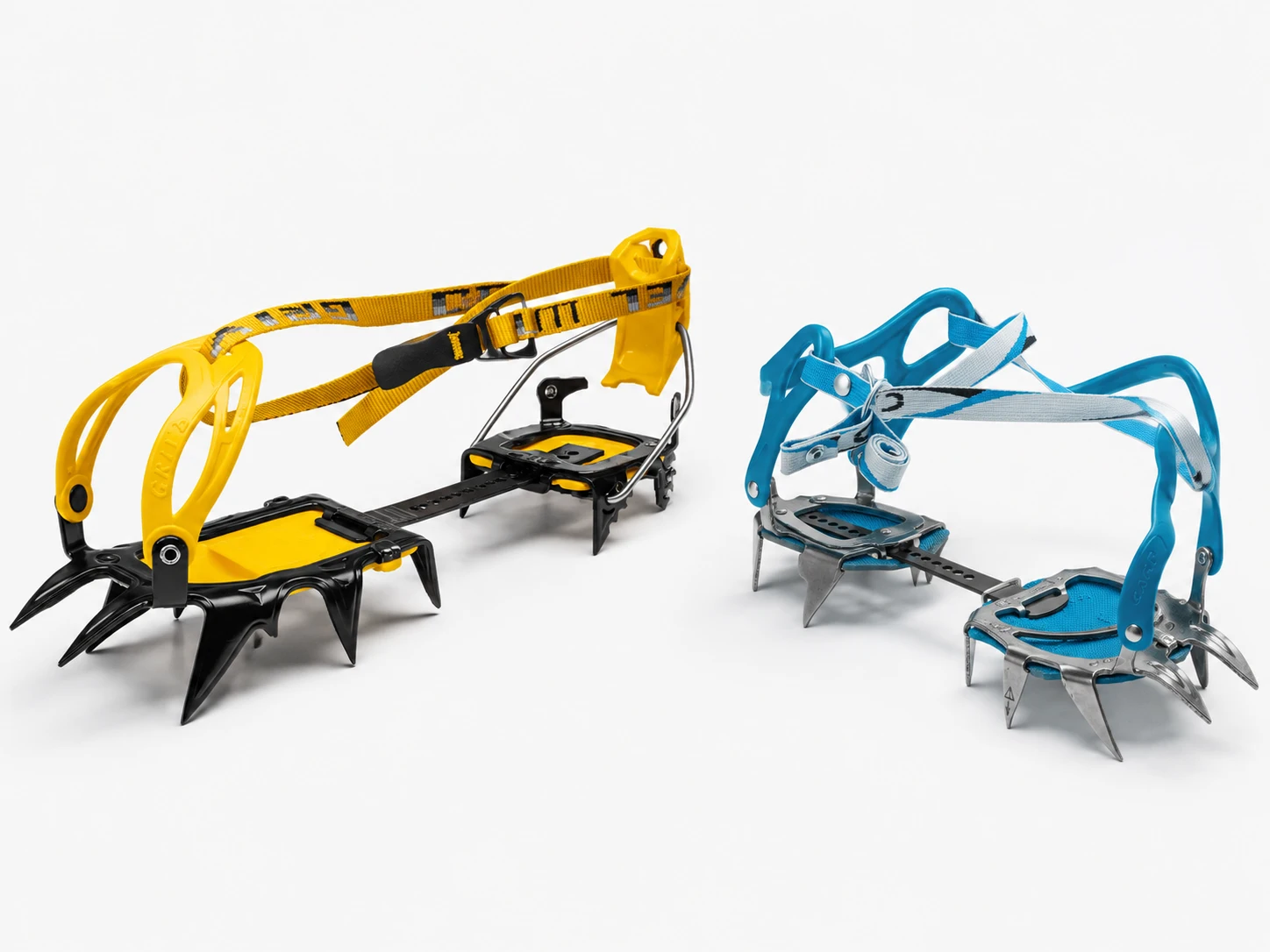
- Crampons.
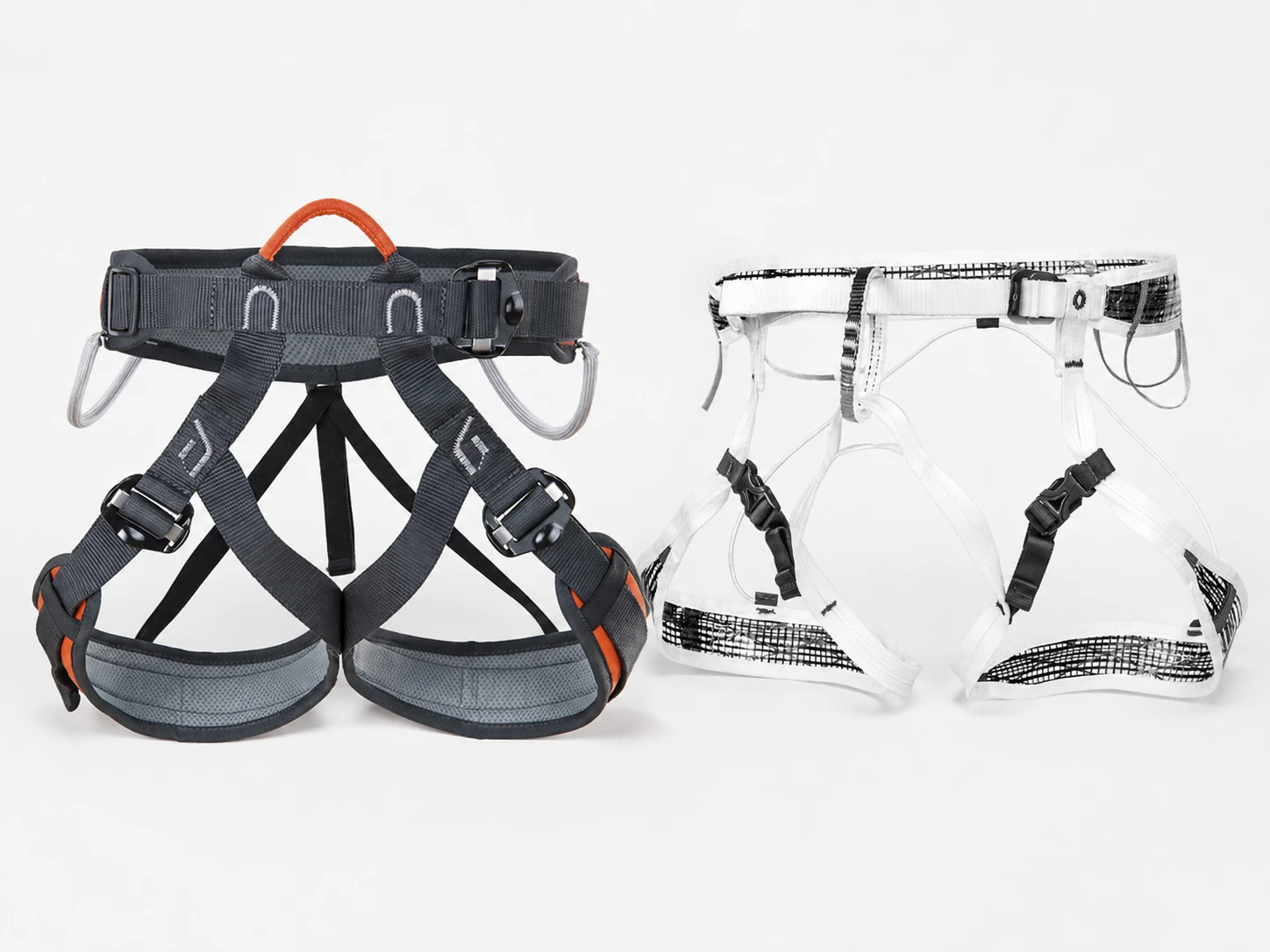
- Climbing harness.
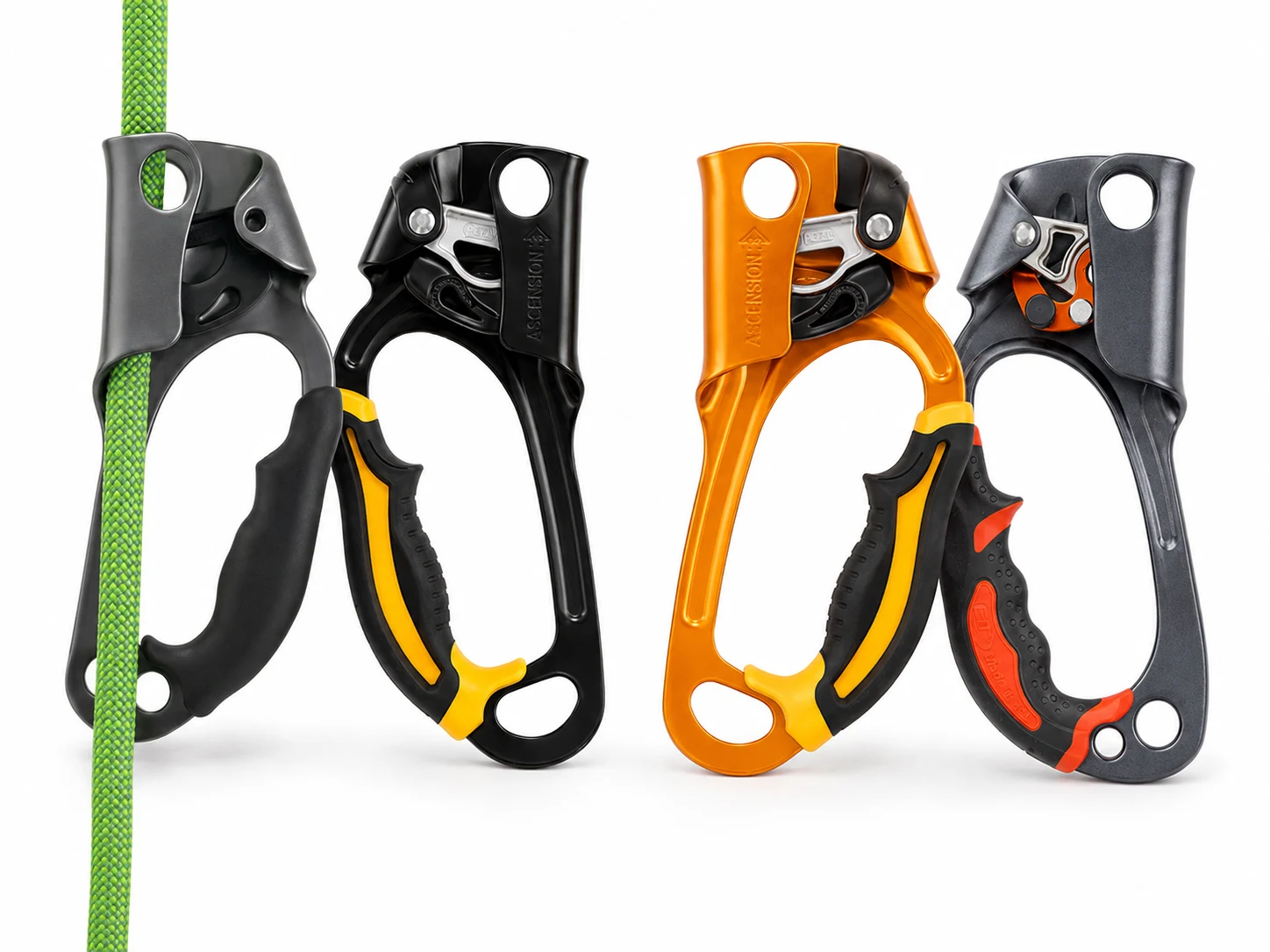
- Ascender/descender equipment.
- Carabiners and climbing accessories.
- Glacier glasses and goggles.
- Headlamp with extra batteries.
Personal Items:
- Sleeping bag suitable for extreme cold.
- Backpack and duffel bag.
- Water bottle or hydration system.
- Personal first-aid items.
- Sunscreen and lip protection.
- Personal toiletries.
- Camera and personal electronics.
A detailed equipment checklist will be provided by Himalayan Sherpa Exodus Team before departure.
Safety Measures
Safety is the highest priority throughout the Tilicho Peak Expedition. Our experienced expedition leaders and Sherpa climbing team carefully monitor conditions and make decisions based on weather, terrain, and climber safety.
Safety practices include:
- Proper acclimatization schedule.
- Experienced guides and climbing Sherpa support.
- Regular monitoring of climbers’ health and altitude adaptation.
- Careful evaluation of weather and mountain conditions.
- Use of proper climbing equipment and safety procedures.
- Emergency response planning.
- Responsible decision-making during summit attempts.
The Himalayas require respect and patience. The expedition team always prioritizes the safety of climbers over reaching the summit.
Frequently Asked Questions (FAQ)
1. What is the difficulty level of Tilicho Peak Expedition?
Tilicho Peak Expedition is a challenging high-altitude mountaineering expedition requiring previous trekking and climbing experience, good physical fitness, and technical climbing ability.
2. What is the best season for climbing Tilicho Peak?
The best seasons are generally spring (April–May) and autumn (September–November) due to more favorable weather and climbing conditions.
3. Do I need previous climbing experience?
Yes. Previous experience with high-altitude trekking, glacier travel, and basic mountaineering skills is highly recommended.
4. How long is the total expedition?
The complete expedition duration is 30 days, including arrival, preparation, trekking, acclimatization, climbing period, return journey, and departure.
5. What is the maximum altitude reached?
The highest point of the expedition is the summit of Tilicho Peak at 7,134 metres (23,406 feet).
6. Is altitude sickness a concern?
Yes. Altitude sickness is possible during any high-altitude expedition. The itinerary includes gradual ascent and acclimatization to reduce risks.
7. What happens if the summit attempt is not possible?
Mountain conditions can change unexpectedly. The expedition leader will make safe decisions based on weather, route conditions, and climber safety.
8. Can I join this expedition without previous Himalayan experience?
Participants should have previous experience with high-altitude trekking and physical preparation. Tilicho Peak is not recommended as a first climbing experience.
9. Is emergency evacuation available?
Emergency evacuation arrangements are available according to the situation, and all climbers must have appropriate travel insurance covering high-altitude rescue.
10. Why choose Himalayan Sherpa Exodus Team Treks & Expeditions Pvt. Ltd.?
We provide professionally managed Himalayan expeditions supported by experienced Sherpa climbers, careful planning, responsible mountain practices, and genuine local knowledge to create a safe and memorable climbing experience.
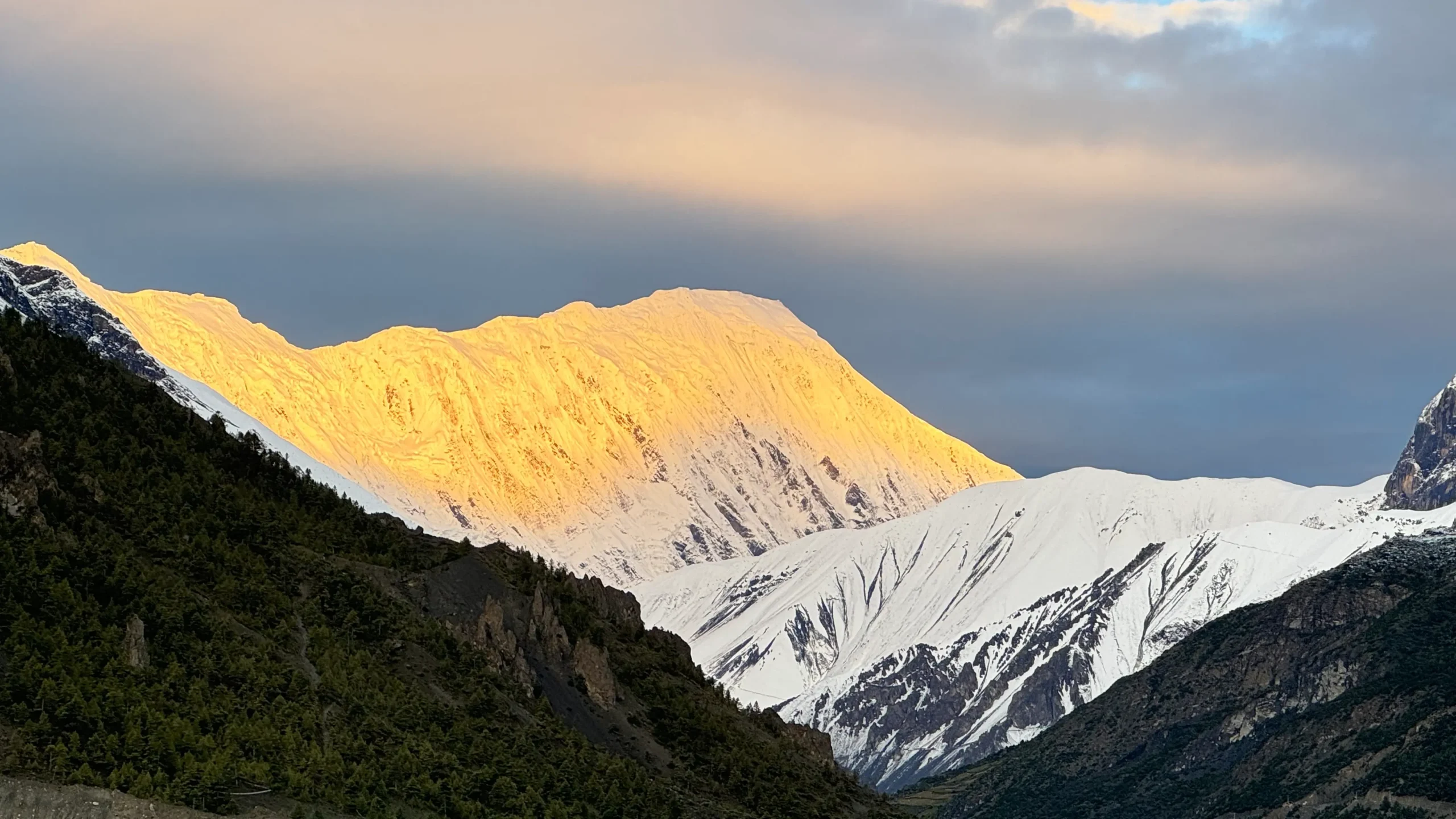
 7134M
 Moderate Climb PD+