Kanchenjunga Expedition Overview
Kanchenjunga Expedition Overview
The 55 Days Kanchenjunga Expedition is a demanding high-altitude journey into the remote eastern Himalayas of Nepal, created for experienced mountaineers seeking a serious and deeply rewarding climbing challenge. Rising to an elevation of 8,586 metres, Kanchenjunga offers a powerful combination of technical climbing, physical endurance, wilderness exploration and authentic Himalayan culture.
Organised by Himalayan Sherpa Exodus Team the expedition begins in Kathmandu with detailed briefings, equipment preparation, permit formalities and final logistical arrangements. The journey then continues by flight and scenic overland travel through Bhadrapur, Ilam, Phidim and Jorpul before entering the peaceful trekking route towards Khebang, Yamphudin, Torongdin, Tseram and Ramche.
The approach to Kanchenjunga Base Camp passes through isolated mountain settlements, deep river valleys, dense forests, alpine landscapes and high glacial terrain. Carefully planned rest and acclimatisation days allow the team to adjust gradually to the increasing altitude before establishing Advance Base Camp.
A dedicated climbing period is reserved for route preparation, load carrying, camp establishment, acclimatisation rotations and a possible summit attempt. All climbing activities are carried out according to mountain conditions, team readiness and the professional judgement of the expedition leaders and Sherpa climbing team.
After completing the climbing phase, the team cleans and closes the base camp before retracing the route through the Kanchenjunga region. The expedition concludes in Kathmandu with leisure time and a farewell celebration dinner, offering an opportunity to reflect on an extraordinary Himalayan experience.
This expedition is more than an attempt to reach a summit. It is a journey of discipline, teamwork, patience and respect for one of Nepal’s most remote mountain environments. With experienced guidance, organised logistics and responsible expedition practices, Himalayan Sherpa Exodus Team aims to provide a safe, professional and meaningful Kanchenjunga climbing experience.
Kanchenjunga Expedition Highlights
Kanchenjunga Expedition Highlights
- Attempt to climb Kanchenjunga, reaching an impressive elevation of 8,586 metres.
- Experience a challenging expedition in one of Nepal’s most remote and less-travelled Himalayan regions.
- Enjoy a scenic flight to Bhadrapur and an overland journey through the beautiful eastern hills of Nepal.
- Travel through Ilam, Phidim, Jorpul, Khebang, Yamphudin, Torongdin, Tseram and Ramche.
- Trek through diverse landscapes ranging from subtropical forests and traditional villages to alpine valleys, glaciers and high mountain terrain.
- Follow a carefully designed itinerary with gradual altitude gain and an essential acclimatisation day at Tseram.
- Camp in spectacular high-altitude locations while approaching Kanchenjunga Base Camp and Advance Base Camp.
- Benefit from a substantial climbing period for acclimatisation rotations, camp establishment, route preparation and the summit attempt.
- Receive support from experienced expedition leaders, climbing Sherpas and a professionally organised mountain team.
- Discover the culture, hospitality and traditional lifestyle of communities living in Nepal’s far-eastern Himalayan region.
- Witness dramatic views of Kanchenjunga and the surrounding snow-covered peaks, ridges and glaciers.
- Participate in responsible base-camp management and a complete cleanup before leaving the mountain.
- Celebrate the completion of the expedition with leisure time, shopping and a farewell dinner in Kathmandu.
- Undertake a meaningful mountaineering journey built around preparation, teamwork, endurance, responsible travel and respect for the Himalayas.
Day 01 :
Arrival in Kathmandu (1,400m) – Hotel Transfer
Upon your arrival at Tribhuvan International Airport in Kathmandu, our representative from Himalayan Sherpa Exodus Team will warmly welcome you and assist with your transfer to the hotel. The remaining time will be for rest and recovery after your international journey. In the evening, you may meet the expedition team and receive an introduction to the upcoming Kanchenjunga adventure.
Accommodation: Hotel
Meals: Welcome dinner
Day 02 - 03 :
Expedition Preparation, Briefing and Permit Arrangements (Kathmandu, 1,400m)
These important preparation days are dedicated to completing all necessary expedition formalities, including climbing permits, official documentation, equipment checks and final arrangements. Our experienced expedition team will conduct detailed briefings regarding the climbing route, safety procedures, weather considerations and overall expedition plans.
You will also have time for last-minute shopping and personal preparations before heading towards eastern Nepal.
Accommodation: Hotel
Activities: Expedition briefing, equipment inspection, permit processing and preparation
Day 04 :
Flight from Kathmandu to Bhadrapur and Drive to Phidim – 1,185m
Today, your journey moves toward eastern Nepal. After a morning flight from Kathmandu to Bhadrapur, we begin a long and scenic drive toward Phidim, the administrative center of Panchthar District.
The road gradually leaves the busy lowlands behind and enters the beautiful hills of eastern Nepal. Along the way, you can enjoy changing landscapes, winding mountain roads, rural settlements, and views of the green Himalayan foothills.
The drive is long, but it provides an interesting introduction to the diverse geography of eastern Nepal.
Driving duration: Approximately 9–13 hours
Overnight: Phidim
Day 05 :
Drive from Phidim to Taplejung and Continue to Yamphudin/Yasang
Destination elevation: approximately 2,080 m / 6,824 ft
Driving duration: approximately 8–10 hours, depending on road conditions
Walking: normally minimal, although a short approach walk may be required if the seasonal road ends before the lodge
Accommodation: Basic teahouse/lodge
Today takes us deeper into the hills of far-eastern Nepal.
Leaving Phidim, the road winds through cultivated slopes, small market settlements, river valleys and forest-covered ridges toward Taplejung, the traditional gateway to the Kanchenjunga region.
From Taplejung, we continue toward the southern approach of the Kanchenjunga trekking area, travelling as far as seasonal road conditions permit toward Yamphudin, locally associated with the southern trekking entrance.
Road access in this region has expanded considerably, although travel times remain highly variable because mountain roads are vulnerable to monsoon damage, landslides and seasonal deterioration. Several contemporary Kanchenjunga itineraries now use road transport to reach or leave Yamphudin.
Yamphudin is considerably more than a trail stop. It lies within the inhabited lower Kanchenjunga landscape, where farming remains central to everyday life and houses are dispersed among terraces and wooded hillsides. The settlement is also associated with a Kanchenjunga Conservation Area checkpoint on the southern route.
The evening is spent preparing for the first substantial day on foot.
Overnight: Yamphudin/Yasang
Day 06 :
Trek from Yamphudin (2,070m) to Torongdin (2,995m)
Today’s trek takes us deeper into the Kanchenjunga Conservation Area. The trail involves longer walking hours with continuous ascents through forests, valleys and mountain terrain.
As we gain elevation, the scenery becomes increasingly dramatic, with impressive views of surrounding Himalayan landscapes.
Walking Duration: Approx. 10–11 hours
Approx. Distance: 16–18 km
Elevation Gain: Approx. 925m
Accommodation: Lodge/Camp
Day 07 :
Trek from Torongdin (2,995m) to Tseram (3,870m)
The journey continues towards the higher alpine region. The trail passes through beautiful rhododendron forests, rocky landscapes and gradually changing vegetation as we approach the upper Kanchenjunga valley.
Tseram is an important acclimatisation point before moving towards higher elevations.
Walking Duration: Approx. 4–5 hours
Approx. Distance: 8–10 km
Elevation Gain: Approx. 875m
Accommodation: Lodge
Day 08 :
Acclimatisation and Rest Day at Tseram (3,870m)
A necessary acclimatisation day is planned at Tseram to allow the body to adjust to the increasing altitude. This day can be used for relaxation, short exploration walks and preparation for the upcoming high-altitude sections.
Our expedition team will also review health conditions, equipment and the next stage of the journey.
Walking Activity: Optional short acclimatisation hike
Accommodation: Lodge
Day 09 :
Trek from Tseram (3,870m) to Ramche (4,620m)
Today we enter the spectacular high mountain environment of the Kanchenjunga region. The trail gradually climbs above the tree line, revealing magnificent views of glaciers, alpine valleys and snow-covered Himalayan peaks.
Ramche is located in the beautiful upper Kanchenjunga valley and serves as an important staging point before moving towards the base camp area.
Walking Duration: Approx. 5 hours
Approx. Distance: 8–10 km
Elevation Gain: Approx. 750m
Accommodation: Camping
Day 10 :
Trek from Ramche (4,620m) to Middle Camp (4,900m)
Today we continue our approach towards the higher reaches of Kanchenjunga. The trail gradually moves through rugged alpine terrain, glacial valleys and remote Himalayan landscapes. As we gain altitude, the surroundings become more dramatic, with breathtaking views of towering peaks, glaciers and untouched mountain wilderness.
Middle Camp serves as an important acclimatisation and preparation point before establishing the Advance Base Camp. The expedition team will carefully manage the pace and monitor everyone’s health as we enter the high-altitude environment.
Walking Duration: Approx. 7 hours
Approx. Distance: 8–10 km
Elevation Gain: Approx. 280m
Accommodation: Camping
Day 11 :
Trek to Kanchenjunga Base Camp and Establish Advance Base Camp (Approx. 5,200m+)
The day marks an important milestone of the expedition as we move towards the Kanchenjunga Base Camp area. The route follows challenging high-altitude terrain with spectacular views of the Kanchenjunga massif and surrounding Himalayan peaks.
Upon reaching the base camp area, our Sherpa climbing team will establish the Advance Base Camp and organise essential expedition facilities. Equipment management, camp arrangements and final climbing preparations will be completed before beginning the summit phase.
Walking Duration: Approx. 6–8 hours (depending on conditions)
Approx. Distance: 8–12 km
Accommodation: Expedition Camp
Day 11 - 41 :
Climbing Period – Summit Attempt of Kanchenjunga (8,586m)
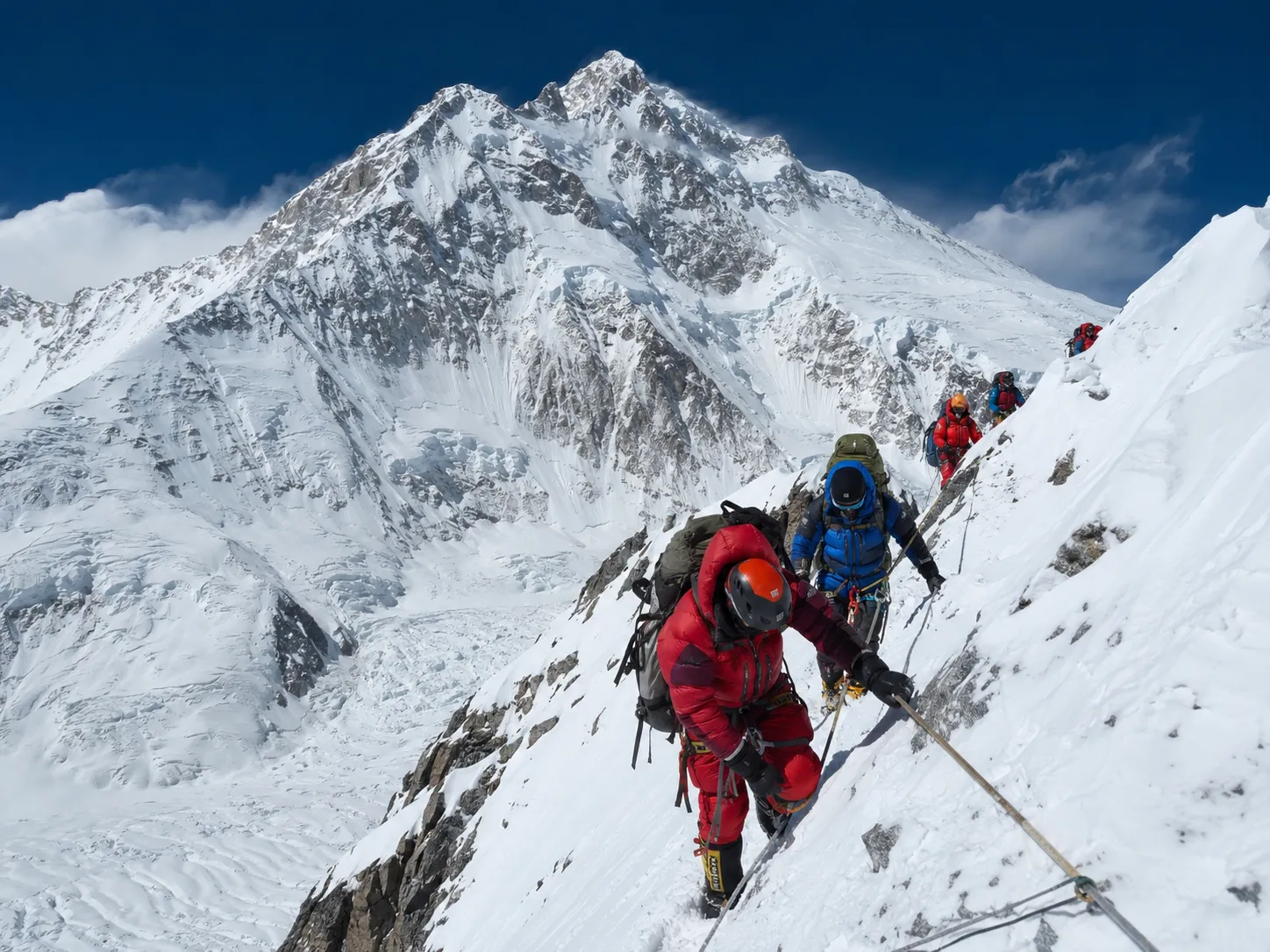
This is the main climbing phase of the expedition. During these days, the team will focus on acclimatisation rotations, route preparation, fixing ropes where required, establishing higher camps and preparing for the summit push.
The climbing schedule remains flexible because high-altitude mountaineering depends greatly on weather conditions, snow conditions, route safety and individual team performance. The experienced Sherpa climbing team will provide continuous support and guidance throughout the ascent.
The summit attempt of Kanchenjunga, the third-highest mountain in the world at 8,586 metres, represents a significant mountaineering achievement requiring endurance, technical skill, teamwork and careful decision-making.
After a successful summit bid, the team will safely descend back to Advance Base Camp and complete the necessary recovery and packing procedures.
Duration: Approx. 33 days
Highest Point: Kanchenjunga Summit (8,586m)
Accommodation: High-altitude expedition camps
Day 42 :
Base Camp Preparation, Cleanup and Return Planning
After completing the climbing activities, the team begins preparations for departure from the mountain. All expedition equipment, personal belongings and camp materials will be carefully organised.
As part of our commitment to responsible mountaineering, the team will conduct a complete base camp cleanup and ensure that the mountain environment is respected before leaving.
Activities: Camp dismantling, waste management, equipment organisation and preparation for return journey
Accommodation: Base Camp/Camp
Day 43 :
Trek from Kanchenjunga Base Camp Area to Ramche (4,620m)
We begin our return journey by descending through the beautiful upper Kanchenjunga valley. After spending an extended period in the high mountains, the gradual descent provides a welcome change in altitude and scenery.
The route offers another opportunity to enjoy the peaceful Himalayan landscape and reflect on the achievements of the expedition.
Walking Duration: Approx. 9 hours
Approx. Distance: 12–15 km
Accommodation: Lodge/Camping
Day 44 :
Trek from Ramche (4,620m) to Torongdin (2,995m)
The trail continues downhill through alpine landscapes, forests and mountain valleys. The significant decrease in altitude makes the walking more comfortable while allowing trekkers to enjoy the changing vegetation and scenery.
Torongdin provides a pleasant resting point after the long descent.
Walking Duration: Approx. 7 hours
Approx. Distance: 12–14 km
Elevation Loss: Approx. 1,625m
Accommodation: Lodge
Day 45 :
Trek from Torongdin (2,995m) to Yamphudin (2,070m)
Today we retrace the familiar trail towards Yamphudin. The route passes through beautiful forests, rivers and traditional settlements of the Kanchenjunga region.
The return journey provides another chance to experience the culture and natural beauty of eastern Nepal.
Walking Duration: Approx. 8–9 hours
Approx. Distance: 14–16 km
Accommodation: Lodge
Day 46 :
Yamphudin to Kanyam, Ilam
Yamphudin: approximately 2,080 m
Kanyam: approximately 1,200–1,300 m
Walking: approximately 0–2 hours where necessary to reach the seasonal jeep road-head
Drive: approximately 7–9 hours
Accommodation: Hotel/lodge at Kanyam
After breakfast, we leave the trekking trail and begin our long overland return toward Ilam.
Depending upon the condition and seasonal extension of the road, there may be a short walk from Yamphudin to the point accessible by jeep. From there, we drive through a succession of mountain villages, river valleys and cultivated hills.
Contemporary Kanchenjunga itineraries generally allow around eight hours for the Yamphudin–Kanyam journey, although road conditions can alter this considerably.
Gradually, the rugged Taplejung landscape gives way to the greener and more intensively cultivated hills of Ilam District.
Our destination is Kanyam, renowned for its rolling tea estates. The neatly patterned tea gardens spread across the hillsides, providing a peaceful and visually striking contrast to the raw glacial landscapes of Kanchenjunga.
The evening is free to relax and enjoy the cooler tea-country environment.
Overnight: Kanyam, Ilam
Day 47 :
Explore the Ilam Tea Gardens and Drive to Bhadrapur
Kanyam: approximately 1,200–1,300 m
Bhadrapur: approximately 90 m
Exploration: 1–2 hours
Drive: approximately 3–4 hours
Accommodation: Hotel in Bhadrapur
This morning is intentionally unhurried.
We explore the Kanyam tea gardens, where rows of tea bushes follow the natural contours of the hills. Depending on the season, workers may be seen tending or harvesting the tea leaves.
After experiencing one of eastern Nepal's characteristic agricultural landscapes, we continue downhill toward the plains.
The geographical transition is again striking. The temperate hills gradually disappear and the air becomes warmer as the road approaches Jhapa District and the eastern Terai.
We arrive in Bhadrapur with enough time to rest before tomorrow's flight. Staying overnight near the airport also provides a practical buffer against unpredictable mountain-road delays.
Overnight: Bhadrapur
Day 48 :
Fly from Bhadrapur to Kathmandu
Bhadrapur: approximately 90 m
Kathmandu: approximately 1,350 m
Flight duration: approximately 45 minutes
Accommodation: Hotel in Kathmandu
After breakfast, we transfer to Bhadrapur Airport for the return flight to Kathmandu.
The flight normally takes about 45 minutes, bringing us quickly back across Nepal after the long overland and trekking journey through the east.
Upon arrival, our representative transfers you to the hotel.
The remainder of the day is free. You may simply rest, explore the streets around your hotel, shop for souvenirs, or enjoy one final evening in Kathmandu.
In the evening, depending upon the trip arrangement, the Himalayan Sherpa Exodus Team may organize a farewell gathering to celebrate the completion of the Kanchenjunga journey.
Overnight: Kathmandu
Day 49 :
Final Departure from Nepal
Activity: International airport transfer
Meals/Accommodation: According to departure schedule
Your 13-day Kanchenjunga South Base Camp adventure comes to an end today.
At the appropriate time, a representative from Himalayan Sherpa Exodus Team Treks & Expeditions Pvt. Ltd. will transfer you to Tribhuvan International Airport for your onward international flight.
You leave Nepal having travelled from its subtropical eastern plains through agricultural hill communities, deep Himalayan forests and remote alpine valleys to the glacial world beneath Kanchenjunga.
Although the trek ends in Kathmandu, the memories of sunrise above the Yalung Valley, the immense southern face of Kanchenjunga, the silence around Ramche and the hospitality encountered across eastern Nepal are likely to remain long after the journey home.
The Package Cost Include
- Airport arrival and departure transfers in Kathmandu.
- Hotel accommodation in Kathmandu as mentioned in the itinerary.
- Domestic flights between Kathmandu and Bhadrapur (as per the expedition plan).
- Private transportation for all required road journeys during the expedition.
- Required Kanchenjunga climbing permits, conservation area permits and official documentation.
- Experienced expedition leader, climbing Sherpas and support crew.
- Necessary staff wages, insurance, equipment allowance and expedition-related expenses for the supporting team.
- Accommodation in lodges during the trekking approach and return journey.
- Full camping arrangements during the high-altitude expedition sections.
- High-altitude camp management, kitchen support and expedition logistics.
- Meals during the trekking and climbing period as specified in the expedition plan.
- Kitchen staff, cooking equipment and necessary camping facilities.
- Base Camp and Advance Base Camp management.
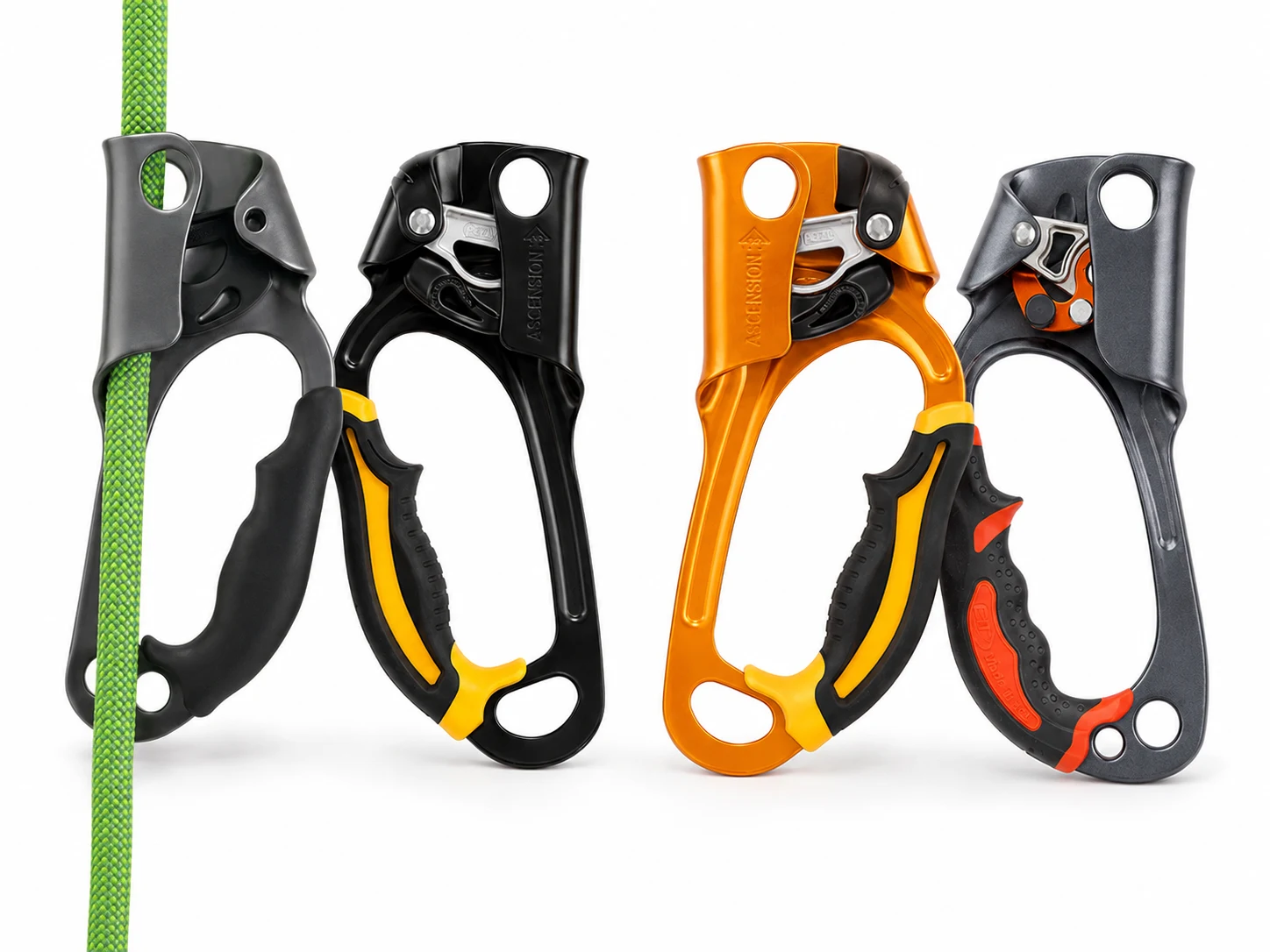
- Necessary group climbing equipment and rope-fixing support where required.
- Communication arrangements and basic expedition safety support.
- Garbage management and responsible cleanup of the expedition area.
- Farewell celebration dinner in Kathmandu after completion of the expedition.
The Package Cost Exclude
- International airfare and travel expenses outside Nepal.
- Nepal entry visa fees.
- Personal travel insurance (must include high-altitude climbing and emergency evacuation coverage).
- Personal climbing equipment and clothing.
- Extra hotel nights or additional accommodation due to early arrival, late departure or unforeseen circumstances.
- Personal expenses such as laundry, internet access, phone calls and beverages.
- Emergency rescue evacuation costs.
- Medical expenses and personal medication.
- Tips and gratitude payments for expedition staff.
- Expenses caused by flight delays, weather conditions, political situations or other circumstances beyond our control.
- Any services not specifically mentioned under the cost inclusion section.
Best Time for Kanchenjunga Expedition
The most suitable seasons for climbing Kanchenjunga are generally spring (April–May) and autumn (September–November) when Himalayan weather conditions are comparatively more stable.
Spring Season (April–May)
Spring is considered one of the best periods for high-altitude climbing. The weather is usually favourable, temperatures are more manageable, and the mountain offers clearer views with improved climbing conditions.
Autumn Season (September–November)
Autumn provides excellent visibility, stable weather patterns and beautiful mountain scenery after the monsoon season. The crisp atmosphere creates ideal conditions for trekking through the eastern Himalayan landscapes.
Although these seasons provide the best opportunities, climbing an 8,000-metre peak always depends on mountain conditions, snowfall, wind, route safety and professional judgement.
Kathmandu – Bhadrapur – Kathmandu Flight Information
For this expedition, the journey begins with a flight from Kathmandu to Bhadrapur Airport, followed by a scenic drive through eastern Nepal towards the Kanchenjunga region.
The Bhadrapur route provides access to the remote eastern Himalayas while allowing the team to gradually approach the mountain environment through beautiful landscapes, traditional villages and peaceful hill regions.
Domestic flights in Nepal are highly dependent on weather conditions. Flight schedules may change due to visibility, wind, operational factors or mountain weather conditions. Our team will coordinate alternative arrangements whenever necessary.
Expedition Difficulty
The 55 Days Kanchenjunga Expedition is considered a highly challenging technical mountaineering expedition designed for experienced climbers with previous high-altitude climbing experience.
Kanchenjunga rises to 8,586 metres, making it the third-highest mountain in the world. The expedition requires:
- Excellent physical fitness and strong endurance.
- Previous experience in high-altitude environments.
- Knowledge of glacier travel, rope techniques and climbing equipment.
- Mental strength and patience during long expedition periods.
- Ability to adapt to changing Himalayan weather and mountain conditions.
The long duration, remote location, extreme altitude and technical climbing sections make this expedition a serious Himalayan challenge. With proper preparation, experienced leadership and teamwork, climbers can undertake this remarkable adventure with confidence.
Acclimatization and Altitude Sickness
Proper acclimatisation is one of the most important factors for a successful high-altitude expedition. The itinerary has been carefully designed with gradual altitude gain and necessary rest periods to allow the body to adapt.
During the approach trek, climbers pass through different elevations before reaching the higher mountain camps. A dedicated acclimatisation day at Tseram helps prepare the body before moving into the high-altitude zone.
Altitude-related problems can affect anyone regardless of previous experience. Our expedition team closely monitors climbers’ health, hydration, energy levels and adaptation throughout the journey.
Important practices include:
- Maintaining a slow and steady pace.
- Drinking sufficient water and staying hydrated.
- Taking adequate rest and nutrition.
- Informing the team immediately about any discomfort or symptoms.
- Following the guidance of experienced Sherpa leaders.
Safety and responsible decision-making remain the highest priorities throughout the expedition.
Himalayan Culture and Ancient Monasteries
The Kanchenjunga region is not only famous for its spectacular mountains but also for its rich cultural heritage and traditional Himalayan lifestyle.
During the expedition, you will pass through remote settlements where communities continue to preserve their unique traditions, languages and mountain customs. The region reflects a beautiful mixture of ethnic cultures, including Sherpa, Limbu and other Himalayan communities.
The journey provides opportunities to experience:
- Traditional mountain villages and local hospitality.
- Ancient Buddhist influences and Himalayan spiritual practices.
- Prayer flags, mani walls and sacred mountain landscapes.
- Local traditions connected with nature and the Himalayas.
- Peaceful monasteries and culturally significant sites in the eastern Himalayan region.
The Kanchenjunga Expedition is therefore not only a climbing adventure but also a meaningful cultural journey through one of Nepal’s most remote and beautiful Himalayan landscapes.
Weather & Climate
The Kanchenjunga region experiences diverse climatic conditions due to its wide range of elevations, from subtropical valleys to extreme high-altitude mountain zones.
Spring Season (April–May)
Spring generally provides favourable climbing conditions with clearer skies, moderate temperatures and improved visibility. This season is widely preferred for high-altitude expeditions.
Autumn Season (September–November)
Autumn offers stable weather, excellent mountain views and fresh post-monsoon landscapes, making it another ideal period for expedition activities.
At higher elevations, weather can change rapidly. Strong winds, snowfall, freezing temperatures and sudden storms are natural challenges of climbing an 8,000-metre peak. The expedition schedule remains flexible according to actual mountain conditions.
Preparation Guide
A successful Kanchenjunga Expedition requires careful preparation, strong physical fitness and proper planning. Since this is a technical high-altitude expedition to 8,586 metres, climbers should prepare several months in advance.
Recommended preparation includes:
- Regular cardiovascular training such as hiking, running, cycling or swimming.
- Strength training focused on legs, core and overall endurance.
- Previous experience with high-altitude trekking or mountaineering is highly recommended.
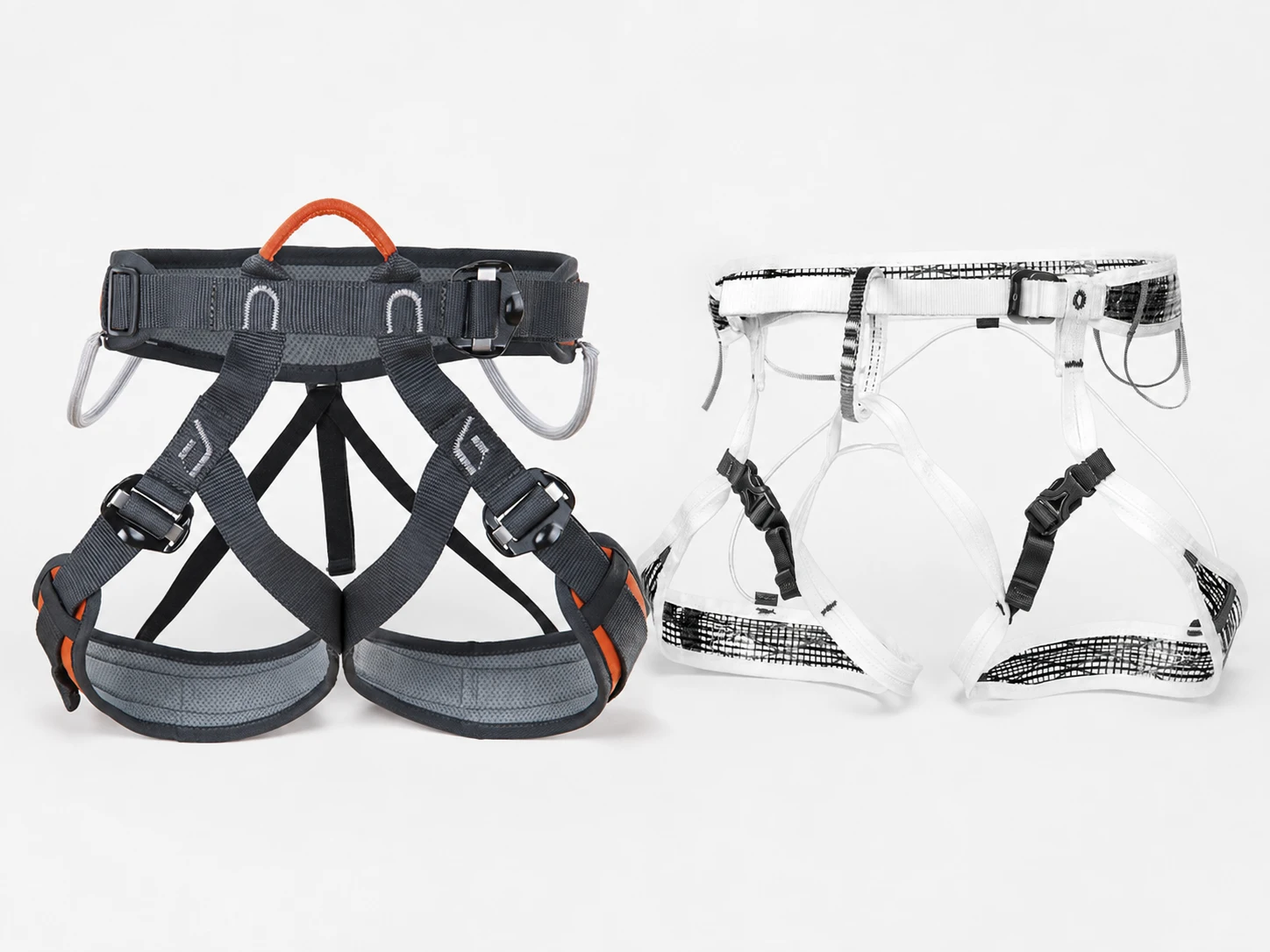
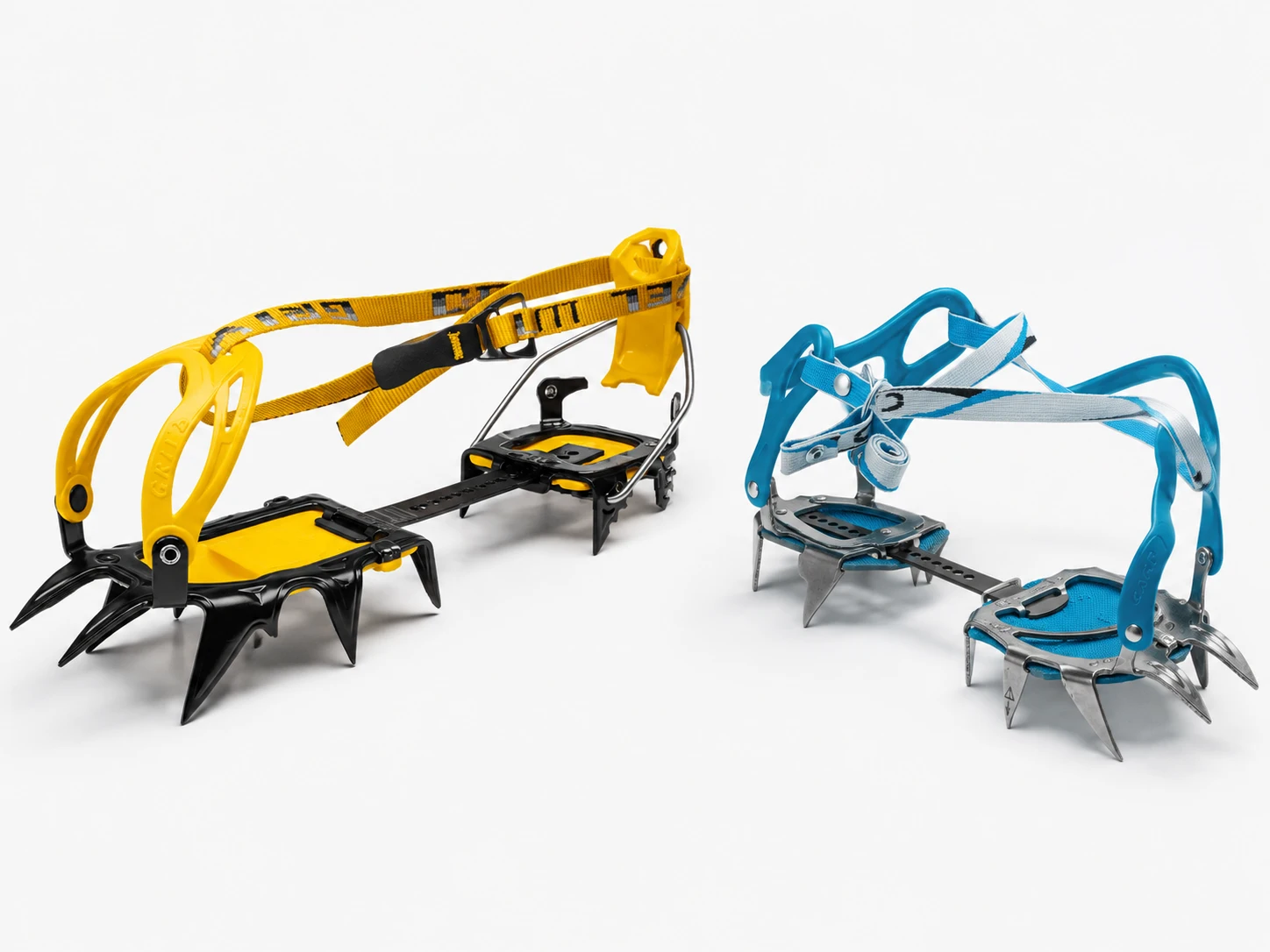
- Practice using essential climbing equipment such as crampons, harnesses, ice axe and climbing boots.
- Complete medical check-ups before joining the expedition.
- Prepare mentally for a long-duration Himalayan expedition with changing weather and challenging conditions.
Our expedition team provides detailed pre-departure guidance, equipment recommendations and climbing information to help every participant prepare confidently.
Accommodation
Accommodation during the Kanchenjunga Expedition is arranged according to the remote nature of the region and different stages of the journey.
Kathmandu
Comfortable hotel accommodation is provided during arrival, preparation and departure days.
Trekking Section
During the approach and return journey, accommodation is arranged in selected local lodges and guesthouses where available. These provide basic but comfortable facilities with an authentic Himalayan atmosphere.
Expedition Section
At higher elevations, camping accommodation is provided with organised expedition camps. Our team manages tents, sleeping arrangements, kitchen facilities and necessary camp logistics to support climbers in the mountain environment.
Meals During the Expedition
Nutritious food plays an important role in maintaining energy and performance throughout a long Himalayan expedition.
During the trekking period, meals are prepared using available local lodge facilities. During the camping and climbing phase, our experienced kitchen team prepares balanced meals designed for high-altitude conditions.
Meals generally include:
- Rice, noodles, pasta and other energy-rich foods.
- Vegetables, soups and nutritious side dishes.
- Eggs, meat or alternative protein sources.
- Fresh and packaged food supplies suitable for expedition conditions.
- Hot drinks including tea, coffee and hydration beverages.
Special dietary requirements should be informed before the expedition begins so necessary arrangements can be considered.
Drinking Water
Safe hydration is essential during high-altitude climbing. Throughout the expedition, drinking water arrangements are carefully managed.
Available options include:
- Bottled or boiled water during the lower trekking sections.
- Purified and treated water during camping periods.
- Water purification tablets or filtration systems as additional safety measures.
Climbers are encouraged to drink regularly because dehydration can increase the risk of altitude-related problems.
Internet & Charging Facilities
Communication facilities become limited as we move deeper into the remote Kanchenjunga region.
Kathmandu and Lower Regions
Wi-Fi and mobile networks are available in hotels and some lodges.
Remote Mountain Areas
Internet access is limited and may not be available during the high-altitude expedition section.
Charging facilities are available at some lodges, but power supply can be limited. During camping periods, charging options depend on expedition arrangements and available power solutions.
Participants should carry:
- Power banks.
- Spare batteries.
- Personal charging equipment suitable for cold conditions.
Travel Insurance
Comprehensive travel insurance is mandatory for all Kanchenjunga Expedition members.
Insurance should cover:
- High-altitude climbing up to 8,600 metres.
- Emergency helicopter evacuation.
- Medical treatment expenses.
- Accident coverage.
- Trip cancellation or interruption protection.
Participants must carefully check that their insurance policy covers professional mountaineering activities, as standard trekking insurance may not be sufficient for an 8,000-metre expedition.
Packing List
A proper equipment list is essential for safety and comfort during the expedition.
Personal Clothing & Equipment
- Expedition down suit.
- High-quality mountaineering boots.
- Crampons compatible with climbing boots.
- Mountaineering harness.
- Ice axe.
- Climbing helmet.
- Technical gloves and warm mittens.
- Thermal base layers.
- Waterproof and windproof outer layers.
- Down jacket.
- Sleeping bag suitable for extreme cold temperatures.
- Sunglasses and glacier glasses.
- Headlamp with spare batteries.
- Trekking poles.
Personal Items
- Backpack and duffel bag.
- Water bottles or hydration system.
- Personal medical kit.
- Sunscreen and lip protection.
- Toiletries.
- Camera and personal electronics.
- Power bank.
A detailed equipment checklist will be provided by our expedition team before departure.
Safety Measures
Safety is the highest priority throughout the Kanchenjunga Expedition. Our experienced expedition leaders and Sherpa climbing team follow careful planning and responsible mountain practices.
Safety measures include:
- Professional expedition leadership.
- Experienced climbing Sherpa support.
- Gradual acclimatisation schedule.
- Regular health monitoring.
- Careful evaluation of weather and climbing conditions.
- Proper use of climbing equipment and safety systems.
- Responsible decision-making during summit attempts.
- Emergency planning and communication procedures.
Mountain climbing always involves natural risks, but proper preparation, teamwork and experienced guidance help reduce unnecessary dangers.
Frequently Asked Questions (FAQ)
1. How difficult is the Kanchenjunga Expedition?
Kanchenjunga is a highly challenging technical expedition suitable for experienced climbers. It requires previous high-altitude climbing experience, excellent fitness and strong mental preparation.
2. What is the highest altitude reached during the expedition?
The expedition reaches the summit of Kanchenjunga at 8,586 metres, the third-highest mountain in the world.
3. What experience is required for this expedition?
Participants should have experience with high-altitude mountaineering, glacier travel, rope techniques and previous Himalayan climbing experience.
4. What is the best season for climbing Kanchenjunga?
The main climbing seasons are generally spring (April–May) and autumn (September–November) due to more favourable Himalayan weather conditions.
5. Is acclimatisation included in the itinerary?
Yes. The itinerary includes gradual altitude gain and planned acclimatisation periods to support safe adaptation.
6. Is emergency evacuation available?
Emergency evacuation arrangements are part of expedition safety planning. Proper travel insurance covering helicopter rescue is mandatory.
7. How is food managed during the expedition?
Our expedition kitchen team provides nutritious meals throughout the camping and climbing sections, while local lodges provide meals during trekking sections.
8. Can beginners join the Kanchenjunga Expedition?
Due to the extreme altitude and technical difficulty, this expedition is not recommended for beginners. Previous serious mountaineering experience is required.
9. How does Himalayan Sherpa Exodus Team Treks & Expeditions support climbers?
Our team provides professional expedition management, experienced Sherpa support, organised logistics, safety planning and personalised guidance throughout the journey.
10. Why choose the Kanchenjunga Expedition?
The Kanchenjunga Expedition offers a rare opportunity to experience one of the world’s most impressive mountains while exploring a remote Himalayan region rich in natural beauty, culture and adventure.
 8586M
8586M Moderate Climb PD++