Mt. Lhotse Shar Expedition
Mt.Lhotse Shar Expedition Overview
Rising to an extraordinary elevation of 8,516 metres (27,940 feet), Mt. Lhotse is the fourth-highest mountain in the world and one of the most impressive giants of the Himalayan range. Standing immediately south of Mt. Everest along the Nepal–Tibet border, Lhotse is connected to Everest by the high-altitude ridge of the South Col. Its dramatic structure, steep icy slopes and commanding presence make it a remarkable objective for experienced high-altitude climbers.
The Lhotse massif consists of three prominent summits: Lhotse Main at 8,516 metres, Lhotse Middle at 8,413 metres and Lhotse Shar at 8,383 metres. One of the mountain’s most recognisable features is the Lhotse Couloir, a steep ice-and-snow gully cutting through its western face. This demanding section forms a crucial part of the summit route, where climbers must negotiate changing snow conditions, hard ice, exposed terrain and unpredictable mountain weather.
Mt. Lhotse was first successfully climbed on 18 May 1956 by Swiss mountaineers Ernst Reiss and Fritz Luchsinger. Since that historic achievement, the mountain has remained a respected destination for accomplished climbers seeking a serious challenge above 8,000 metres. The expedition requires excellent physical conditioning, strong mental determination, sound technical ability and previous experience on high-altitude mountains.
The 60 Days Mt. Lhotse Expedition, operated by Himalayan Sherpa Exodus Team Treks & Expeditions Pvt. Ltd. begins in Kathmandu with arrival assistance, expedition preparation, equipment checks and an official briefing. The journey then continues with a scenic flight to Lukla, followed by an acclimatisation-focused trek through the legendary Khumbu region.
The approach passes through Phakding, Namche Bazaar, Dibuche, Dingboche and Lobuche before reaching Everest Base Camp. This gradual journey allows climbers to adapt to increasing altitude while experiencing Sherpa settlements, mountain landscapes and magnificent views of the Khumbu Himalayas.
From Base Camp, the climbing team undertakes carefully planned acclimatisation rotations through Camps I, II and III. The route initially crosses the challenging Khumbu Icefall before reaching Camp I, which is situated among glaciers and large crevasses. Climbers then continue towards Camp II through the broad glacial terrain of the Western Cwm.
The route above Camp II leads towards the steep Lhotse Face, where fixed ropes are used to reach Camp III. The final summit phase involves climbing higher towards the upper camp before entering the Lhotse Couloir. From there, the team carefully negotiates steep snow, ice and rocky sections leading towards the summit of Mt. Lhotse.
Standing on the summit offers an unforgettable Himalayan panorama and an exceptional sense of achievement. Climbers are rewarded with magnificent views of Mt. Everest, Nuptse, Makalu, Cho Oyu and numerous surrounding peaks.
This expedition is designed for experienced mountaineers who have previously climbed technical peaks, preferably including mountains above 7,000 metres. Throughout the journey, our professional climbing Sherpas and expedition staff provide route support, camp management, logistical coordination and safety-focused assistance.
With careful preparation, responsible acclimatisation and experienced Himalayan support, the Mt. Lhotse Expedition offers a powerful opportunity to challenge personal limits and pursue one of the world’s most prestigious mountaineering objectives.
Mt. Lhotse Shar Expedition Highlights
Trip Highlights
- Attempt the summit of Mt. Lhotse at 8,516 metres, the fourth-highest mountain in the world.
- Join a professionally organised 60-day high-altitude expedition in the Everest region.
- Experience a scenic mountain flight between Kathmandu and Lukla.
- Trek through the renowned Khumbu Valley and traditional Sherpa settlements.
- Visit Namche Bazaar, the cultural and commercial centre of the Everest region.
- Follow a gradual itinerary designed to support proper acclimatisation.
- Trek through Dibuche, Dingboche and Lobuche before reaching Base Camp.
- Stay at the historic Everest Base Camp during the expedition period.
- Complete essential acclimatisation rotations through Camps I, II and III.
- Cross the technically demanding Khumbu Icefall under professional guidance.
- Climb through the Western Cwm and ascend the steep Lhotse Face.
- Negotiate the famous Lhotse Couloir during the final summit approach.
- Receive assistance from experienced climbing Sherpas and expedition staff.
- Experience full-board camping services during the climbing period.
- Enjoy spectacular views of Everest, Nuptse, Makalu and other Himalayan peaks.
- Participate in responsible Base Camp cleaning before beginning the return journey.
- Celebrate the expedition with a leisure day in Kathmandu after completing the climb.
Day 01 :
Arrival in Kathmandu (1,400m) – Transfer to Hotel
Upon your arrival at Tribhuvan International Airport, our representative from Himalayan Sherpa Exodus Team Treks & Expeditions Pvt. Ltd. will warmly welcome you and assist with your transfer to the hotel. After check-in, you will have time to rest and recover from your international journey. A short briefing regarding the expedition schedule, team coordination and upcoming preparations will be provided.
Accommodation: Hotel
Meals: Welcome dinner included
Day 02 :
Kathmandu Rest Day, Expedition Briefing & Preparation (1,400m)
Duration: Full day preparation
Today is dedicated to final expedition preparation. The team will attend an official expedition briefing where important information regarding climbing procedures, safety measures, weather conditions and high-altitude practices will be discussed. Our climbing leaders will inspect equipment, complete necessary documentation and ensure all expedition arrangements are ready before departure.
Accommodation: Hotel
Meals: Breakfast included
Day 03 :
Flight from Kathmandu to Lukla (2,840m) and Trek to Phakding (2,610m)
Flight Duration: Approx. 35 minutes
Walking Distance: Approx. 8 km
Walking Duration: 3–4 hours
After an early morning scenic flight from Kathmandu to Lukla, the gateway to the Everest region, the expedition officially begins. Meeting our trekking crew in Lukla, we start walking through beautiful mountain landscapes following the Dudh Koshi River. The trail gradually descends through Sherpa villages, forests and suspension bridges before reaching Phakding, a peaceful settlement surrounded by Himalayan scenery.
Accommodation: Lodge
Meals: Breakfast, Lunch and Dinner
Day 04 :
Trek from Phakding to Namche Bazaar (3,440m)
Walking Distance: Approx. 10–12 km
Walking Duration: 5–6 hours
Today’s trail follows the Dudh Koshi River and crosses several traditional suspension bridges decorated with Buddhist prayer flags. After entering Sagarmatha National Park, the route gradually climbs through pine forests and Sherpa villages. A final steep ascent brings us to Namche Bazaar, the famous trading centre of the Khumbu region, offering the first magnificent views of Everest and surrounding peaks.
Accommodation: Lodge
Meals: Breakfast, Lunch and Dinner
Day 05 :
Acclimatisation Day at Namche Bazaar (3,440m)
Walking Distance: Approx. 3–5 km optional hike
Walking Duration: 2–3 hours optional hike
A necessary rest and acclimatisation day is planned at Namche Bazaar to help the body adjust to increasing altitude. We may take a short hike to nearby viewpoints such as Everest View Hotel, Khumjung village or surrounding ridges. This activity supports altitude adaptation while providing spectacular views of Everest, Lhotse, Ama Dablam and other Himalayan peaks.
Accommodation: Lodge
Meals: Breakfast, Lunch and Dinner
Day 06 :
Trek from Namche Bazaar to Dibuche (3,870m)
Walking Distance: Approx. 12 km
Walking Duration: 5–6 hours
Leaving Namche Bazaar, the trail follows a scenic high mountain path with breathtaking views of Everest, Nuptse, Lhotse and Ama Dablam. The route passes through forests, monasteries and traditional Sherpa settlements before descending towards the Imja Khola Valley. We continue towards Dibuche, a peaceful village surrounded by Himalayan forests and mountain landscapes.
Accommodation: Lodge
Meals: Breakfast, Lunch and Dinner
Day 07 :
Trek from Dibuche (3,870m) to Dingboche (4,410m)
Walking Distance: Approx. 11 km
Walking Duration: 5–6 hours
The trek continues through the beautiful Imja Valley. After crossing the suspension bridge over the Imja Khola, the trail passes through Pangboche village, one of the oldest Sherpa settlements in the region. With impressive views of Ama Dablam and surrounding peaks, we gradually ascend towards Dingboche, an important acclimatisation point before entering higher Himalayan terrain.
Accommodation: Lodge
Meals: Breakfast, Lunch and Dinner
Day 08 :
Trek from Dingboche to Lobuche (4,930m)
Walking Distance: Approx. 11 km
Walking Duration: 5–6 hours
Leaving Dingboche behind, the trail climbs gradually through alpine landscapes towards the Khumbu Glacier region. The route passes through Thukla and the memorial area dedicated to climbers who lost their lives on Himalayan expeditions. Continuing across rocky terrain, we reach Lobuche, a small settlement located beneath some of the world’s highest peaks.
Accommodation: Lodge
Meals: Breakfast, Lunch and Dinner
Day 09 :
Trek from Lobuche to Everest Base Camp (5,364m)
Walking Distance: Approx. 12 km
Walking Duration: 7–8 hours
Today marks a significant milestone as we trek towards Everest Base Camp. The route follows the Khumbu Glacier and rocky moraine trails with spectacular views of Pumori, Khumbu Glacier and surrounding Himalayan giants. After reaching Everest Base Camp, the expedition team settles into the camp area and begins final preparations for the Mt. Lhotse climbing phase.
Accommodation: Expedition Tent
Meals: Full Board
Day 10 - 29 :
Acclimatisation Rotations and Climbing Preparation
Location: Everest Base Camp (5,364m) – Camp I – Camp II – Camp III – Base Camp
Duration: 20 Days
Accommodation: Expedition Tent
Meals: Full Board
This period is dedicated to essential acclimatisation rotations and technical preparation before the final summit attempt. The climbing team will gradually move through higher camps to allow the body to adapt to extreme altitude.
Rotation Schedule:
Base Camp (5,364m):
The expedition begins with equipment organisation, climbing practice, route preparation and rest periods.
Camp I (Approx. 6,050m):
The route crosses the challenging Khumbu Icefall, requiring careful movement through crevasses, ladders and fixed rope sections. Camp I is established above the icefall in a glacier environment.
Camp II (Approx. 6,400m):
From Camp I, climbers move through the Western Cwm, a broad glacial valley surrounded by towering Himalayan peaks. Camp II serves as an advanced acclimatisation point.
Camp III (Approx. 7,100m):
The route continues towards the steep Lhotse Face, where climbers ascend fixed ropes over hard ice and steep slopes. Camp III provides essential preparation for the final summit push.
After completing each rotation, climbers return to Base Camp for proper rest, recovery and preparation for the next stage.
Services Included:
- Full-board meals throughout the climbing period
- Expedition tent accommodation
- Professional Sherpa climbing support
- Route preparation and fixed rope assistance
- High-altitude camp management
- Safety and acclimatisation support
Day 30 - 45 :
Mt. Lhotse Summit Climbing Period
Route: Everest Base Camp (5,364m) – Camp I – Camp II – Camp III – Camp IV/South Col – Lhotse Summit (8,516m) – Base Camp
Duration: 15 Days
Accommodation: Expedition Tent
Meals: Full Board
Following successful acclimatisation rotations and thorough preparation, the team enters the final climbing phase of the Mt. Lhotse Expedition. This period is carefully planned according to weather conditions, route safety and the availability of a suitable summit window.
The summit attempt begins from Everest Base Camp, moving gradually through the established high camps. Climbers cross the challenging Khumbu Icefall to reach Camp I, continue through the Western Cwm towards Camp II and ascend the steep Lhotse Face to Camp III. From the higher camp near the South Col area, the team prepares for the final summit push.
The route above the high camp involves steep and technical climbing sections, including the famous Lhotse Couloir, where climbers must negotiate steep ice, snow and exposed terrain using fixed ropes. With the support of experienced climbing Sherpas and careful pacing, the team aims to reach the summit of Mt. Lhotse at 8,516 metres, the fourth-highest mountain in the world.
Standing on the summit provides an unforgettable Himalayan experience with breathtaking views of Mt. Everest, Nuptse, Makalu, Cho Oyu and the surrounding Himalayan range. After completing the summit objective, the team safely descends through the camps and returns to Everest Base Camp for recovery.
The climbing period includes:
- High-altitude camp services
- Professional Sherpa climbing support
- Fixed rope assistance
- Safety coordination and route management
- Full-board meals and tent accommodation throughout the climbing phase
Day 46 :
Base Camp Cleanup and Expedition Closure
Altitude: Everest Base Camp (5,364m)
Walking Distance: Minimal activity
Duration: Full day
Accommodation: Expedition Tent
Meals: Breakfast, Lunch and Dinner
After completing the summit attempt, the team dedicates the day to dismantling camp facilities, organising equipment and ensuring responsible environmental practices. All expedition waste and materials are carefully managed according to mountain conservation principles before leaving Base Camp.
This day also provides time for the team members to rest, share expedition experiences and prepare for the return journey.
Day 47 :
Trek from Everest Base Camp to Pheriche (4,371m)
Walking Distance: Approx. 14–15 km
Walking Duration: 6–7 hours
Leaving the high-altitude environment of Everest Base Camp, we begin our descent through the beautiful Khumbu Valley. The trail follows the Khumbu Glacier and moraine landscapes before passing through Lobuche and Thukla. Continuing downhill, we reach Pheriche, a traditional Sherpa settlement known for its Himalayan Rescue Association aid post and beautiful mountain surroundings.
Accommodation: Lodge
Meals: Breakfast, Lunch and Dinner
Day 48 :
Trek from Pheriche to Namche Bazaar (3,440m)
Walking Distance: Approx. 20 km
Walking Duration: 7–8 hours
The trail continues descending through the scenic Imja Valley. We pass through Pangboche, Tengboche and lush forest areas while enjoying the final views of Ama Dablam, Everest and other Himalayan peaks. After crossing rivers and suspension bridges, we arrive at Namche Bazaar, where the team can enjoy the comfort of this vibrant Sherpa town.
Accommodation: Lodge
Meals: Breakfast, Lunch and Dinner
Day 49 :
Trek from Namche Bazaar to Lukla (2,840m)
Walking Distance: Approx. 18 km
Walking Duration: 7–8 hours
Today is the final trekking day of the expedition. The trail descends through Phakding and several Sherpa villages following the Dudh Koshi River. After completing the journey through the lower Khumbu region, we arrive at Lukla, where we celebrate the successful completion of the trekking and climbing adventure.
Accommodation: Lodge
Meals: Breakfast, Lunch and Dinner
Day 50 :
Flight from Lukla to Kathmandu (1,400m) and Hotel Transfer
Flight Duration: Approx. 35 minutes
Walking Distance: No trekking
Duration: Half day
After breakfast, we take a scenic mountain flight from Lukla back to Kathmandu. Upon arrival, our representative will transfer you to the hotel. The remaining time is available for relaxation, personal activities and recovery after the long Himalayan expedition.
Accommodation: Hotel
Meals: Breakfast included
Day 51 :
Leisure Day in Kathmandu
Altitude: 1,400m
Walking Distance: Optional sightseeing
Duration: Full day
A free day is provided in Kathmandu for relaxation, shopping, cultural exploration or enjoying the historic attractions of the Kathmandu Valley. This day also allows time for final celebrations and sharing memories of the successful Mt. Lhotse Expedition.
Optional Activities:
- Visit UNESCO World Heritage Sites
- Explore local markets
- Traditional farewell dinner
Accommodation: Hotel
Meals: Breakfast included
Day 52 :
Final Departure from Kathmandu
Altitude: 1,400m
Walking Distance: No trekking
Duration: Approx. 30 minutes airport transfer
According to your international flight schedule, our team will arrange your transfer to Tribhuvan International Airport. With unforgettable memories of the Mt. Lhotse Expedition, you will depart Kathmandu for your onward journey.
Meals: Breakfast included (depending on flight schedule)
Lhotse Shar Expedition
The Trip Package Cost Includes
- Airport transfers in Kathmandu according to the expedition schedule.
- Accommodation in Kathmandu as mentioned in the itinerary (hotel basis).
- Domestic flight tickets between Kathmandu and Lukla (both ways).
- All required ground transportation during the expedition period.
- Experienced climbing Sherpa guide and expedition support team.
- Trekking guide, assistant guides and necessary trekking crew.
- Porters and staff wages, insurance, equipment and allowances.
- All meals during the trekking and climbing period as specified in the itinerary.
- Full-board camping services during the Mt. Lhotse climbing phase.
- Accommodation in mountain lodges during the trekking section.
- Expedition tents, kitchen tent, dining tent and necessary camp arrangements.
- High-altitude camps (Camp I, Camp II, Camp III and higher camps as required).
- Base Camp management including food, accommodation and support facilities.
- Necessary climbing equipment support such as ropes, ice-fixing support and route preparation.
- Communication facilities and expedition coordination support.
- Garbage management and Base Camp cleanup arrangements.
- Sagarmatha National Park permit and local government fees.
- Mt. Lhotse climbing permit and required expedition documentation.
- Official expedition briefing and pre-climbing preparation assistance.
The Trip Package Cost Excludes
- International flights to and from Nepal.
- Nepal entry visa fees.
- Travel insurance, including helicopter evacuation and emergency rescue coverage.
- Personal climbing equipment and mountaineering gear.
- Personal expenses such as beverages, laundry, phone calls and internet charges.
- Extra hotel nights in Kathmandu beyond the planned itinerary.
- Personal medical expenses and emergency evacuation costs.
- Tips and gratitude payments for guides, Sherpas and support staff.
- Any additional expenses caused by weather delays, flight cancellations or natural circumstances.
- Extra oxygen bottles, personal oxygen mask and regulator (if required).
- Summit bonus or additional climbing-related personal expenses.
- Any services not specifically mentioned under the cost inclusion section.
Best Time for Mt. Lhotse Expedition
The most suitable period for the Mt. Lhotse Expedition is during the spring climbing season (April to May). This season provides the most favourable conditions for high-altitude climbing, with comparatively stable weather, longer daylight hours and better opportunities for summit attempts.
Spring is considered the preferred climbing window because the jet stream gradually moves away from the Himalayas, reducing extreme wind conditions at higher elevations. The climbing route, including the Khumbu Icefall and Lhotse Face, is also generally better prepared during this period.
Autumn (September to November) offers clear mountain views and stable trekking conditions; however, for an 8,000m peak such as Lhotse, spring remains the most widely preferred summit season.
Lukla Flight Information
The expedition begins with a scenic mountain flight from Kathmandu to Lukla, the gateway to the Everest region. The flight takes approximately 35 minutes and provides spectacular aerial views of the Himalayan range.
Due to Lukla’s high-altitude location and mountain weather conditions, flights are operated according to visibility and safety conditions. During peak trekking and expedition seasons, flights may operate from alternative airports such as Ramechhap depending on aviation schedules.
Our team assists with flight arrangements, airport coordination and necessary logistical support throughout the journey.
Trek Difficulty
The 60 Days Mt. Lhotse Expedition is considered an extreme-level mountaineering adventure designed for experienced climbers with strong physical fitness, technical climbing skills and previous high-altitude experience.
The expedition involves:
- Long-duration trekking in the Everest region.
- Crossing glaciers and technical climbing terrain.
- Ascending above 8,000 metres where oxygen levels are significantly reduced.
- Exposure to extreme cold, strong winds and rapidly changing mountain conditions.
- Technical sections requiring fixed ropes, crampons, ice axes and high-altitude climbing techniques.
Previous experience on 6,000m–7,000m peaks or higher is highly recommended. Climbers should be prepared both physically and mentally for the demanding nature of an 8,000m Himalayan expedition.
Acclimatization & Altitude Sickness
Proper acclimatisation is one of the most important aspects of a successful Mt. Lhotse Expedition. The itinerary is carefully designed with gradual altitude gain, rest periods and climbing rotations to allow the body to adapt to the decreasing oxygen levels.
During the expedition, climbers gradually progress through different altitude zones before reaching the summit area. Rotation climbs between Base Camp and higher camps help improve acclimatisation and prepare the body for extreme elevation.
Common altitude-related challenges may include:
- Headache
- Loss of appetite
- Fatigue
- Shortness of breath
- Difficulty sleeping
- Acute Mountain Sickness (AMS)
Our experienced expedition team closely monitors climbers’ health and provides guidance regarding hydration, rest, pacing and safe climbing practices. Any serious altitude-related concerns are handled with immediate attention and appropriate safety decisions.
Himalayan Culture & Ancient Monasteries
The Mt. Lhotse Expedition is not only a high-altitude climbing journey but also an opportunity to experience the unique Himalayan culture of the Sherpa people.
The route passes through traditional Sherpa villages, where visitors can experience local hospitality, Buddhist traditions and mountain lifestyles that have existed for generations. The Khumbu region is rich in spiritual heritage, with ancient monasteries, prayer walls, mani stones and colorful prayer flags along the trekking route.
Highlights of Himalayan cultural experiences include:
- Exploring Namche Bazaar, the cultural centre of the Khumbu region.
- Visiting traditional Sherpa villages and experiencing local lifestyles.
- Observing Buddhist monasteries surrounded by Himalayan peaks.
- Learning about Sherpa mountaineering traditions and their deep connection with the mountains.
- Experiencing local customs, festivals and Himalayan hospitality.
The combination of challenging climbing, breathtaking landscapes and meaningful cultural encounters makes the Mt. Lhotse Expedition a truly unforgettable Himalayan experience.
Preparation Guide
A successful Mt. Lhotse Expedition requires extensive preparation, strong physical conditioning and proper technical knowledge. As one of the world’s highest mountains, Lhotse demands excellent endurance, climbing experience and mental readiness.
Physical Preparation
- Begin training several months before the expedition.
- Focus on cardiovascular endurance, strength training and long-duration hiking.
- Practice carrying a backpack during uphill walks to improve stamina.
- Include climbing-specific exercises such as stair climbing, trekking and strength conditioning.
Technical Preparation
- Previous experience on high-altitude peaks is highly recommended.
- Climbers should have knowledge of:
- Ice axe and crampon techniques.
- Fixed rope climbing.
- Glacier travel and crevasse rescue.
- High-altitude camping procedures.
- Experience on peaks above 6,000m–7,000m is strongly preferred.
Mental Preparation
Climbing above 8,000 metres requires patience, discipline and strong decision-making ability. Climbers should be prepared for extreme weather, physical challenges and long expedition periods.
Weather & Climate
The weather conditions on Mt. Lhotse are among the most extreme in the Himalayas. Temperatures decrease significantly with altitude, and conditions can change rapidly.
Spring Season (April–May)
The spring season is considered the best period for the Lhotse Expedition. During this time:
- Weather conditions are relatively more stable.
- Longer daylight hours support climbing activities.
- Summit opportunities are higher due to favourable conditions.
Temperature Conditions
- Everest Base Camp: Approximately -10°C to 15°C depending on season.
- Camp III and higher camps: Often below -20°C.
- Summit area: Can drop below -30°C with strong winds.
Strong winds, snowfall and sudden weather changes are common at higher elevations, making careful planning and weather monitoring essential.
Accommodation
Accommodation varies according to the different phases of the expedition.
Kathmandu
- Comfortable hotel accommodation with modern facilities.
- Private rooms are normally provided according to availability.
Trekking Section
During the approach trek, accommodation is provided in mountain lodges and tea houses operated by local families. Facilities generally include:
- Comfortable rooms.
- Dining areas.
- Basic bathroom facilities.
- Warm hospitality from local Sherpa communities.
Expedition Period
During the climbing phase:
- Professional expedition tents are used at Base Camp and higher camps.
- Dining tents, kitchen facilities and communication areas are arranged.
- High-altitude camps are established with necessary climbing support.
Meals During the Trek
Nutritious food is an essential part of maintaining energy throughout the expedition. Our team provides balanced meals designed to support trekking and high-altitude climbing.
During Trekking
Meals generally include:
- Traditional Nepali meals.
- Rice, vegetables, noodles and soups.
- Pasta, bread and eggs.
- Dal Bhat (rice, lentils and vegetables).
- Tea, coffee and hot drinks.
During Expedition Climbing Period
High-altitude meals focus on providing maximum energy and nutrition:
- Carbohydrate-rich foods.
- Protein-based meals.
- Soups and warm beverages.
- High-energy snacks.
Our kitchen team maintains hygiene standards and prepares meals suitable for extreme mountain conditions.
Drinking Water
Proper hydration is extremely important during high-altitude climbing. Climbers are advised to drink sufficient water throughout the expedition.
Available options include:
- Boiled drinking water prepared by the expedition kitchen team.
- Filtered or treated water during trekking.
- Personal hydration systems and reusable bottles are recommended.
Avoid dehydration as it can increase the risk of altitude-related problems and reduce climbing performance.
Internet & Charging Facilities
Communication facilities are available during most parts of the expedition, although services become limited at higher elevations.
Kathmandu
- Reliable internet access.
- Mobile charging facilities available.
Trekking Route
- Wi-Fi services may be available in some lodges at additional cost.
- Mobile network coverage is available in selected areas.
Everest Base Camp and Higher Camps
- Limited communication facilities are available.
- Satellite communication may be used for expedition coordination.
- Charging facilities are limited, so spare batteries and power banks are recommended.
Travel Insurance
Comprehensive travel insurance is mandatory for the Mt. Lhotse Expedition.
The insurance policy should include:
- High-altitude mountaineering coverage.
- Emergency helicopter evacuation.
- Medical treatment expenses.
- Accident and injury coverage.
- Trip cancellation or interruption protection.
Climbers should carefully check that their insurance covers activities above 8,000 metres, as standard trekking insurance may not provide sufficient protection.
Packing List
Personal Clothing
- Thermal base layers.
- Fleece jacket and insulated down jacket.
- Waterproof and windproof outer layers.
- Trekking pants and climbing trousers.
- Warm gloves and inner gloves.
- Wool or thermal socks.
- Sun hat and warm hat.
Climbing Equipment
- Mountaineering boots.
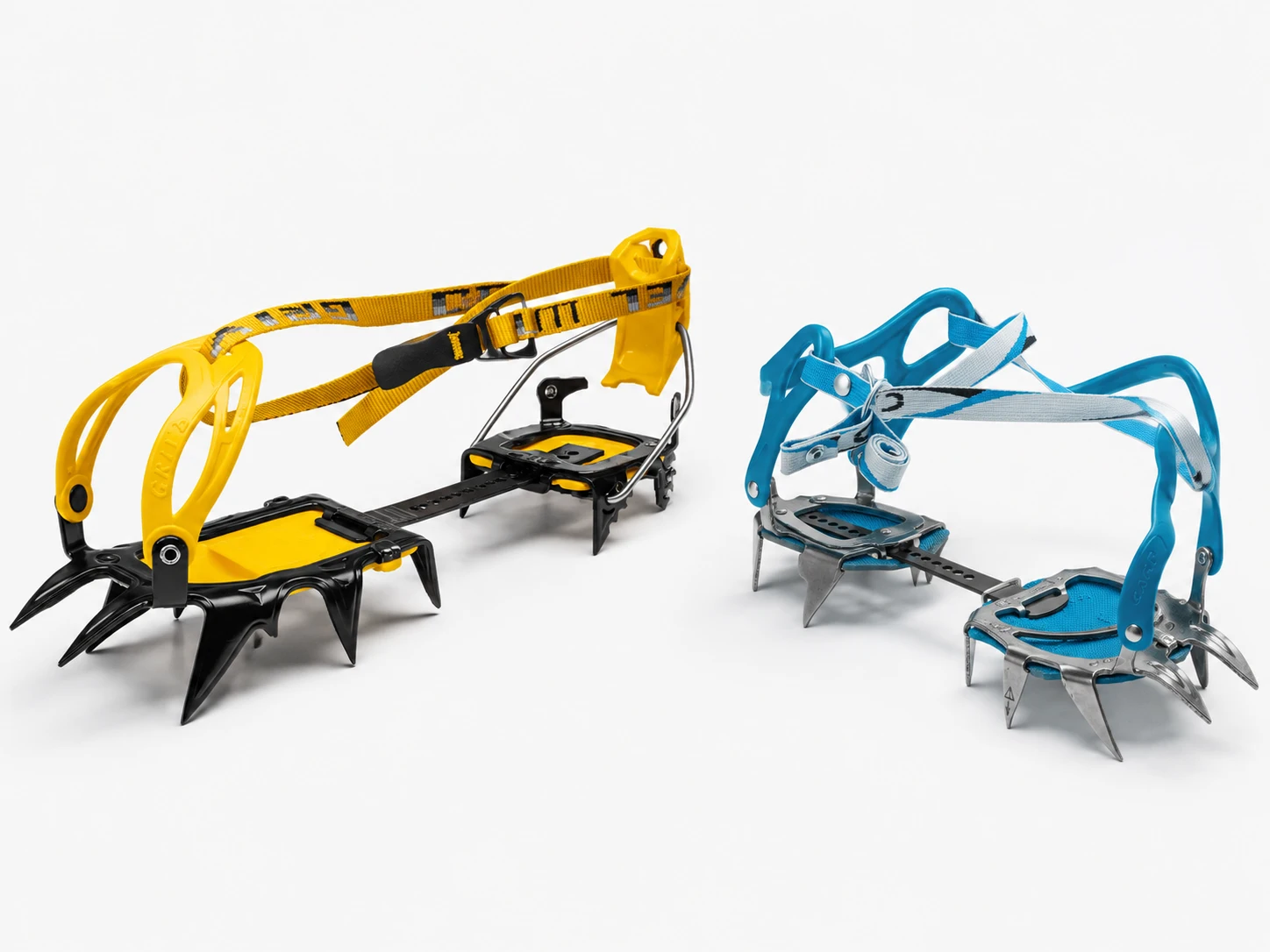
- Crampons.
- Ice axe.
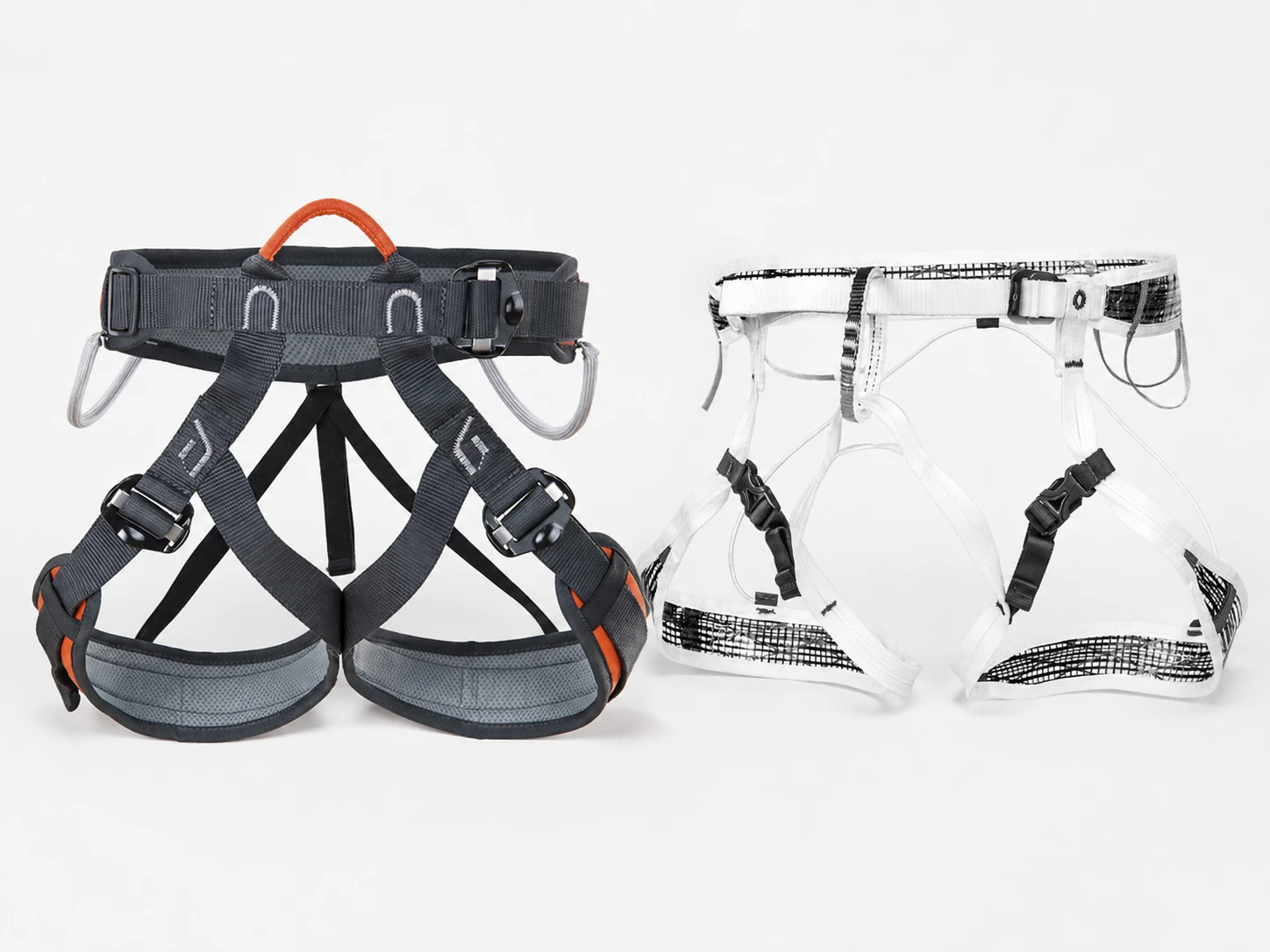
- Climbing harness.
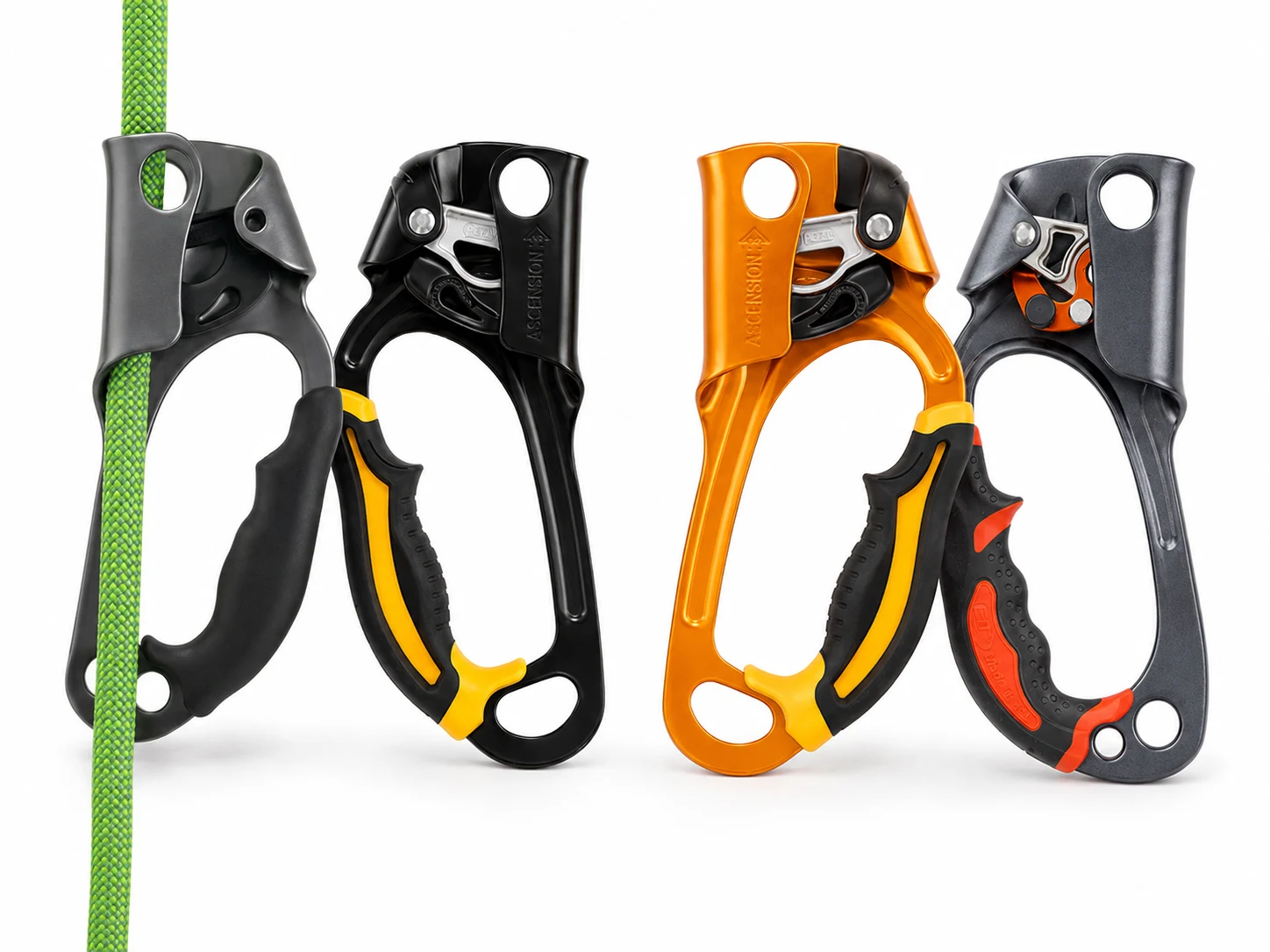
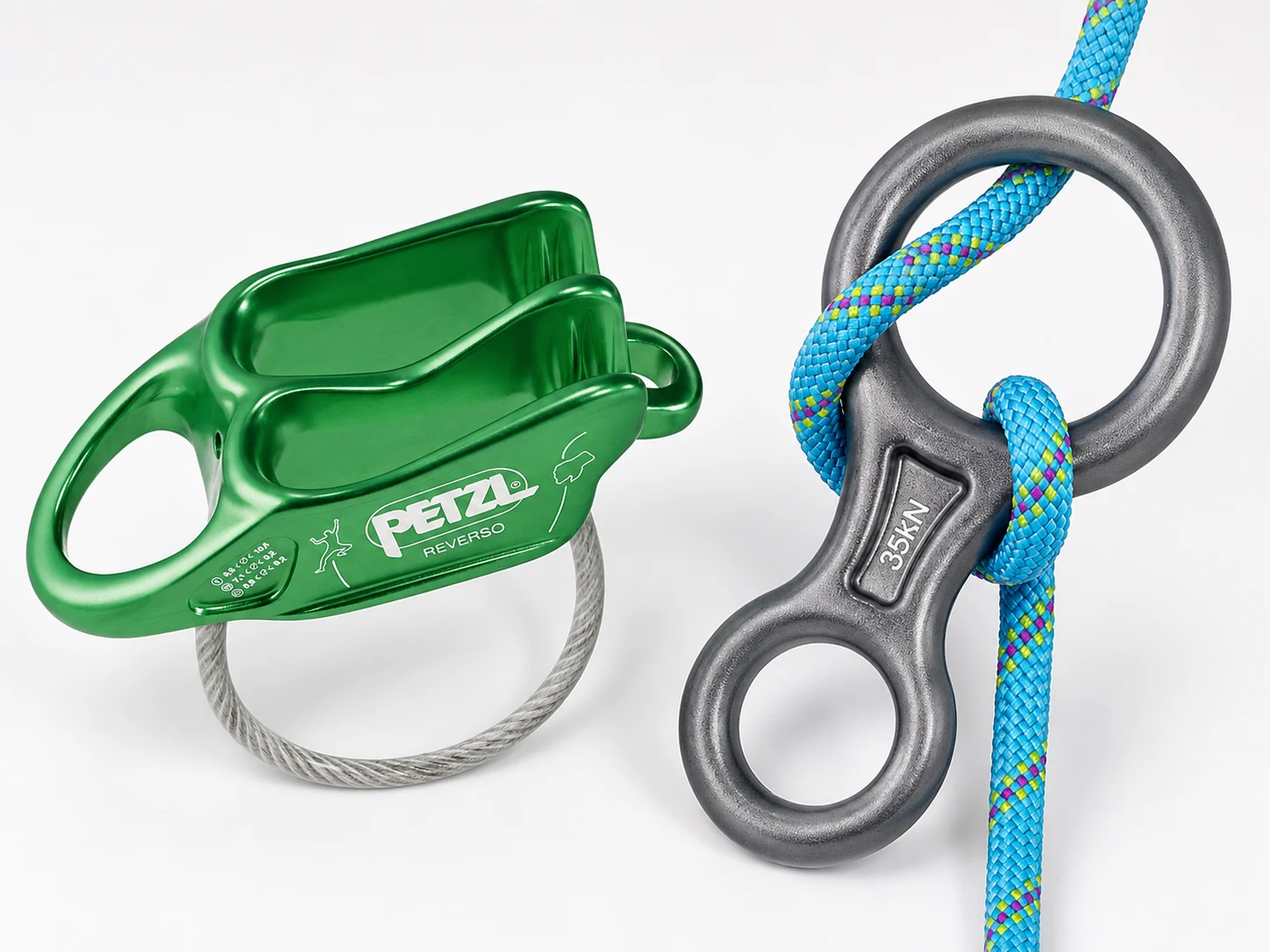
- Ascender and descender devices.
- Carabiners.
- Helmet.
- Climbing gloves.
- Goggles and sunglasses.
Personal Equipment
- Sleeping bag suitable for extreme cold.
- Headlamp with spare batteries.
- Water bottles/hydration system.
- Backpack and duffel bag.
- Personal first-aid kit.
- Sunscreen and lip protection.
- Personal medicines.
A complete equipment checklist will be provided before departure.
Safety Measures
Safety is the highest priority throughout the Mt. Lhotse Expedition. Our experienced expedition team follows strict safety procedures to reduce risks and ensure responsible climbing practices.
Safety arrangements include:
- Experienced climbing Sherpas and expedition leaders.
- Proper acclimatisation schedule.
- Regular health monitoring.
- Fixed rope support on technical sections.
- Weather monitoring before summit attempts.
- Emergency communication support.
- Responsible decision-making regarding climbing conditions.
Climbers’ health and safety always remain more important than reaching the summit.
Frequently Asked Questions (FAQ)
1. How difficult is the Mt. Lhotse Expedition?
Mt. Lhotse is an extremely challenging 8,000m expedition requiring advanced climbing skills, excellent fitness and previous high-altitude experience.
2. What experience is required for Lhotse climbing?
Previous experience on high-altitude peaks, preferably 6,000m–7,000m mountains or above, is strongly recommended.
3. What is the best season for climbing Mt. Lhotse?
The main climbing season is spring (April–May), when weather and route conditions are generally more favourable.
4. How long does the Lhotse Expedition take?
The complete expedition duration is approximately 60 days, including arrival, preparation, trekking, acclimatisation, climbing and return.
5. Is supplemental oxygen used during the expedition?
Supplemental oxygen may be used during the summit phase depending on the climbing strategy, individual requirements and safety considerations.
6. What happens if the weather prevents the summit attempt?
Summit attempts depend on weather conditions. The expedition schedule includes flexibility to allow the best possible summit opportunity.
7. Do I need previous trekking experience?
Yes. Strong trekking experience and familiarity with high-altitude environments are highly recommended.
8. Is emergency evacuation available?
Yes. Emergency evacuation arrangements, including helicopter rescue coordination, are available according to insurance coverage and mountain conditions.
9. What makes Mt. Lhotse different from other 8,000m peaks?
Lhotse is famous for its steep climbing sections, technical challenges and close proximity to Mt. Everest, making it one of the most respected Himalayan objectives.
10. Why choose Himalayan Sherpa Exodus Team Treks & Expeditions Pvt. Ltd.?
Our team combines experienced Himalayan Sherpas, professional expedition management, local knowledge and safety-focused services to provide a well-organised and responsible Mt. Lhotse climbing experience.

 8516M
 Moderate Climb PD++