Mt. Annapurna I Expedition
Mt. Annapurna I Expedition Overview
Rising to an extraordinary elevation of 8,091 metres (26,545 feet), Mt. Annapurna I is the world’s tenth-highest mountain and one of the most respected objectives in Himalayan mountaineering. Located in the Annapurna Massif of north-central Nepal, the mountain commands a magnificent position above the deep valley of the Kali Gandaki River, with the Dhaulagiri Massif standing to its west.
The name Annapurna originates from Sanskrit and is closely associated with nourishment, abundance and the Goddess of the Harvest. Yet, beyond the cultural grace of its name, Annapurna I presents a powerful and uncompromising climbing environment. Its steep snow and ice slopes, complex glacial terrain, changing weather and significant avalanche exposure demand sound judgement, advanced technical ability and disciplined teamwork.
Annapurna I holds a distinguished place in mountaineering history. On 3 June 1950, French climbers Maurice Herzog and Louis Lachenal reached its summit, completing the first successful ascent of an 8,000-metre mountain. Their achievement marked the beginning of a new era in Himalayan exploration and established Annapurna I as one of the most historically significant summits in the world.
The 41 Days Mt. Annapurna I Expedition with Himalayan Sherpa Exodus Team Treks & Expeditions Pvt. Ltd. is designed for skilled and experienced mountaineers seeking a serious high-altitude challenge. The program combines careful preparation, progressive acclimatization, planned climbing rotations and a dedicated summit period. Every stage is approached with patience, flexibility and respect for the conditions of the mountain.
The journey begins in Kathmandu, where participants attend the official expedition briefing, organize climbing equipment and complete the necessary preparations. The team then travels to Pokhara and continues by road to Dana. Subject to suitable weather and operating conditions, a helicopter flight carries the group from Dana to Annapurna I Base Camp at approximately 4,190 metres.
Base Camp becomes the centre of expedition life for the following weeks. From here, climbers undertake acclimatization and load-carrying rotations towards Camp I and Camp II. These rotations allow the body to adjust gradually to the increasing altitude while giving the team valuable familiarity with the route, terrain, equipment and climbing systems.
After completing the planned rotations and returning to Base Camp for recovery, the expedition enters its summit phase. Depending on route and seasonal conditions, the climbing line may involve approximately four high camps: Camp I at around 5,150 metres, Camp II at 5,700 metres, Camp III at 6,500 metres and Camp IV at approximately 7,400 metres. From the highest camp, the team prepares for the final ascent through the extreme high-altitude environment above 8,000 metres.
Summit day represents the defining stage of the expedition. Progress is determined not only by strength and technical ability, but also by weather, snow stability, route conditions, individual health and the collective judgement of the expedition leadership. Reaching the summit is never guaranteed; responsible decisions and the safe return of every team member remain the central priorities throughout the climb.
Beyond the physical challenge, the Annapurna I Expedition offers an intense encounter with the scale and beauty of the Nepal Himalaya. From the forests and river valleys of western Nepal to the vast glaciers and elevated camps of the Annapurna Massif, the journey reveals a constantly changing mountain landscape. For those with the required experience, preparation and commitment, Annapurna I offers far more than a summit—it offers a profound test of endurance, character, trust and respect for the mountains.
With organized logistics, dedicated base-camp management and high-altitude support, Himalayan Sherpa Exodus Team Treks & Expeditions Pvt. Ltd. aims to provide a professionally coordinated expedition while maintaining a flexible, safety-conscious and environmentally responsible approach.
Mt. Annapurna I Expedition Highlights
Mt. Annapurna I Expedition Highlights
- Attempt the summit of Mt. Annapurna I at 8,091 metres, the tenth-highest mountain in the world.
- Take part in a historic Himalayan objective—the first 8,000-metre mountain ever successfully climbed.
- Experience one of Nepal’s most demanding and internationally respected high-altitude expeditions.
- Receive an expedition briefing and complete final equipment and documentation preparations in Kathmandu.
- Enjoy a scenic flight from Kathmandu to Pokhara, Nepal’s celebrated Himalayan gateway.
- Travel through the Kali Gandaki region from Pokhara to Dana.
- Take a spectacular group helicopter flight from Dana to Annapurna I Base Camp, subject to weather and operating conditions.
- Spend an extended period at approximately 4,190 metres for acclimatization, preparation and recovery.
- Complete planned climbing rotations between Base Camp, Camp I and Camp II.
- Become familiar with the mountain’s glacial terrain, fixed-line systems and high-altitude camp routine.
- Establish and use approximately four high camps during the climbing phase, depending on route conditions.
- Benefit from a dedicated summit window that allows flexibility for weather, route safety and individual readiness.
- Experience full-board expedition camping during the acclimatization and climbing periods.
- Receive organized base-camp services and high-altitude logistical support from the Himalayan Sherpa Exodus team.
- Witness dramatic Himalayan scenery across the Annapurna, Dhaulagiri and surrounding mountain ranges.
- Return from Base Camp to Dana by group helicopter following the climbing period.
- Enjoy a recovery and leisure day in Kathmandu before international departure.
- Participate in an expedition guided by the principles of teamwork, responsible decision-making and respect for the mountain environment.
Day 01 :
Arrival in Kathmandu (1,400m)
Altitude: 1,400m / 4,593ft
Walking Distance: Approximately 1–2 km (airport transfer only)
Walking Duration: Not applicable
Upon your arrival at Tribhuvan International Airport, Kathmandu, you will be warmly welcomed by the representative of Himalayan Sherpa Exodus Team Treks & Expeditions Pvt. Ltd. and transferred to your hotel.
The rest of the day is reserved for rest and recovery after your international journey. You may explore the nearby surroundings of Kathmandu or simply relax at the hotel while preparing mentally for the upcoming Himalayan adventure.
Accommodation: Hotel
Meals: Welcome dinner
Day 02 :
Expedition Briefing, Equipment Check & Preparation in Kathmandu
Altitude: 1,400m / 4,593ft
Walking Distance: Optional city walking
Walking Duration: Approximately 2–3 hours (optional)
Today is dedicated to expedition preparation. Our climbing team will conduct a detailed briefing covering the climbing plan, safety procedures, route information, weather considerations and expedition regulations.
Your climbing equipment will be carefully checked to ensure all essential gear is prepared for the extreme conditions of Annapurna I. Any remaining personal arrangements, permits and official documentation will also be completed.
This preparation day allows the team members, Sherpa guides and expedition leaders to establish effective communication and teamwork before entering the mountain environment.
Accommodation: Hotel
Meals: Breakfast, Lunch & Dinner
Day 03 :
Flight from Kathmandu to Pokhara (822m) & Hotel Transfer
Altitude:
- Kathmandu: 1,400m
- Pokhara: 822m / 2,696ft
Flight Duration: Approximately 25–30 minutes
Walking Distance: Approximately 1–2 km (airport transfer)
Walking Duration: Not applicable
After breakfast, the team takes a scenic flight from Kathmandu to Pokhara, one of Nepal’s most beautiful lakeside cities and the gateway to the Annapurna region.
During the short but spectacular flight, you may enjoy magnificent views of the Himalayan range, including several major peaks of central Nepal.
Upon arrival in Pokhara, the team transfers to the hotel. The remaining time can be used for final preparation, equipment organization and enjoying views of the Annapurna and Machhapuchhre mountain ranges.
Accommodation: Hotel
Meals: Breakfast, Lunch & Dinner
Day 04 :
Drive from Pokhara to Dana (1,440m)
Altitude:
- Pokhara: 822m
- Dana: 1,440m / 4,724ft
Driving Distance: Approximately 120–130 km
Driving Duration: 6–8 hours (depending on road conditions)
Today, we begin our journey towards the Annapurna I Base Camp area. The drive follows beautiful mountain roads through the landscapes of western Nepal, passing traditional villages, terraced farmland, rivers and green hills.
Dana is a small settlement located in the Myagdi region and serves as the starting point for the helicopter transfer to Annapurna I Base Camp. The evening is spent preparing for the next stage of the expedition.
Accommodation: Lodge
Meals: Breakfast, Lunch & Dinner
Day 05 :
Helicopter Flight from Dana to Annapurna I Base Camp (4,190m)
Altitude Gain:
Dana: 1,440m
Annapurna I Base Camp: 4,190m / 13,747ft
Helicopter Duration: Approximately 20–30 minutes (weather dependent)
Walking Distance: No trekking distance
After an early morning preparation, the team takes a helicopter flight from Dana to Annapurna I Base Camp.
The flight provides breathtaking aerial views of the Annapurna Massif, glaciers, high mountain valleys and dramatic Himalayan landscapes.
Upon reaching Base Camp, the expedition team settles into camp, organizes equipment and begins adapting to the high-altitude environment. The Sherpa support team will prepare the necessary camp facilities while climbers focus on rest and acclimatization.
Accommodation: Expedition Tent
Meals: Breakfast, Lunch & Dinner
Day 06 - 29 :
Acclimatization & Rotation Period
Annapurna I Base Camp – Camp I – Camp II – Base Camp
Base Camp: 4,190m / 13,747ft
Camp I: Approximately 5,150m / 16,896ft
Camp II: Approximately 5,700m / 18,700ft
Walking Distance & Duration:
(Subject to route conditions, weather and climbing strategy)
Base Camp to Camp I
Distance: Approximately 4–6 km
Duration: Approximately 5–7 hours
The first rotation begins with climbing from Base Camp towards Camp I. The route involves glacier travel, fixed rope sections and technical terrain requiring careful movement and proper acclimatization.
After reaching Camp I, climbers spend time improving altitude adaptation before returning to Base Camp for recovery.
Camp I to Camp II
Distance: Approximately 3–5 km
Duration: Approximately 4–6 hours
The second stage of rotation continues towards Camp II through steeper and more technical sections. Climbers practice efficient movement techniques, rope systems and high-altitude climbing procedures.
After completing the planned activities at Camp II, the team returns to Base Camp to rest and prepare for the next stage.
Rotation Purpose
The rotation period is one of the most important phases of the Annapurna I Expedition. These climbs allow the body to gradually adjust to extreme altitude while helping the expedition team establish familiarity with the route, camps, equipment and mountain conditions.
During this period, the Sherpa climbing team will continue route preparation, equipment transportation and camp support activities.
The schedule remains flexible because Himalayan conditions can change quickly. Rest days, additional acclimatization rotations or adjustments may be added according to weather, snow conditions and climber readiness.
Accommodation: Expedition Tent
Meals: Full Board
Note:
All walking distances and climbing durations are approximate. On an 8,000m expedition such as Annapurna I, actual movement depends on weather, snow conditions, route fixing, avalanche risk, team health and the decisions of the expedition leadership.
Day 30 - 37 :
Summit Climbing Period
Annapurna I Base Camp (4,190m) – Annapurna I Summit (8,091m) – Base Camp
Starting Point: Annapurna I Base Camp – 4,190m / 13,747ft
Summit Elevation: Annapurna I – 8,091m / 26,545ft
Highest Point: 8,091m
Duration: Approximately 8 days (weather and mountain conditions dependent)
After completing the necessary acclimatization rotations and ensuring the team is physically prepared, the expedition enters the most important phase—the summit climbing period.
The team leaves Annapurna I Base Camp and begins the final ascent through the established high camps. The climbing schedule is carefully planned according to weather forecasts, snow conditions, route safety and the overall condition of each climber.
The summit strategy generally involves moving through the higher camps:
Base Camp (4,190m) → Camp I (5,150m) → Camp II (5,700m) → Camp III (6,500m) → Camp IV (7,400m) → Summit (8,091m)
Each section requires careful movement, proper pacing and strong teamwork. Climbers will encounter challenging high-altitude terrain, including steep snow slopes, glaciers, fixed ropes and the extreme environment above 8,000 metres.
The summit day is the ultimate objective of the expedition. Departing from the highest camp, climbers make their final push towards the summit of Annapurna I. From the top, successful climbers are rewarded with spectacular panoramic views of the Annapurna, Dhaulagiri and surrounding Himalayan ranges.
After spending a limited time at the summit, the team begins a careful descent back through the higher camps to Annapurna I Base Camp. The descent is equally important, and maintaining safety, energy management and communication remains the priority.
The summit attempt is not guaranteed, as mountain conditions can change rapidly. The expedition leader will make responsible decisions based on weather, route conditions, avalanche risk and team safety.
Accommodation: Expedition Tent
Meals: Full Board
Day 38 :
Helicopter Flight from Annapurna I Base Camp (4,190m) to Dana (1,440m)
Altitude:
- Annapurna I Base Camp: 4,190m / 13,747ft
- Dana: 1,440m / 4,724ft
Helicopter Duration: Approximately 20–30 minutes (weather dependent)
Walking Distance: No trekking distance
Following the completion of the climbing phase, the team prepares for the return journey. A group helicopter flight will transfer climbers from Annapurna I Base Camp back to Dana.
This scenic flight provides a final opportunity to appreciate the spectacular Himalayan landscape from above, including glaciers, deep valleys and the magnificent Annapurna region.
Upon arrival at Dana, the team settles into the lodge and enjoys a well-deserved rest after the demanding high-altitude expedition.
Accommodation: Lodge
Meals: Breakfast, Lunch & Dinner
Day 39 :
Drive from Dana to Pokhara & Flight to Kathmandu
Altitude:
- Dana: 1,440m
- Pokhara: 822m
- Kathmandu: 1,400m
Driving Distance: Approximately 120–130 km
Driving Duration: 6–8 hours (depending on road conditions)
Flight Duration: Approximately 25–30 minutes
After breakfast, the team begins the drive from Dana to Pokhara through the beautiful landscapes of western Nepal.
Upon arrival in Pokhara, the team takes a domestic flight back to Kathmandu. After reaching Kathmandu, you will be transferred to your hotel.
The evening provides an opportunity to relax, recover and enjoy the comfort of city facilities after completing a challenging Himalayan expedition.
Accommodation: Hotel
Meals: Breakfast & Lunch
Day 40 :
Leisure Day in Kathmandu
Altitude: 1,400m / 4,593ft
Walking Distance: Optional sightseeing
Walking Duration: Flexible
Today is reserved as a leisure and recovery day in Kathmandu.
You may explore the cultural heritage sites, traditional markets and historic streets of the Kathmandu Valley, or simply relax at the hotel.
This additional day also provides valuable flexibility in case of weather-related delays during the expedition return process.
Accommodation: Hotel
Meals: Breakfast
Day 41 :
Final Departure from Kathmandu
Altitude: 1,400m / 4,593ft
Transfer Duration: Approximately 30–45 minutes (depending on traffic)
After breakfast, our representative will transfer you to Tribhuvan International Airport for your final departure.
As you leave Nepal, you carry unforgettable memories of one of the world’s most challenging and remarkable Himalayan adventures—the Mt. Annapurna I Expedition.
Accommodation: Not included
Meals: Breakfast
Important Expedition Note
Mt. Annapurna I is a serious technical expedition involving extreme altitude, avalanche exposure, rapidly changing weather and other objective mountain hazards. The published itinerary, camp locations and climbing schedule are provisional and may be changed by the expedition leadership according to weather forecasts, route conditions, participant health, helicopter operations and government regulations. Summit achievement cannot be guaranteed, and safety will always take priority over the planned schedule.
Expedition Completion
The 41 Days Mt. Annapurna I Expedition concludes with a successful return to Kathmandu. Throughout the journey, Himalayan Sherpa Exodus Team Treks & Expeditions Pvt. Ltd. remains committed to providing professional expedition management, experienced Sherpa support, responsible climbing practices and a safe, memorable Himalayan experience.
The expedition cost includes
- Airport arrival and departure transfers in Kathmandu.
- Hotel accommodation in Kathmandu as mentioned in the itinerary.
- Domestic flights between Kathmandu and Pokhara.
- Accommodation and meals during the expedition period as specified in the program.
- Transportation services between Pokhara, Dana and other required locations.
- Helicopter transportation between Dana and Annapurna I Base Camp (as per the planned itinerary and operational conditions).
- Experienced expedition leadership and professional Sherpa climbing support.
- High-altitude assistance and expedition coordination throughout the climbing period.
- Annapurna I climbing permit and necessary official documentation.
- Base Camp management, including tent accommodation, dining facilities and communication support.
- High-altitude camps arrangement and necessary logistics support.
- Kitchen team, camping staff and support crew during the expedition.
- Full board meals during the climbing and acclimatization period.
- Necessary group climbing equipment and expedition logistics as provided by the company.
- Emergency coordination and basic expedition safety support.
- Government taxes and official service charges related to the expedition.
The expedition cost excludes
- International airfare to and from Nepal.
- Nepal entry visa fees.
- Personal travel insurance covering high-altitude climbing, rescue and emergency evacuation.
- Personal climbing equipment and clothing.
- Personal expenses such as laundry, internet, phone calls and beverages.
- Extra hotel nights in Kathmandu due to early arrival, delayed departure or unexpected changes.
- Helicopter rescue or emergency evacuation costs beyond the included program.
- Medical expenses and personal medication.
- Tips and gratitude payments for expedition staff and support team.
- Any additional services not specifically mentioned under the cost inclusion section.
Best Time for Mt. Annapurna I Expedition
The most suitable period for climbing Mt. Annapurna I is generally during the spring climbing season (March to May) when Himalayan conditions become more favorable for high-altitude expeditions.
During this season, climbers benefit from comparatively stable weather patterns, longer daylight hours and improved climbing conditions. The spring period also allows sufficient time for acclimatization, route preparation and summit attempts.
However, Annapurna I remains one of the world’s most challenging mountains, and conditions can change rapidly at any time. The final climbing schedule is always determined by weather forecasts, route conditions and the professional judgement of the expedition leadership.
Expedition Difficulty
Difficulty Level: Extreme / Technical 8,000m Expedition
Mt. Annapurna I is considered one of the most demanding mountains in the world due to its high altitude, technical terrain and unpredictable Himalayan environment.
This expedition requires:
- Previous experience on high-altitude peaks.
- Strong physical fitness and excellent endurance.
- Advanced mountaineering skills.
- Experience using crampons, ice axe, fixed ropes and other climbing equipment.
- Ability to live and work in extreme cold and limited-oxygen environments.
- Strong mental preparation, patience and teamwork.
The expedition involves glacier travel, steep snow and ice sections, high-altitude camps and climbing above 8,000 metres, where conditions become extremely demanding.
A successful expedition requires not only physical strength but also careful decision-making, respect for the mountain and cooperation between climbers and the support team.
Acclimatization & Altitude Sickness
Proper acclimatization is one of the most important elements of a successful Annapurna I expedition.
As the team moves from lower elevations to extreme altitude, the body requires sufficient time to adjust to decreasing oxygen levels. The expedition itinerary includes dedicated acclimatization rotations between Base Camp and higher camps to improve altitude adaptation.
Possible altitude-related challenges include:
- Headache and fatigue.
- Loss of appetite.
- Difficulty sleeping.
- Shortness of breath.
- Acute Mountain Sickness (AMS).
- More serious altitude-related conditions at extreme elevations.
Our expedition team follows careful altitude management practices, including gradual ascent, rest periods, health monitoring and responsible climbing decisions.
Every climber’s safety remains the highest priority, and the expedition schedule may be adjusted according to individual health, weather and mountain conditions.
Himalayan Culture & Mountain Heritage
The Annapurna region is not only famous for its spectacular mountains but also for its rich cultural traditions and Himalayan communities.
During the journey, climbers experience the unique lifestyle of western Nepal, where ancient traditions, Buddhist influences and mountain hospitality have existed for generations.
The region reflects a beautiful connection between people and nature, with traditional villages, local communities and sacred Himalayan landscapes surrounding the Annapurna Massif.
The expedition also provides an opportunity to understand the deep respect Himalayan people hold for the mountains, which are considered sacred sources of life, strength and spiritual connection.
Preparation Guide
A successful Annapurna I Expedition requires careful preparation months before arrival in Nepal.
Physical Preparation
Climbers should develop:
- Strong cardiovascular endurance.
- Long-distance trekking ability.
- Leg and core strength.
- Ability to carry a backpack for extended periods.
- Training for long hours of climbing in challenging environments.
Recommended preparation may include:
- Hiking with elevation gain.
- Strength training.
- Aerobic exercises.
- Stair climbing.
- Endurance-focused outdoor activities.
Technical Preparation
Participants should have experience with:
- Ice axe and crampon techniques.
- Fixed rope climbing systems.
- Glacier travel procedures.
- High-altitude climbing practices.
- Winter and extreme-weather mountaineering.
Personal Equipment Preparation
Essential equipment includes:
- High-altitude climbing boots.
- Down suit and insulated clothing.
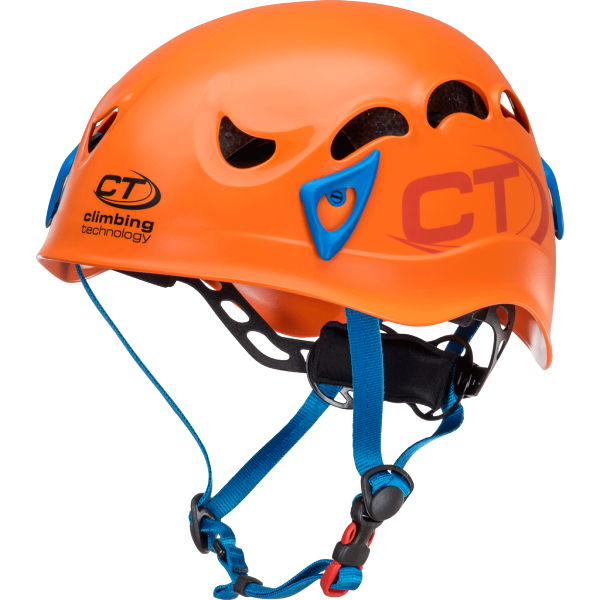
- Mountaineering helmet.
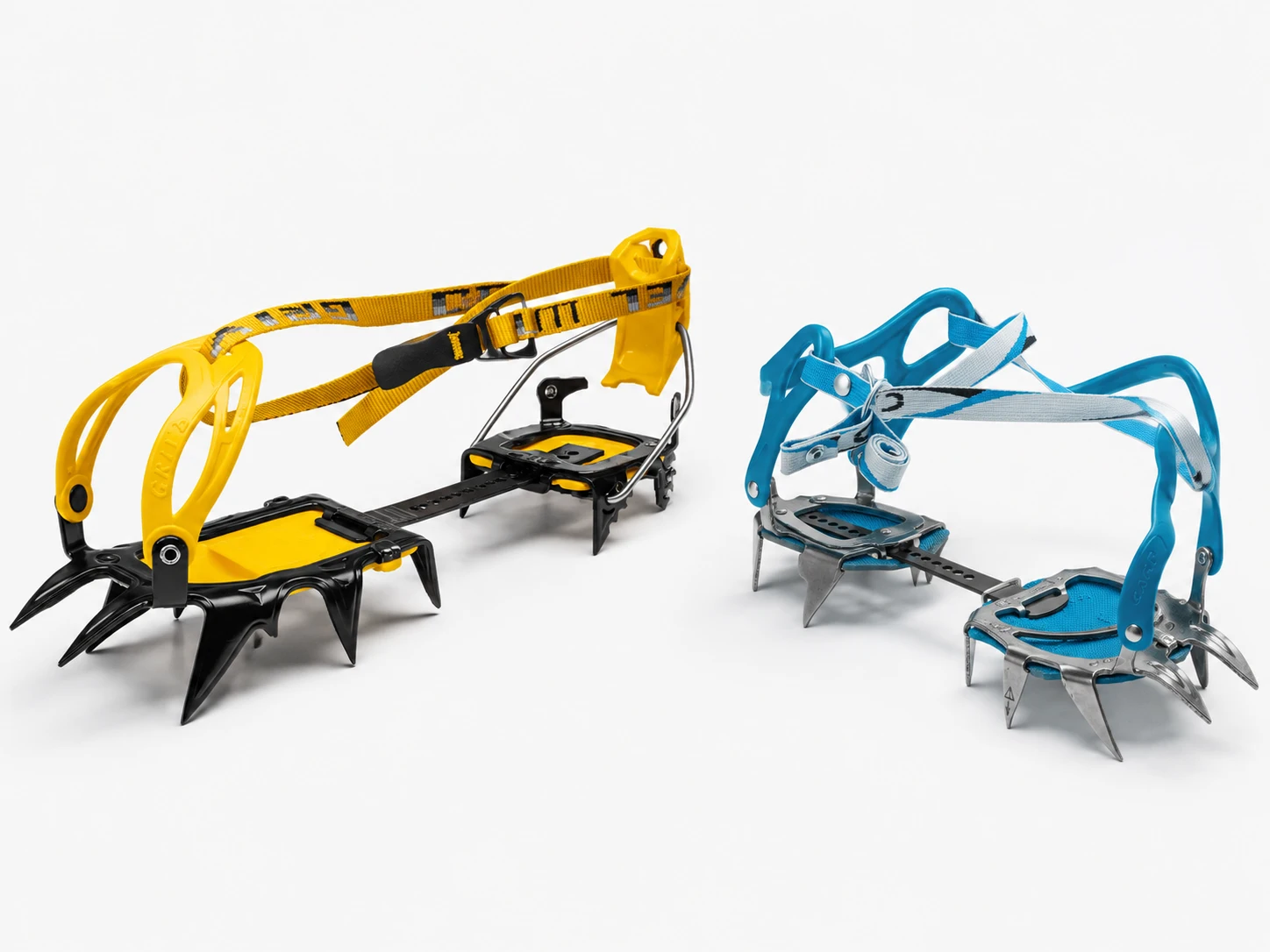
- Crampons and ice axe.
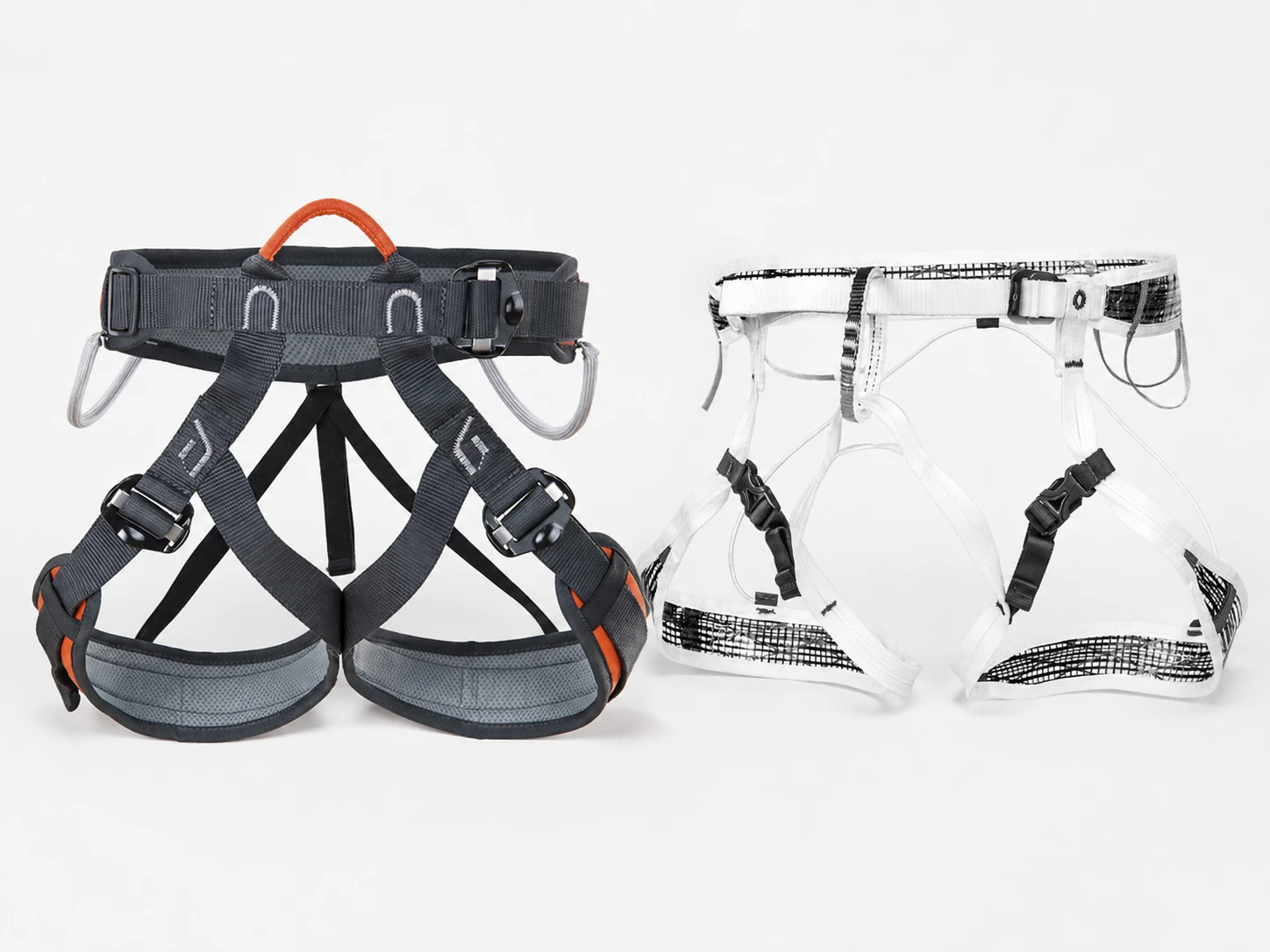
- Harness and climbing accessories.
- High-quality gloves and head protection.
- Personal medical supplies.
- Suitable expedition backpack and sleeping equipment.
Mental Preparation
An 8,000m expedition requires patience, discipline and a positive mindset. Climbers should be prepared for changing weather, long waiting periods, physical challenges and unexpected mountain conditions.
With proper preparation, experienced guidance and responsible teamwork, the Mt. Annapurna I Expedition becomes a remarkable journey through one of the world’s greatest Himalayan landscapes.
Himalayan Sherpa Exodus Team Treks & Expeditions Pvt. Ltd. is committed to providing professional expedition management, experienced Sherpa support and a safe, responsible approach to high-altitude Himalayan adventures.
Weather & Climate
Mt. Annapurna I is located in one of the most demanding environments of the Himalaya, where weather conditions can change rapidly within a short period of time. Temperature, wind, snowfall and visibility can greatly influence the climbing schedule.
The spring climbing season (March to May) is considered the most suitable period for Annapurna I expeditions. During this time, climbers generally experience longer daylight hours, comparatively stable weather patterns and better opportunities for route preparation and summit attempts.
At lower elevations, the climate is generally pleasant with moderate temperatures. As the expedition moves higher, conditions become increasingly colder and more extreme. Above 8,000 metres, climbers enter the “death zone,” where low oxygen levels, freezing temperatures and strong winds create highly challenging conditions.
The expedition itinerary remains flexible because safety decisions depend on real-time weather forecasts, mountain conditions and the professional judgement of the expedition leadership.
Accommodation
Accommodation arrangements during the Annapurna I Expedition are designed to provide comfort, safety and practical support throughout the journey.
In Kathmandu and Pokhara, climbers stay in comfortable hotels with modern facilities. During the approach journey, accommodation is provided in selected mountain lodges where available.
At Annapurna I Base Camp and during the climbing period, accommodation is provided in expedition tents. The base camp is organized with essential facilities including sleeping tents, dining arrangements, kitchen support and a team communication system.
At higher camps, climbers stay in high-altitude tents designed for extreme Himalayan conditions. Accommodation above Base Camp is basic and focused on safety, efficiency and successful mountain operations.
Meals During the Expedition
Proper nutrition plays an important role in maintaining energy and strength during an 8,000m expedition.
Throughout the expedition, our kitchen team prepares hygienic and nutritious meals suitable for high-altitude conditions. Meals are planned to provide sufficient calories, carbohydrates and protein required for long climbing days.
During the trek and base camp period, meals generally include:
- Rice, pasta, noodles and other energy-rich foods.
- Vegetables and seasonal ingredients.
- Soups and warm beverages.
- Eggs, meat or alternative protein sources.
- Traditional Nepali meals when possible.
- Snacks and high-energy foods for climbing periods.
At higher camps, meal options are more limited due to altitude and environmental challenges, but the team ensures climbers receive suitable nutrition and hydration support.
Drinking Water
Safe drinking water management is an important part of the expedition.
During the journey, drinking water is provided through reliable local sources, boiled water services and appropriate purification methods.
At Base Camp and higher camps, water is prepared by melting snow and treating it through boiling and purification systems to ensure safe consumption.
Climbers are strongly encouraged to maintain regular hydration throughout the expedition, as dehydration can increase the effects of altitude and physical fatigue.
Personal hydration bottles and a thermos flask are recommended for maintaining warm drinking water during colder conditions.
Internet & Charging Facilities
Communication facilities are available during different stages of the expedition, although services become limited as altitude increases.
In Kathmandu and Pokhara, hotels provide reliable internet and charging facilities.
During the approach journey and at lower mountain lodges, Wi-Fi and charging services may be available with additional charges.
At Annapurna I Base Camp, communication arrangements depend on expedition facilities and available technology. Charging opportunities are limited, so climbers should bring:
- Power banks.
- Solar charging equipment (recommended).
- Extra batteries for electronic devices.
Due to the remote and extreme environment, climbers should be prepared for limited connectivity during the high-altitude climbing period.
Travel Insurance
Travel insurance is a mandatory requirement for the Mt. Annapurna I Expedition.
All participants must have comprehensive insurance that covers:
- High-altitude mountaineering activities.
- Emergency helicopter rescue.
- Medical evacuation.
- Accident and injury coverage.
- Trip cancellation or interruption.
Because Annapurna I is an extreme 8,000m expedition, standard trekking insurance is not sufficient. Climbers should carefully confirm that their policy specifically includes high-altitude climbing above 8,000 metres.
A copy of the insurance certificate must be provided to the expedition company before departure.
Packing List
Preparing the correct equipment is essential for safety and performance during the Annapurna I Expedition.
Personal Climbing Equipment
- High-altitude mountaineering boots.
- Crampons suitable for expedition boots.
- Technical ice axe.
- Mountaineering harness.
- Helmet.
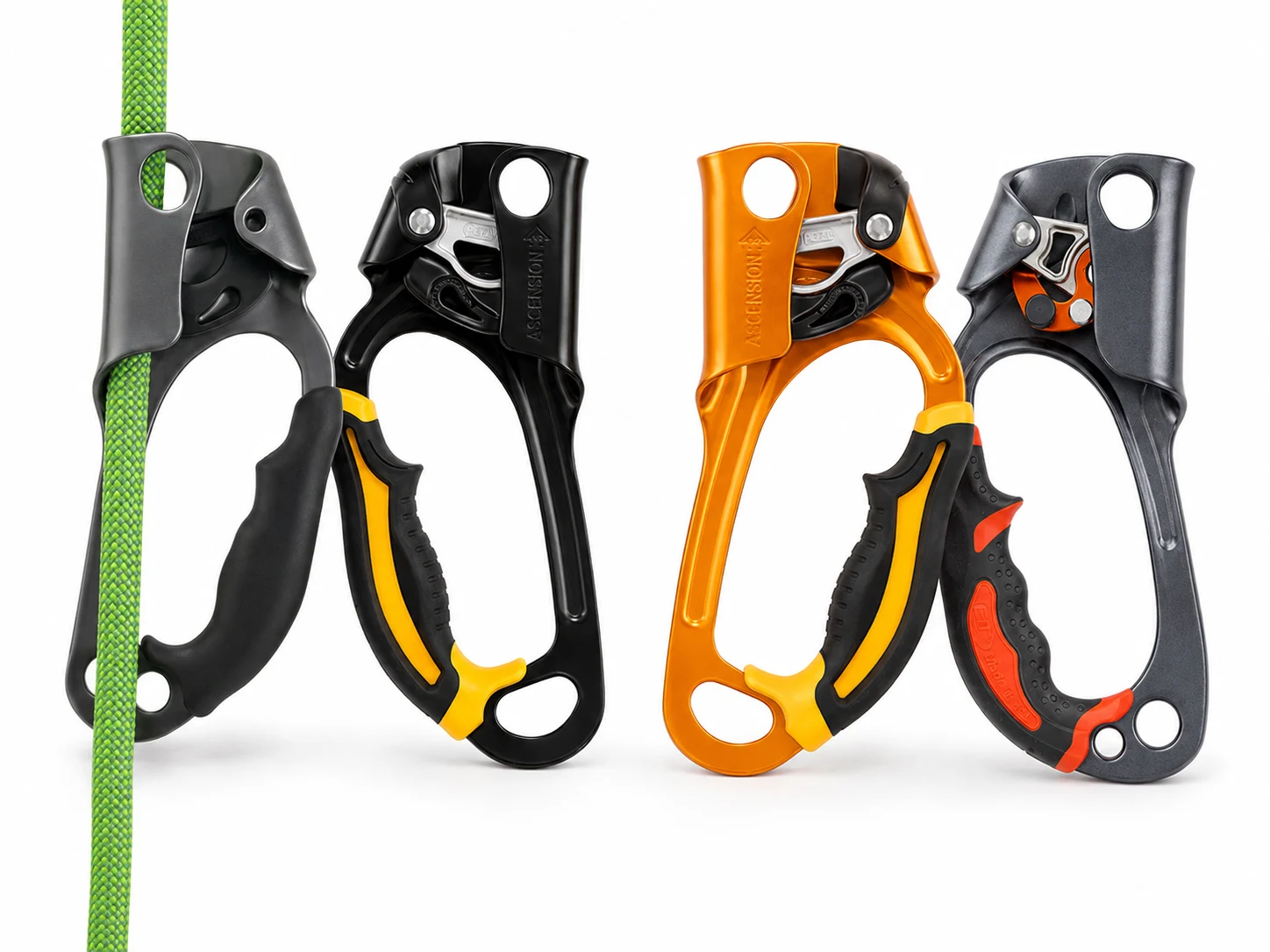
- Ascender and descending device.
- Carabiners and climbing accessories.
- Expedition backpack and duffle bags.
Clothing & Protection
- Down suit for extreme altitude.
- High-quality base layers.
- Insulated jacket and trousers.
- Waterproof outer shell.
- Warm gloves and mittens.
- Expedition-quality socks.
- Balaclava and warm hat.
- Glacier sunglasses and goggles.
Personal Items
- Sleeping bag suitable for extreme cold.
- Headlamp with spare batteries.
- Water bottles and thermos flask.
- Personal medication.
- Sunscreen and lip protection.
- Personal hygiene items.
- Camera and electronic accessories.
A detailed equipment checklist will be provided by Himalayan Sherpa Exodus Team before the expedition.
Safety Measures
Safety is the highest priority throughout the Mt. Annapurna I Expedition.
Our expedition approach focuses on careful planning, experienced leadership and responsible decision-making.
Safety measures include:
- Experienced expedition leaders and high-altitude Sherpa support.
- Proper acclimatization schedule.
- Regular health monitoring of climbers.
- Careful weather and route assessment.
- Fixed rope and climbing system management.
- Professional base camp organization.
- Emergency communication support.
- Flexible decision-making according to mountain conditions.
Annapurna I demands respect and patience. Summit success is important, but returning safely is always the primary objective.
Frequently Asked Questions (FAQ)
1. How difficult is the Mt. Annapurna I Expedition?
Mt. Annapurna I is considered one of the most challenging 8,000m peaks in the world. It requires advanced mountaineering skills, previous high-altitude experience, excellent physical fitness and strong mental preparation.
2. What experience is required for Annapurna I?
Participants should have experience on high-altitude peaks and be comfortable with technical climbing techniques, including glacier travel, fixed ropes and extreme cold conditions.
3. What is the best season for climbing Annapurna I?
The spring season, generally from March to May, is considered the preferred period for Annapurna I expeditions because of better climbing opportunities and longer daylight hours.
4. How long does the Annapurna I Expedition take?
The complete expedition duration is approximately 41 days, including arrival, preparation, transportation, acclimatization, climbing rotations, summit attempt and return.
5. Is reaching the Annapurna I summit guaranteed?
No. Summit success depends on many factors including weather, route conditions, snow stability, personal health and overall expedition safety decisions.
6. What happens if the weather becomes unsafe?
The expedition schedule can be adjusted according to conditions. The expedition leader may delay, modify or cancel climbing activities if safety risks become unacceptable.
7. Do I need my own climbing equipment?
Yes. Personal climbing equipment and clothing should be prepared by each climber. The expedition company will provide guidance regarding the required gear list.
8. How does Himalayan Sherpa Exodus support climbers?
Himalayan Sherpa Exodus Team Treks & Expeditions Pvt. Ltd. provides professional expedition coordination, experienced Sherpa support, logistics management, base camp services and safety-focused expedition planning.
9. Why choose Annapurna I?
Annapurna I represents one of the ultimate challenges in Himalayan mountaineering. Its historical importance, dramatic landscape and demanding climbing environment make it a truly remarkable expedition for experienced climbers.

 8091M
 Moderate Climb PD+++