Overview
Cho Oyu Expedition – Overview
The Cho Oyu Expedition (8,188 m / 26,864 ft) is an extraordinary high-altitude mountaineering adventure to the summit of the world’s sixth-highest mountain. Located on the Nepal–Tibet border in the Mahalangur Himalaya, Cho Oyu offers a demanding expedition through the high Tibetan plateau, glacial landscapes, and extreme alpine terrain.
This carefully designed 32-day expedition itinerary begins in Kathmandu and gradually progresses toward the Tibetan side of the mountain through the Kerung border and Tingri. The schedule allows climbers to adapt progressively to increasing altitude before reaching the Cho Oyu Chinese Base Camp and Advanced Base Camp.
The expedition includes dedicated acclimatization and preparation periods, followed by structured rotations between Advanced Base Camp, Camp I, and Camp II. These rotations are essential for improving altitude adaptation, familiarizing climbers with the route, and preparing for the final summit push. During the climbing period, the team will make its summit attempt on Cho Oyu at 8,188 meters, depending on weather, route conditions, team fitness, and overall mountain safety.
After the summit attempt, the expedition retraces its route back through the Chinese Base Camp, Tingri, and Kerung before returning to Kathmandu. The itinerary is designed to balance climbing progression, acclimatization, rest, logistics, and safety throughout the expedition.
Cho Oyu Expedition Highlights
Highlights
- Summit Cho Oyu at 8,188 m (26,864 ft), the sixth-highest mountain in the world.
- Experience a challenging expedition in the spectacular Tibetan Himalaya.
- Travel across the Nepal–Tibet border through Kerung and into the high Tibetan plateau.
- Gradual altitude progression from Kathmandu to Tingri at approximately 4,300 m.
- Dedicated acclimatization and preparation day in Tingri before entering the higher mountain environment.
- Visit the historic and culturally significant Rongbuk Monastery while traveling toward the Chinese Base Camp.
- Reach Cho Oyu Chinese Base Camp at approximately 5,100 m and spend an additional night for acclimatization and preparation.
- Trek progressively from Chinese Base Camp to the Intermediate Camp at approximately 5,400 m.
- Continue to Cho Oyu Advanced Base Camp at approximately 5,700 m, the main staging point for the summit campaign.
- Undertake structured acclimatization rotations between Advanced Base Camp, Camp I, and Camp II.
- Touch Camp II during the first rotation to gain valuable experience at extreme altitude.
- Complete a second rotation with an overnight stay at Camp II, strengthening acclimatization before the summit attempt.
- Follow a progressive climbing strategy designed to allow the body to adapt to increasingly thin air.
- Make the final summit push from Camp II toward the 8,188 m summit, subject to weather, route conditions, and team safety.
- Experience the dramatic landscape of high-altitude glaciers, snowfields, ice-covered slopes, and rugged Himalayan terrain.
- Benefit from carefully planned rest, acclimatization, climbing, and descent periods throughout the expedition.
- Return safely through the Tibetan plateau, Kerung, and Nepal after completing the climbing program.
- Enjoy a leisure day in Kathmandu after the expedition before final departure.
- A comprehensive 32-day itinerary combining international expedition logistics, acclimatization, technical climbing preparation, summit attempt, and return journey.
- An ideal expedition framework for experienced mountaineers seeking an ambitious 8,000-meter Himalayan challenge.
Day 01 :
Arrival in Kathmandu (1,400 m) – Transfer to Hotel
Upon your arrival in Kathmandu, our expedition representative will meet you at the airport and welcome you to Nepal. You will be transferred to your hotel and assisted with the necessary arrangements for your expedition. The remainder of the day is free for rest and recovery after your international journey. If required, the expedition team will also provide initial information about the upcoming program.
Meals: Not Included
Accommodation: Hotel in Kathmandu
Day 02 :
Rest Day in Kathmandu – Tibet Visa Preparation
Today is reserved for rest, personal preparation, and the necessary arrangements for your Tibet travel documents. Our team will assist with the required procedures for the Tibet visa and other expedition-related formalities. You can use the remaining time to organize your personal climbing equipment and prepare for the journey toward the Tibetan plateau.
Meals: Breakfast
Accommodation: Hotel in Kathmandu
Day 03 :
Tibet Visa Application and Expedition Briefing
After breakfast, the necessary Tibet visa application procedures will be completed according to the expedition schedule. Later, you will attend a detailed expedition briefing covering the overall itinerary, border procedures, transportation, acclimatization strategy, climbing rotations, safety protocols, communication, and logistical arrangements.
This briefing provides an opportunity to review your equipment and clarify any important aspects of the expedition before leaving Kathmandu.
Meals: Breakfast
Accommodation: Hotel in Kathmandu
Day 04 :
Rest and Final Preparation in Kathmandu
Today is another important preparation and recovery day in Kathmandu. You can rest, check your expedition equipment, organize your personal belongings, and complete any final preparations before traveling toward the Nepal–Tibet border. The expedition team will make final logistical arrangements for the road journey and mountain program.
Meals: Breakfast and Dinner
Accommodation: Hotel in Kathmandu
Day 05 :
Drive from Kathmandu to Timure
After breakfast, we begin our overland journey from Kathmandu toward Timure, a settlement near the Nepal–Tibet border. The drive takes you through changing landscapes, from the hills surrounding Kathmandu into the rugged Himalayan foothills. The road gradually becomes more remote as we approach the border region.
Upon arrival in Timure, you will check into a local lodge and have time to rest before crossing into Tibet the following day.
Meals: Breakfast, Lunch and Dinner
Accommodation: Lodge in Timure
Day 06 :
Cross the Nepal–Tibet Border and Drive to Kerung (1,962 m)
Today, we complete the formalities at the Nepal–Tibet border and cross into Tibet. After immigration and border procedures, we continue by vehicle toward Kerung, situated at approximately 1,962 meters.
The journey introduces you to the dramatic Tibetan landscape, with wide valleys, barren hills, and impressive Himalayan surroundings. Once in Kerung, you will settle into the lodge and begin adjusting to the increasing altitude.
Meals: Breakfast, Lunch and Dinner
Accommodation: Lodge in Kerung
Day 07 :
Drive from Kerung to Tingri (4,300 m)
We continue our drive deeper into the Tibetan plateau toward Tingri, situated at approximately 4,300 meters. The journey passes through vast high-altitude landscapes with spectacular views of the surrounding Himalayan ranges.
As the altitude increases significantly, today's journey is an important part of the expedition's acclimatization process. Upon reaching Tingri, we settle into the lodge and focus on hydration, rest, and gradual adaptation to the thinner air.
Meals: Breakfast, Lunch and Dinner
Accommodation: Lodge in Tingri
Day 08 :
Acclimatization and Preparation Day in Tingri (4,300 m)
Today is dedicated to acclimatization and expedition preparation in Tingri. Rather than immediately moving to higher elevations, we allow the body valuable time to adjust to the altitude.
A short acclimatization walk may be arranged around the surrounding area, depending on the team's condition and weather. The expedition team will also review equipment, climbing plans, logistics, and the upcoming journey to Cho Oyu Chinese Base Camp.
This rest and preparation day is an important part of maintaining a safe and sustainable acclimatization schedule.
Meals: Breakfast, Lunch and Dinner
Accommodation: Lodge in Tingri
Day 09 :
Drive to Cho Oyu Chinese Base Camp (5,100 m) via Rongbuk Monastery
After breakfast, we leave Tingri and continue toward Cho Oyu Chinese Base Camp at approximately 5,100 meters. En route, we pass through the spectacular Tibetan highlands and visit or pass by the historic Rongbuk Monastery, depending on local conditions and the expedition schedule.
The landscape becomes increasingly rugged and alpine as we approach the mountain environment. After reaching the Chinese Base Camp, we settle into our expedition camp, organize our equipment, and begin preparing for the higher stages of the climb.
Meals: Breakfast, Lunch and Dinner
Accommodation: Expedition Tent
Day 10 :
Rest and Acclimatization at Cho Oyu Chinese Base Camp (5,100 m)
We spend another night at Cho Oyu Chinese Base Camp to strengthen acclimatization before moving higher. Today is focused on rest, hydration, light activity, and final preparation for the trek toward the Intermediate Camp and Advanced Base Camp.
The expedition team will also review the route, weather conditions, climbing equipment, and upcoming camp movements. Spending sufficient time at this elevation helps the body adapt before entering the more demanding high-altitude environment.
Meals: Breakfast, Lunch and Dinner
Accommodation: Expedition Tent
Day 11 :
Trek from Chinese Base Camp to Intermediate Camp (5,400 m)
Today, we begin trekking toward the higher mountain camps. The route gradually gains elevation as we move from Cho Oyu Chinese Base Camp to the Intermediate Camp at approximately 5,400 meters.
The pace will remain controlled and steady, allowing the team to conserve energy and continue acclimatizing. After reaching the Intermediate Camp, we settle into our tents, take necessary rest, and prepare for the final approach to Advanced Base Camp.
Meals: Breakfast, Lunch and Dinner
Accommodation: Expedition Tent
Day 12 :
Ascent from Intermediate Camp to Advanced Base Camp (5,700 m)
Today marks an important stage of the expedition as we ascend from the Intermediate Camp to Cho Oyu Advanced Base Camp (ABC) at approximately 5,700 meters.
The climb becomes increasingly demanding as the altitude rises and the air becomes considerably thinner. We maintain a slow, measured pace with regular rest breaks to support proper acclimatization.
Upon reaching Advanced Base Camp, the expedition team will establish camp, organize climbing equipment, and prepare for the upcoming acclimatization rotations and summit campaign. This will become the main operational base for the higher climbing stages of the Cho Oyu expedition.
Meals: Breakfast, Lunch and Dinner
Accommodation: Expedition Tent
Day 13 - 20 :
Acclimatization Rotations – Camp I and Camp II
The following days are dedicated to structured acclimatization rotations above Advanced Base Camp. These rotations are a crucial part of the expedition, allowing the body to gradually adapt to extreme altitude while the team becomes familiar with the route and higher camps.
First Rotation: Advanced Base Camp – Camp I – Camp II – Camp I – Advanced Base Camp
The first rotation begins with an ascent from Advanced Base Camp toward Camp I. After reaching Camp I, the team continues higher to touch Camp II, allowing climbers to gain experience at a greater altitude without spending an extended period there. The team then returns to Camp I for an overnight stay before descending back to Advanced Base Camp for rest and recovery.
After adequate recovery, the team undertakes the second acclimatization rotation.
Second Rotation: Advanced Base Camp – Camp I – Camp II – Advanced Base Camp
During the second rotation, we climb from Advanced Base Camp to Camp I and continue toward Camp II. This time, the team spends the night at Camp II, providing valuable exposure to the significantly thinner air and more demanding high-altitude environment.
Following the overnight stay, we descend toward Advanced Base Camp to recover and prepare for the final summit campaign. The exact movement schedule may be adjusted according to weather conditions, route safety, snow conditions, and the physical condition of the expedition members.
Meals: Full Board
Accommodation: High-Altitude Camp / Tents
Day 21 - 26 :
Summit Climbing Period – Cho Oyu Summit (8,188 m)
These days represent the main climbing and summit period of the Cho Oyu expedition. Following sufficient acclimatization and recovery at Advanced Base Camp, the team begins the final ascent toward the summit.
The climbing program generally progresses from Advanced Base Camp to Camp I, followed by an ascent from Camp I to Camp II. After adequate rest and favorable weather conditions, the team begins the summit push from Camp II toward the Cho Oyu summit at 8,188 meters (26,864 ft).
The summit day is physically demanding and requires careful pacing, efficient use of climbing equipment, appropriate hydration, and strict attention to weather and route conditions. The expedition team will make the summit attempt only when conditions are considered sufficiently favorable.
After reaching the summit, climbers descend toward Camp II or, depending on individual strength, weather, route conditions, and the team's overall situation, continue descending toward Advanced Base Camp.
The six-day climbing window provides flexibility to select the safest and most suitable summit opportunity rather than relying on a single fixed summit day. The final climbing schedule may therefore change according to mountain conditions.
Meals: Full Board
Accommodation: High-Altitude Camps / Tents
Day 27 :
Trek from Advanced Base Camp to Chinese Base Camp
After completing the climbing program, we begin our descent from Advanced Base Camp toward Cho Oyu Chinese Base Camp. Descending to a lower elevation provides a welcome opportunity to recover after the demanding summit phase.
Upon reaching Chinese Base Camp, we settle into the lodge/camp, enjoy a warm meal, and rest in preparation for the journey back toward Nepal.
Meals: Breakfast, Lunch and Dinner
Accommodation: Lodge / Camp
Day 28 :
Drive from Chinese Base Camp to Tingri (4,300 m)
After breakfast, we leave the mountain region by vehicle and drive back toward Tingri. The journey offers an opportunity to enjoy the remarkable scenery of the Tibetan plateau while gradually returning to lower elevations.
Upon arrival in Tingri, we check into the lodge and have time to relax and recover following the expedition.
Meals: Breakfast, Lunch and Dinner
Accommodation: Lodge in Tingri
Day 29 :
Drive from Tingri to Kerung Border
Today, we continue our overland journey from Tingri toward the Kerung border area. The drive takes us through the expansive Tibetan landscape and back toward the Nepal–Tibet frontier.
After reaching the Kerung area, we check into the lodge and prepare for the following day's border-crossing procedures and return to Kathmandu.
Meals: Breakfast, Lunch and Dinner
Accommodation: Lodge
Day 30 :
Cross the Nepal–Tibet Border and Drive to Kathmandu
After breakfast, we complete the necessary border and immigration formalities before crossing back into Nepal. From the border area, we continue our drive toward Kathmandu.
The journey marks the final major travel stage of the Cho Oyu expedition. Upon arrival in Kathmandu, you will be transferred to your hotel where you can relax and recover after the long journey.
Meals: Breakfast and Lunch
Accommodation: Hotel in Kathmandu
Day 31 :
Leisure and Recovery Day in Kathmandu
Today is reserved as a leisure and recovery day in Kathmandu following the expedition. You can relax at the hotel, explore the city at your own pace, meet fellow expedition members, or purchase souvenirs and gifts.
It is also an opportunity to enjoy some well-deserved rest after completing the Cho Oyu expedition.
Meals: Breakfast
Accommodation: Hotel in Kathmandu
Day 32 :
Final Departure from Kathmandu
Your Cho Oyu expedition officially concludes today. After breakfast, our representative will arrange your transfer to Tribhuvan International Airport according to your international flight schedule.
With the expedition completed, you depart Nepal carrying memorable experiences from the high Himalayan world and the challenging journey toward the summit of Cho Oyu.
Meals: Breakfast
Cho Oyu Expedition
Expedition Cost Includes
- Airport Transfers: Private vehicle for airport pick-up upon arrival in Kathmandu and transfer to the international airport for final departure.
- Kathmandu Hotel Accommodation: Accommodation in a quality hotel in Kathmandu on a bed-and-breakfast basis, as specified in the itinerary.
- Welcome Dinner: One welcome dinner in Kathmandu with our expedition team and office representatives.
- Tibet Travel and Permit Arrangements: Necessary Tibet travel documentation, applicable Chinese government permits, restricted-area permits, and expedition-related administrative fees required for the Cho Oyu expedition, as applicable.
- Tibet Visa Arrangement: Assistance with Tibet visa processing and applicable visa-related fees included in the expedition package.
- Government Liaison Officer: Government-appointed liaison officer arrangements, including applicable salary, accommodation, equipment, and other required expenses, as applicable.
- Garbage Deposit and Waste Management: Applicable garbage deposit and mountain waste-management fees required for the expedition.
- Expedition Staff Insurance: Medical and emergency rescue insurance for the Nepalese staff involved in the expedition, as applicable under the expedition arrangements.
- Expedition Map: Cho Oyu trekking and climbing map for expedition planning and route reference.
- Expedition Duffle Bag: One expedition duffle bag provided for transporting personal belongings during the expedition.
- Member Transportation: Group transportation by private vehicle/Jeep from Kathmandu to the Tibet border, Kerung, and onward to the Chinese Base Camp, with return transportation from the Chinese Base Camp to Kathmandu via the Kerung border.
- Expedition Equipment Transportation: Transportation of necessary expedition equipment and group supplies from Kathmandu to the Chinese Base Camp and onward to Advanced Base Camp using appropriate road and high-altitude transportation arrangements. Return transportation is also included according to the expedition logistics.
- Personal Baggage Transportation: Transportation of personal expedition baggage within the agreed weight limit using appropriate high-altitude transport arrangements such as yaks. Additional charges apply if baggage exceeds the agreed limit.
- Meals and Accommodation During the Approach: Breakfast, lunch, and dinner during the scheduled journey from Kathmandu through the Tibet approach, including tea/coffee and available hot water, with accommodation in hotels and lodges as mentioned in the itinerary.
- Chinese Base Camp and ABC Full-Board Service: Full-board meals throughout the expedition period, including breakfast, lunch, dinner, tea, coffee, and hot water, together with properly managed camping facilities.
- Base Camp and Advanced Base Camp Infrastructure: Well-organized dining, kitchen, communication, toilet, shower, storage, and staff facilities at the required camps.
- Base Camp Kitchen and Catering Team: Experienced expedition cooks and kitchen support staff to prepare hygienic and nutritious meals throughout the base camp period.
- Nepalese Expedition Staff: Experienced cooks, kitchen staff, support staff, and other required Nepalese expedition personnel, including their salary, food, accommodation, equipment, and necessary allowances.
- Individual Base Camp Tent: Individual accommodation tent for each expedition member at the designated base camp and Advanced Base Camp, subject to camp arrangements.
- Camping Equipment: Necessary tents, mattresses, pillows, dining facilities, kitchen equipment, tables, chairs, cooking equipment, toilet and shower facilities, communication facilities, and other essential camp infrastructure.
- Solar/Generator Power: Solar and/or generator-supported electricity at the main camps for lighting and charging essential electronic devices, subject to available capacity.
- Camp Heating: Heating facilities in the dining tent and other designated common areas where required and available.
- High-Altitude Climbing Sherpa: One experienced, government-licensed high-altitude climbing Sherpa assigned to each expedition member on a 1:1 basis, including support during acclimatization rotations and the summit climbing period.
- Climbing Sherpa Support: Personal climbing Sherpa assistance with carrying essential climbing equipment and supporting the member during high-altitude rotations and the summit attempt.
- Climbing Sherpa Salary and Allowances: Salary, food, accommodation, climbing equipment, insurance/support arrangements, and applicable allowances for the assigned climbing Sherpa.
- Supplementary Oxygen: The agreed number of supplementary oxygen cylinders for each member and assigned high-altitude Sherpa for the summit period, according to the expedition oxygen plan.
- Oxygen Mask and Regulator: Summit oxygen mask and regulator set for each member and assigned high-altitude Sherpa.
- Emergency Oxygen: Emergency oxygen reserve, including mask and regulator, maintained at the appropriate camp for emergency use, subject to the expedition's operational arrangements.
- High-Camp Logistics: Necessary high-altitude tents, cooking fuel, food supplies, climbing equipment, and logistical support at the designated high camps during acclimatization rotations and the summit period.
- High-Altitude Camping: High-camp accommodation in suitable expedition tents according to the mountain conditions and established camp arrangements.
- Route-Fixing Support: Professional climbing Sherpa support for route-fixing and use of fixed ropes on the established climbing route, where applicable.
- Communication Equipment: Walkie-talkies/radio communication equipment for coordination between Base Camp, Advanced Base Camp, and climbing teams.
- Satellite Communication: Satellite communication facilities for emergency and essential expedition communication, subject to availability and applicable usage charges.
- Internet/Communication Facility: Satellite-based internet or communication service at Base Camp/ABC where available; usage may be subject to additional charges.
- Weather Forecast Service: Regular professional mountain weather forecasts during the expedition to assist with acclimatization planning, climbing rotations, and summit decisions.
- Expedition Medical Kit: Comprehensive first-aid and basic expedition medical supplies for the expedition team.
- Climbing and Safety Training: Practical instruction and familiarization with essential high-altitude climbing and safety equipment, including oxygen systems, ladders, fixed ropes, and other relevant techniques, as required.
- Cho Oyu Climbing Certificate: Expedition/climbing certificate upon successful completion of the Cho Oyu climbing program, subject to the issuing authority's regulations and documentation requirements.
Expedition Cost Excludes
- International Airfare: International flights to and from Kathmandu.
- Nepal Entry Visa: Nepal entry visa fees and any related immigration charges.
- Kathmandu Lunch and Dinner: Lunch and dinner in Kathmandu unless specifically stated as included in the itinerary.
- Extra Hotel Nights in Kathmandu: Additional accommodation and meals caused by early arrival, late departure, delayed return, flight cancellation, weather disruption, expedition extension, or any change beyond the scheduled itinerary.
- Personal Travel Insurance: Comprehensive travel insurance covering medical treatment, emergency evacuation, high-altitude rescue, helicopter evacuation, trip cancellation/interruption, baggage loss, repatriation, and other applicable risks. Adequate high-altitude insurance is mandatory.
- Personal Climbing Equipment: All personal clothing, mountaineering boots, crampons, harness, helmet, ice axe, ascender/descender, carabiners, sleeping bag, down suit, gloves, goggles, headlamp, backpack, and other individual climbing equipment.
- Personal Trekking Gear: Personal trekking clothing, bags, accessories, water bottles, trekking poles, and other individual requirements.
- Personal Medical Supplies: Personal medicines, prescription medication, personal first-aid supplies, and other individual medical requirements.
- Toiletries and Personal Items: Soap, shampoo, toothpaste, tissues, toilet paper, towels, sanitary products, and other personal hygiene items.
- Lunch and Dinner During Kathmandu Stay: Unless specifically mentioned as included in the itinerary.
- Special Permits: Additional permits or government fees required for special filming, photography, drone operation, research, or other activities not covered by the standard expedition permit.
- Photography and Filming: Professional filming, photography, drone operation, special camera permits, production equipment, and associated fees.
- Internet and Satellite Communication Charges: Personal internet usage, satellite phone calls, data charges, and other communication expenses beyond the services specifically included.
- Personal Expenses: Laundry, beverages, bottled drinks, snacks, souvenirs, shopping, charging fees where applicable, and other personal expenses.
- Alcoholic and Hard Drinks: Beer, wine, spirits, and other alcoholic beverages.
- Summit Bonus: Summit bonus and customary performance bonuses for climbing Sherpas, according to prevailing expedition practices and the agreed expedition terms.
- Tips and Gratuities: Tips for climbing Sherpas, guides, cooks, kitchen staff, porters, drivers, and other expedition support staff are not included. Gratuities are voluntary but customary and highly appreciated for good service.
- Excess Baggage/Yak Charges: Additional high-altitude transportation charges if personal baggage or expedition cargo exceeds the agreed weight limit.
- Emergency or Unplanned Expenses: Any additional costs resulting from injury, illness, evacuation, rescue, early departure, route changes, weather delays, natural disasters, political restrictions, border closures, transportation disruption, or other unforeseen circumstances.
- Personal Evacuation Costs: Any emergency evacuation, helicopter rescue, medical treatment, hospitalization, or repatriation expenses not covered by the member's insurance policy.
- Expedition Extension: Additional days, accommodation, food, transportation, staff, equipment, or logistics required if the expedition extends beyond the scheduled itinerary.
- Unlisted Services: Any service, equipment, permit, activity, transportation, accommodation, meal, or expense not specifically mentioned under the Cost Includes section is excluded from the package price.
Best Time for the Cho Oyu Expedition
The most suitable period for a Cho Oyu expedition is generally during the spring and autumn climbing seasons, when the Himalayan weather can provide more favorable conditions for high-altitude mountaineering. The autumn season, particularly September to October, is traditionally considered a prime period because the monsoon influence decreases and the skies tend to become clearer. Spring, generally April to May, can also offer suitable climbing conditions before the onset of the summer monsoon.
However, conditions on an 8,000-meter mountain can change rapidly. The actual summit opportunity depends on the prevailing weather, jet-stream patterns, snowfall, wind speed, route conditions, and the team’s acclimatization and physical condition. Our expedition schedule therefore maintains flexibility during the summit window.
Trek and Expedition Difficulty
The Cho Oyu Expedition is an extremely demanding high-altitude mountaineering expedition and should not be compared with a conventional trekking journey. Reaching 8,188 meters exposes climbers to severe cold, low oxygen levels, strong winds, technical terrain, and rapidly changing mountain conditions.
The expedition includes progressive movement through the Tibetan plateau, Chinese Base Camp, Intermediate Camp, Advanced Base Camp, and higher climbing camps. Multiple acclimatization rotations are incorporated before the final summit attempt.
Previous experience on high-altitude peaks, excellent physical fitness, strong endurance, sound mountaineering skills, and the ability to function safely in extreme environments are highly recommended. Climbers should be comfortable using essential technical equipment and following the instructions of the expedition leadership and climbing Sherpa team.
Acclimatization & Altitude Sickness
Acclimatization is one of the most important elements of the Cho Oyu expedition. The itinerary is structured to increase altitude progressively, allowing the body time to adapt to decreasing oxygen levels.
The journey moves gradually from Kathmandu to Kerung, Tingri, Chinese Base Camp, Intermediate Camp, and Advanced Base Camp before the higher climbing rotations begin. Dedicated rest and acclimatization periods in Tingri and Chinese Base Camp help reduce the stress of rapid altitude gain.
The rotation program between Advanced Base Camp, Camp I, and Camp II provides additional exposure to higher elevations before the summit attempt. During these rotations, climbers gradually increase their sleeping altitude and then return to lower camps for recovery.
Altitude-related illness can affect anyone, regardless of age or previous experience. Common warning signs may include headache, unusual fatigue, dizziness, nausea, loss of appetite, disturbed sleep, or shortness of breath. More serious symptoms require immediate attention and descent.
Our expedition team closely monitors climbers throughout the program. Adequate hydration, sensible pacing, proper nutrition, sufficient rest, and immediate reporting of unusual symptoms are essential for maintaining safety at high altitude.
Himalayan Culture & Ancient Monasteries
Although Cho Oyu is primarily a high-altitude mountaineering expedition, the journey also provides an opportunity to experience the distinctive cultural landscape of the Tibetan Himalaya.
The route passes through remote settlements and the high Tibetan plateau, where traditional Buddhist culture remains an important part of everyday life. The surrounding landscape features prayer flags, chortens, mani walls, monasteries, and other expressions of Himalayan Buddhist heritage.
One of the cultural highlights of the approach is the Rongbuk Monastery, located in the Everest region of Tibet. The monastery and its surrounding high-altitude landscape provide a remarkable cultural and spiritual setting before continuing toward the Cho Oyu mountain environment.
Respect for local traditions, religious sites, communities, and the fragile high-altitude environment is an important part of responsible expedition travel.
Preparation Guide
A successful Cho Oyu expedition requires long-term physical, technical, and mental preparation. Climbers should begin their preparation well before arriving in Nepal.
Physical conditioning should focus on cardiovascular endurance, leg strength, core stability, uphill walking, stair climbing, and sustained activity over consecutive days. Training with a loaded backpack can also help prepare the body for prolonged movement at altitude.
Technical preparation should include experience with crampons, ice axe techniques, fixed ropes, ascenders, harness systems, rappelling, ladder crossings, and movement on snow and ice. Familiarity with high-altitude climbing equipment is particularly important for the higher camps.
High-altitude experience is strongly recommended before attempting an 8,000-meter peak. Climbers should understand how their bodies respond to altitude and be prepared for extreme cold, reduced oxygen, demanding summit days, and unpredictable weather.
Personal equipment should be selected carefully, tested before departure, and organized according to the expedition’s equipment requirements. A complete medical check-up and appropriate high-altitude travel insurance should also be arranged before the expedition.
Mental preparation is equally important. Patience, discipline, teamwork, adaptability, and the ability to make conservative decisions in difficult conditions are essential qualities for an expedition of this scale.
Weather & Climate
Cho Oyu lies in an extreme high-altitude environment where weather conditions can change rapidly. Temperatures decrease significantly with elevation, while strong winds, snowfall, freezing temperatures, and sudden storms can occur throughout the climbing period.
At lower elevations around Kerung and Tingri, conditions can be relatively manageable, while the environment becomes progressively colder and harsher toward Chinese Base Camp, Advanced Base Camp, and the higher camps.
At elevations above 7,000 meters, the combination of severe cold, strong winds, low atmospheric pressure, and limited oxygen creates a highly demanding environment. Summit conditions are therefore monitored carefully throughout the expedition.
The expedition team uses regular weather information to determine appropriate acclimatization rotations and identify suitable opportunities for the final summit attempt. The summit schedule may be adjusted whenever mountain conditions require a safer approach.
Accommodation
Accommodation varies according to the stage of the expedition. In Kathmandu, climbers stay in a comfortable hotel on a bed-and-breakfast basis as specified in the itinerary. During the overland approach through Tibet, accommodation is provided in suitable local hotels or lodges.
Once the expedition enters the mountain environment, accommodation changes to purpose-built expedition tents. Chinese Base Camp and Advanced Base Camp are organized with essential facilities such as dining, kitchen, communication, toilet, shower, storage, and staff areas.
At higher camps, accommodation becomes more basic and is designed primarily for safety, rest, and efficient climbing operations. High-altitude tents are used according to the established camp arrangements, with climbers sharing tents where required.
All accommodation and camp facilities are selected and organized with consideration for the remote environment, weather conditions, altitude, and practical requirements of an 8,000-meter expedition.
Meals During the Expedition
Nutritious food is an essential part of maintaining energy and strength during a high-altitude expedition. Throughout the approach and climbing program, meals are planned to provide a balanced combination of carbohydrates, protein, fats, fresh vegetables, and adequate fluids.
During the approach through Tibet, breakfast, lunch, and dinner are provided at the scheduled hotels and lodges. Once the team reaches the expedition camps, full-board catering is organized by the expedition kitchen team.
At Base Camp and Advanced Base Camp, meals generally include a combination of local and international-style dishes such as rice, pasta, noodles, potatoes, vegetables, soups, eggs, meat, and other suitable high-energy foods. Tea, coffee, and hot water are also provided.
During higher-altitude rotations and the summit period, meals are kept practical, lightweight, and energy-focused because appetite and digestion can become more difficult at extreme altitude. Climbers are encouraged to maintain regular food and fluid intake even when they do not feel particularly hungry.
Personal snacks such as energy bars, chocolate, dried fruit, nuts, electrolyte products, and other preferred foods may be brought for additional energy during climbing days.
Drinking Water
Adequate hydration is extremely important throughout the Cho Oyu expedition. Safe drinking water is arranged at the accommodation and expedition camps according to the location and available facilities.
At Base Camp and Advanced Base Camp, water is generally prepared by the expedition kitchen team and treated appropriately before being served. Hot water is also available for drinking and preparing beverages.
During trekking and climbing rotations, climbers should carry sufficient water bottles or hydration containers. At higher camps, water may need to be produced by melting snow or ice and then treated or filtered before consumption.
Because dehydration can increase fatigue and may worsen altitude-related symptoms, climbers should drink regularly throughout the day. Personal water purification tablets or a suitable filtration system are recommended as additional backup.
Internet & Charging
Communication facilities become increasingly limited as the expedition moves farther into the high Himalaya. Mobile networks and standard internet services should not be expected during the mountain section.
Satellite-based communication and internet facilities may be available at Chinese Base Camp and/or Advanced Base Camp depending on the expedition setup, weather, network availability, and local regulations. Such services may involve additional usage charges.
Charging facilities are arranged at the main camps using solar power and/or generators where available. Climbers should not rely on continuous electricity, particularly at higher camps.
We strongly recommend bringing a sufficient supply of spare batteries and power banks. Devices should be kept protected from extreme cold, as low temperatures can significantly reduce battery performance.
Travel Insurance
Comprehensive travel and mountaineering insurance is mandatory for the Cho Oyu Expedition.
Your insurance should specifically cover high-altitude mountaineering at 8,188 meters, emergency medical treatment, helicopter or other emergency evacuation where available, hospitalization, trip cancellation or interruption, baggage-related risks, and repatriation.
Standard travel insurance may exclude climbing above a particular altitude or may not cover expedition activities. Therefore, carefully review the policy wording and confirm that Cho Oyu and the planned climbing altitude are explicitly covered.
A copy of the valid insurance policy and relevant emergency contact information should be provided to the expedition organizer before the expedition begins.
Packing List
Preparing the correct equipment is essential for an 8,000-meter expedition. Personal equipment should be selected according to individual requirements, weather conditions, and the technical demands of Cho Oyu.
Clothing & Personal Gear
- High-altitude expedition down suit
- Thermal base layers
- Fleece or insulated mid-layers
- Waterproof and windproof outer layers
- Expedition down jacket
- Warm trekking trousers
- High-altitude climbing trousers
- Insulated gloves and inner gloves
- Warm hat and balaclava
- Neck gaiter or buff
- High-quality sunglasses
- Glacier goggles
- Sunscreen and lip protection
Mountaineering Equipment
- High-altitude mountaineering boots
- Crampons compatible with your boots
- Mountaineering harness
- Climbing helmet
- Ice axe
- Ascender/jumar
- Descender or suitable belay device
- Locking and non-locking carabiners
- Prusik/safety cord
- Climbing sling
- Headlamp with spare batteries
- Trekking poles
Sleeping & Camp Equipment
- High-altitude sleeping bag suitable for extreme cold
- Sleeping bag liner
- Sleeping mat
- Headlamp
- Personal thermos
- Water bottles or insulated hydration containers
- Small personal backpack
- Duffel bag
- Dry bags and waterproof packing bags
Health & Personal Items
- Personal prescription medicines
- Personal first-aid supplies
- Blister treatment
- Lip balm
- Sunscreen
- Personal toiletries
- Hand sanitizer
- Wet wipes and tissues
- Personal hygiene products
- High-energy snacks
Documents & Electronics
- Passport
- Required permits and travel documents
- Travel insurance documents
- Emergency contact information
- Camera/phone
- Power bank
- Spare batteries
- Universal charging adapter
- Waterproof document pouch
The final equipment list should always be reviewed with the expedition organizer before departure because specific requirements may change according to current route conditions and expedition logistics.
Safety Measures
Safety is the highest priority throughout the Cho Oyu Expedition. An 8,000-meter mountain presents objective hazards including altitude sickness, extreme cold, avalanches, falling ice or rock, crevasses, high winds, difficult terrain, exhaustion, and rapidly changing weather.
Our expedition strategy emphasizes gradual acclimatization, experienced leadership, appropriate climbing support, careful route management, and conservative decision-making.
Key safety practices include:
- Following a structured acclimatization schedule before attempting the summit.
- Completing planned rotations through the higher camps.
- Monitoring each climber’s physical condition and altitude response.
- Maintaining appropriate hydration and nutrition.
- Using certified and appropriate mountaineering equipment.
- Following fixed ropes and established climbing procedures correctly.
- Using supplementary oxygen according to the expedition plan and individual requirements.
- Maintaining radio and satellite communication between relevant expedition teams.
- Receiving regular mountain weather information before major climbing movements.
- Maintaining emergency oxygen and medical supplies at appropriate camps.
- Avoiding unnecessary movement during dangerous weather or unstable route conditions.
- Following the instructions of expedition leaders and climbing Sherpas at all times.
- Descending immediately when serious altitude-related symptoms or other major health concerns occur.
- Adjusting or postponing the summit attempt whenever weather, route, or team conditions are unsuitable.
No summit is more important than a climber’s safety. The expedition leadership reserves the right to modify the itinerary, climbing rotations, or summit strategy whenever necessary due to weather, route conditions, health concerns, government restrictions, or other unforeseen circumstances.
Frequently Asked Questions (FAQ)
1. How high is Cho Oyu?
Cho Oyu stands at 8,188 meters (26,864 feet) above sea level and is one of the world’s fourteen 8,000-meter mountains.
2. How difficult is the Cho Oyu Expedition?
Cho Oyu is an extreme high-altitude mountaineering expedition. Although its route may be considered comparatively straightforward in some sections compared with certain other 8,000-meter peaks, the altitude, weather, exposure, technical climbing, and prolonged time in the death zone make it a serious undertaking.
3. Do I need previous mountaineering experience?
Yes. Strong high-altitude experience and technical mountaineering skills are highly recommended. Climbers should be familiar with crampons, ice axe techniques, fixed ropes, harness systems, ascenders, and high-altitude climbing procedures.
4. What is the best season for the expedition?
The principal climbing periods are generally spring and autumn, with the exact timing depending on permits, route conditions, weather patterns, and expedition logistics.
5. How does the expedition help with acclimatization?
The itinerary gradually increases altitude from Kathmandu to Kerung, Tingri, Chinese Base Camp, Intermediate Camp, and Advanced Base Camp. Additional rotations between the higher camps provide further acclimatization before the summit attempt.
6. Is supplementary oxygen provided?
Supplementary oxygen is included according to the expedition package and planned oxygen strategy. Oxygen cylinders, masks, and regulators are arranged for the summit period as specified in the expedition services.
7. Will I have a personal climbing Sherpa?
The expedition package is designed to provide one experienced high-altitude climbing Sherpa per member, subject to the agreed expedition arrangements and prevailing mountain logistics.
8. What happens if the weather is unsuitable for the summit?
The summit attempt is dependent on safe weather and route conditions. The climbing schedule includes a flexible summit window, allowing the expedition team to wait for a suitable opportunity when necessary.
9. Can the itinerary change?
Yes. High-altitude expeditions are naturally affected by weather, route conditions, health, permits, transportation, and other unforeseen circumstances. The expedition leadership may adjust the schedule when required for safety and operational reasons.
10. What type of accommodation is available?
Accommodation includes hotels in Kathmandu, lodges during the Tibetan approach, and expedition tents at Base Camp, Advanced Base Camp, and higher camps.
11. Is drinking water available throughout the expedition?
Safe drinking water and hot water are arranged at the main camps. At higher elevations, water may need to be produced by melting snow or ice and then treated appropriately.
12. Is internet available on Cho Oyu?
Internet and satellite communication may be available at selected camps, particularly Base Camp and Advanced Base Camp, depending on the expedition setup and network conditions. Additional usage charges may apply.
13. What type of insurance do I need?
You need comprehensive insurance that specifically covers high-altitude mountaineering up to 8,188 meters, emergency evacuation, medical treatment, trip interruption/cancellation, and repatriation.
14. What happens in an emergency?
The expedition maintains communication equipment, medical supplies, emergency oxygen, experienced climbing personnel, and established emergency procedures. Any evacuation or rescue operation will depend on weather, location, accessibility, local regulations, and available rescue services.
15. Is a summit guaranteed?
No. No responsible expedition operator can guarantee a summit. The final summit decision depends on weather, route conditions, acclimatization, health, team performance, and overall mountain safety. The priority is always to return safely.
16. Why choose Himalayan Sherpa Exodus Team?
Himalayan Sherpa Exodus Team Treks and Expedition (P) Ltd. focuses on carefully organized Himalayan expeditions supported by experienced mountain professionals, dedicated Sherpa staff, structured acclimatization, reliable logistics, and a strong commitment to responsible and safety-conscious expedition practices.
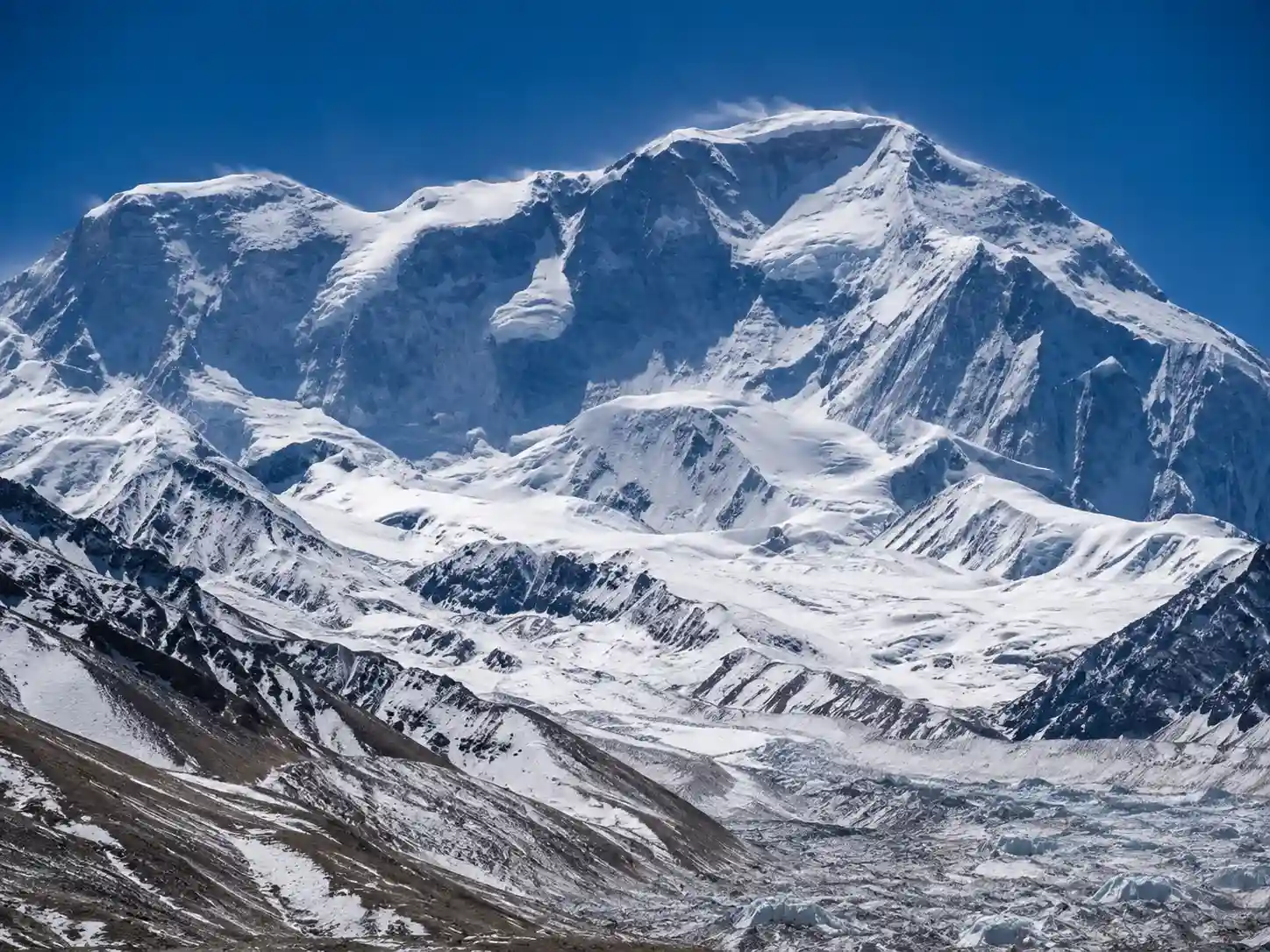
 8188M
 Moderate Climb PD+++