Dorje Lhakpa East Peak Climb
Trip Overview
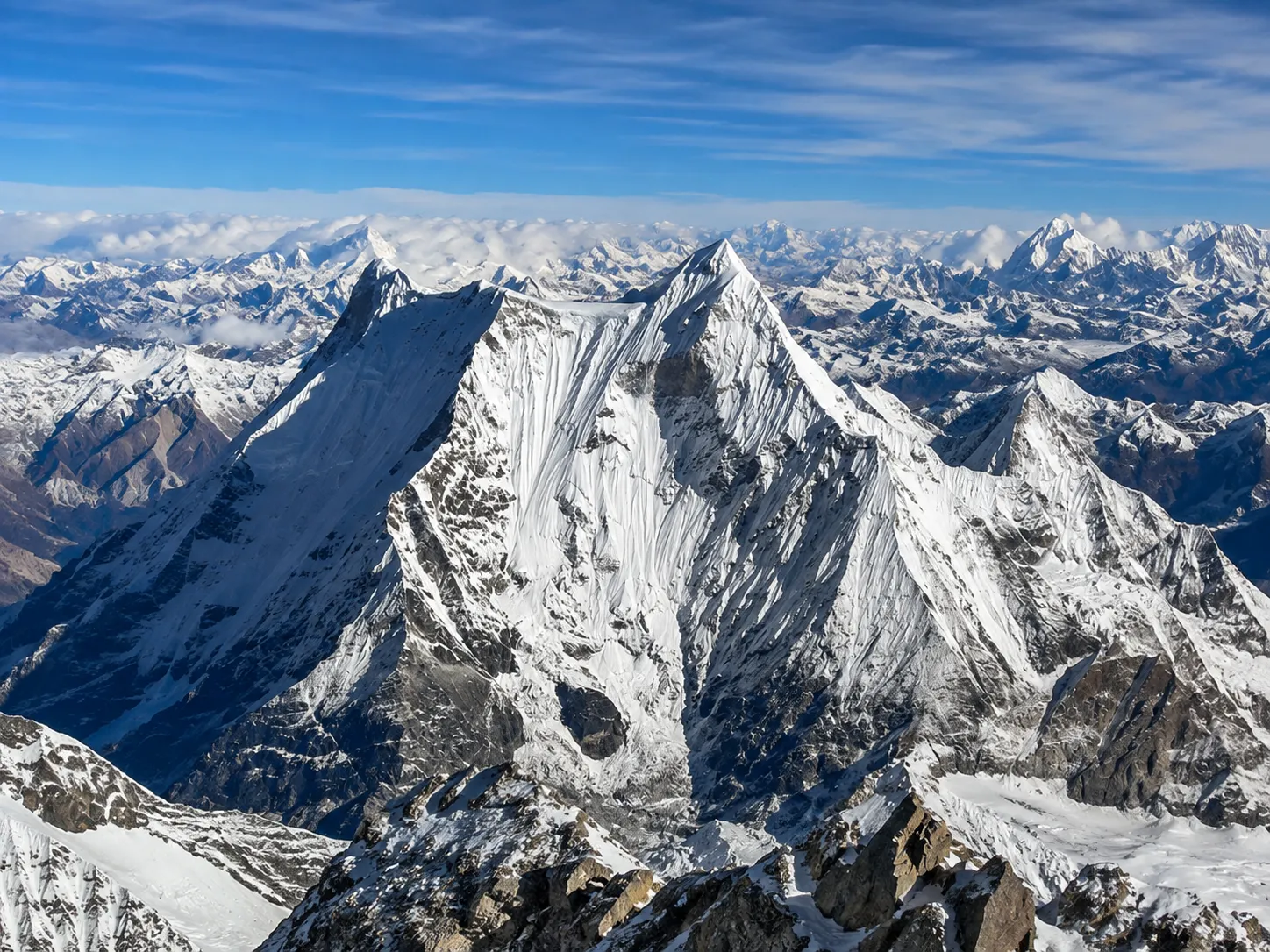
The 36 Days Dorje Lakpa Peak 6,966m Expedition is a remarkable Himalayan climbing journey designed for experienced mountaineers seeking a technically demanding summit in one of Nepal’s most beautiful mountain regions. Rising prominently above the Langtang Himal, Dorje Lakpa offers an inspiring combination of remote trekking, gradual acclimatization, high-altitude camping, and a serious mountaineering challenge.
Organized by Himalayan Sherpa Exodus Team Treks & Expeditions Pvt. Ltd., this expedition begins in Kathmandu with sightseeing, preparation, and the essential arrangements required before entering the mountains. From Kathmandu, the journey continues by road to Dhunche, where the trekking approach into the Langtang region begins.
The trail gradually leads through traditional mountain settlements, forested valleys, riverside landscapes, and the beautiful villages of Thulo Syabru and Langtang before reaching Kyangjin Gompa at 3,870 meters. Surrounded by impressive Himalayan scenery, Kyangjin Gompa provides an important acclimatization stop before the expedition continues toward the higher and more isolated terrain of Yak Kharka and Dorje Lakpa Base Camp.
Reaching Base Camp at approximately 4,950 meters marks the beginning of the main climbing phase. The itinerary provides a generous 20-day climbing period, allowing the expedition team sufficient time for acclimatization, route preparation, movement between camps, weather assessment, rest, and suitable summit opportunities. During this period, climbers live in a fully expedition-style tented environment while gradually working toward the summit of Dorje Lakpa at 6,966 meters.
The expedition demands patience, physical endurance, previous high-altitude experience, sound mountaineering skills, and the ability to adapt to changing Himalayan conditions. Rather than treating the summit as a rushed objective, the program allows the mountain, weather, individual acclimatization, and team safety to determine the climbing rhythm.
After completing the climbing phase, the journey retraces the spectacular Langtang trail through Yak Kharka, Langtang Village and Lama Hotel before reaching Syabrubesi. A scenic drive then returns the team to Kathmandu, bringing together 36 days of exploration, teamwork, challenge, and high-altitude adventure.
For climbers looking beyond the busiest Himalayan routes, Dorje Lakpa presents a rewarding expedition where the experience is shaped not only by reaching high altitude, but also by the long approach, life at Base Camp, teamwork in the mountains, and the privilege of spending meaningful time in the heart of the Nepal Himalaya.
With Himalayan Sherpa Exodus Team Treks & Expeditions Pvt. Ltd., the journey is approached with respect for the mountain, careful expedition planning, responsible acclimatization, and the enduring values of Himalayan climbing—patience, cooperation, determination, and safety.
Highlights
Note:
- Walking distances are approximate and may vary depending on the exact trail route, weather conditions, and campsite arrangements.
- The itinerary is designed with a gradual altitude gain to support safe acclimatization before the climbing phase.
- All schedules remain flexible according to mountain conditions and expedition requirements.
Expedition Note:
All climbing and trekking schedules are subject to change depending on weather conditions, snow conditions, route accessibility, and the overall safety of the expedition team. The final decisions during the climbing period will always prioritize safety and responsible mountaineering practices.
Trip Highlights
- Climb Dorje Lakpa at 6,966 meters, an impressive Himalayan summit offering a demanding and rewarding high-altitude expedition experience.
- Enjoy a 36-day expedition program combining Himalayan trekking, acclimatization, Base Camp life, climbing preparation, summit attempts, and a gradual return to Kathmandu.
- Follow the beautiful Langtang Valley approach, travelling through Dhunche, Thulo Syabru, Lama Hotel, Langtang Village and Kyangjin Gompa.
- Experience the changing character of the Himalaya as the route rises from green forested valleys and traditional settlements to alpine pastures and remote high-mountain terrain.
- Spend an important acclimatization day at Kyangjin Gompa, 3,870m, surrounded by the impressive mountain landscapes of the Langtang region.
- Trek beyond the commonly visited Langtang trails toward Yak Kharka at 4,600m and Dorje Lakpa Base Camp at approximately 4,950m.
- Experience authentic expedition-style Base Camp living, with an extended period spent in a tented camp beneath the high Himalaya.
- Benefit from a dedicated 20-day climbing window, providing valuable flexibility for acclimatization, camp establishment, route preparation, rest, changing weather conditions and summit opportunities.
- Take part in a genuine mountaineering journey where teamwork, patience, endurance and sound decision-making are as important as the summit itself.
- Enjoy dramatic Himalayan scenery throughout the approach, climbing period and return journey.
- Experience the culture and hospitality of the Langtang mountain communities while travelling through one of Nepal’s memorable Himalayan valleys.
- Complete the expedition with a gradual descent through Langtang Village and Lama Hotel to Syabrubesi before returning to Kathmandu.
- Join an expedition designed for climbers who value adventure, proper acclimatization and meaningful time in the mountains rather than a hurried ascent.
- Undertake the journey with Himalayan Sherpa Exodus Team with an emphasis on thoughtful preparation, responsible expedition management, mountain safety and respect for the Himalayan environment.
Day 01 :
Day 1: Arrival in Kathmandu (1,300m / 4,265ft)
Distance: –
Walking Duration: –
Accommodation: Hotel in Kathmandu
Upon your arrival at Tribhuvan International Airport, Kathmandu, our representative from Himalayan Sherpa Exodus Team Treks & Expeditions Pvt. Ltd. will warmly welcome you and assist with your transfer to the hotel. After checking in, you will have time to rest and recover from your journey.
In the evening, our expedition team will provide a detailed briefing about the upcoming Dorje Lakpa Peak Expedition, including climbing preparation, safety procedures, equipment requirements, and the overall expedition plan.
Day 02 :
Kathmandu Sightseeing and Expedition Preparation
Altitude: 1,300m / 4,265ft
Distance: Approx. 10–15 km sightseeing drive
Walking Duration: 3–4 hours (sightseeing)
Today is dedicated to exploring some of Kathmandu’s culturally significant landmarks and completing final preparations for the expedition.
You may visit UNESCO World Heritage Sites including ancient temples, historic monuments, and traditional areas that reflect Nepal’s rich cultural heritage. The remaining time is used for checking climbing equipment, completing necessary arrangements, meeting expedition members, and final preparation before entering the Himalaya.
Day 03 :
Drive from Kathmandu to Dhunche (1,966m / 6,448ft)
Distance: Approx. 120 km
Driving Duration: 6–7 hours
Walking Duration: –
Accommodation: Local Lodge
After breakfast, we begin our scenic drive from Kathmandu toward Dhunche, the gateway to the Langtang region.
The journey follows winding mountain roads alongside beautiful landscapes, rivers, terraced fields, and traditional villages. As we approach Dhunche, the surrounding Himalayan environment becomes more prominent, providing the first feeling of the mountain adventure ahead.
Dhunche is the administrative center of the Rasuwa district and an important starting point for trekking and expedition routes in Langtang.
Day 04 :
Trek from Dhunche to Thulo Syabru (2,250m / 7,380ft)
Distance: Approx. 11 km
Walking Duration: 4–5 hours
Elevation Gain: +284m
Accommodation: Local Lodge
Our trekking journey begins after breakfast. The trail gradually enters the beautiful Langtang region, passing through forests, mountain landscapes, and traditional Tamang settlements.
The route offers excellent views of surrounding hills and provides a comfortable introduction to trekking conditions. Thulo Syabru is a charming Tamang village known for its traditional culture, warm hospitality, and beautiful mountain surroundings.
Day 05 :
Trek from Thulo Syabru to Lama Hotel (2,470m / 8,101ft)
Distance: Approx. 13 km
Walking Duration: 5–6 hours
Elevation Gain: +220m
Accommodation: Local Lodge
Today’s trail descends briefly before gradually climbing through lush forests of rhododendron, oak, bamboo, and pine.
Following the Langtang River valley, the route offers peaceful natural surroundings with opportunities to observe Himalayan wildlife and experience the untouched beauty of the region.
After a steady walk through the forest, we arrive at Lama Hotel, a popular resting point surrounded by dense woodland and mountain scenery.
Day 06 :
Trek from Lama Hotel to Langtang Village (3,330m / 10,922ft)
Distance: Approx. 14 km
Walking Duration: 5–6 hours
Elevation Gain: +860m
Accommodation: Local Lodge
The trail continues deeper into the Langtang Valley. After crossing forested sections, the landscape gradually changes from dense vegetation to alpine surroundings.
The path follows the Langtang River and passes through beautiful mountain settlements, waterfalls, and open landscapes. As we approach Langtang Village, magnificent views of surrounding peaks begin to appear.
Langtang Village is one of the important settlements of the region, rich in Tibetan-influenced culture and mountain traditions.
Day 07 :
Trek from Langtang Village to Kyangjin Gompa (3,870m / 12,693ft)
Distance: Approx. 7 km
Walking Duration: 3–4 hours
Elevation Gain: +540m
Accommodation: Local Lodge
Today is a shorter but highly scenic trekking day as we move toward Kyangjin Gompa, the final major settlement before entering the high alpine region.
The trail passes through yak pastures, traditional stone-built villages, and beautiful mountain landscapes. As we gain elevation, spectacular views of Langtang Lirung, Dorje Lakpa, and surrounding Himalayan peaks become visible.
Kyangjin Gompa is a peaceful mountain village surrounded by dramatic Himalayan scenery and serves as an important acclimatization location before heading toward higher camps.
Day 08 :
Acclimatization Day at Kyangjin Gompa (3,870m / 12,693ft)
Optional Hike: Tserko Ri (4,985m / 16,355ft)
Distance: Approx. 8–10 km round trip
Walking Duration: 5–7 hours
Elevation Gain: +1,115m approximately
Accommodation: Local Lodge
Today is reserved for proper acclimatization before continuing toward the higher expedition zone.
To improve adaptation to altitude, we take an optional hike to Tserko Ri (4,985m), one of the most rewarding viewpoints in the Langtang region. The climb is challenging but offers breathtaking panoramic views of Langtang Lirung, Dorje Lakpa, Langtang Himal, Ganesh Himal, and other surrounding peaks.
This acclimatization day is important for preparing the body for higher elevations and helps the expedition team assess physical condition before moving toward Yak Kharka and Dorje Lakpa Base Camp.
Day 09 :
Trek from Kyangjin Gompa to Yak Kharka (4,600m / 15,088ft)
Distance: Approx. 10–12 km
Walking Duration: 5–6 hours
Elevation Gain: +730m
Accommodation: Tented Camp / Basic Shelter
After completing acclimatization at Kyangjin Gompa, we leave the last permanent settlement of the Langtang Valley and enter the more remote alpine wilderness.
The trail gradually climbs through rugged landscapes, passing yak grazing areas, rocky terrain, and high Himalayan valleys. As we gain altitude, vegetation becomes increasingly sparse and the environment changes into a true alpine setting.
The walk provides magnificent views of surrounding peaks, including Dorje Lakpa and the impressive Langtang mountain range. Yak Kharka, meaning “yak pasture,” serves as an important resting point before moving toward the Dorje Lakpa Base Camp.
Day 10 :
Trek from Yak Kharka to Dorje Lakpa Base Camp (4,950m / 16,236ft)
Distance: Approx. 7–8 km
Walking Duration: 4–5 hours
Elevation Gain: +350m
Accommodation: Expedition Tented Camp
Today marks the final trekking stage before entering the main climbing phase.
The route continues through remote high-altitude terrain with spectacular views of glaciers, rocky ridges, and snow-covered Himalayan peaks. The gradual ascent allows climbers to adjust further to the increasing altitude.
Upon reaching Dorje Lakpa Base Camp (4,950m), the expedition team establishes the climbing base and prepares for the summit phase. Our climbing guides conduct equipment checks, route discussions, safety briefings, and final preparations for the upcoming ascent.
Day 11-30 :
Dorje Lakpa Peak Climbing Period (6,966m / 22,848ft)
Duration: 20 Days
Accommodation: Fully Equipped Expedition Tented Camps
The next 20 days are dedicated to the main climbing phase of the Dorje Lakpa Peak Expedition.
This extended climbing period provides sufficient time for acclimatization, establishing higher camps, technical training, route preparation, weather observation, rest, and summit attempts.
During this phase, climbers follow the guidance of experienced Sherpa climbing leaders and expedition staff while adapting to the challenging high-altitude environment. The exact climbing schedule depends on weather conditions, snow and ice conditions, individual acclimatization, and overall team safety.
The expedition involves glacier travel, steep sections, technical climbing, and movement through a demanding Himalayan environment. Climbers gradually progress through the necessary camps before making the final summit attempt.
Standing at 6,966 meters, the summit of Dorje Lakpa offers an unforgettable Himalayan experience with breathtaking views across the Langtang Himalaya and surrounding peaks.
After a successful summit attempt, the team safely descends back through the higher camps and returns to Dorje Lakpa Base Camp, completing the climbing phase.
Important Note:
The mountain schedule remains flexible because Himalayan weather conditions can change rapidly. Safety, proper acclimatization, and responsible decision-making remain the highest priorities throughout the expedition.
Day 31 :
Trek from Dorje Lakpa Base Camp to Yak Kharka (4,600m / 15,088ft)
Distance: Approx. 10–12 km
Walking Duration: 5–6 hours
Elevation Loss: -350m
Accommodation: Tented Camp / Lodge
After completing the climbing section, we begin our descent from the high mountain environment.
Leaving Dorje Lakpa Base Camp behind, the trail gradually descends through alpine landscapes toward Yak Kharka. The lower altitude provides a refreshing change after spending many days in the high Himalayan region.
The evening is spent resting and sharing memories of the expedition while enjoying the peaceful surroundings of the Langtang mountains.
Day 32 :
Trek from Yak Kharka to Langtang Village (3,330m / 10,922ft)
Distance: Approx. 14–16 km
Walking Duration: 5–6 hours
Elevation Loss: -1,270m
Accommodation: Local Lodge
Today we continue our descent toward Langtang Village.
The trail gradually moves from alpine landscapes into greener surroundings as we lose elevation. Passing through beautiful mountain scenery, yak pastures, and traditional settlements, we return to the culturally rich Langtang Valley.
Langtang Village welcomes us with its traditional mountain atmosphere and warm local hospitality.
Day 33 :
Trek from Langtang Village to Lama Hotel (2,470m / 8,101ft)
Distance: Approx. 14 km
Walking Duration: 5–6 hours
Elevation Loss: -860m
Accommodation: Local Lodge
Following the same scenic valley route, we descend toward Lama Hotel.
The trail passes through forests, waterfalls, and riverside landscapes. The warmer climate and changing vegetation provide a pleasant contrast after the high-altitude expedition environment.
We enjoy a comfortable evening at Lama Hotel surrounded by peaceful forest scenery.
Day 34 :
Trek from Lama Hotel to Syabrubesi (1,420m / 4,659ft)
Distance: Approx. 15 km
Walking Duration: 5–6 hours
Elevation Loss: -1,050m
Accommodation: Local Lodge / Hotel
Our final trekking day takes us from Lama Hotel down to Syabrubesi, the gateway town of the Langtang region.
The trail descends through beautiful forests and follows the river valley before reaching Syabrubesi. This marks the completion of the trekking portion of the Dorje Lakpa expedition.
A relaxing evening allows the team to celebrate the successful completion of the Himalayan journey.
Day 35 :
Drive from Syabrubesi to Kathmandu (1,300m / 4,265ft)
Distance: Approx. 120 km
Driving Duration: 6–7 hours
Accommodation: Hotel in Kathmandu
After breakfast, we drive back to Kathmandu following the scenic mountain highway.
The journey offers final views of the hills, rivers, villages, and landscapes of Nepal before returning to the capital city. Upon arrival in Kathmandu, you will have time to rest, refresh, and enjoy your final evening in Nepal.
Day 36 :
International Airport Transfer and Final Departure
Altitude: Kathmandu (1,300m / 4,265ft)
Distance: Approx. 6 km to Airport
Driving Duration: 20–30 minutes
Today marks the conclusion of your 36 Days Dorje Lakpa Peak 6,966m Expedition.
According to your flight schedule, our representative will transfer you to Tribhuvan International Airport for your final departure.
With unforgettable memories of the Langtang Himalaya, the challenges of high-altitude climbing, and the spirit of Himalayan adventure, we wish you a safe journey onward and look forward to welcoming you again for your next mountain experience with Himalayan Sherpa Exodus Team Treks & Expeditions Pvt. Ltd.
Dorje Lhakpa East Peak
The Trip Package Cost Includes
- Airport arrival and departure transfers in Kathmandu as per the expedition schedule.
- Accommodation in Kathmandu on a twin-sharing basis according to the itinerary.
- Welcome and farewell arrangements by Himalayan Sherpa Exodus Team Treks & Expeditions Pvt. Ltd.
- Kathmandu sightseeing tour and cultural exploration as mentioned in the program.
- Necessary permits and official documentation required for the Dorje Lakpa Peak expedition.
- Langtang National Park entry permit and local trekking permits.
- Transportation by private vehicle from Kathmandu to Dhunche and Syabrubesi to Kathmandu.
- Experienced and professional expedition leader, climbing Sherpa guides, and supporting mountain staff.
- Trekking support staff, including porters, with their wages, insurance, equipment, meals, and accommodation.
- Full expedition crew support during the climbing period.
- Base Camp management and necessary logistics arrangement.
- Tented accommodation during the trekking and climbing sections where required.
- Expedition meals during the climbing period, including necessary kitchen support.
- High-altitude climbing equipment and expedition logistics as required for the group.
- Rope fixing support and technical climbing assistance where necessary.
- Necessary camping equipment, kitchen equipment, and dining facilities during the expedition period.
- Staff insurance, equipment allowance, and welfare expenses.
- Government taxes and official service charges applicable to the expedition package.
- Pre-expedition briefing and guidance regarding climbing preparation, safety, and equipment.
The Trip Package Cost Excludes
- International airfare and airport departure taxes.
- Nepal entry visa fees.
- Personal travel insurance covering high-altitude climbing, emergency evacuation, and medical expenses.
- Personal climbing equipment such as mountaineering boots, down suits, gloves, goggles, harness, helmet, and other individual gear.
- Personal expenses such as laundry, phone calls, internet, beverages, snacks, and additional services.
- Extra hotel nights in Kathmandu due to early arrival, late departure, or unexpected delays.
- Emergency evacuation by helicopter or other rescue services.
- Medical expenses and personal medication.
- Tips and gratitude for expedition staff, guides, and supporting crew.
- Any additional costs caused by unforeseen circumstances such as weather delays, natural events, political conditions, route changes, or flight disruptions.
- Expenses not specifically mentioned under the “Cost Includes” section.
Best Time for Dorje Lakpa Peak Expedition
The best seasons for the Dorje Lakpa Peak 6,966m Expedition are generally during the spring (March to May) and autumn (September to November) periods.
Spring Season (March–May) : Spring is considered one of the most favorable periods for Himalayan climbing. The weather becomes more stable, temperatures gradually improve, and longer daylight hours provide better opportunities for climbing activities. The mountain landscapes are also decorated with blooming rhododendron forests during the lower trekking sections.
Autumn Season (September–November) : Autumn offers some of the clearest mountain views of the year. After the monsoon season, the skies are generally clean, visibility is excellent, and the stable weather conditions create favorable circumstances for trekking and expedition activities.
Although these seasons provide the best overall conditions, Himalayan weather can change quickly at high altitude. The final climbing schedule always depends on mountain conditions, snow quality, and safe summit opportunities.
Trek and Expedition Difficulty
The Dorje Lakpa Peak 6,966m Expedition is considered a challenging technical Himalayan climbing adventure suitable for experienced climbers.
The journey involves:
- Long trekking days at increasing altitude.
- High-altitude camping in remote mountain environments.
- Glacier travel and technical climbing sections.
- Exposure to cold temperatures, snow, ice, and changing Himalayan weather.
- Physical and mental endurance throughout the expedition period.
The approach trek is moderate to challenging, while the climbing phase requires proper mountaineering skills, previous high-altitude experience, and familiarity with technical equipment.
Successful participation requires:
- Excellent physical fitness.
- Strong endurance and determination.
- Previous experience above 5,000m is highly recommended.
- Ability to work as part of a climbing team.
- Proper preparation and suitable mountaineering equipment.
The expedition is not only about reaching the summit but also about respecting the mountain environment, following safe climbing practices, and maintaining teamwork throughout the journey.
Acclimatization & Altitude Sickness
Proper acclimatization is one of the most important aspects of a successful high-altitude expedition.
The 36-day Dorje Lakpa itinerary is carefully planned with gradual elevation gain and sufficient rest periods to help climbers adapt to changing altitude.
Important acclimatization stages include:
- Spending time at Kyangjin Gompa (3,870m) before moving higher.
- Optional acclimatization hike to Tserko Ri (4,985m).
- Gradual movement toward Yak Kharka (4,600m).
- Establishing and spending adequate time at Dorje Lakpa Base Camp (4,950m).
- A flexible climbing period allowing the body to adjust before summit attempts.
Altitude sickness can affect anyone regardless of age, fitness level, or previous experience. Common symptoms may include headache, tiredness, dizziness, loss of appetite, nausea, and difficulty sleeping.
Our expedition team carefully monitors climbers throughout the journey and follows responsible high-altitude practices. Proper hydration, gradual ascent, rest, and immediate communication with guides are essential for maintaining safety.
Himalayan Culture & Ancient Monasteries
The Dorje Lakpa Expedition is not only a mountaineering adventure but also a journey through the unique cultural landscape of the Langtang Himalaya.
The route passes through traditional Tamang and Himalayan communities where ancient customs, Buddhist traditions, and mountain lifestyles remain an important part of daily life.
During the journey, climbers experience:
- Traditional Himalayan villages with stone houses and local architecture.
- Warm hospitality of the Langtang mountain communities.
- Buddhist prayer flags, mani walls, and sacred mountain traditions.
- Ancient monasteries and spiritual sites reflecting Tibetan Buddhist heritage.
- The peaceful atmosphere of Kyangjin Gompa, located in a spectacular Himalayan setting.
The cultural experience adds a deeper meaning to the expedition, allowing climbers to connect not only with the mountains but also with the people, traditions, and spiritual heritage of the Langtang region.
With Himalayan Sherpa Exodus Team Treks & Expeditions Pvt. Ltd., the Dorje Lakpa journey represents a complete Himalayan experience—combining adventure, culture, respect for nature, and the timeless spirit of mountaineering.
Preparation Guide
The Dorje Lakpa Peak 6,966m Expedition is a serious Himalayan climbing adventure that requires proper physical preparation, technical skills, and mental readiness.
A successful expedition begins several months before arriving in Nepal. Climbers are advised to focus on:
Physical Preparation
- Regular cardiovascular training such as hiking, running, cycling, and stair climbing.
- Strength training focusing on legs, core, and overall endurance.
- Long-distance trekking practice carrying a backpack.
- Training at high altitude whenever possible.
Mountaineering Preparation
Previous experience with high-altitude trekking and basic mountaineering skills is highly recommended. Climbers should have knowledge of:
- Using crampons and ice axes.
- Glacier travel techniques.
- Rope handling and climbing safety.
- Movement on snow and ice.
- High-altitude camping practices.
Mental Preparation
High-altitude expeditions require patience, flexibility, teamwork, and positive decision-making. Climbers should be prepared for changing weather conditions, long climbing days, and remote mountain environments.
Our team provides expedition briefings and guidance before departure to ensure climbers are properly prepared for the journey.
Weather & Climate
The weather around Dorje Lakpa Peak and the Langtang Himal region varies greatly depending on altitude and season.
Spring Season (March–May)
- Generally stable climbing conditions.
- Clear mountain views and favorable temperatures.
- Warmer conditions during daytime trekking.
- Cold temperatures remain at higher camps.
Autumn Season (September–November)
- Excellent visibility after the monsoon.
- Stable weather patterns.
- Dry trails and clearer skies.
- One of the most popular seasons for Himalayan expeditions.
High-Altitude Conditions
Above 5,000m, temperatures can drop significantly, especially during nighttime and summit attempts. Strong winds, snowfall, and sudden weather changes are common in the high mountains.
The expedition schedule remains flexible to allow safe climbing decisions according to actual mountain conditions.
Accommodation
During the 36 Days Dorje Lakpa Expedition, accommodation is arranged according to the changing environment of the journey.
Kathmandu
Comfortable hotel accommodation is provided for arrival, preparation, and departure days.
Trekking Region
During the approach trek, accommodation is provided in local mountain lodges and teahouses. These offer simple but comfortable facilities with basic rooms, dining areas, and opportunities to experience authentic Himalayan hospitality.
Base Camp and Climbing Period
During the climbing phase, accommodation changes to expedition-style camping. The team stays in organized tented camps with necessary arrangements for sleeping, dining, cooking, and expedition operations.
The accommodation standard becomes more basic as altitude increases due to the remote mountain environment.
Meals During the Trek
Nutritious food plays an important role in maintaining energy during a high-altitude expedition.
During Trekking
Meals are served at local lodges and generally include:
- Traditional Nepali meals such as dal bhat.
- Rice, noodles, pasta, soups, and vegetables.
- Eggs, meat items, and other available local foods.
- Tea, coffee, and hot drinks.
During Expedition Climbing
A dedicated kitchen team prepares meals at Base Camp and higher camps where possible.
Food focuses on:
- High-energy meals.
- Carbohydrate-rich foods.
- Protein sources.
- Warm soups and drinks.
- Foods suitable for cold and high-altitude conditions.
Special dietary requirements should be informed before the expedition begins.
Drinking Water
Safe drinking water management is essential during the expedition.
Available options include:
- Bottled water in lower areas where available.
- Boiled drinking water prepared by the expedition kitchen team.
- Filtered or treated water using purification methods.
- Personal water purification tablets or filters as an additional safety option.
Climbers are encouraged to maintain good hydration throughout the expedition because dehydration can increase the effects of altitude.
Internet & Charging Facilities
Communication facilities become limited as the expedition moves deeper into the mountains.
Kathmandu
- Reliable internet access.
- Easy charging facilities.
Trekking Route
- Some lodges provide Wi-Fi services at additional cost.
- Mobile network coverage may be available in certain areas but cannot always be guaranteed.
Base Camp and Higher Camps
- Internet and charging options are limited.
- Solar charging systems or portable power banks are recommended.
Climbers should carry sufficient backup batteries and power banks for personal electronic devices.
Travel Insurance
Comprehensive travel insurance is mandatory for the Dorje Lakpa Peak Expedition.
The insurance policy should include:
- High-altitude mountaineering coverage.
- Emergency helicopter evacuation.
- Medical treatment expenses.
- Accidental injury coverage.
- Trip cancellation or interruption protection.
Standard travel insurance policies usually do not cover climbing above certain elevations, so climbers must confirm that their policy specifically includes 6,966m peak climbing activities.
A copy of the insurance document should be provided to the expedition organizer before departure.
Packing List
Proper equipment is essential for safety and comfort during the expedition.
Personal Trekking Equipment
- Quality trekking backpack.
- Duffel bag for expedition gear.
- Comfortable trekking boots.
- Trekking poles.
- Base layers and thermal clothing.
- Fleece jacket.
- Down jacket.
- Waterproof jacket and trousers.
- Warm hat and gloves.
- Sunglasses with UV protection.
- Headlamp with spare batteries.
- Sleeping bag suitable for cold temperatures.
- Personal first-aid items.
- Water bottle or hydration system.
Mountaineering Equipment
- Mountaineering boots suitable for high altitude.
- Crampons.
- Ice axe.
- Climbing harness.
- Helmet.
- Ascender and descender equipment.
- Carabiners.
- Mountaineering gloves.
- Goggles.
- Down suit.
- Technical climbing clothing.
Personal Items
- Sunscreen and lip protection.
- Personal medication.
- Toiletries.
- Camera and accessories.
- Power bank.
- Travel documents.
A detailed equipment checklist will be provided during the expedition preparation phase.
Safety Measures
Safety is the highest priority throughout the Dorje Lakpa Expedition.
Our expedition approach focuses on:
- Gradual acclimatization and altitude management.
- Experienced Sherpa climbing leadership.
- Regular monitoring of climbers’ health and condition.
- Proper use of technical climbing equipment.
- Flexible planning according to weather and mountain conditions.
- Maintaining communication between team members.
- Following responsible climbing decisions rather than rushing summit attempts.
The Himalaya demands respect, and safe expedition practices always come before reaching the summit.
Frequently Asked Questions (FAQ)
1. How difficult is the Dorje Lakpa Peak Expedition?
Dorje Lakpa at 6,966m is a challenging technical Himalayan expedition suitable for experienced climbers. It requires good physical fitness, previous high-altitude experience, and basic mountaineering skills.
2. What is the best season for climbing Dorje Lakpa?
The best seasons are generally spring (March–May) and autumn (September–November) due to more stable weather conditions and better climbing opportunities.
3. Do I need previous climbing experience?
Yes. Previous experience with high-altitude trekking and technical climbing skills is strongly recommended. Climbers should be comfortable using crampons, ice axes, and other mountaineering equipment.
4. How long does the expedition take?
The complete expedition duration is 36 days, including arrival, preparation, trekking, acclimatization, climbing, descent, and departure.
5. How high is Dorje Lakpa Peak?
Dorje Lakpa stands at:
6,966 meters / 22,848 feet above sea level.
6. Is altitude sickness a risk?
Yes. Any climb above 3,000m carries a risk of altitude-related problems. The itinerary includes gradual altitude gain, acclimatization days, and careful monitoring to reduce risks.
7. What type of accommodation is available during the expedition?
Accommodation includes hotels in Kathmandu, local lodges during trekking, and expedition tents during the Base Camp and climbing period.
8. Can dietary requirements be managed?
Yes. Vegetarian and specific dietary preferences can usually be arranged if informed before the expedition begins.
9. What happens if weather prevents the summit attempt?
Mountain weather is unpredictable. The expedition includes a flexible climbing period to allow suitable summit opportunities. Safety decisions are always made according to actual conditions.
10. Why choose Himalayan Sherpa Exodus Team Treks & Expeditions Pvt. Ltd.?
We combine local Himalayan knowledge, experienced Sherpa support, careful planning, and responsible expedition management to provide a meaningful and safe mountaineering experience in the Nepal Himalaya. Our goal is to help climbers experience the mountain with respect, preparation, and confidence.
 6966M
 Moderate