Kanchenjunga Northa BC Pangpema
Trip Overview
The 16 Days Kanchenjunga North Base Camp Trek is an unforgettable adventure into one of Nepal’s most remote and pristine Himalayan regions. Designed for trekkers seeking authentic wilderness, breathtaking alpine scenery, and rich cultural encounters, this journey leads to the spectacular Kanchenjunga North Base Camp (Pang Pema – 5,140m) beneath the world’s third-highest mountain.
The trek begins with a scenic flight to Bhadrapur followed by an overland drive to Taplejung, the gateway to the Kanchenjunga Conservation Area. The trail gradually follows lush river valleys, dense rhododendron and pine forests, traditional Rai, Limbu, and Tibetan-influenced villages, and peaceful mountain landscapes before reaching the high-altitude settlements of Ghunsa, Kambachen, and Lhonak. A dedicated acclimatization day in Ghunsa helps ensure a safe ascent into the alpine zone.
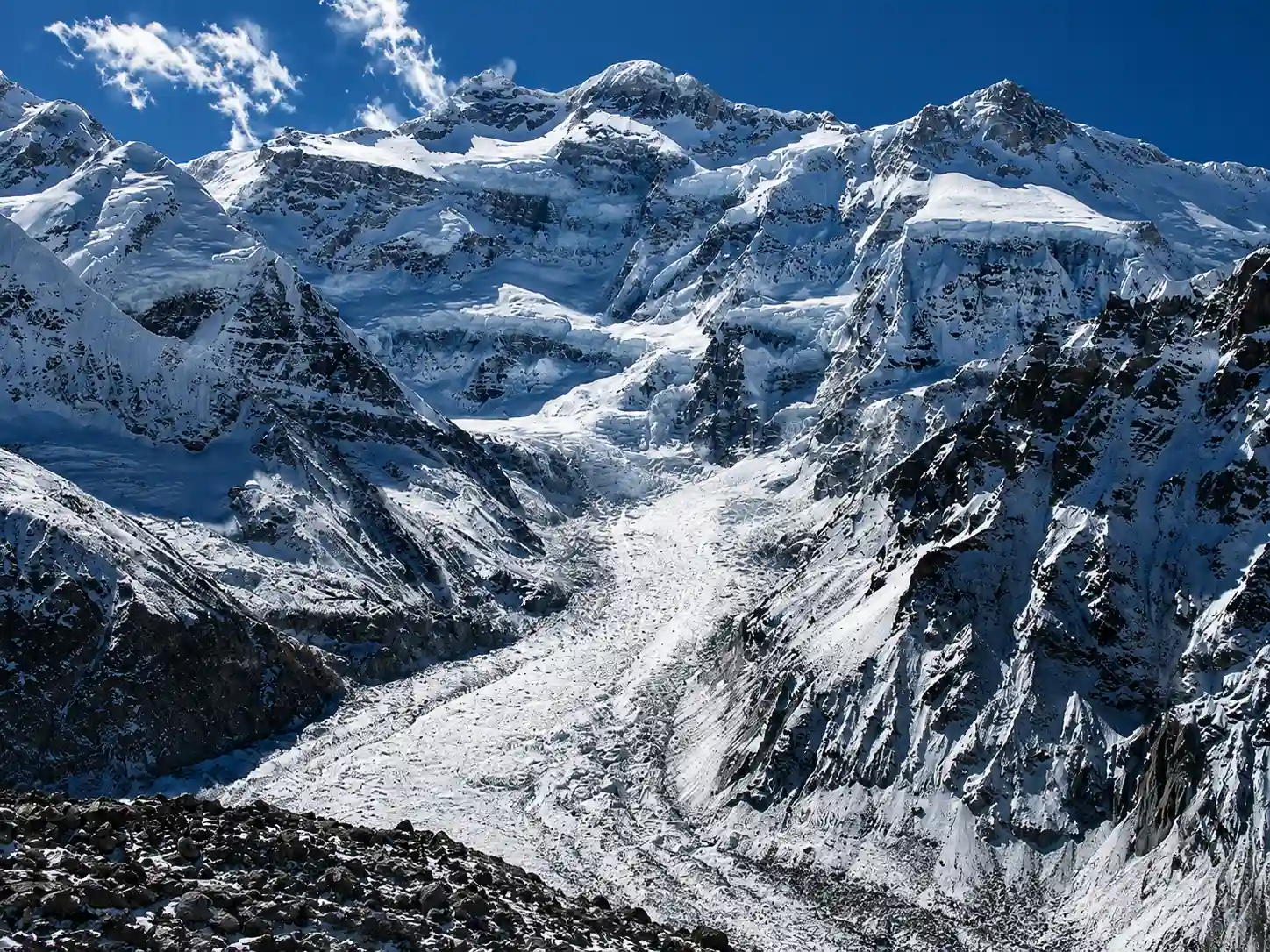
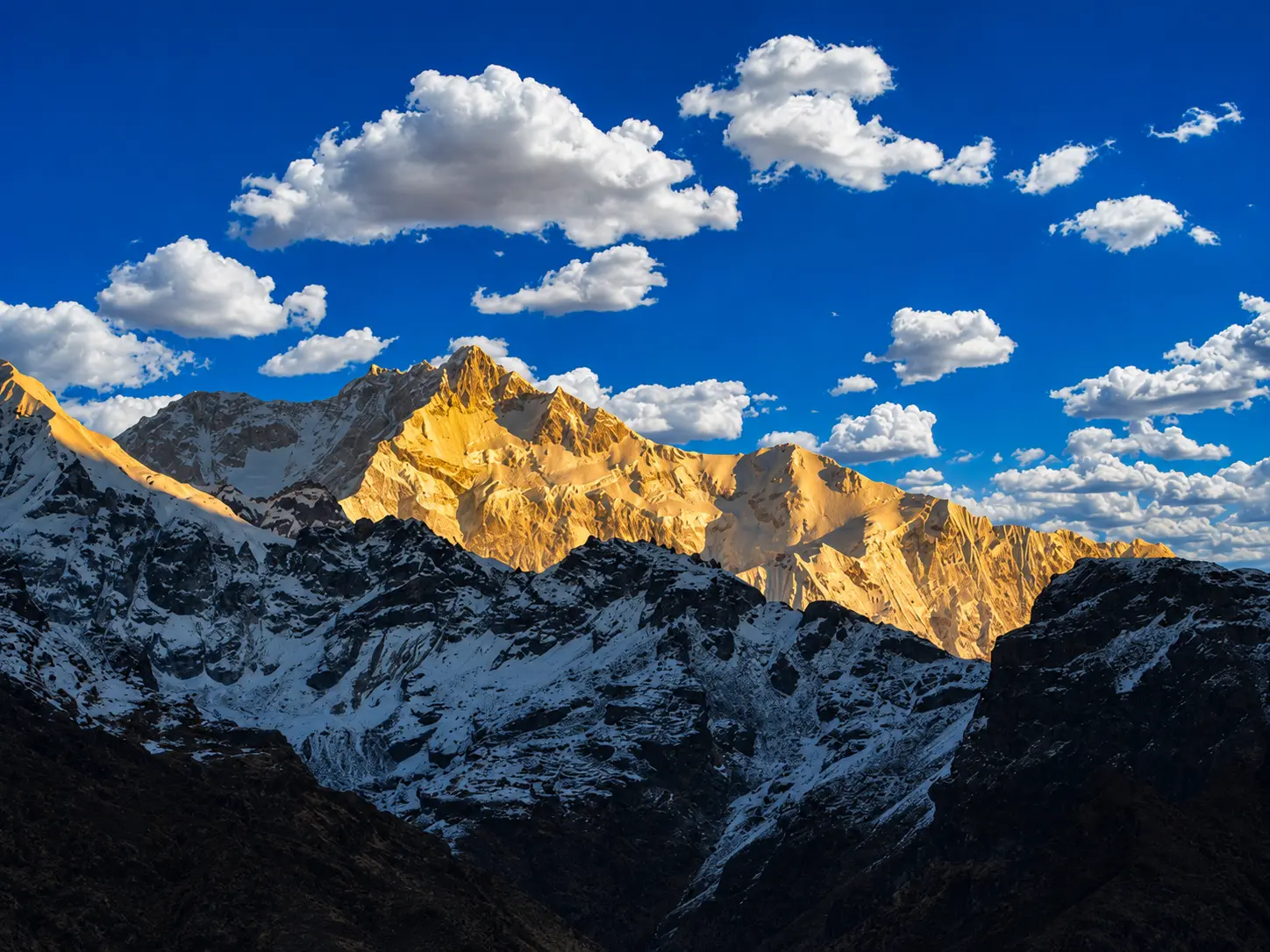
The highlight of the expedition is the hike to Kanchenjunga North Base Camp (Pang Pema), where trekkers are rewarded with extraordinary panoramic views of Kanchenjunga (8,586m), Jannu (Kumbhakarna), Chang Himal, Ramtang Peak, and surrounding glaciers. After enjoying this remarkable Himalayan amphitheater, the route retraces through beautiful valleys before returning to Kathmandu.
Perfect for experienced trekkers and nature enthusiasts, this itinerary combines dramatic mountain scenery, rich local heritage, peaceful trails, and unforgettable high-altitude experiences in one of Nepal’s least-visited trekking destinations.
Trip Highlights
Trip Highlights
- Reach Kanchenjunga North Base Camp (Pang Pema – 5,140m), one of Nepal's most spectacular Himalayan viewpoints.
- Witness breathtaking views of Mount Kanchenjunga (8,586m), the world's third-highest peak.
- Explore the untouched beauty of the Kanchenjunga Conservation Area, rich in biodiversity and alpine landscapes.
- Enjoy scenic flights between Kathmandu and Bhadrapur with beautiful Himalayan and lowland views.
- Experience a picturesque drive through eastern Nepal to the trekking gateway of Taplejung.
- Trek through peaceful forests filled with rhododendron, bamboo, pine, and Himalayan wildlife habitats.
- Visit authentic mountain villages including Chiruwa, Amjilosa, Gyable, Ghunsa, Kambachen, and Lhonak.
- Immerse yourself in the unique traditions and warm hospitality of Limbu, Rai, Sherpa, and Tibetan-influenced communities.
- Spend an important acclimatization day in Ghunsa for safer high-altitude trekking.
- Walk beside glacial rivers, suspension bridges, waterfalls, and dramatic mountain valleys.
- Enjoy magnificent views of Jannu (Kumbhakarna), Ramtang Peak, Chang Himal, and surrounding snow-covered summits.
- Observe impressive glaciers, rugged moraines, and pristine alpine terrain near Pang Pema.
- Experience peaceful trekking on less-crowded trails away from Nepal's busier trekking regions.
- Discover diverse ecosystems ranging from subtropical forests to high Himalayan alpine landscapes.
- Capture incredible sunrise, sunset, and panoramic mountain photography throughout the journey.
- A rewarding adventure that perfectly blends wilderness, culture, high-altitude trekking, and unforgettable Himalayan scenery.
Day 01 :
Arrival in Kathmandu, Nepal – 1,350m
Welcome to Nepal and Kathmandu, the vibrant gateway to the Himalayas. Upon your arrival, our Himalayan Sherpa Exodus Team representative will meet you at the airport and transfer you to your hotel. After check-in, you will have time to relax and recover from your journey.
Depending on your arrival time, you may meet your trekking guide and team for a briefing about the upcoming North and South Kanchenjunga Base Camp adventure. This is also an opportunity to check your trekking equipment and prepare for the remote journey ahead.
Overnight: Kathmandu
Day 02 :
Flight from Kathmandu to Bhadrapur and Drive to Phidim – 1,185m
Today, your journey moves toward eastern Nepal. After a morning flight from Kathmandu to Bhadrapur, we begin a long and scenic drive toward Phidim, the administrative center of Panchthar District.
The road gradually leaves the busy lowlands behind and enters the beautiful hills of eastern Nepal. Along the way, you can enjoy changing landscapes, winding mountain roads, rural settlements, and views of the green Himalayan foothills.
The drive is long, but it provides an interesting introduction to the diverse geography of eastern Nepal.
Driving duration: Approximately 9–13 hours
Overnight: Phidim
Day 03 :
Phidim to Taplejung and Drive to Hellok – 1,750m
After breakfast, we continue our overland journey toward Taplejung, the main gateway to the Kanchenjunga region. From Taplejung, the road continues through increasingly remote mountain terrain toward Hellok.
As we travel deeper into eastern Nepal, the surroundings become quieter and more rugged. The drive provides an authentic glimpse into life in the remote Himalayan foothills.
After reaching Hellok, we settle in and prepare for the trekking section of our adventure, which begins the following day.
Driving duration: Approximately 9–10 hours
Overnight: Hellok
Day 04 :
Hellok to Amjilosa – 2,498m
Today marks the beginning of our trek into the Kanchenjunga wilderness. The trail follows a beautiful mountain route through forests and rugged landscapes as we gradually gain altitude.
The journey toward Amjilosa introduces us to the remote character of the Kanchenjunga region. The surroundings become increasingly wild and peaceful, with traditional mountain settlements appearing along the trail.
After several hours of trekking, we reach Amjilosa, where we spend the night surrounded by the impressive Himalayan environment.
Trekking duration: Approximately 5–6 hours
Overnight: Amjilosa
Day 05 :
Trek from Amjilosa (2,310m) to Gyable (2,730m)
- Walking Distance: Approx. 11 km
- Trekking Time: 5–6 hours
- Overnight Altitude: 2,730m
- Elevation Gain: Approx. 420m
The trail gradually ascends through beautiful forests of rhododendron, pine, bamboo, and fir while following the Ghunsa Khola. Along the way, pass small waterfalls, wooden bridges, and narrow valleys surrounded by impressive cliffs. As you gain altitude, the vegetation begins to change and the mountain scenery becomes increasingly dramatic. Arrive at the peaceful village of Gyable (Gyabla), where traditional Tibetan-influenced culture and stunning natural surroundings create a memorable overnight stop.
Day 06 :
Trek from Gyable (2,730m) to Ghunsa (3,595m)
- Walking Distance: Approx. 10 km
- Trekking Time: 4–5 hours
- Overnight Altitude: 3,595m
- Elevation Gain: Approx. 865m
Today's journey takes you deeper into the alpine region of the Kanchenjunga Conservation Area. The trail passes through fragrant pine and juniper forests, open yak pastures, ancient mani walls, colorful prayer flags, and traditional chortens that reflect the area's rich Buddhist heritage. Cross suspension bridges and enjoy magnificent views of surrounding peaks before reaching Ghunsa, one of the largest and most important Sherpa villages in the region. Ghunsa offers comfortable teahouses and serves as the main acclimatization stop before heading toward higher elevations.
Day 07 :
Acclimatization Day in Ghunsa (3,595m)
- Optional Hiking Distance: 5–8 km
- Hiking Time: 3–5 hours
- Overnight Altitude: 3,595m
A well-planned acclimatization day is essential for adapting safely to the increasing altitude. Rather than remaining inactive, enjoy a short hike to nearby viewpoints, surrounding ridges, or yak grazing areas before returning to Ghunsa for the night. The excursion rewards you with panoramic views of snow-capped Himalayan peaks, glaciers, and alpine valleys while helping your body adjust naturally. Spend the remainder of the day exploring the peaceful village, visiting the local monastery, and experiencing the warm hospitality of the Sherpa community.
Day 08 :
Trek from Ghunsa (3,595m) to Kambachen (4,050m)
- Walking Distance: Approx. 11 km
- Trekking Time: 5–6 hours
- Overnight Altitude: 4,050m
- Elevation Gain: Approx. 455m
Leaving Ghunsa, the trail follows the upper Ghunsa Valley through alpine meadows, glacial streams, and rocky terrain with spectacular Himalayan scenery. Walk beneath towering cliffs and alongside the roaring Ghunsa Khola while enjoying ever-expanding views of snow-covered mountains. As you approach Kambachen, the landscape becomes more rugged and remote, offering excellent opportunities to admire the pristine wilderness of the Kanchenjunga region.
Day 09 :
Trek from Kambachen (4,050m) to Lhonak (4,780m)
- Walking Distance: Approx. 10 km
- Trekking Time: 3–4 hours
- Overnight Altitude: 4,780m
- Elevation Gain: Approx. 730m
Today's trek enters the high alpine zone as you gradually ascend through glacial moraines, rocky valleys, and barren mountain terrain. The trail provides outstanding views of the Kanchenjunga Glacier, surrounding icefalls, and towering Himalayan peaks including Jannu (Kumbhakarna) and neighboring summits. After a steady climb, arrive at the remote settlement of Lhonak, the final overnight stop before your exciting excursion to Kanchenjunga North Base Camp (Pang Pema). The breathtaking scenery and peaceful atmosphere make this one of the trek's most rewarding locations.
Day 10 :
Trek from Lhonak (4,780m) to Kanchenjunga North Base Camp (Pang Pema – 5,140m) and Return to Lhonak
- Walking Distance: Approx. 14 km (round trip)
- Trekking Time: 6–7 hours
- Highest Altitude: 5,140m
- Overnight Altitude: 4,780m (Lhonak)
- Elevation Gain/Loss: +360m / -360m
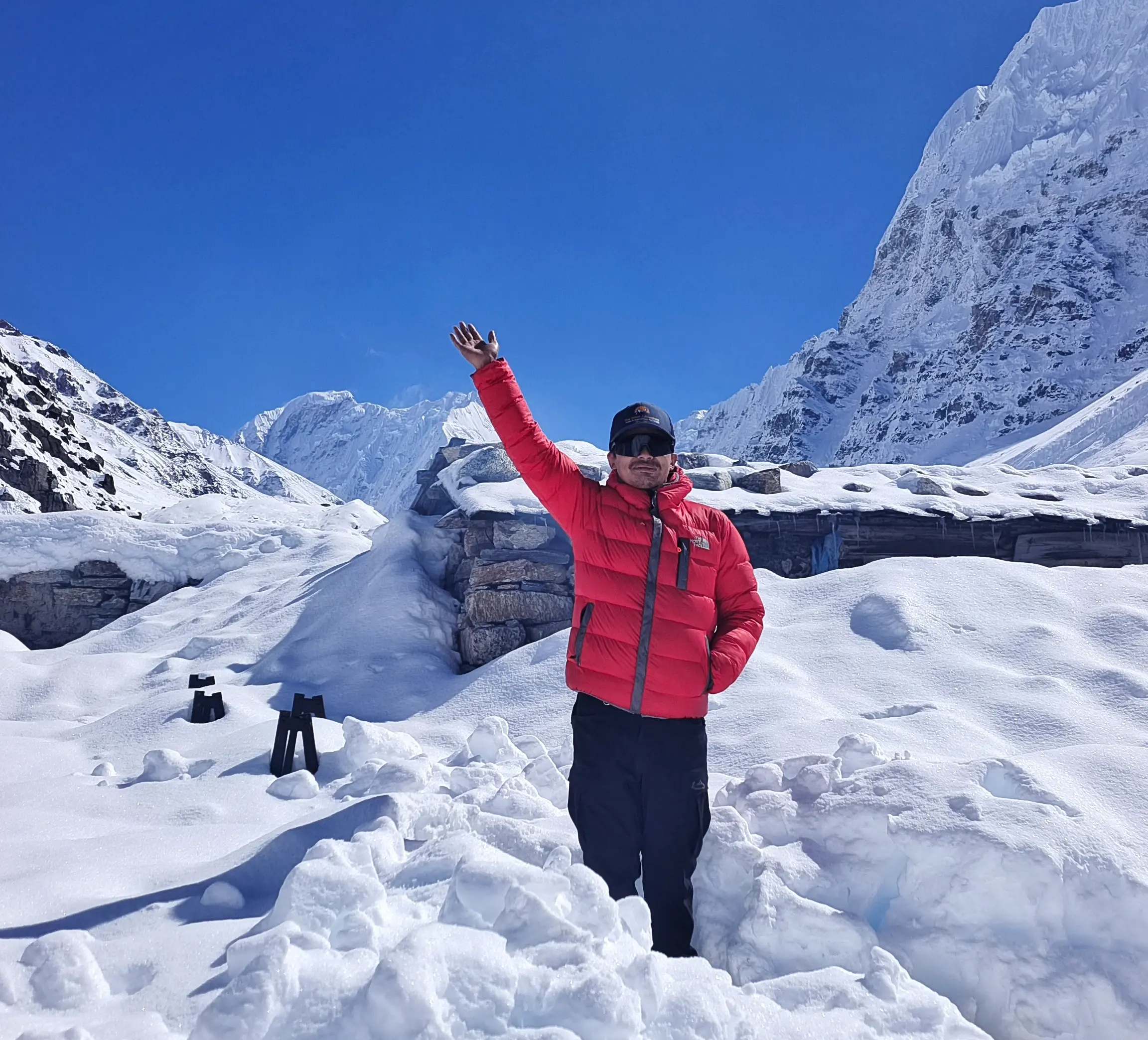
Today is the most anticipated day of your Kanchenjunga adventure. Begin with an early morning hike across rugged glacial terrain toward Kanchenjunga North Base Camp (Pang Pema). The trail follows the edge of the Kanchenjunga Glacier, revealing breathtaking panoramas of Mount Kanchenjunga (8,586m), Jannu (Kumbhakarna), Chang Himal, Ramtang Peak, and surrounding snow-covered giants. After spending time enjoying the incredible Himalayan scenery and capturing unforgettable photographs, retrace your steps back to Lhonak for a well-earned overnight rest.
Day 11 :
Trek from Lhonak (4,780m) to Ghunsa (3,595m)
- Walking Distance: Approx. 21 km
- Trekking Time: 6–7 hours
- Overnight Altitude: 3,595m
- Elevation Loss: Approx. 1,185m
After breakfast, begin your descent through the spectacular upper Ghunsa Valley. Pass once again through the remote settlement of Kambachen while enjoying magnificent views of glaciers, alpine meadows, and towering Himalayan peaks. The gradual descent makes walking more comfortable as oxygen levels increase. Arrive back in the welcoming Sherpa village of Ghunsa, where a warm meal and comfortable teahouse await.
Day 12 :
Trek from Ghunsa (3,595m) to Amjilosa (2,498m)
- Walking Distance: Approx. 20 km
- Trekking Time: 6–7 hours
- Overnight Altitude: 2,498m
- Elevation Loss: Approx. 1,097m
Leaving the high alpine region behind, descend through beautiful forests of pine, fir, rhododendron, and bamboo while following the Ghunsa Khola. Pass traditional villages including Gyable before continuing toward Amjilosa. As you lose elevation, the landscape becomes greener and the air noticeably warmer. Spend the night in the peaceful village of Amjilosa, reflecting on the incredible journey to Kanchenjunga North Base Camp.
Day 13 :
Trek from Amjilosa (2,310m) to Sakathum and Drive to Taplejung (1,442m)
- Walking Distance: Approx. 11 km
- Trekking Time: 3–4 hours
- Driving Distance: Approx. 32 km
- Driving Time: 2–3 hours
- Overnight Altitude: 1,442m (Taplejung)
Enjoy your final morning on the trekking trail as you descend through forests, waterfalls, and riverside paths to Sakathum. From there, meet your waiting vehicle for the scenic drive back to Taplejung. The drive winds through picturesque hills, rural settlements, and cultivated farmland, marking the end of your trekking adventure. Relax and celebrate your successful journey with your trekking team.
Day 14 :
Drive from Taplejung (1,442m) to Bhadrapur (208m)
- Driving Distance: Approx. 240–250 km
- Driving Time: 8–10 hours
- Overnight Altitude: 208m (Bhadrapur)
After breakfast, begin the long but scenic drive from the hills of Taplejung to the tropical plains of Bhadrapur. The route passes through charming villages, winding mountain roads, tea gardens, terraced fields, and beautiful river valleys before reaching the lowlands of eastern Nepal. Upon arrival in Bhadrapur, check into your hotel and enjoy a relaxing evening before your flight to Kathmandu.
Day 15 :
Fly from Bhadrapur (208m) to Kathmandu (1,400m)
- Flight Duration: 45 minutes
- Flight Distance: Approx. 300 km
- Arrival Altitude: 1,400m (Kathmandu)
Your unforgettable Kanchenjunga adventure concludes with a scenic morning flight from Bhadrapur to Kathmandu. During the flight, enjoy one final aerial view of Nepal's hills and Himalayan landscapes. Upon arrival, you will be transferred to your hotel or the international airport according to your travel schedule, taking home lasting memories of one of Nepal's most remote and rewarding trekking experiences.
Day 16 :
Final Departure – Kathmandu or Continue Your Journey
Today marks the conclusion of your 16 Days North and South Kanchenjunga Base Camp Trek.
Depending on your flight schedule, our team will arrange your transfer to the airport for your onward journey. If you have additional time in Nepal, you may also choose to extend your stay with another adventure, cultural tour, wildlife experience, or sightseeing program.
We hope your journey with Himalayan Sherpa Exodus Team Treks & Expeditions Pvt. Ltd. has been filled with incredible mountain experiences, meaningful encounters, and unforgettable memories.
Kanchenjunga Northa BC Pengpema
The Trip Package Cost Includes
- Airport pick-up and drop-off by private vehicle.
- 2 Nights 3-star standard Hotel with BB in Kathmandu
- Domestic flight from Kathmandu to Bhadrapur and Bhadrapur to Kathmandu.
- Private/shared ground transportation between Bhadrapur and Taplejung (round trip).
- All required trekking permits, including the Kanchenjunga Conservation Area Permit (KCAP) and Restricted Area Permit (RAP).
- Licensed, experienced, English-speaking trekking guide.
- Porter service (1 porter for every 2 trekkers).
- Guide and porter salaries, meals, accommodation, transportation, insurance, and government taxes.
- Twin-sharing teahouse/lodge accommodation during the trek.
- Three daily meals (breakfast, lunch, and dinner) during the trekking period.
- Seasonal fresh fruits after dinner on selected trekking days.
- First aid kit carried by the guide.
- Trekking completion certificate.
- All applicable government taxes and company service charges.
The Trip Package Cost Excludes
- Nepal entry visa fees.
- International airfare to and from Nepal.
- Hotel accommodation and meals in Kathmandu unless specified.
- Travel and high-altitude rescue insurance.
- Personal trekking equipment and clothing.
- Hot showers, Wi-Fi, battery charging, and laundry services during the trek.
- Alcoholic beverages, soft drinks, bottled water, snacks, and personal expenses.
- Tips for the guide, porter, and driver (tipping is customary and greatly appreciated).
- Costs arising from flight delays, bad weather, natural disasters, illness, or itinerary changes beyond company control.
- Any service not specifically mentioned under "Cost Includes."
Best Time to Trek
The 16 Days Kanchenjunga North Base Camp Trek is best enjoyed during spring (March to May) and autumn (late September to November).
Spring (March–May)
- Stable weather with comfortable daytime temperatures.
- Forests bloom with colorful rhododendrons and wildflowers.
- Excellent visibility of Kanchenjunga and surrounding Himalayan peaks.
- Ideal season for nature lovers and photographers.
Autumn (Late September–November)
- Crystal-clear mountain views after the monsoon.
- Dry trails with pleasant trekking conditions.
- Mild temperatures and excellent visibility.
- The most popular season for high-altitude trekking in eastern Nepal.
Winter (December–February) is suitable only for experienced trekkers prepared for freezing temperatures and snowfall at higher elevations, while summer/monsoon (June–August) brings heavy rain, slippery trails, and limited mountain views.
Kathmandu – Bhadrapur – Kathmandu Flight Information
Your journey begins with a 45-minute domestic flight from Kathmandu to Bhadrapur Airport, located in the Jhapa District of eastern Nepal. This scenic flight offers beautiful views of the Himalayan range on clear days before landing in Nepal’s subtropical lowlands.
From Bhadrapur, a scenic 8–10 hour drive takes you to Taplejung (Suketar), the gateway to the Kanchenjunga region. At the end of the trek, you return by road to Bhadrapur before boarding your return flight to Kathmandu.
Flight Information:
- Route: Kathmandu (KTM) ⇄ Bhadrapur (BDP)
- Flight Duration: Approximately 45 minutes each way
- Airlines: Buddha Air, Yeti Airlines, Shree Airlines, or other scheduled domestic carriers
- Baggage Allowance: Usually 15 kg checked baggage and 5 kg hand carry (subject to airline policy)
- Weather Notice: Flight schedules may occasionally change or be delayed due to weather or operational conditions, so keeping one flexible day after the trek is recommended.
Trek Difficulty
The 16 Days Kanchenjunga North Base Camp Trek is considered a moderately challenging to strenuous Himalayan trek. While no technical climbing skills are required, trekkers should be physically fit and comfortable walking for 5–7 hours daily across varied terrain.
The trail includes long ascents, rocky paths, suspension bridges, forest trails, glacial moraines, and high-altitude landscapes. The highest point of the trek, Kanchenjunga North Base Camp (Pang Pema – 5,140m), requires proper acclimatization, steady pacing, and good endurance.
This trek is best suited for trekkers with previous multi-day hiking experience or anyone who has prepared with regular cardio exercise and endurance training before arrival. With professional guides, a well-planned itinerary, and sufficient acclimatization, the trek offers a safe, rewarding, and unforgettable Himalayan adventure.
Acclimatization & Altitude Sickness
The 16 Days Kanchenjunga North Base Camp Trek reaches a maximum elevation of 5,140m (Pang Pema), making proper acclimatization essential. This itinerary includes a dedicated acclimatization day in Ghunsa (3,595m), allowing your body to gradually adapt to higher elevations before continuing toward Kambachen, Lhonak, and the base camp.
Common symptoms of Acute Mountain Sickness (AMS) include headache, loss of appetite, nausea, dizziness, unusual fatigue, and difficulty sleeping. Staying well hydrated, maintaining a slow and steady walking pace, eating nutritious meals, and informing your guide immediately if symptoms appear are the best ways to reduce the risk. With experienced guides, gradual altitude gain, and responsible trekking practices, most trekkers safely complete this rewarding Himalayan adventure.
Local Culture & Monasteries
The Kanchenjunga region is home to diverse ethnic communities, including the Limbu, Rai, Sherpa, and Tibetan Buddhist people, each preserving unique traditions that have been passed down through generations. As you ascend into the upper valleys, Tibetan Buddhist culture becomes increasingly prominent.
Traditional villages such as Ghunsa feature beautifully decorated monasteries, mani walls, prayer wheels, colorful prayer flags, and ancient chortens that reflect the area’s deep spiritual heritage. Visitors are welcomed with genuine mountain hospitality while experiencing local customs, architecture, traditional lifestyles, and centuries-old Himalayan culture in one of Nepal’s most remote trekking regions.
Preparation Guide
Good preparation greatly enhances both safety and enjoyment during the trek. Cardiovascular exercise, hiking, stair climbing, cycling, or jogging for several weeks before arrival will help improve endurance for long trekking days.
Essential equipment includes sturdy trekking boots, warm layered clothing, a waterproof jacket, down jacket, gloves, hat, sunglasses, sunscreen, trekking poles, a quality sleeping bag, reusable water bottles, headlamp, and a personal first-aid kit. Because weather conditions can change rapidly at higher elevations, packing versatile clothing suitable for both warm valleys and freezing alpine conditions is highly recommended.
Weather & Climate
The Kanchenjunga region experiences distinct climatic zones, ranging from subtropical valleys to high alpine landscapes.
During spring (March–May), daytime temperatures are generally pleasant, forests bloom with colorful rhododendrons, and mountain visibility is excellent.
Autumn (late September–November) offers stable weather, dry trails, crisp mountain air, and spectacular panoramic Himalayan views, making it the most popular trekking season.
Winter brings heavy snowfall and freezing temperatures above 4,000 meters, while the summer monsoon produces frequent rainfall, muddy trails, and limited mountain visibility. Weather in the Himalayas can change quickly, so trekkers should always be prepared for varying conditions.
Accommodation
Accommodation during the trek is provided in locally operated teahouses and mountain lodges. Rooms are generally simple, clean, and comfortable, typically offering twin-sharing beds with blankets and pillows.
Dining halls are warm gathering places where trekkers enjoy meals and relax after each day’s hike. Facilities become more basic at higher elevations, with shared toilets and limited access to electricity, hot showers, and internet services. Despite the simplicity, the hospitality of local hosts creates a memorable and authentic Himalayan experience.
Meals During the Trek
Three freshly prepared meals—breakfast, lunch, and dinner—are served each day throughout the trek. Menus typically include a variety of nutritious Nepali, Tibetan, and international dishes.
Popular choices include Dal Bhat, fried rice, noodles, soups, Tibetan bread, potatoes, pasta, eggs, porridge, pancakes, vegetables, and seasonal fruits where available. Meals are designed to provide the energy needed for long trekking days, while hot drinks such as tea, coffee, ginger tea, and lemon tea are widely available at teahouses.
Drinking Water
Safe hydration is essential throughout the trek, especially at higher elevations. Drinking water is available at teahouses and natural water sources along the route.
Trekkers are encouraged to carry reusable water bottles or hydration bladders and purify water using purification tablets, portable filters, or UV sterilizers before drinking. Boiled drinking water is also available at most lodges for a small additional charge. Maintaining adequate hydration helps improve acclimatization and supports overall health during the trek.
Internet & Charging
Internet and mobile network coverage are available in some of the lower villages but become limited and less reliable as you move deeper into the Kanchenjunga region. In settlements such as Taplejung and Ghunsa, basic Wi-Fi or mobile data may be available, although connection speeds can be slow and weather-dependent.
Most teahouses offer battery charging facilities for cameras, phones, and other electronic devices for a small additional fee. Since electricity is often supplied by solar power or small hydro systems, carrying a high-capacity power bank is strongly recommended, especially for the higher sections of the trek.
Travel Insurance
Comprehensive travel insurance is mandatory for the 16 Days Kanchenjunga North Base Camp Trek. Your policy should cover high-altitude trekking up to 5,500 meters or above, emergency helicopter evacuation, medical treatment, hospitalization, trip cancellation, and personal accidents.
Because the Kanchenjunga region is remote, emergency rescue operations can be expensive without proper insurance. Before starting the trek, ensure your insurance policy is valid in Nepal and covers all planned trekking activities.
Packing List
A well-prepared backpack will make your trek more comfortable and enjoyable.
Clothing
- Down jacket
- Waterproof jacket and rain pants
- Fleece jacket or warm mid-layer
- Moisture-wicking trekking shirts
- Trekking pants
- Thermal base layers
- Warm hat and sun hat
- Gloves (inner and insulated)
- Warm trekking socks
- Comfortable underwear
Footwear
- Waterproof trekking boots
- Lightweight sandals or camp shoes
- Gaiters (recommended during snowy conditions)
Trekking Gear
- Backpack (30–40L)
- Duffel bag (if using a porter)
- Sleeping bag (-10°C to -15°C recommended)
- Trekking poles
- Headlamp with spare batteries
- Sunglasses with UV protection
- Reusable water bottles or hydration bladder (2–3 liters)
Personal Items
- Sunscreen (SPF 50+)
- Lip balm
- Personal toiletries
- Quick-dry towel
- Personal medications
- Water purification tablets or portable water filter
- Camera and spare batteries
- Power bank and charging cables
- Passport and extra passport-sized photos
- Cash for personal expenses
Safety Measures
Your safety is the highest priority throughout the trek. The itinerary is carefully designed to allow gradual altitude gain and includes an acclimatization day to reduce the risk of altitude sickness.
Our experienced guides continuously monitor each trekker’s health and adjust the pace whenever necessary. Trekkers are encouraged to stay hydrated, eat balanced meals, walk at a comfortable pace, and immediately report any symptoms of illness or discomfort.
Weather and trail conditions are assessed daily, and itineraries may be adjusted if required for safety reasons. Emergency communication equipment, a comprehensive first-aid kit, and well-established evacuation procedures are available whenever necessary, ensuring a safe and enjoyable trekking experience.
Frequently Asked Questions (FAQ)
1. How difficult is the 16 Days Kanchenjunga North Base Camp Trek?
The trek is considered moderately challenging to strenuous due to its remote trails, long walking days, and high altitude. Previous trekking experience is beneficial but not mandatory with proper preparation.
2. What is the highest point of the trek?
The highest elevation is Kanchenjunga North Base Camp (Pang Pema) at 5,140 meters (16,864 feet).
3. How many hours do I walk each day?
Most trekking days involve 4–7 hours of walking, depending on the day’s itinerary and trail conditions.
4. Do I need previous trekking experience?
Previous multi-day trekking experience is recommended, but physically fit beginners with good preparation can also complete the trek successfully.
5. Is altitude sickness a concern?
Yes. Since the trek reaches over 5,000 meters, proper acclimatization, hydration, and a gradual pace are essential to reduce the risk of Acute Mountain Sickness (AMS).
6. What permits are required?
The trek requires a Kanchenjunga Conservation Area Permit (KCAP) and a Restricted Area Permit (RAP), both of which are arranged by your trekking agency.
7. Can I trek independently?
No. The Kanchenjunga region is a restricted area, and trekkers must travel through a registered trekking agency with the required permits and licensed guide.
8. Are ATMs available during the trek?
No. There are no reliable ATMs along the trekking route. It is recommended to withdraw sufficient Nepalese cash before leaving Kathmandu.
9. Is Wi-Fi available during the trek?
Limited Wi-Fi and mobile network services are available in a few villages, but connectivity becomes very limited at higher elevations.
10. What kind of accommodation is available?
Accommodation is provided in simple and comfortable local teahouses and mountain lodges, usually with twin-sharing rooms and shared bathroom facilities.
11. Is drinking water available?
Yes. Boiled water is available at most teahouses, and natural water sources can be safely used after purification with tablets, filters, or UV sterilizers.
12. What is the best season for this trek?
The ideal trekking seasons are March to May and late September to November, when weather conditions are generally stable and mountain views are at their best.
Be Well Prepared for Your Trek in Nepal
Proper preparation is the key to a safe, comfortable, and enjoyable trekking experience in Nepal. Please use this equipment guide to prepare the essential clothing, footwear, personal items, health and safety gear, and other trekking necessities according to your chosen route and season.
Pack wisely, travel comfortably, and trek confidently with Himalayan Sherpa Exodus Team.


 5140M
 Moderate