Nar Phu Valley Trek
Trip Overview
The Nar Phu Valley Trek is an extraordinary journey into one of Nepal’s most remote and culturally preserved Himalayan regions, offering a rare combination of breathtaking mountain landscapes, ancient Tibetan-influenced villages, and authentic Himalayan lifestyles. Organized by Himalayan Sherpa Exodus Team Treks & Expeditions Pvt. Ltd., this adventure takes you beyond the well-known trails of the Annapurna region into the hidden valleys of Nar and Phu, where nature, tradition, and spirituality exist in perfect harmony.
This carefully designed 14-day itinerary begins with a scenic drive from Kathmandu toward the Annapurna region and gradually leads trekkers through dramatic landscapes, deep gorges, alpine forests, and high-altitude settlements. The trail passes through beautiful villages such as Meta, Kyang, Phu, and Nar, where visitors can experience centuries-old Buddhist culture, traditional stone houses, ancient monasteries, and the warm hospitality of local communities.
A major highlight of this trek is crossing the challenging Kang La Pass (5,320m), one of the most spectacular high mountain passes in Nepal. From the pass, trekkers are rewarded with magnificent panoramic views of the Annapurna, Manaslu, Himlung Himal, and surrounding Himalayan peaks. Along the way, dedicated acclimatization and exploration days allow travelers to properly adapt to altitude while discovering the unique natural and cultural treasures of the region.
With experienced guides, careful planning, and a strong commitment to responsible trekking, Himalayan Sherpa Exodus Team Treks & Expeditions Pvt. Ltd. ensures a safe, memorable, and meaningful Himalayan experience. This trek is ideal for adventurous travelers seeking an authentic off-the-beaten-path experience away from crowded trails.
Trip Highlights
Trip Highlights
- Explore the hidden valleys of Nar and Phu, one of Nepal’s most remote and culturally fascinating trekking destinations, surrounded by untouched Himalayan wilderness.
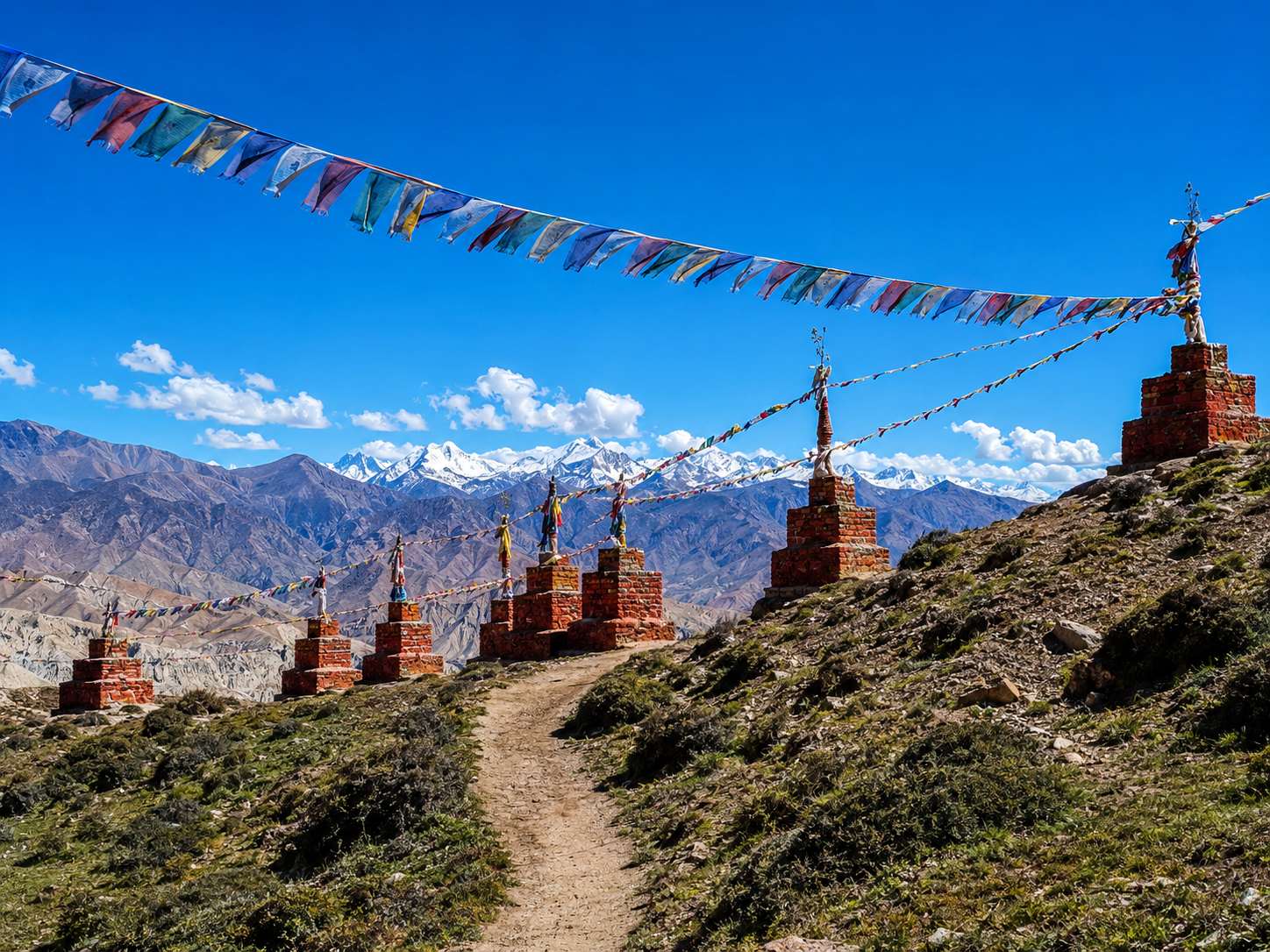
- Experience authentic Tibetan-influenced mountain culture through ancient villages, traditional lifestyles, Buddhist monasteries, prayer walls, and centuries-old local traditions.
- Cross the spectacular Kang La Pass (5,320m), a challenging yet rewarding Himalayan pass offering unforgettable views of the Annapurna and surrounding mountain ranges.
- Discover the ancient Phu Village, a unique Himalayan settlement known for its medieval atmosphere, stone-built houses, dramatic landscapes, and rich cultural heritage.
- Enjoy breathtaking Himalayan scenery including views of Himlung Himal, Annapurna ranges, Manaslu region peaks, and impressive high-altitude landscapes.
- Walk through diverse natural environments, from lush valleys and forests to rocky cliffs, alpine terrain, and remote mountain landscapes.
- Visit traditional settlements such as Meta, Kyang, and Nar, experiencing the peaceful lifestyle of communities that have remained closely connected with Himalayan traditions.
- Enjoy meaningful acclimatization and exploration days that allow time to understand local culture, visit viewpoints, and appreciate the surrounding beauty at a comfortable pace.
- Travel through less crowded trekking routes, providing a more peaceful and personal Himalayan adventure compared to popular trekking trails.
- Create lifelong memories with professional Himalayan support, guided by the experienced trekking team of Himalayan Sherpa Exodus Team committed to safety, comfort, and authentic mountain experiences.
Day 01 :
Arrival in Kathmandu, Nepal (1,400m)
Accommodation: Hotel in Kathmandu
Walking Distance: No trekking
Welcome to Nepal! Upon your arrival at Tribhuvan International Airport, our representative from Himalayan Sherpa Exodus Team Treks & Expeditions Pvt. Ltd. will warmly receive you and transfer you to your hotel in Kathmandu.
Kathmandu, the cultural heart of Nepal, is a historic valley filled with ancient temples, traditional courtyards, and UNESCO World Heritage sites. During the welcome briefing, our trekking team will provide important information about the journey, safety guidelines, equipment preparation, and the upcoming adventure into the remote Nar Phu Valley.
Highlights:
- Arrival and warm Himalayan hospitality
- Trek preparation and briefing
- Introduction to Nepalese culture and lifestyle
Day 02 :
Scenic Drive from Kathmandu to Dharapani via Besisahar
Elevation: Kathmandu (1,400m) → Dharapani (1,860m)
Driving Distance: Approximately 220 km
Driving Duration: 8–10 hours
After breakfast, we begin our scenic journey toward the Annapurna region. The drive follows the Prithvi Highway alongside the Trishuli and Marshyangdi Rivers, passing through green hills, terraced farmland, waterfalls, and traditional settlements.
From Besisahar, the gateway town of the Annapurna region, the road continues through the beautiful Marshyangdi Valley toward Dharapani. Depending on road conditions and trekking arrangements, the overnight stay may also be arranged at Koto (2,630m).
Dharapani is a traditional Gurung settlement, while Koto represents the transition into the remote Nar Phu Valley area, where Tibetan-influenced cultures become more prominent.
Highlights:
- Scenic Himalayan foothill landscapes
- Riverside drive through Marshyangdi Valley
- Traditional Gurung villages and mountain communities
Day 03 :
Trek from Koto to Meta via Chhomchu
Elevation: Koto (2,630m) → Meta (3,570m)
Walking Duration: 7–8 hours
Approximate Distance: 14–16 km
Today marks the beginning of the remote Nar Phu Valley trekking experience. Leaving Koto, we enter the restricted Nar Phu region through a narrow gorge carved by the Phu Khola River.
The trail passes through dense pine and rhododendron forests, rocky landscapes, and several suspension bridges. The route gradually climbs toward Meta, a beautiful high-altitude settlement located on a hillside overlooking the valley.
Meta is a small Tibetan-influenced village with traditional stone houses, grazing fields, and spectacular views of Lamjung Himal, Annapurna II, and nearby peaks.
Highlights:
- Entry into the remote Nar Phu Valley
- Deep Himalayan gorge and forest trails
- Traditional mountain village atmosphere
Day 04 :
Trek from Meta to Kyang
Elevation: Meta (3,570m) → Kyang (3,820m)
Walking Duration: Around 4 hours
Approximate Distance: 8–10 km
The trail continues deeper into the isolated Himalayan landscape. Leaving Meta, we follow the Phu River through dry alpine terrain, ancient monasteries, and dramatic cliffs.
The route gradually ascends toward Kyang, a small settlement surrounded by barren Himalayan landscapes. The region reflects the influence of Tibetan plateau geography, with dry valleys, rocky slopes, and limited vegetation due to the high altitude.
Kyang provides a peaceful overnight stop before reaching the culturally rich Phu Village.
Highlights:
- Remote Trans-Himalayan landscape
- Ancient Buddhist cultural influence
- Peaceful high-altitude environment
Day 05 :
Trek from Kyang to Phu Village
Elevation: Kyang (3,820m) → Phu Village (4,250m)
Walking Duration: 4–5 hours
Approximate Distance: 8 km
Today is one of the most memorable sections of the trek as we approach the legendary Phu Village. The trail follows the Phu Khola through dramatic rock formations and narrow valleys before reaching the spectacular entrance of Phu.
Phu Village is one of Nepal’s most unique settlements, located high above the valley floor. The village features traditional stone houses, ancient Buddhist monasteries, prayer flags, and a lifestyle that has remained largely unchanged for generations.
The local community mainly practices traditional agriculture and livestock farming, especially yak and sheep herding, adapting to the challenging Himalayan environment.
Highlights:
- Arrival at the historic Phu Village
- Ancient Tibetan Buddhist culture
- Traditional Himalayan lifestyle and architecture
Day 06 :
Acclimatization and Exploration Day in Phu Village
Elevation: Phu Village (4,250m)
Walking Duration: Optional 3–5 hours exploration
A dedicated acclimatization day allows your body to adjust to the increasing altitude while exploring the unique surroundings of Phu.
You may hike toward nearby viewpoints, explore ancient monasteries, walk around the traditional village, or take an optional excursion toward the Himlung Himal Base Camp area.
The day provides an opportunity to understand the local culture, interact with residents, and appreciate the remarkable harmony between people and the harsh Himalayan environment.
Highlights:
- Altitude adaptation
- Exploration of ancient village life
- Himalayan viewpoints and cultural discovery
Day 07 :
Trek from Phu Village to Nar Phedi
Elevation: Phu Village (4,250m) → Nar Phedi (3,490m)
Walking Duration: 5–6 hours
Approximate Distance: 12 km
We leave the fascinating Phu Valley and retrace part of the trail before turning toward Nar Phedi.
Nar Phedi is a peaceful monastic settlement located beside the trekking route. The small monastery lodge provides a simple yet meaningful experience, allowing trekkers to observe the spiritual lifestyle of Himalayan Buddhist communities.
Highlights:
- Remote mountain trail
- Peaceful monastery surroundings
- Spiritual Himalayan atmosphere
Day 08 :
Trek from Nar Phedi to Nar Village
Elevation: Nar Phedi (3,490m) → Nar Village (4,200m)
Walking Duration: 2–3 hours
Approximate Distance: 5 km
A short but scenic climb takes us to Nar Village, one of the most beautiful settlements in the region.
Surrounded by high mountains and grazing fields, Nar Village offers spectacular views and an authentic experience of traditional Himalayan life. The village is known for its stone houses, Buddhist culture, and agricultural practices adapted to the high-altitude environment.
Highlights:
- Traditional Nar settlement
- Mountain views and cultural interaction
- Relaxed afternoon exploration
Day 09 :
Exploration Day in Nar Village
Elevation: Nar Village (4,200m)
Today is reserved for exploring Nar Village and preparing for the challenging Kang La Pass crossing.
You can visit local monasteries, interact with villagers, explore surrounding viewpoints, and observe traditional farming and livestock practices.
This rest day also helps ensure proper acclimatization before crossing the high mountain pass.
Highlights:
- Cultural immersion
- Local lifestyle experience
- Preparation for Kang La Pass
Day 10 :
Cross Kang La Pass and Descend to Ngawal/Braga/Manang
Elevation: Nar Village (4,200m) → Kang La Pass (5,320m) → Ngawal/Braga/Manang
Walking Duration: 7–8 hours
Approximate Distance: 15–18 km
This is the most challenging and rewarding day of the trek. We begin early morning and ascend gradually toward Kang La Pass (5,320m), the highest point of the journey.
From the top of the pass, trekkers are rewarded with breathtaking views of the Annapurna mountain range, Gangapurna, Tilicho Peak, Himlung Himal, and the surrounding Himalayan wilderness.
After enjoying the magnificent scenery, we descend toward the Annapurna Circuit region through alpine landscapes and reach Ngawal, Braga, or Manang depending on the trekking pace and conditions.
Highlights:
- Crossing a spectacular Himalayan pass
- Panoramic mountain views
- Transition from remote Nar Phu to Annapurna region
Day 11 :
Trek from Manang to Chame
Elevation: Manang (3,540m) → Chame (2,710m)
Walking Duration: 5–6 hours
Approximate Distance: 15 km
The trail gradually descends through the beautiful Marshyangdi Valley. Leaving the dry alpine landscape behind, we return toward greener forests and more populated settlements.
Chame is the administrative center of Manang District and offers beautiful views of Lamjung Himal and Annapurna II.
Highlights:
- Scenic valley descent
- Pine forests and mountain villages
- Annapurna region landscapes
Day 12 :
Trek or Drive from Chame to Dharapani/Jagat
After breakfast in Chame, we will begin our scenic drive towards Besisahar, following the winding mountain road along the Marsyangdi River. The journey offers beautiful views of the Annapurna and Manaslu mountain ranges, lush hills, waterfalls, traditional villages, and the changing landscapes of the Himalayan region. The road gradually descends from the higher Himalayan terrain towards the lower valleys, providing a memorable final glimpse of the trekking region.
The drive from Chame to Besisahar is approximately 65 km and takes around 3-4 hours, depending on road conditions and weather. Upon arrival in Besisahar, we will take a short break and continue our journey towards Kathmandu.
The drive from Besisahar to Kathmandu is approximately 175 km and takes around 6–7 hours by private vehicle, depending on traffic and road conditions. The route passes through beautiful countryside landscapes, rivers, terraced farmland, and busy towns before reaching the Kathmandu Valley.
After completing the scenic drive, we will arrive in Kathmandu, marking the successful completion of the Nar Phu Valley Trek. Upon arrival, you will be transferred to your hotel for rest and relaxation. This evening, you may enjoy a farewell dinner and share memorable experiences from the incredible Himalayan adventure.
Day 13 :
Leisure Day in Kathmandu and Final Departure
Elevation: Kathmandu (1,400m)
Your final day in Nepal is reserved for personal activities, shopping, cultural sightseeing, or relaxation before your international departure.
Our team will arrange airport transportation according to your flight schedule and ensure a smooth farewell.
Highlights:
- Free time in Kathmandu
- Last-minute shopping and exploration
- Farewell with Himalayan Sherpa Exodus Team Treks & Expeditions Pvt. Ltd.
Nar Phu Valley Trek
The Trip Package Cost Includes
- Airport pickup and drop-off service in Kathmandu upon arrival and departure.
- Kathmandu hotel accommodation as per the itinerary before and after the trek.
- All necessary ground transportation mentioned in the trekking itinerary.
- Transportation from Kathmandu to the trekking starting point and return transportation after completing the trek.
- Comfortable mountain lodge and teahouse accommodation throughout the trekking route.
- Three meals per day during the trek (breakfast, lunch, and dinner).
- Tea/coffee and necessary refreshments during trekking days.
- Experienced, licensed, and professional trekking guide service.
- Porter support for carrying luggage and trekking equipment.
- Guide and porter wages, meals, accommodation, insurance, and required expenses.
- Annapurna Conservation Area Permit (ACAP).
- Nar Phu Valley Restricted Area Permit.
- Trekking registration and necessary local documentation.
- Pre-trek briefing and trekking preparation support.
- Route guidance, altitude management support, and assistance throughout the trek.
- Necessary coordination and support from our experienced Himalayan trekking team.
The Trip Package Cost Excludes
- International airfare to and from Nepal.
- Nepal entry visa fee and personal travel documents.
- Personal travel insurance, including medical expenses and emergency evacuation coverage.
- Helicopter rescue or emergency evacuation costs, if required.
- Personal trekking equipment such as trekking boots, clothing, sleeping bags, backpacks, and trekking poles.
- Personal expenses such as snacks, alcoholic beverages, bottled drinks, and souvenirs.
- Additional hotel nights, meals, or transportation outside the scheduled itinerary.
- Extra expenses caused by flight delays, weather conditions, natural disasters, political situations, or unforeseen circumstances.
- Internet/Wi-Fi charges, phone calls, battery charging fees, and laundry expenses during the trek.
- Personal medical expenses and medicines.
- Tips and gratitude for trekking guides, porters, drivers, and supporting staff.
- Any services or expenses not specifically mentioned under the “Included” section.
Best Time to Trek Nar Phu Valley
The Nar Phu Valley Trek is best enjoyed during the seasons when the weather is stable, mountain views are clear, and the trekking trails remain accessible.
Spring Season (March to May)
Spring is one of the most beautiful periods for trekking in the Nar Phu region. The valleys become vibrant with blooming rhododendrons, pleasant temperatures, and clear views of the surrounding Himalayan peaks.
Highlights:
- Comfortable daytime temperatures.
- Colorful Himalayan landscapes.
- Excellent mountain visibility.
- Suitable conditions for high-altitude trekking.
Autumn Season (September to November)
Autumn is considered the ideal trekking season in Nepal due to stable weather conditions and crystal-clear mountain views. The dry atmosphere provides excellent visibility of Annapurna, Manaslu, Himlung Himal, and other Himalayan ranges.
Highlights:
- Clear skies and breathtaking scenery.
- Stable weather for crossing Kang La Pass.
- Best photography opportunities.
- Comfortable trekking conditions.
Winter and Monsoon Considerations
Winter trekking is possible for experienced trekkers but requires proper preparation due to heavy snowfall and cold temperatures, especially around Kang La Pass. The monsoon season is generally less recommended because rainfall may affect road conditions and trail accessibility.
Trek Difficulty
The Nar Phu Valley Trek is considered a moderate to challenging high-altitude trekking adventure that requires good physical preparation, endurance, and a positive mindset.
The trek involves long walking days, steep ascents, rocky trails, and a crossing of the challenging Kang La Pass at 5,320 meters. Although technical climbing skills are not required, trekkers should be comfortable walking in remote mountain environments and changing weather conditions.
Difficulty Factors:
- High-altitude trekking above 4,000 meters.
- Long walking sections with gradual elevation gain.
- Remote and less-developed mountain trails.
- Crossing Kang La Pass with steep ascents and descents.
- Limited facilities compared to popular trekking routes.
With proper acclimatization, preparation, and support from an experienced trekking team, this journey is achievable for passionate trekkers seeking an authentic Himalayan experience.
Acclimatization & Altitude Sickness
Altitude adaptation is an important part of the Nar Phu Valley Trek due to the significant elevation gain during the journey. The itinerary is carefully planned with adequate rest and exploration days in Phu Village and Nar Village to allow your body to adjust naturally.
Altitude-related symptoms may occur when traveling above 3,000 meters, including headache, tiredness, reduced appetite, dizziness, or difficulty sleeping. Our experienced trekking guides monitor your health condition throughout the trek and provide proper guidance for safe altitude management.
Important Altitude Preparation Tips:
- Walk slowly and maintain a comfortable pace.
- Drink sufficient water throughout the day.
- Avoid excessive alcohol consumption at high altitude.
- Allow your body enough time to adjust.
- Inform your guide immediately if you feel unusual symptoms.
Your safety remains our highest priority, and our team follows responsible trekking practices to ensure a secure Himalayan adventure.
Himalayan Culture & Ancient Monasteries
The Nar Phu Valley Trek is not only a mountain adventure but also a journey into the living heritage of the Himalayan people. The remote villages of Nar and Phu preserve centuries-old Tibetan Buddhist traditions, unique architecture, and a lifestyle shaped by the challenging mountain environment.
Throughout the trek, you will encounter:
- Traditional stone-built villages.
- Ancient Buddhist monasteries and prayer sites.
- Mani walls, prayer flags, and sacred landmarks.
- Tibetan-influenced customs and festivals.
- Local communities practicing traditional agriculture and livestock farming.
Phu Village and Nar Village are especially fascinating due to their isolated location and preserved cultural identity. The warm hospitality of local residents offers travelers a meaningful connection with authentic Himalayan life.
Preparation Guide
Proper preparation helps ensure a safe, comfortable, and enjoyable Nar Phu Valley trekking experience.
Physical Preparation
- Begin fitness training several weeks before the trek.
- Include walking, hiking, cardiovascular exercises, and strength training.
- Practice walking with a backpack to build endurance.
Essential Trekking Equipment
Recommended personal equipment includes:
- Comfortable trekking boots.
- Warm layered clothing suitable for cold mountain conditions.
- Waterproof jacket and trekking pants.
- Sleeping bag suitable for high altitude.
- Sunglasses, sunscreen, gloves, and warm hat.
- Personal medication and basic first-aid supplies.
- Trekking poles for support on steep sections.
Mental Preparation
The Nar Phu Valley Trek requires patience, flexibility, and appreciation for remote mountain conditions. The journey is about experiencing nature, culture, and adventure at a peaceful Himalayan pace.
Weather & Climate
The weather in the Nar Phu Valley changes significantly with altitude. Lower valleys experience relatively mild conditions, while higher areas around Phu, Nar, and Kang La Pass can be cold and unpredictable.
Lower Region (Koto to Meta)
- Pleasant temperatures with forest and river landscapes.
- Moderate daytime conditions during trekking seasons.
High Himalayan Region (Phu, Nar, Kang La Pass)
- Cooler temperatures with strong winds and colder nights.
- Possible snowfall at higher elevations.
- Weather conditions can change quickly.
Seasonal Overview
- Spring: Mild temperatures, blooming landscapes, clear mountain views.
- Autumn: Stable weather, dry trails, excellent visibility.
- Winter: Cold temperatures and possible snowfall.
- Monsoon: Rainfall may affect transportation and trail conditions.
With careful planning, suitable equipment, and professional support from Himalayan Sherpa Exodus Team Treks & Expeditions Pvt. Ltd., the Nar Phu Valley Trek becomes a safe, rewarding, and unforgettable Himalayan experience.
Accommodation
During the Nar Phu Valley Trek, Himalayan Sherpa Exodus Team Treks & Expeditions Pvt. Ltd. arranges comfortable and reliable accommodation according to the remote mountain environment and available facilities along the trail.
In Kathmandu, you will stay in a comfortable hotel with essential modern facilities before and after the trek. During the trekking period, accommodation will be provided in traditional mountain teahouses and local lodges operated by Himalayan communities.
The mountain lodges offer a simple yet authentic Himalayan experience, allowing trekkers to stay close to local culture and nature. Rooms are generally twin-sharing with basic bedding facilities, and common dining areas provide a warm place to relax after trekking.
Accommodation Features:
- Comfortable Kathmandu hotel stay as per itinerary.
- Clean and safe mountain teahouse/lodge accommodation.
- Twin-sharing room arrangements during the trek.
- Traditional Himalayan hospitality and local atmosphere.
- Basic facilities suitable for remote high-altitude areas.
Please note that facilities become more basic as the trail reaches higher and more isolated areas such as Phu and Nar Valley. The simplicity of mountain accommodation is part of the authentic Himalayan experience.
Meals During the Trek
Nutritious food plays an important role in maintaining energy during a high-altitude trek. Our trekking package includes full-board meals throughout the trekking period, prepared by local teahouses and lodges along the route.
Meals are selected to provide sufficient energy, comfort, and variety while considering the challenges of high-altitude walking.
Meals Include:
- Breakfast before starting each trekking day.
- Lunch during the trekking journey.
- Dinner after reaching the overnight destination.
- Tea and coffee during meal times.
Common Food Options:
- Traditional Nepali dal bhat (rice, lentils, and vegetables).
- Noodles, pasta, soups, and seasonal vegetables.
- Tibetan-style dishes such as momo and thukpa.
- Bread, eggs, porridge, and pancakes.
- Simple vegetarian and non-vegetarian options.
Our team encourages trekkers to maintain a balanced diet and stay properly hydrated throughout the journey.
Drinking Water
Staying hydrated is essential while trekking at high altitude. Clean drinking water facilities are available throughout the Nar Phu Valley route.
Trekkers can refill drinking water at teahouses and local lodges along the trail. We recommend using reusable water bottles and proper water purification methods to reduce plastic waste and support responsible trekking practices.
Recommended Options:
- Refill water from reliable mountain sources.
- Carry reusable water bottles or hydration systems.
- Use water purification tablets, filters, or UV sterilization methods.
- Drink sufficient water throughout the day.
Avoid excessive use of disposable plastic bottles to help protect the fragile Himalayan environment.
Internet & Charging Facilities
Due to the remote nature of the Nar Phu Valley, communication and electricity facilities are limited compared to urban areas.
Most teahouses provide basic charging facilities, usually available in common dining areas. Mobile network coverage may be available in some locations but can be unreliable in higher and more isolated sections.
Important Information:
- Charging facilities are available at selected lodges.
- Extra charges may apply for electronic device charging.
- Internet/Wi-Fi availability is limited and may require additional payment.
- Carrying a power bank or solar charger is recommended.
- Mobile signals may not be available throughout the entire route.
The limited connectivity provides an opportunity to disconnect from daily routines and fully enjoy the peaceful Himalayan surroundings.
Travel Insurance
Travel insurance is an essential requirement for the Nar Phu Valley Trek due to the remote terrain and high-altitude conditions. Trekkers should obtain comprehensive insurance before arriving in Nepal, covering possible risks associated with Himalayan trekking.
Your insurance should include:
- Emergency medical treatment.
- High-altitude trekking coverage.
- Emergency helicopter evacuation.
- Accident and injury protection.
- Trip cancellation or interruption coverage.
- Loss or damage of personal belongings.
Himalayan Sherpa Exodus Team Treks & Expeditions Pvt. Ltd. strongly recommends that every traveler carries valid insurance documentation before beginning the trek.
Packing List
Proper equipment preparation helps ensure a comfortable and successful trekking experience. The following items are recommended for the Nar Phu Valley Trek:
Clothing
- Moisture-wicking base layers.
- Warm fleece jacket.
- Down jacket for high-altitude sections.
- Waterproof jacket and trousers.
- Trekking pants and thermal layers.
- Warm hat, gloves, and neck warmer.
- Comfortable trekking socks.
Footwear
- Strong and comfortable trekking boots.
- Camp shoes or sandals.
- Gaiters (recommended for snowy conditions).
Personal Equipment
- Comfortable backpack.
- Sleeping bag suitable for cold temperatures.
- Trekking poles.
- Sunglasses with UV protection.
- Sunscreen and lip balm.
- Headlamp with spare batteries.
- Water bottle or hydration system.
Health & Personal Items
- Personal medicines.
- Basic first-aid supplies.
- Hand sanitizer and toiletries.
- Quick-dry towel.
- Personal snacks and energy bars.
Packing should be practical and lightweight while ensuring warmth and comfort in changing Himalayan conditions.
Safety Measures
Safety is the highest priority throughout the Nar Phu Valley Trek. Our experienced trekking team follows careful planning and responsible trekking practices to provide a secure and enjoyable journey.
Safety Arrangements Include:
- Experienced and licensed trekking guides.
- Proper acclimatization schedule.
- Daily monitoring of health and altitude conditions.
- Careful pace management according to individual ability.
- Route assessment and weather consideration.
- Emergency communication and coordination support.
- Assistance during challenging sections, including Kang La Pass crossing.
Our guides are trained to recognize altitude-related concerns and provide appropriate support whenever necessary.
Frequently Asked Questions (FAQ)
1. How difficult is the Nar Phu Valley Trek?
The Nar Phu Valley Trek is considered a moderate to challenging high-altitude trek. It requires good physical fitness due to long walking days, remote trails, and the crossing of Kang La Pass at 5,320 meters.
2. Do I need previous trekking experience?
Previous trekking experience is helpful but not mandatory. However, trekkers should have good stamina and prepare physically before joining the journey.
3. What is the highest point of the trek?
The highest point is Kang La Pass at 5,320 meters, which offers spectacular Himalayan views.
4. Is altitude sickness a concern during this trek?
Yes, altitude sickness can occur above 3,000 meters. The itinerary includes acclimatization days, and our guides provide proper guidance for safe altitude adaptation.
5. What type of accommodation is available during the trek?
Accommodation is provided in local teahouses and mountain lodges with basic facilities and comfortable sleeping arrangements.
6. Is vegetarian food available during the trek?
Yes, vegetarian meals are available throughout the trekking route. Special dietary requirements should be communicated before the trek.
7. Is drinking water available on the trail?
Yes, drinking water is available at teahouses and lodges. Trekkers should carry reusable bottles and purification methods.
8. Can I charge my electronic devices during the trek?
Charging facilities are available at many lodges, but availability may be limited in remote areas. Carrying a power bank is recommended.
9. What happens in case of an emergency?
Our team provides necessary support and coordination during emergencies. Trekkers must have travel insurance covering emergency evacuation and medical services.
10. Why choose Himalayan Sherpa Exodus Team Treks & Expeditions Pvt. Ltd. for Nar Phu Valley Trek?
We combine professional trekking expertise, local Himalayan knowledge, responsible travel practices, and personalized care to create a safe, meaningful, and unforgettable mountain experience. Our goal is to help travelers discover the hidden beauty and cultural richness of Nepal while ensuring comfort and confidence throughout the journey.
Be Well Prepared for Your Trek in Nepal
Proper preparation is the key to a safe, comfortable, and enjoyable trekking experience in Nepal. Please use this equipment guide to prepare the essential clothing, footwear, personal items, health and safety gear, and other trekking necessities according to your chosen route and season.
Pack wisely, travel comfortably, and trek confidently with Himalayan Sherpa Exodus Team.

 5320M
 Moderate