
Essential Trip Information
-
28 Days
-
Everest
-
2+
-
 6812M
6812M -
 Moderate DP++
 -
Spring (Mar - May) Autumn (Sep- Nov)
-
Nepal

Extend Your Trip






Prepared for Himalayan Sherpa Exodus Team Treks and Expedition Pvt. Ltd.
Ama Dablam, at 6,812 metres (22,349 feet), is a technical Himalayan climb known for exposed ridges, steep rock and ice sections, fixed-rope climbing and high-altitude conditions. The following information brings together the essential points climbers should understand before joining the expedition, with repeated subjects consolidated for a clearer website presentation.
| Elevation | 6,812 m / 22,349 ft |
| Recommended seasons | Spring (April-May) and Autumn (October-November) |
| Climbing nature | Technical rock, ice, snow and fixed-rope climbing |
| Recommended background | Previous mountaineering and high-altitude experience |
1. Best Time to Climb Ama Dablam
The most suitable climbing periods are generally the pre-monsoon spring season and the post-monsoon autumn season. These periods usually provide more favourable conditions for technical climbing, acclimatization and summit planning.
Spring: April-May
- Generally more moderate temperatures than winter and longer daylight hours.
- Suitable conditions for technical climbing preparation and summit attempts.
- Good Himalayan visibility and an active expedition atmosphere.
Autumn: October-November
- Clearer skies and excellent mountain visibility after the monsoon.
- Often more stable weather patterns for route assessment and summit planning.
- Clear views across the Khumbu region, including Everest, Lhotse, Makalu and surrounding peaks.
Winter and Monsoon
Attempts outside the main seasons are possible, but winter and monsoon conditions can bring greater cold, snowfall, unstable weather and additional expedition challenges. Final climbing and summit decisions should always be based on current weather, route conditions and team safety.
2. Climbing Difficulty and Recommended Experience
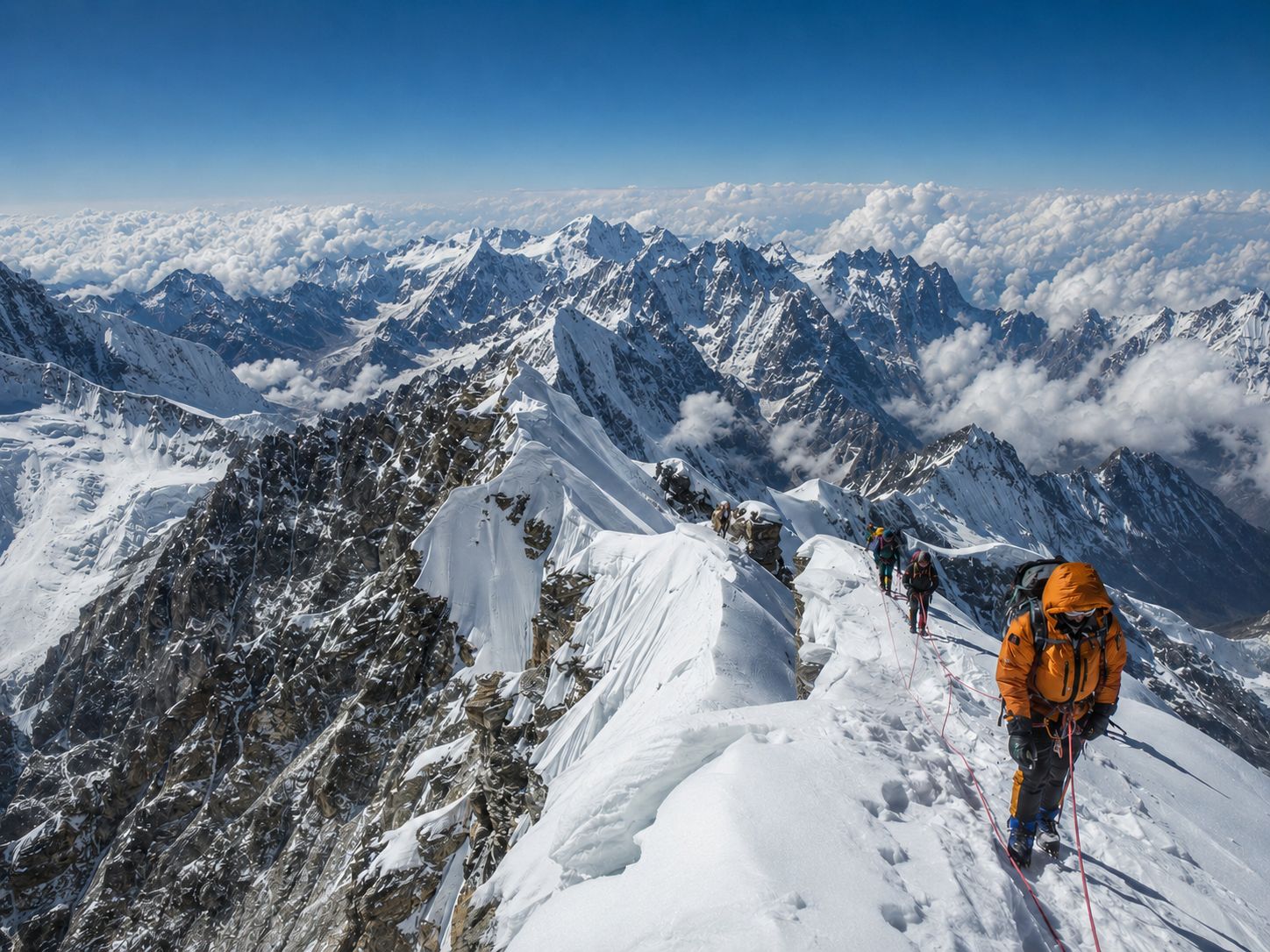
Ama Dablam is not one of Nepal’s highest mountains, but it is a serious technical objective. The standard expedition involves steep and exposed terrain, rock and ice climbing, fixed ropes and movement at high altitude.
- Rock, ice and snow climbing sections.
- Fixed-rope ascent and descent on exposed terrain.
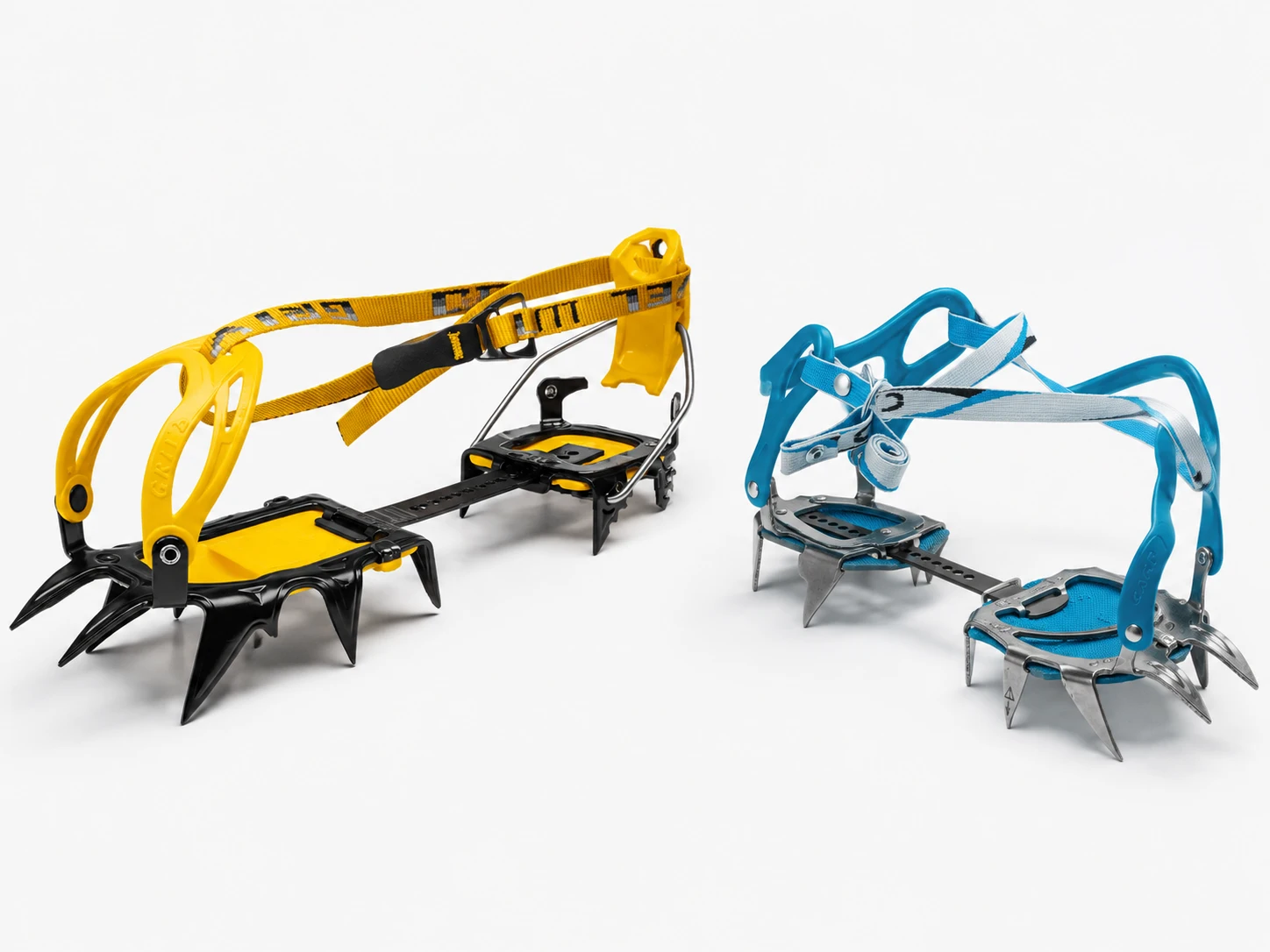
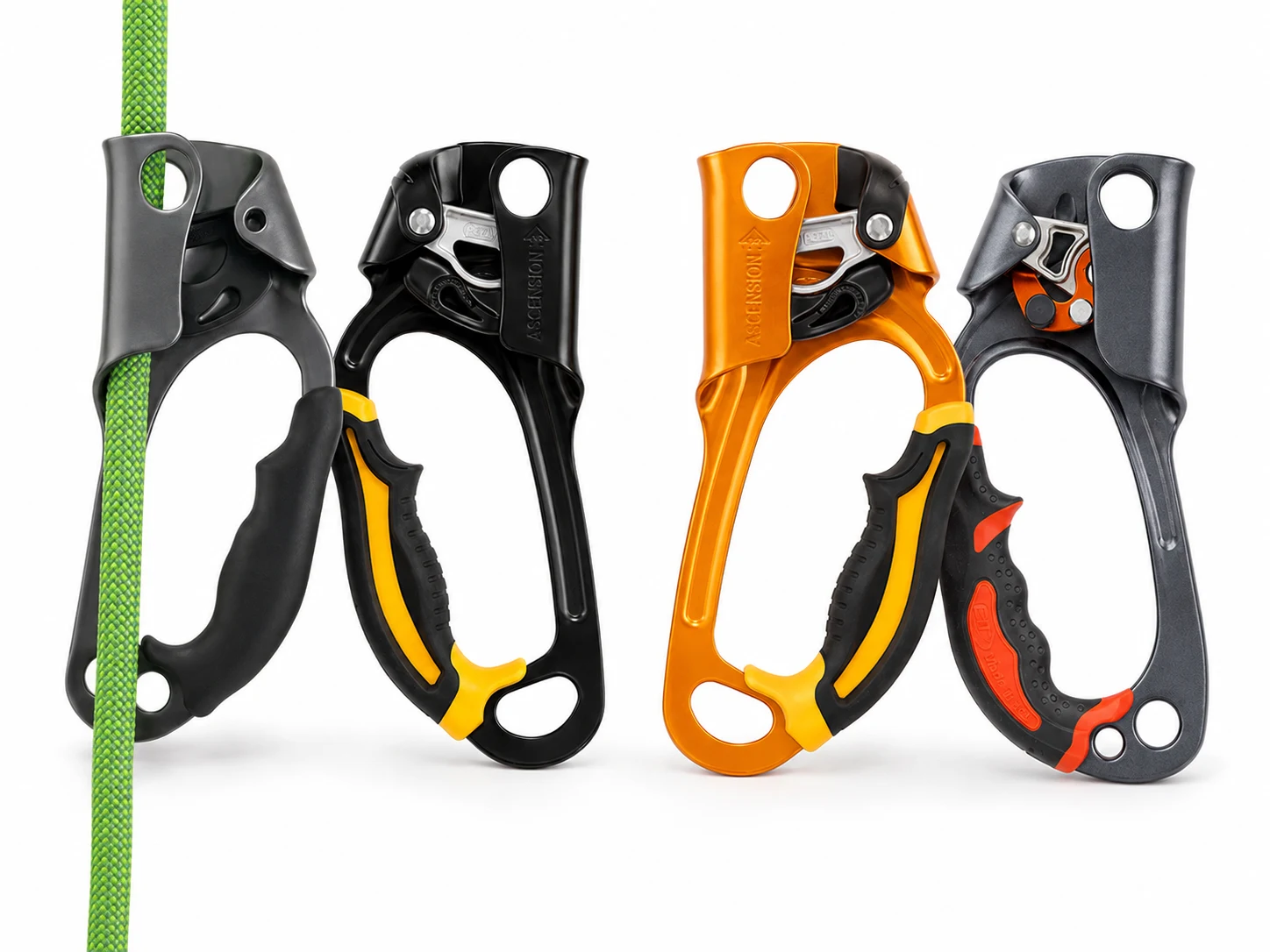
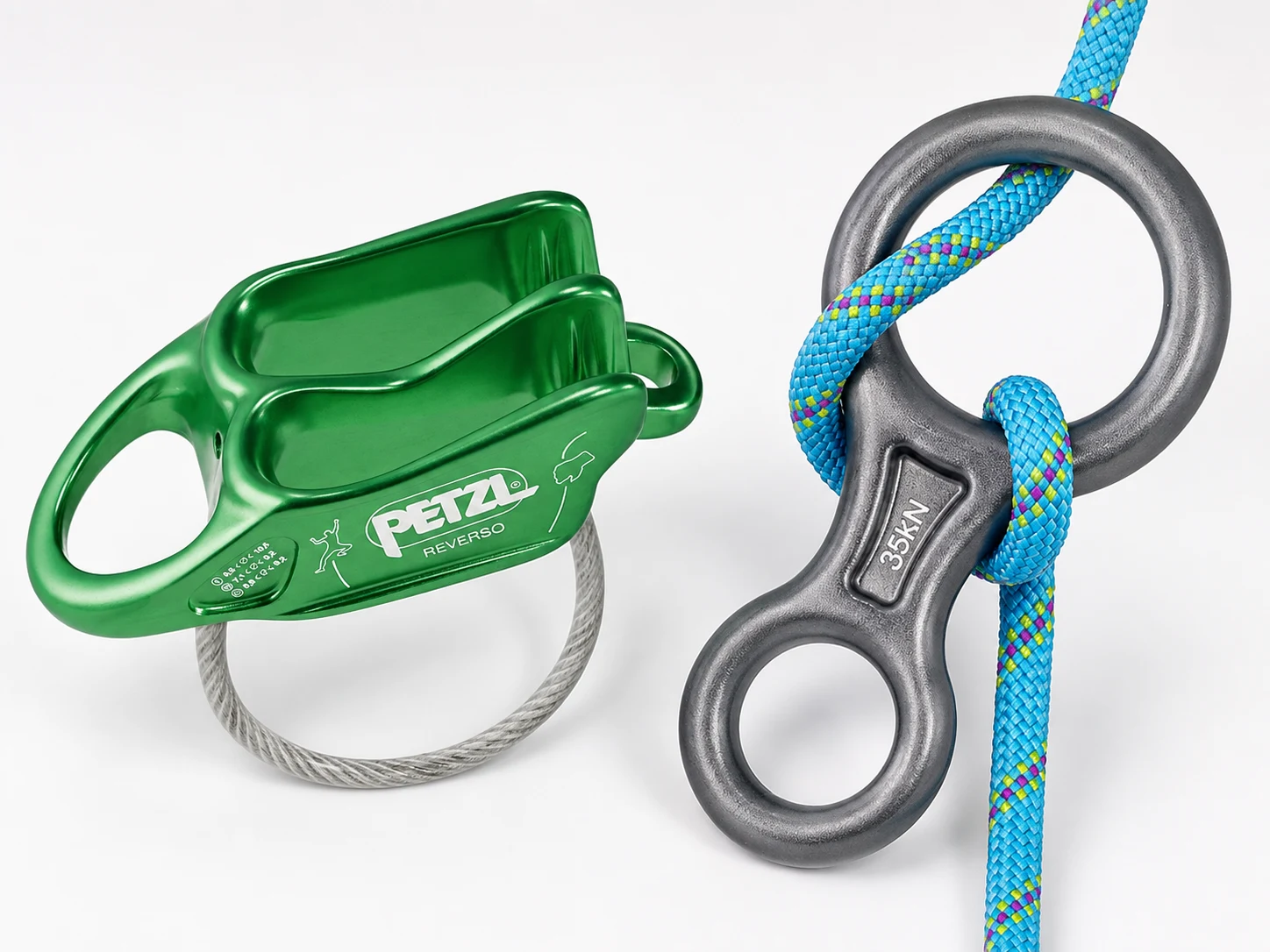
- Use of crampons, ice axe, harness, ascender and descender systems.
- Long climbing days in cold, windy and rapidly changing Himalayan conditions.
Climbers should arrive with previous mountaineering experience and confidence using essential technical equipment. Experience on high-altitude trekking peaks or other technical mountains is strongly recommended. Physical endurance, sound judgement, patience and the ability to work responsibly within a team are equally important.
3. Acclimatization and Altitude Awareness
Proper acclimatization is central to a safe Ama Dablam expedition. The programme is designed around gradual altitude gain, rest periods and climbing rotations so the body has time to adjust before moving higher.
Typical Altitude Progression
- Namche Bazaar – 3,440 m
- Pangboche – 3,860 m
- Ama Dablam Base Camp – 4,570 m
- Advanced Base Camp – 5,350 m
- Camp 1 – 5,700 m
- Camp 2 – 5,900 m
- Summit – 6,812 m
Altitude Sickness Awareness
Altitude-related illness can affect any climber, including people with previous high-altitude experience. Common symptoms may include:
- Headache
- Loss of appetite
- Nausea
- Difficulty sleeping
- Fatigue
- Shortness of breath
Climbers should report symptoms early and communicate openly with the expedition leader. A steady pace, adequate hydration, regular meals and sufficient rest are important parts of the acclimatization process.
4. Preparation Guide
Physical Preparation
- Cardiovascular endurance training
- Long-distance hiking while carrying a backpack
- Leg and core strength training
- Regular uphill walking or stair training
- Stamina development for long trekking and climbing days
Technical Preparation
Previous practical experience with the following skills is strongly recommended:
- Crampon walking
- Ice axe techniques
- Fixed-rope climbing
- Ascender and descender systems
- Glacier movement
- Basic rock and ice climbing
Mental Preparation
- Patience and a positive, realistic attitude
- Team cooperation and clear communication
- Adaptability when weather or route conditions change
- Respect for safety decisions made by expedition leaders
Pre-expedition briefings and on-mountain guidance are provided, but each climber remains responsible for arriving physically and technically prepared.
5. Essential Personal Equipment Checklist
Ama Dablam requires reliable mountaineering equipment suitable for cold, variable weather and technical climbing. The list below keeps the essential personal items from the expedition equipment guidance while removing repeated and non-essential entries.
Technical Climbing Gear
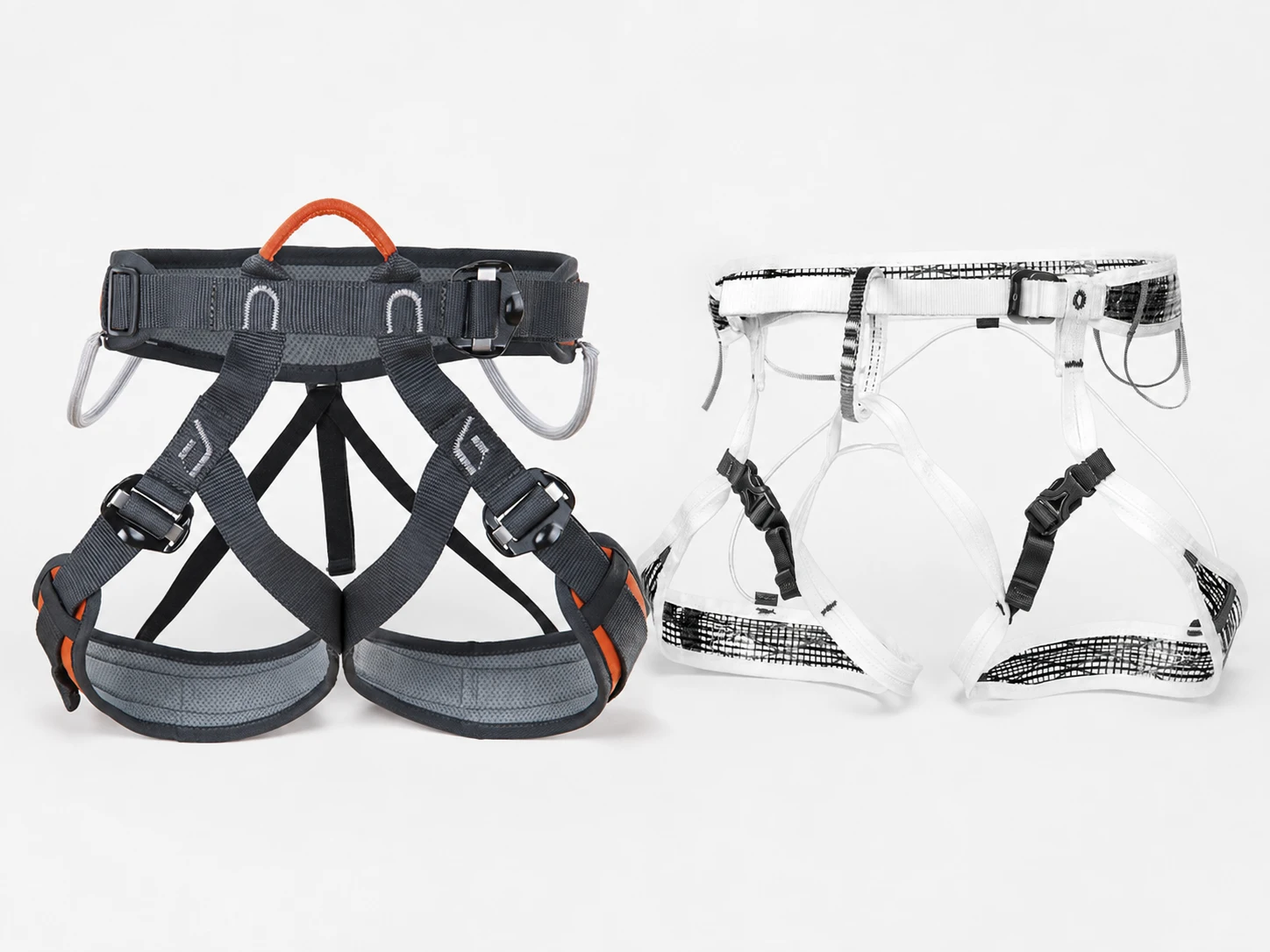
- Mountaineering climbing harness
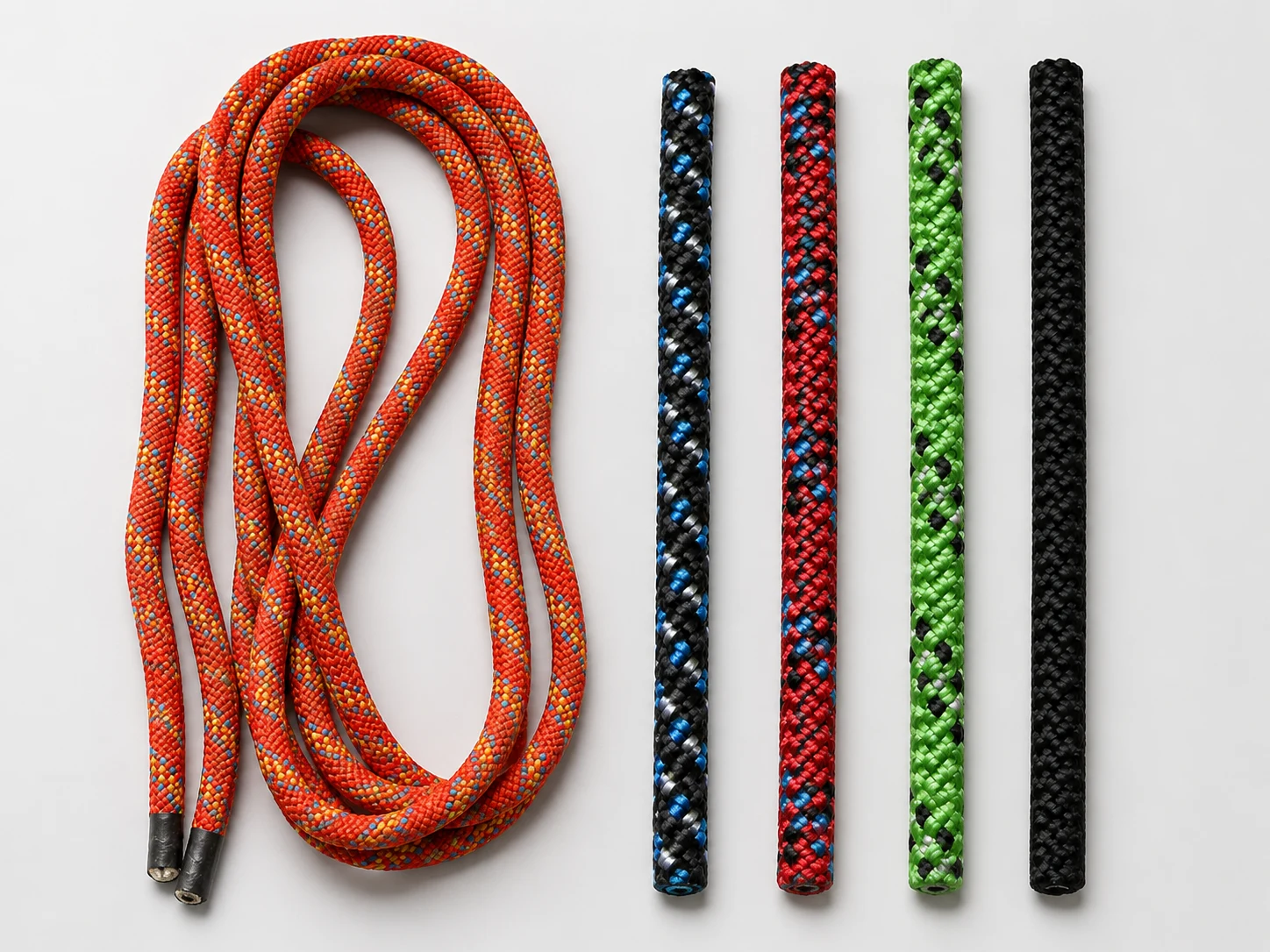
- Approximately 5 m (16 ft) of 6 mm accessory cord
- Descender/belay device suitable for fixed-line climbing
- Full-size ascender (or equivalent)
- Locking and non-locking carabiners
- Mountaineering ice axe with leash
- Steel crampons with anti-balling plates
- Climbing helmet
- Trekking poles
- Rappel/abseiling gloves
Upper-Body Clothing
- Moisture-wicking base-layer shirts, including long sleeves
- Lightweight soft-shell layer
- Medium-weight insulating layer (fleece, synthetic or down)
- Waterproof and breathable hard-shell jacket with hood
- Warm expedition down jacket with hood for upper camps and summit conditions
Hand, Head and Eye Protection
- Lightweight liner gloves
- Mid-weight wind- and water-resistant gloves
- Heavy insulated waterproof gloves
- Expedition-weight mittens
- Warm hat covering the ears
- Balaclava or face protection
- Buff or neck gaiter
- Sun hat or cap
- Glacier sunglasses with side protection
- Ski goggles suitable for changing light
- Headlamp with spare batteries
Lower-Body Clothing
- Synthetic underwear
- Trekking pants
- Lightweight thermal base-layer bottoms
- Medium- or expedition-weight thermal bottoms
- Fleece or soft-shell climbing pants
- Waterproof and breathable shell pants with side zips
- Warm insulated climbing pants for upper camps
Footwear and Socks
- High-altitude double mountaineering boots compatible with crampons and sufficiently insulated for summit conditions
- Strong trekking boots for the approach trek
- Medium/heavy wool or synthetic mountaineering socks
- Lightweight trekking socks
- Optional liner socks or down booties for added comfort
Sleeping Equipment
- High-quality down sleeping bag appropriate for extreme cold; the source guideline recommends approximately -18°C (0°F) for Ama Dablam expedition conditions
- Cold-weather sleeping mattress or insulated sleeping pad
- Repair kit for an inflatable sleeping pad if used
Backpack, Duffels and Water Containers
- 50-70 litre trekking/climbing backpack for personal carry items
- Large expedition duffle bags for transported equipment
- Protective waterproof liners or heavy-duty waterproof bags
- Two wide-mouth 1-litre water bottles or equivalent hydration capacity
- Personal pee bottle for high camps
Personal Hygiene, Sun Protection and Medical Kit
- Personal prescription medicines
- Basic first-aid supplies, bandages and adhesive tape
- Blister treatment supplies
- Personal medicines for common stomach, headache, cold or cough problems as appropriate
- Altitude medication such as acetazolamide only when advised by a qualified doctor
- Sunscreen (minimum SPF 30 recommended) and lip balm with sun protection
- Toothbrush, toothpaste, soap, hand sanitizer, small towel and wet wipes
- Water purification tablets or a personal purification device where needed
- Spare prescription glasses/contact lens supplies if applicable
Energy Food and Summit Snacks
Climbers are encouraged to carry familiar high-energy snacks that are easy to eat during trekking and climbing. The original expedition guidance suggests approximately 2-4 kg depending on personal preference and dietary needs.
- Energy bars, chocolate, nuts, dried fruit or trail mix
- Protein or other familiar high-energy snacks
- Lightweight summit-day snacks and easy-to-carry high-altitude food
Travel Documents and Essential Accessories
- Passport, visa and required expedition/travel documents
- Copies of passport, visa and insurance details
- Comprehensive travel insurance information
- Cash and bank cards
- Extra batteries, power banks and necessary charging accessories
- Small repair tape and basic personal equipment repair items
6. Group Equipment and Expedition Support
Himalayan Sherpa Exodus Team Treks and Expedition Pvt. Ltd. provides the core group equipment and expedition infrastructure required for the organised climb.
- Climbing ropes and established rope systems
- Ice, rock and snow protection equipment
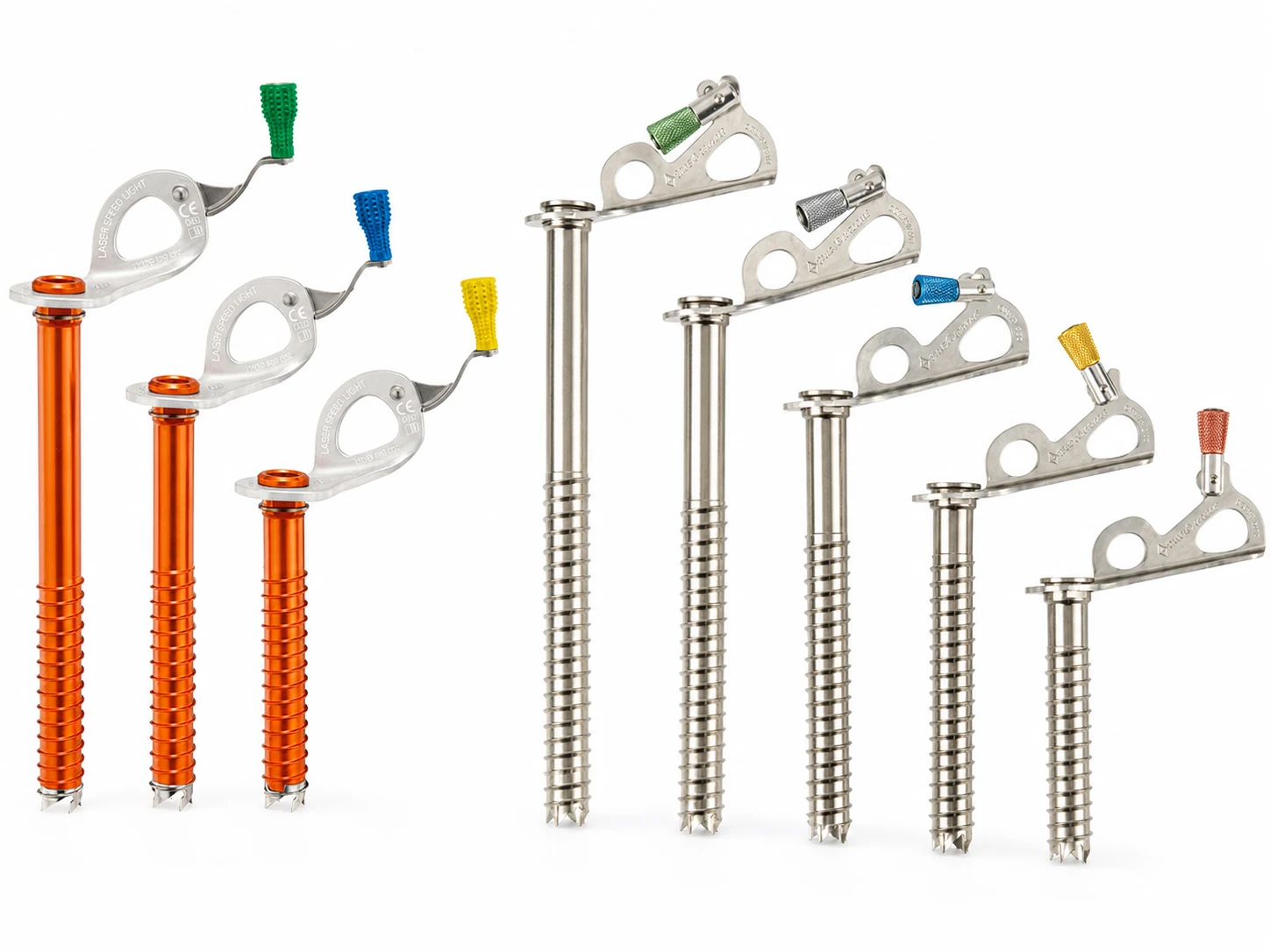
- Snow and rock anchors
- Expedition tents
- Cooking stoves, fuel and kitchen equipment
- Base Camp dining and kitchen facilities
- Walkie-talkie communication radios
- Route-marking equipment and marker poles
- General expedition supplies required for team operations
Base Camp Facilities
- Individual sleeping tents for climbers
- Dining tent and kitchen support
- Toilet facilities
- Shower facilities where possible
- Solar charging facilities for basic electronic devices where possible
Higher Camps
Shared high-altitude tents are arranged according to expedition requirements. The climbing team also provides route support and the rope systems needed for the established technical route.
7. Accommodation
Kathmandu and Ramechhap
Hotel accommodation is arranged before and after the mountain programme, with comfortable rooms and standard facilities.
Approach and Return Trek
Accommodation is generally in traditional mountain teahouses, offering basic rooms and local Himalayan hospitality.
Ama Dablam Base Camp and Higher Camps
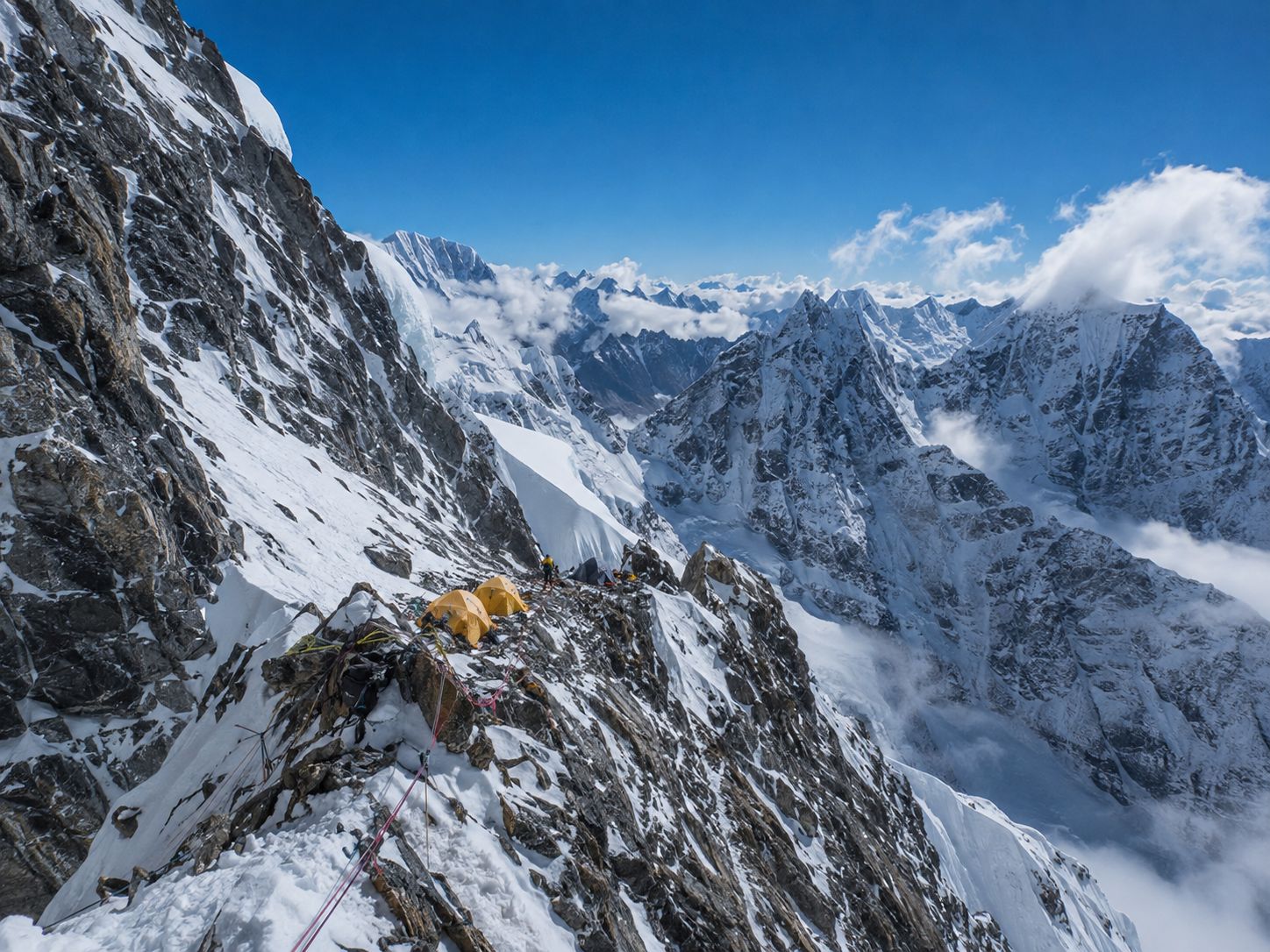
At Base Camp, climbers stay in expedition sleeping tents supported by dining, kitchen and sanitation facilities. At Advanced Base Camp, Camp 1 and Camp 2, high-altitude tents are used and are normally shared according to expedition requirements.
8. Meals and Drinking Water
Meals During the Trek
Meals on the trekking route are provided through local teahouses and typically include a selection of Nepali and familiar mountain dishes such as rice, lentils, vegetables, noodles, pasta, soups, eggs, bread and hot drinks.
Meals at Base Camp and During the Climb
The expedition kitchen team prepares warm, balanced food for high-altitude conditions, with emphasis on sufficient calories, carbohydrates for energy, protein for recovery and food that is practical to digest at altitude.
Drinking Water
Boiled drinking water is arranged during the expedition, with purification support where required. Climbers should carry reusable water bottles or suitable hydration containers and make consistent hydration a daily priority.
9. Internet, Charging and Communication
Communication becomes more limited as the expedition moves higher into the mountains.
- Kathmandu and many lower-route teahouses may have Wi-Fi access.
- At Base Camp, solar charging may be available where conditions and expedition arrangements allow.
- At higher camps, charging and communication options are limited; climbers should carry spare batteries and power banks.
- The expedition team uses communication radios for team coordination and emergency response.
10. Travel Insurance
Comprehensive travel insurance is mandatory for expedition members. Standard travel policies may not cover technical Himalayan mountaineering, so climbers must confirm that their policy specifically includes the activities and altitude involved in an Ama Dablam climb.
The policy should include, as applicable:
- High-altitude mountaineering coverage
- Emergency helicopter evacuation
- Medical treatment expenses
- Accident coverage
- Trip cancellation or interruption protection
Valid insurance details must be provided before joining the expedition.
11. Himalayan Culture and Local Traditions
The approach to Ama Dablam passes through the Khumbu, a region strongly shaped by Sherpa communities and Buddhist traditions. The journey offers climbers an opportunity to experience local villages, monasteries, prayer sites, mani walls and traditional Himalayan hospitality.
Before climbing, the team participates in the traditional Sherpa Puja ceremony at Base Camp. The ceremony is a meaningful local tradition in which climbers and Sherpa team members seek blessings for safety and show respect for the mountain and the climbing journey.
12. Safety Measures and Responsible Mountain Practices
Safety is the priority throughout the expedition. Summit success is important, but decisions are made with the wellbeing of the team and a safe return as the primary objective.
Experienced Climbing Leadership
- The expedition is led by experienced climbing Sherpas and mountain professionals familiar with the Ama Dablam route.
- Guides provide technical direction, route support and ongoing observation throughout the climb.
- Mountain and route conditions are evaluated before major climbing decisions are made.
Acclimatization and Technical Safety
- The programme uses gradual altitude gain, rest periods and climbing rotations.
- Equipment checks and fixed-rope guidance are provided before technical sections.
- Correct use of harnesses, ascenders, crampons and climbing systems is emphasised.
Weather and Summit Decisions
- Weather forecasts and route conditions are reviewed regularly.
- Summit attempts are planned only when conditions are considered reasonably safe.
- The expedition leader may change plans when weather, route conditions or team wellbeing require it.
Emergency Preparedness
- Communication systems are maintained for team coordination and emergency response.
- First-aid support and basic medical supplies are carried during the expedition.
- All climbers must hold appropriate insurance for high-altitude mountaineering and emergency evacuation.
Responsible Mountain Practices
- Respect local Sherpa culture, monasteries and mountain traditions.
- Protect the natural environment and follow responsible waste-management practices.
- Follow Leave No Trace principles throughout the trekking and climbing journey.
Important: Himalayan weather, route conditions and high-camp arrangements can change. Expedition operations and summit plans may be adjusted when required for safety or practical mountain conditions.
Frequently Asked Questions (FAQ)
1. How do I obtain my visa for the Ama Dablam Expedition?
Most international climbers can obtain a Nepal tourist visa either on arrival at Tribhuvan International Airport in Kathmandu or through a Nepalese embassy/consulate before travelling.
The visa process requires a valid passport, passport photographs and the applicable visa fee. Our team provides necessary arrival guidance and support after you reach Nepal.
2. Why climb Ama Dablam?
Ama Dablam is considered one of the most beautiful mountains in the Himalayas. Its elegant pyramid-shaped summit, dramatic ridges and spectacular position in the Khumbu region make it a dream objective for many experienced climbers.
The expedition offers:
- A challenging but rewarding technical climb
- Incredible Himalayan scenery
- Authentic Sherpa cultural experiences
- A less crowded alternative compared with some major Himalayan peaks
- The opportunity to stand on one of Nepal’s iconic summits
3. How is Ama Dablam compared to Everest in terms of difficulty and beauty?
Ama Dablam and Everest offer completely different climbing experiences.
Everest is higher and more demanding because of extreme altitude, while Ama Dablam is lower but technically more challenging in terms of rock, ice and exposed climbing sections.
Ama Dablam is often admired for its technical beauty, elegant shape and direct climbing experience. Everest focuses more on altitude endurance, whereas Ama Dablam provides a more technical mountaineering adventure.
4. When is the best time to climb Ama Dablam?
The best climbing seasons are generally:
Spring (April–May)
- Stable climbing conditions
- Warmer temperatures
- Longer daylight hours
Autumn (October–November)
- Clear skies
- Excellent mountain visibility
- Reliable weather patterns
These seasons provide the most favorable conditions for summit attempts.
5. How difficult is climbing Ama Dablam?
Ama Dablam is considered a technically challenging Himalayan peak.
The climb involves:
- Rock climbing
- Snow and ice sections
- Fixed-rope climbing
- High-altitude camping
- Long summit days
Previous mountaineering experience and good physical preparation are strongly recommended.
6. What clothing should I bring for Ama Dablam?
Climbers need a complete high-altitude clothing system, including:
- Thermal base layers
- Fleece and insulating layers
- Waterproof shell jacket and pants
- Warm down jacket
- Mountaineering gloves
- Warm hats and face protection
- High-altitude climbing boots
A detailed packing list is provided by Himalayan Sherpa Exodus Team before departure.
7. Do I have to carry a heavy pack during the climb?
During the trekking approach, climbers carry their personal daypack with essential items.
The expedition crew and porters help transport group equipment, supplies and heavier loads. However, climbers should be prepared to carry their personal climbing equipment during higher-altitude rotations.
8. What equipment is needed?
Essential equipment includes:
- Mountaineering boots
- Ice axe
- Crampons
- Harness
- Helmet
- Ascender and descender
- Climbing clothing
- High-altitude sleeping bag
- Technical clothing and personal safety gear
A complete equipment checklist is provided before the expedition.
9. What shoes should I wear during the climb?
Climbers require:
- Strong trekking boots for the approach trek
- High-altitude mountaineering boots compatible with crampons for climbing sections
Proper footwear is essential for warmth, safety and efficient movement on snow and ice.
10. What is the weather like during the Ama Dablam Expedition?
Weather varies depending on altitude and season.
Lower elevations generally have comfortable trekking conditions, while higher camps can experience:
- Freezing temperatures
- Strong winds
- Snowfall
- Rapid weather changes
Proper preparation and flexible planning are essential.
10. Where can I buy equipment in Kathmandu?
Kathmandu has many trekking and mountaineering shops where climbers can purchase or rent certain equipment.
Our team can provide guidance on reliable equipment shops and help arrange last-minute gear purchases if required.
12. How many days does it take to complete the Ama Dablam Expedition?
The complete expedition programme generally takes around 28 days, including:
- Arrival and preparation
- Trekking approach
- Acclimatization
- Climbing rotations
- Summit attempt
- Return journey
13. What is the age limit for climbing Ama Dablam?
There is no fixed universal age limit, but climbers should have excellent physical fitness, proper preparation and previous mountaineering experience.
The suitability of each climber depends more on health, experience, strength and endurance rather than age alone.
14. What is the permit cost for Ama Dablam?
Ama Dablam requires official climbing permits and government fees.
Permit costs may vary depending on season and government regulations. Himalayan Sherpa Exodus Team includes required permit arrangements within the expedition package.
15. How much extra money should I carry during the expedition?
Extra personal expenses depend on individual preferences.
Recommended extra budget may cover:
- Drinks and snacks
- Internet services
- Souvenirs
- Personal shopping
- Tips
- Additional personal expenses
16. Do we need medicine during the climb? Is a first-aid kit required?
Yes. Climbers should carry personal medication and a basic first-aid kit.
Recommended items include:
- Personal prescriptions
- Altitude sickness medication as advised by a doctor
- Blister treatment
- Pain relief medicine
- Basic stomach and cold medicines
The expedition team also carries essential group medical supplies.
17. What training and skills are required?
Recommended preparation includes:
- Cardiovascular endurance training
- Strength training
- Previous trekking experience
- Basic mountaineering skills
- Experience using crampons and ice axe
- Fixed-rope climbing knowledge
Previous experience on high-altitude peaks is highly beneficial.
18. When should I book my Ama Dablam Expedition?
Early booking is recommended, especially for peak climbing seasons.
Booking several months in advance allows enough time for:
- Physical preparation
- Equipment arrangements
- Travel planning
- Insurance preparation
19. Is oxygen required on the Ama Dablam Expedition?
Supplementary oxygen is not normally used on Ama Dablam. Climbers rely on proper acclimatization, careful pacing and experienced expedition support.
However, emergency oxygen availability and medical planning are considered as part of responsible expedition management.
20. Can I arrange a private Ama Dablam Expedition?
Yes. Private and customized expeditions can be arranged according to individual requirements, including preferred dates, private guides and personalized services.
21. Will there be Wi-Fi service during the climb?
Wi-Fi is available in many lower-altitude lodges and hotels.
At Base Camp, charging and communication facilities may be available depending on conditions. Higher camps have limited communication options.
22. What is the biggest problem most climbers face during Ama Dablam?
Common challenges include:
- Altitude adjustment
- Cold temperatures
- Physical exhaustion
- Technical climbing sections
- Changing weather conditions
Proper preparation and a gradual climbing programme help manage these challenges.
23. What about toilets during the trek and climb?
During the trekking section, toilets are available at teahouses.
At Base Camp and higher camps, expedition-style toilet facilities are arranged according to mountain conditions and environmental practices.
24. What are the lodges like during the trek?
Teahouses in the Khumbu region provide simple but comfortable accommodation.
Facilities generally include:
- Bedrooms
- Dining areas
- Hot meals
- Basic bathroom facilities
They offer a unique opportunity to experience Sherpa hospitality.
25. Is Ama Dablam harder than Everest?
The answer depends on the type of challenge.
Everest is more difficult because of extreme altitude, while Ama Dablam is technically demanding because of its steep terrain, exposed ridges and climbing sections.
Both mountains require serious preparation and respect.
26. What are Ama Dablam’s climbing routes?
The most commonly used climbing route is the Southwest Ridge route, which is famous for its beautiful but technical character.
The route involves:
- Base Camp
- Advanced Base Camp
- Camp 1
- Camp 2
- Summit Ridge
The climb includes rock, ice and snow sections protected with fixed ropes.
Himalayan Sherpa Exodus Team : Ama Dablam is more than a summit climb — it is a complete Himalayan experience combining technical mountaineering, Sherpa culture, breathtaking landscapes and personal achievement.
With careful planning, experienced Sherpa support and a strong commitment to safety, Himalayan Sherpa Exodus Team aims to make your Ama Dablam Expedition a memorable and professionally managed Himalayan adventure.