Pikey Peak Trek
Overview of the Pikey Peak Trek
The Pikey Peak Trek is a rewarding Himalayan journey that combines magnificent mountain scenery, peaceful trekking trails, traditional settlements, and the cultural character of Nepal’s lower Everest region. Reaching an elevation of 4,065 metres, Pikey Peak offers an impressive high-mountain experience without requiring the longer commitment associated with many classic Everest trekking routes.
The journey begins with a scenic drive from Kathmandu to Dhap Bazaar, where the trekking adventure gradually unfolds through quiet hill landscapes and traditional settlements. From Dhap, the trail continues towards Jhapre before climbing steadily to Pikey Base Camp at 3,640 metres. Each stage introduces a changing mountain environment, allowing trekkers to experience rural Nepal at an enjoyable and natural pace.
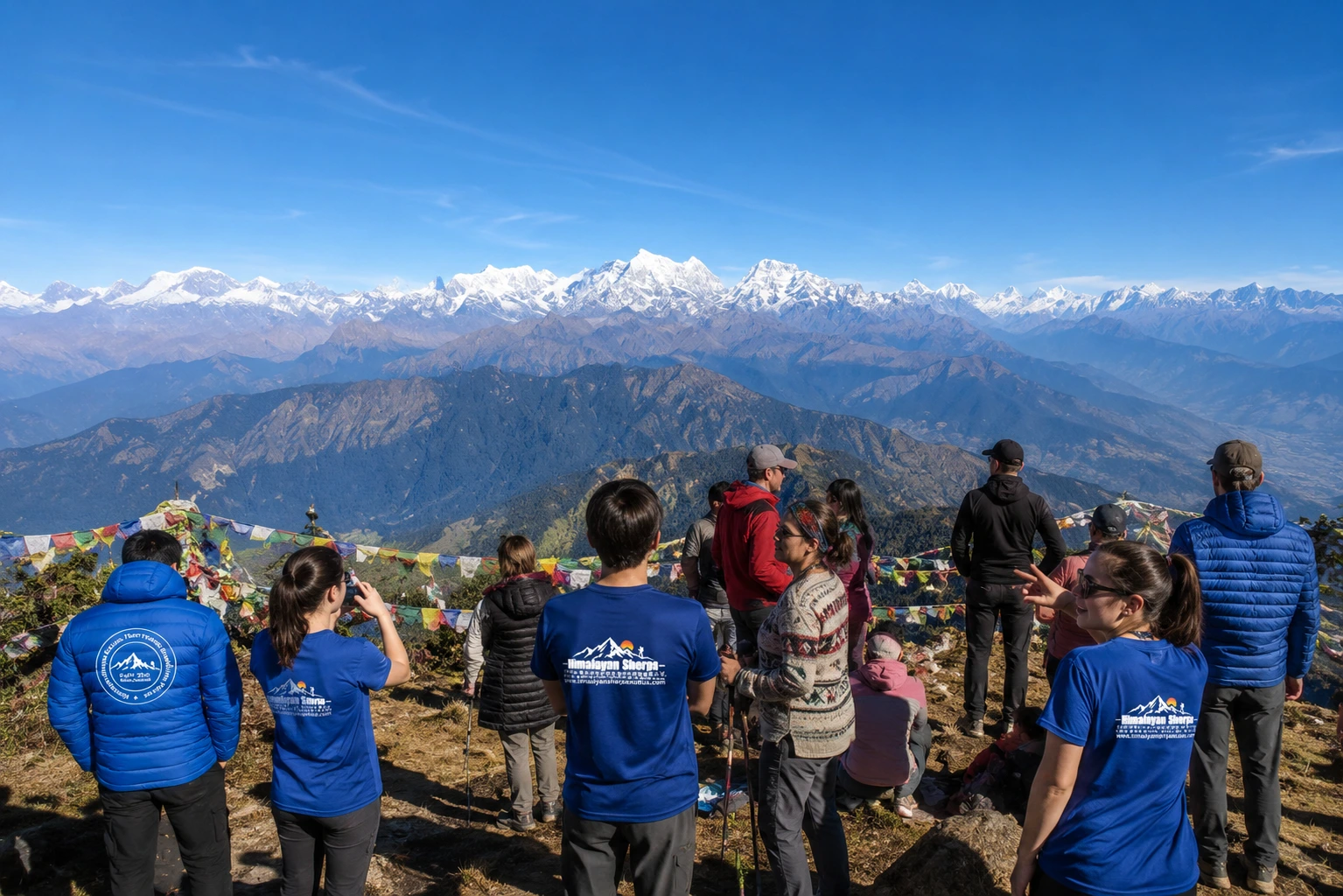
The defining moment of the trek comes with an early-morning ascent of Pikey Peak (4,065m). Arriving near the summit around sunrise provides a remarkable opportunity to watch the Himalayan landscape emerge in the changing morning light. The elevated viewpoint presents a sweeping mountain panorama, with the Everest region forming one of the most memorable features of the horizon.
After enjoying the summit experience, the route descends through Jasmane Bhanjyang towards the beautiful settlement of Junbesi. Rather than simply passing through, the itinerary allows additional time in Junbesi, giving travellers the opportunity to explore the village surroundings or undertake a side hike to the historic Thupten Chholing Monastery. This cultural element adds another dimension to the journey, balancing the physical adventure with a quieter insight into the spiritual traditions of the Himalayan region.
From Junbesi, the trek continues towards Phaplu, where the walking section concludes. Travellers then return to Kathmandu by jeep, with an optional flight depending on preference and availability. A leisure day in Kathmandu at the end of the journey provides time to rest, explore, or prepare for onward departure.
With manageable trekking days, a spectacular sunrise summit, mountain scenery, village encounters, and an opportunity to experience Himalayan Buddhist heritage, the Pikey Peak Trek is particularly suitable for travellers seeking a short yet meaningful trekking experience in the Everest region.
At Himalayan Sherpa Exodus Team Treks & Expeditions Pvt. Ltd., we aim to make the Pikey Peak journey more than simply reaching a viewpoint. Our approach is centred on thoughtful trekking arrangements, local knowledge, responsible travel practices, and genuine Himalayan hospitality, allowing every traveller to experience the landscape and communities along the trail with greater understanding and appreciation.
Highlights of the Pikey Peak Trek
Highlights of the Pikey Peak Trek
- Reach the summit of Pikey Peak at 4,065 metres, the highest point of the journey.
- Experience an unforgettable early-morning sunrise from Pikey Peak, with sweeping views across the Himalayan horizon.
- Enjoy an impressive 360-degree mountain panorama, including memorable views towards the Everest region.
- Follow a quieter trekking route from Dhap Bazaar through Jhapre and Pikey Base Camp, away from the atmosphere of Nepal’s busier trekking corridors.
- Experience the gradual transition from lower hill settlements to the higher Himalayan environment while trekking towards Pikey Base Camp.
- Descend through the beautiful route of Jasmane Bhanjyang on the way from Pikey Peak to Junbesi.
- Spend time in Junbesi, one of the culturally significant settlements encountered during the journey.
- Take an optional day hike to the historic Thupten Chholing Monastery and gain a closer appreciation of the Buddhist traditions of the region.
- Enjoy a satisfying combination of mountain adventure, local culture, natural landscapes, and spiritual heritage within a relatively short trekking itinerary.
- Complete the trekking journey at Phaplu, followed by a scenic return to Kathmandu by jeep, with an optional flight where available.
- Benefit from an itinerary that provides a balanced combination of trekking, exploration, acclimatisation, and relaxation.
- Travel with Himalayan Sherpa Exodus Team Treks & Expeditions Pvt. Ltd., with an emphasis on professional service, local experience, responsible trekking, and warm Himalayan hospitality.
Day 01 :
Arrival in Kathmandu (1,400m)
Welcome to Nepal. Upon your arrival at Tribhuvan International Airport, Kathmandu, a representative from Himalayan Sherpa Exodus Team will warmly welcome you and transfer you to your hotel. After completing the necessary arrangements, you can relax and prepare for your upcoming Himalayan adventure.
Accommodation: Hotel in Kathmandu
Maximum Altitude: 1,400m
Activities: Airport pickup, trek briefing, and preparation
Day 02 :
Drive from Kathmandu to Dhap Bazaar (2,850m)
Your journey begins with a scenic drive from Kathmandu towards Dhap Bazaar, the starting point of the Pikey Peak Trek. The route follows winding mountain highways, passing through beautiful countryside landscapes, rivers, terraced farmlands, and traditional settlements.
The drive gradually leaves behind the busy city environment and enters the peaceful Himalayan foothills. As you approach Dhap Bazaar, the surrounding hills and distant mountain views create the first impression of the trekking region.
Driving Distance: Approximately 230 km
Driving Duration: Around 7–8 hours
Maximum Altitude: 2,850m
Overnight Stay: Dhap Bazaar
Day 03 :
Trek from Dhap Bazaar to Jhapre (2,815m)
After breakfast, the trek officially begins with a gentle walk through the beautiful landscapes of the Solukhumbu region. The trail passes through forests, farmland, and small mountain settlements while offering views of the surrounding hills and Himalayan peaks.
The walk to Jhapre provides a wonderful introduction to the local lifestyle, where traditional houses, Buddhist influences, and peaceful village surroundings reflect the unique culture of the lower Everest region.
Upon reaching Jhapre, you can explore the village area and enjoy the calm atmosphere of this charming Himalayan settlement.
Walking Distance: Approximately 11–13 km
Walking Duration: Around 5–6 hours
Maximum Altitude: 2,815m
Overnight Stay: Jhapre
Day 04 :
Trek from Jhapre to Pikey Base Camp (3,640m)
Today’s trail gradually climbs towards Pikey Base Camp, one of the most scenic sections of the trek. The route takes you through beautiful rhododendron forests, open landscapes, and peaceful alpine surroundings.
As the elevation increases, the views become more impressive, with opportunities to observe the changing Himalayan terrain and glimpses of surrounding mountain ranges. The gradual ascent allows trekkers to adapt comfortably while enjoying the natural beauty of the region.
After reaching Pikey Base Camp, you can relax and prepare for the early morning summit hike the following day.
Walking Distance: Approximately 12–14 km
Walking Duration: Around 5–6 hours
Maximum Altitude: 3,640m
Overnight Stay: Pikey Base Camp
Day 05 :
Sunrise Hike to Pikey Peak (4,065m) and Trek to Junbesi (2,680m)
An early morning start takes you towards the summit of Pikey Peak (4,065m) to experience one of the most memorable sunrise viewpoints in Nepal. From the top, trekkers are rewarded with a breathtaking 360-degree Himalayan panorama, including spectacular views of the Everest range and surrounding peaks.
After spending time at the summit, the trail descends through Jasmane Bhanjyang and continues towards the historic Sherpa village of Junbesi. The route combines mountain scenery with cultural experiences, passing through peaceful landscapes and traditional Himalayan surroundings.
Junbesi is one of the most culturally significant villages in the region, known for its Sherpa heritage and Buddhist traditions.
Walking Distance: Approximately 15–17 km
Walking Duration: Around 6–7 hours
Highest Altitude: Pikey Peak 4,065m
Overnight Stay: Junbesi (2,680m)
Day 06 :
Exploration Day in Junbesi and Thupten Chholing Monastery Visit
Today is reserved for exploration and cultural discovery around Junbesi. You may choose to explore the village, interact with local communities, or take a peaceful side hike to the renowned Thupten Chholing Monastery.
The monastery provides a deeper insight into the spiritual traditions of the Himalayan region. Surrounded by peaceful mountain landscapes, it offers a unique opportunity to experience the Buddhist culture and lifestyle that have shaped local communities for generations.
Side Hike Distance: Approximately 8–10 km (round trip, depending on route)
Walking Duration: Around 4–5 hours
Maximum Altitude: Approximately 3,100m
Overnight Stay: Junbesi
Day 07 :
Trek from Junbesi to Phaplu (2,380m)
The final trekking day leads you from Junbesi towards Phaplu, following a pleasant trail through forests, villages, and agricultural landscapes. The route provides a final opportunity to enjoy the peaceful beauty of the Solukhumbu region before completing the walking section of the journey.
Phaplu is an important gateway town in the Everest region and serves as the connection point for road and air transportation.
Walking Distance: Approximately 13–15 km
Walking Duration: Around 5–6 hours
Maximum Altitude: 2,380m
Overnight Stay: Phaplu
Day 08 :
Drive or Optional Flight from Phaplu to Kathmandu (1,400m)
After completing the trekking adventure, you will return to Kathmandu. The journey by jeep follows a scenic mountain road, allowing you to enjoy the changing landscapes as you travel back from the Himalayan foothills to the Kathmandu Valley.
For travellers seeking a quicker return, an optional flight from Phaplu to Kathmandu may be arranged depending on flight availability and weather conditions.
Driving Distance: Approximately 270 km
Driving Duration by Jeep: Around 7–8 hours
Optional Flight Duration: Approximately 30–35 minutes
Maximum Altitude: Kathmandu 1,400m
Overnight Stay: Kathmandu
Day 09 :
Leisure Day in Kathmandu or Final Departure
Depending on your flight schedule, you may enjoy a free day in Kathmandu for relaxation, shopping, or exploring cultural landmarks. Our team will assist with airport transfer arrangements for your onward journey.
For those departing Nepal, this marks the completion of your memorable Pikey Peak Trek with Himalayan Sherpa Exodus Team.
Accommodation: Hotel in Kathmandu
Activities: Leisure, sightseeing, and departure preparation
Note: The itinerary can be customized according to your preferred pace, available time, weather conditions, and trekking experience. Himalayan Sherpa Exodus Team remains committed to providing a safe, comfortable, and authentic Himalayan trekking experience.
Pikey Peak Trek
The Trip Package Cost Includes
- Airport arrival and departure transfer services in Kathmandu.
- Trek preparation assistance and detailed trip briefing before departure.
- Transportation between Kathmandu and the trekking starting/ending points as mentioned in the itinerary.
- Experienced, licensed, and knowledgeable trekking guide.
- Required number of porters to support luggage transportation.
- Guide and porter wages, meals, accommodation, insurance, and necessary equipment.
- Accommodation in Kathmandu as per the package arrangement.
- Accommodation during the trek in comfortable local teahouses/lodges.
- Daily meals during the trekking period, including breakfast, lunch, and dinner.
- Necessary permits and official documentation required for the trekking route.
- Government taxes and service charges.
The Trip Package Cost Excludes
- International flights to and from Nepal.
- Nepal entry visa fees.
- Travel and medical insurance.
- Personal expenses such as beverages, snacks, laundry, and additional services.
- Personal trekking equipment and clothing.
- Emergency evacuation or rescue costs.
- Additional accommodation or meals caused by delays, weather conditions, or unforeseen circumstances.
- Tips for trekking staff.
- Optional sightseeing activities and expenses not mentioned in the itinerary.
Best Time to Trek
The Pikey Peak Trek can be enjoyed throughout different seasons; however, the most favourable periods are generally spring (March to May) and autumn (September to November).
During spring, the hills become vibrant with blooming rhododendron forests, pleasant temperatures, and clear mountain views. Autumn is considered one of the best seasons for trekking in Nepal due to stable weather conditions, excellent visibility, and breathtaking Himalayan panoramas.
Winter trekking from December to February is also possible for experienced trekkers who prefer quieter trails and clear mountain scenery, although temperatures can be colder at higher elevations. The monsoon season (June to August) brings rainfall and cloudy conditions, which may affect visibility and trail conditions.
Trek Difficulty
The Pikey Peak Trek is considered a moderate-level trekking adventure suitable for travellers with a reasonable level of fitness and a positive attitude towards walking in mountainous terrain.
Although the trek does not involve technical climbing, it includes gradual ascents, uneven trails, and a high point of 4,065 metres at Pikey Peak. The early morning summit hike requires some physical effort, especially due to the altitude.
A steady walking pace, proper preparation, and mental readiness are generally sufficient for most active travellers to complete this trek comfortably.
Acclimatization & Altitude Sickness
Altitude awareness is an important aspect of every Himalayan trek. During the Pikey Peak Trek, the itinerary is designed with gradual elevation gain to allow the body to adjust naturally to changing altitude conditions.
Trekkers may experience mild symptoms such as headache, tiredness, reduced appetite, or shortness of breath while gaining elevation. These symptoms are usually manageable with proper hydration, adequate rest, and a slow walking pace.
Our experienced trekking team carefully monitors the health and comfort of guests throughout the journey. Maintaining a balanced schedule and following professional guidance helps reduce altitude-related risks.
Himalayan Culture & Ancient Monasteries
The Pikey Peak region provides a beautiful opportunity to experience the traditions of the Sherpa communities living in the lower Everest area.
Along the trail, trekkers encounter traditional villages, Buddhist prayer walls, monasteries, and cultural practices that reflect the deep spiritual connection between Himalayan communities and their environment.
A visit to Thupten Chholing Monastery near Junbesi offers a particularly meaningful cultural experience, allowing travellers to observe Himalayan Buddhist traditions, peaceful monastic surroundings, and the spiritual lifestyle preserved for generations.
Preparation Guide
Proper preparation helps make the Pikey Peak Trek more enjoyable and comfortable. Although this is not a technically demanding trek, good physical preparation is recommended.
Before departure, trekkers should focus on:
- Regular walking, hiking, or cardiovascular exercises.
- Improving stamina through gradual training.
- Preparing suitable trekking clothing and equipment.
- Learning basic altitude awareness and mountain safety practices.
- Maintaining a positive mindset and flexible approach.
- Consulting a medical professional if there are existing health concerns.
A well-prepared trekker can fully appreciate the landscapes, culture, and experiences along the trail.
Weather & Climate
The weather in the Pikey Peak region changes according to altitude and season. Lower areas generally experience mild temperatures, while higher sections near Pikey Base Camp and the summit can become significantly colder.
During clear seasons, daytime temperatures are comfortable for trekking, while mornings and evenings at higher elevations may feel chilly. Weather conditions in the mountains can change quickly, so carrying appropriate layers and rain protection is always recommended.
Accommodation
During the trek, accommodation is provided in comfortable local teahouses and lodges operated by Himalayan communities.
These mountain lodges offer a warm and welcoming atmosphere, providing basic but convenient facilities such as private or shared rooms, dining areas, and essential amenities. Staying in local accommodations also allows trekkers to experience authentic Himalayan hospitality and support the local economy.
In Kathmandu, accommodation is arranged in a comfortable hotel according to the selected package category.
Meals During the Trek
Nutritious meals are an important part of maintaining energy during the trekking journey. Local teahouses provide freshly prepared meals with a combination of traditional Nepalese dishes and commonly preferred international options.
Typical meals include:
- Traditional Nepali Dal Bhat (rice, lentils, and vegetables).
- Noodles, pasta, soups, and seasonal dishes.
- Breakfast options such as eggs, bread, porridge, and hot drinks.
Our team encourages balanced food choices to support energy levels throughout the trek.
Drinking Water
Safe drinking water is essential during high-altitude trekking. Trekkers can purchase bottled water or refill bottles from available sources along the route.
To reduce plastic waste and support responsible trekking practices, carrying a reusable water bottle with purification tablets or a filtration system is highly recommended.
Internet & Charging
Internet and charging facilities are available at many teahouses along the Pikey Peak route; however, services may be limited in remote mountain areas.
Wi-Fi access may require additional payment, and charging electronic devices usually involves a small extra fee. Due to limited electricity availability at higher elevations, carrying a power bank is recommended.
Travel Insurance
Comprehensive travel insurance is strongly recommended for the Pikey Peak Trek.
Your insurance should cover:
- High-altitude trekking activities.
- Emergency medical treatment.
- Helicopter or emergency evacuation services.
- Trip cancellation or interruption.
- Loss or damage of personal belongings.
Having appropriate insurance provides greater confidence and protection during your Himalayan journey.
Packing List
A properly prepared backpack contributes significantly to trekking comfort.
Recommended items include:
Clothing:
- Warm layers and thermal clothing.
- Waterproof jacket and trousers.
- Trekking pants and comfortable shirts.
- Gloves, hat, and warm socks.
Trekking Equipment:
- Comfortable trekking boots.
- Backpack and rain cover.
- Sleeping bag (recommended).
- Trekking poles.
- Water bottle and purification tablets.
Personal Items:
- Sunscreen and sunglasses.
- Personal medication and basic first-aid items.
- Headlamp.
- Camera and power bank.
Safety Measures
Your safety and comfort remain our highest priorities throughout the Pikey Peak Trek.
Our professional trekking team follows responsible safety practices, including:
- Experienced local guides familiar with the route.
- Proper planning according to weather and trail conditions.
- Regular monitoring of altitude-related symptoms.
- Maintaining a comfortable trekking pace.
- Emergency support coordination when required.
- Following environmentally responsible trekking practices.
With proper preparation, professional guidance, and respect for mountain conditions, the Pikey Peak Trek becomes a safe and unforgettable Himalayan experience.
Frequently Asked Questions (FAQ)
1. How difficult is the Pikey Peak Trek?
The Pikey Peak Trek is considered a moderate trek. It is suitable for travellers with average fitness who can walk several hours daily on mountain trails.
2. What is the highest altitude reached during the trek?
The highest point of the trek is Pikey Peak at 4,065 metres above sea level.
3. Do I need previous trekking experience?
Previous trekking experience is helpful but not compulsory. Regular walking practice and physical preparation are recommended.
4. What makes Pikey Peak Trek special?
The trek combines panoramic Himalayan views, peaceful trails, Sherpa culture, traditional villages, and ancient monasteries within a relatively short trekking itinerary.
5. Can I see Mount Everest from Pikey Peak?
Yes. Pikey Peak is famous for its outstanding sunrise viewpoint, offering impressive views towards Mount Everest and surrounding Himalayan peaks.
6. Is the trek suitable for beginners?
Yes, beginners with good preparation and a comfortable walking pace can complete the trek successfully.
7. When is the best season for Pikey Peak Trek?
Spring and autumn are considered the best seasons due to favourable weather, clear skies, and excellent mountain visibility.
8. Is internet available during the trek?
Internet facilities are available at some lodges, although connectivity may be limited in remote areas.
9. What type of accommodation is available?
Accommodation is provided in local teahouses and lodges during the trek, offering basic facilities with authentic Himalayan hospitality.
10. Why choose Himalayan Sherpa Exodus Team Treks & Expeditions Pvt. Ltd.?
We combine local Himalayan knowledge, professional trekking management, personalised service, and responsible travel practices to create meaningful and memorable trekking experiences for every traveller.
Be Well Prepared for Your Trek in Nepal
Proper preparation is the key to a safe, comfortable, and enjoyable trekking experience in Nepal. Please use this equipment guide to prepare the essential clothing, footwear, personal items, health and safety gear, and other trekking necessities according to your chosen route and season.
Pack wisely, travel comfortably, and trek confidently with Himalayan Sherpa Exodus Team.
 4065M
 Moderate